

David Watson’s career as a freelance graphic designer is one shaped by creativity, dedication, and an ever-evolving passion for the craft. Starting his journey in 1997 designing print materials for major TV networks, Watson has navigated the shifting landscape of the industry, transitioning from print to digital and ultimately finding his niche in music-related projects.
Through meticulous attention to detail and a love for physical mediums, he has carved a unique space for himself in the competitive world of graphic design, working with artists to transform sound into visual masterpieces.
How did you first get into the industry?
After leaving art college it took me a while to land my first junior design role at Headland Communications in Nottingham in 1997. Their main clients at the time were TV production companies (such as BBC, Channel 4 and ITV) and I would design TV show promotional print materials – press pack folders for TV show launch events and huge programme/film catalogues that ran to 100s of pages, which were used to sell UK TV programming to the international TV market before the internet became more suitable.
The press folders were where we could get the most creative, they were usually an oversize A4 folder with a pocket, we would be sent loads of photos (or film negatives), have to scan them and create engaging Photoshop montages that covered all 4 pages of the folder, giving a taste of the show.
Back then everything was designed at low resolution and the final artwork had to be redone from scratch after the photos had gone off to be professionally drum scanned. I can still remember having to work out the size to scan each photo as we were charged based on scan size. Many late nights were spent looking at slow progress bars as building multi-layered Photoshop files back then was hard going, even on the best Macs.
Looking back, it’s definitely where I learned a lot about composition, typography, layout and the intricacies of the print process when going to sign stuff off on press. The two more experienced designers at Headland were also crucial in helping me develop my design skills and it’s where I got my passion for working in print, designing for the web/digital never gave me the same feeling.
Where are you based now and who do you work for?
I live and work in Loughborough, a market town in the East Midlands most famous for the world-leading university for sports-related subjects and Ladybird Books. I am currently a freelance graphic designer after the design company I worked for shut down in 2017, which fortunately coincided with me getting into designing for music.
What is your personal background and what role did it play in your career?
At school I was good at art and it just so happened the art teacher’s husband ran the Graphic Design course at the local art college, so a few of us from the same school ended up there. Two of us are still Graphic Designers. We also had a family friend who was/still is a Graphic Designer and it just felt like a natural choice to go into this instead of any other artistic field.
If you weren’t in your current industry, what would you be doing?
Hopefully something creative, I’d love to work in film or TV behind the scenes in some way.
I am also a huge music fan and collector and once contemplated owning a record shop but glad I didn’t as that’s a struggling industry now.
Can you explain your creative process? What makes it unique?
I don’t know if my creative process is particularly unique. My approach has definitely changed since I started working on album artwork, unsurprisingly it’s a totally different process to a newsletter or business brochure. For a music project I ask the artist’s motivations and inspirations, very often a theme or kernel of an idea will come from something they’ve said, inspiration can come from anywhere.
I will often start with making lists of keywords or concepts as well as quick sketches and think how those can be taken to their logical conclusion or take a turn to something unexpected that still fits the themes of the music. I also have to listen repeatedly to the music as I work.
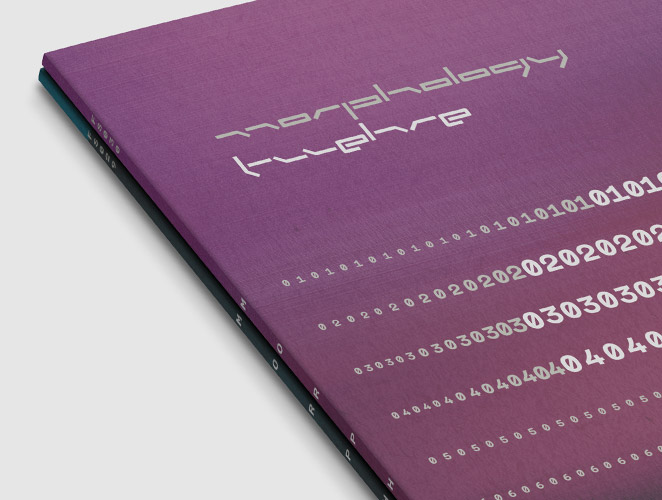
One of the things I love about the whole process is getting very invested in doing the best I can to visually represent the music. It becomes a mission and I keep going until I feel the artwork and music are one.
The whole package is also important, it’s more than just a cover image, the artwork should unfold or expand throughout and give the person who bought the physical item something to explore beyond the digital square of streaming or downloading.
How would you describe your style?
I found this the hardest question — I couldn’t think of anything that wasn’t pretentious or just made me laugh.
Which individuals do you gain inspiration from? Do you have any heroes in the industry?
My fiancé is a textile designer and the most creative person I know, she is my sounding board and always offers great feedback and suggestions. I am also inspired by one of the designers I met during my time at Headland – Stephen Payne (he now works at Fluid Studio), his work blew me away with his originality, versatility and ability to make everything look so damn good.
He was always designing in different styles, whatever was best for the project and I try and follow that same philosophy rather than trying to consciously establish a consistent style.
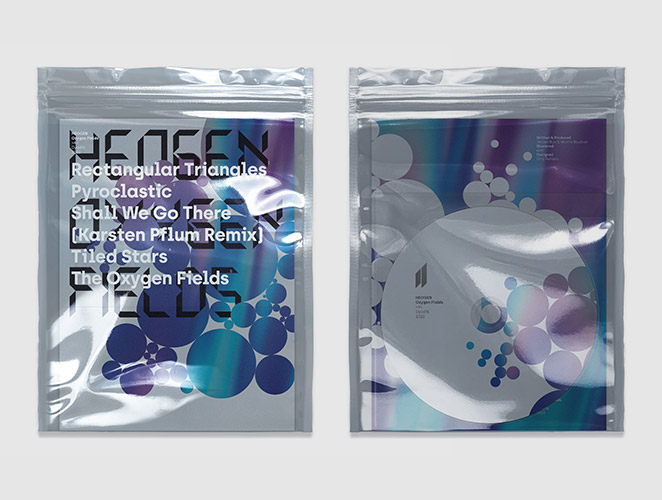
I guess my “hero” in the industry would be Michael C Place at Studio Build. His work is a lesson in economy and simplicity yet everything is always characterful, he seems to be able to do so much with so little. I am constantly inspired whenever I see something new by him.
What tips would you give to aspiring creatives looking for work?
Getting that first job can be very hard. Make sure your portfolio is only filled with your very best projects that relate to real world design challenges and show off your skills , also explain why you did certain things to show your creative process.
Always keep learning. I am always watching tutorials, even on the basics, software has developed so much and better, more efficient ways of doing things all help to make the sometimes unpredictable process of design easier.
Can you share a memorable experience from your career journey that shaped your approach to creativity?
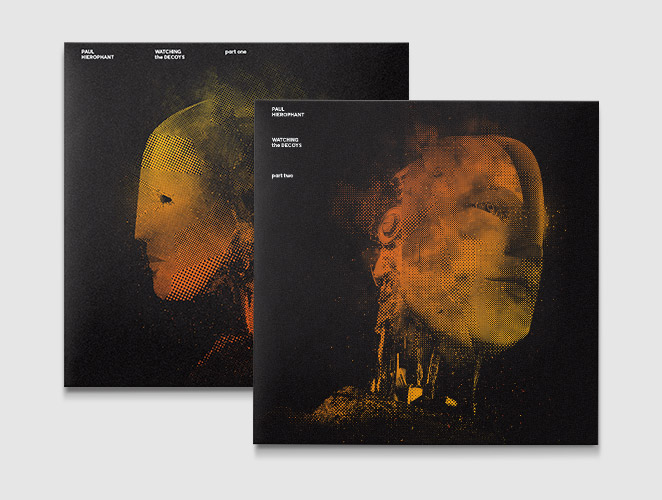
This came pretty late for me, but in 2017 when I got to design my first record sleeve. It was something I’d always been interested in but never had the opportunity or thought I was good enough. The people that got to do that where gods at the pinnacle of design.
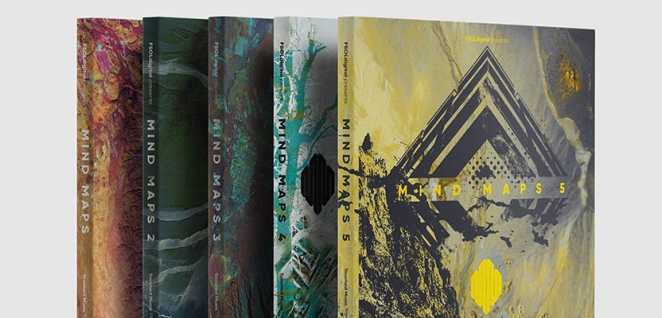
A friend of mine started an electronic music label (Touched Music) initially with the aim of raising money for Macmillan Cancer Support, a UK cancer support charity. He was working on the first vinyl release and he asked me to design the cover. It was for a favourite artist of mine (B12), so I really felt the pressure.
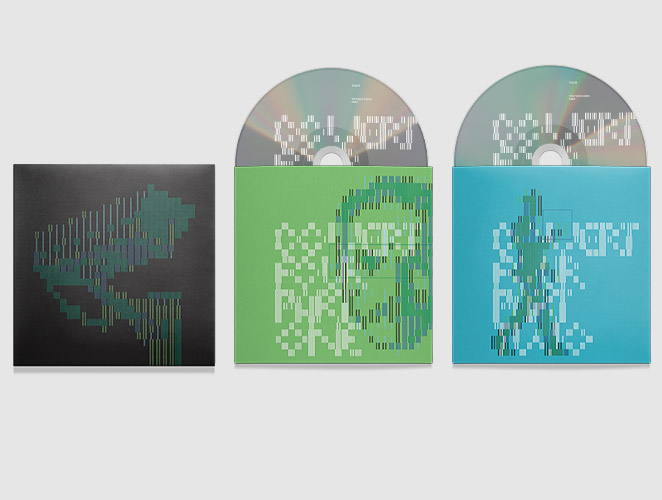
I absolutely loved the whole process, from trying different ideas to waiting the three months for the vinyl to be manufactured and delivered. That was the start of a different way of thinking creatively and lit a fire in me. Within music I feel I have the best job as, once the music is all done, I get to define how people will see the music for the first time and make it a tangible finished product.
What kind of tools/kit/software could you not do without?
Obvious but my iMac, mainly for the amazing 5k 27” screen. The onscreen colours are always accurate compared to the final printed products and the levels of detail are still not taken for granted. I really don’t need the latest computers to do what I do. Apart from that, the usual Creative Cloud suite that is the mainstay of any Graphic Designer.
What’s your secret to staying inspired and motivated?
Often inspiration will come when I’m doing something completely different, I can’t count the number of times I’ve been washing the dishes and run up to my studio to quickly sketch something that just popped into my head.
Motivation is a different story, I struggle sometimes like everyone else. I guess you just need to remind yourself why you are doing this job and remember the high you get when you crack a creative challenge and produce some work you are proud of that really fulfilled the brief and brought results for the client. That’s what keeps me going.
What’s the work achievement you’re most proud of?
I guess working on design for the Touched Music label and being a small part of helping to raise money for Macmillan Cancer Support, the label started in 2013 and has so far raised over £140,000.
As someone with experience in the industry, what trends do you foresee shaping the future of creativity?
I can say what I don’t want to shape the future — AI. We need people to be the centre of creativity.
What do you think sets apart truly exceptional creatives from the rest of the pack?
The ability to think outside the box, go beyond the obvious and dig into a theme or concept to produce work that is engaging and relevant to the project.
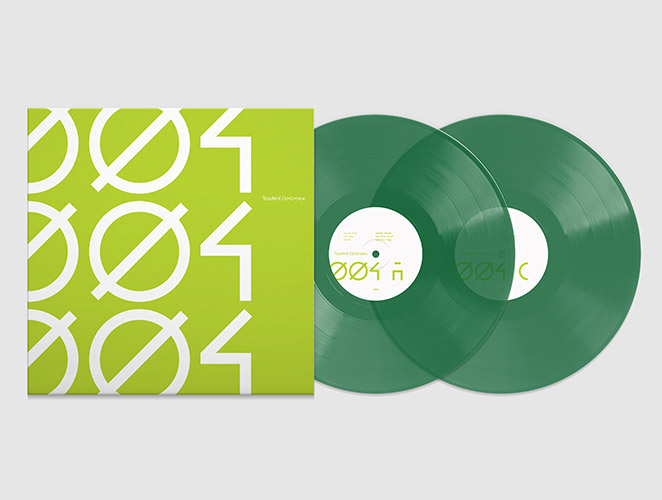
I am most impressed by creatives that don’t necessarily have a set style and somehow produce amazing work in different mediums or techniques and you can still tell it’s them.
Any websites, books or resources you would recommend?
For any designer working in print I totally recommend getting a CMYK colour guide book which shows all combinations of CMYK ink as printed swatches. I find it invaluable and use it on every project to ensure colours print as expected. You can’t replicate that on screen.
Elena Pavlova February 5th, 2025, in the evening
It’s impressive how each designer can find their niche in different industries! Vinyl record design, in my opinion, is a very interesting niche, and I believe there is a lot of room for creativity in it!