

Leah Germann's creative journey is a fascinating blend of fine art, design, and the pursuit of expression across multiple mediums. With over two decades of experience as a self-employed artist and designer, her ability to think laterally and adapt to various forms of creative work sets her apart in today’s highly specialized industry.
From collaborating on immersive projects to producing conceptual art and abstract designs, Leah's approach is both broad in its scope and deeply personal in its connection to art, design, and the timeless processes that ground her practice.
How did you first get into the industry?
During my time at university in the US, I immersed myself in a mix of Fine Art, Art History, Theatre Design, and Communications. Alongside my studies, I interned at a local design firm and later at an advertising agency.
After graduating, I took on an internship at a 3D museum design department, which led to my first graphic design project. That initial experience turned into a period of learning on the job and opened doors to future studio roles.
Where are you based now and who do you work for?
I currently live in St Leonards on Sea in the UK and have been working as a self-employed artist and designer for over 20 years.
If you weren’t in your current industry, what would you be doing?
If I wasn’t working with clients, I’d dedicate my time to developing my own art practice.
Can you explain your creative process? What makes it unique?
My process can vary depending on the project, but generally, I approach things from multiple angles. I enjoy exploring different perspectives and then finding ways to connect those ideas.
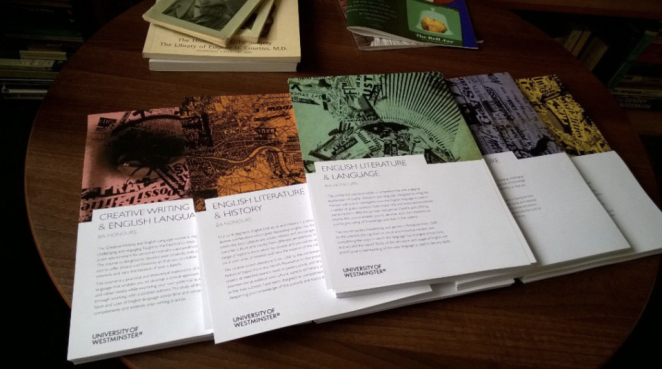
Words are important to me, and they often inspire the visuals. I see my creative process as lateral, with a focus on finding relationships, narrowing down options, and building connections between different elements.
How would you describe your style?
When I started out, the concept of “style” in design wasn’t emphasized. I had to adapt to the needs of each project, whether it was a corporate assignment or a loose children’s book. This flexibility taught me to think creatively and adapt quickly.
Today, I work across a range of styles, from abstract patterns for scarf and textile designs to expressionistic, loose painting. The diversity of my work reflects my varied interests, allowing me to find outlets for different aspects of my creativity.
Which individuals do you gain inspiration from? Do you have any heroes in the industry?
I have countless painting heroes, from Vuillard to Diebenkorn, and I’m constantly inspired by contemporary artists I discover on social media.
I’m also drawn to creatives who straddle art and design, like William Kentridge, who seamlessly bridges drawing, film, theatre, and installation. Additionally, I gain conceptual inspiration from filmmakers, writers, and even from science and popular culture.
Can you share a memorable experience from your career that shaped your approach to creativity?
Earning my Master’s degree allowed me to push the boundaries of both design and art. More recently, receiving funding for my art practice gave me the time and space to fully commit to my creative exploration.
What’s your secret to staying inspired and motivated?
I wish I had a secret! Inspiration ebbs and flows, and sometimes a break is necessary. However, I’ve found that having a personal creative outlet outside of client work is empowering.
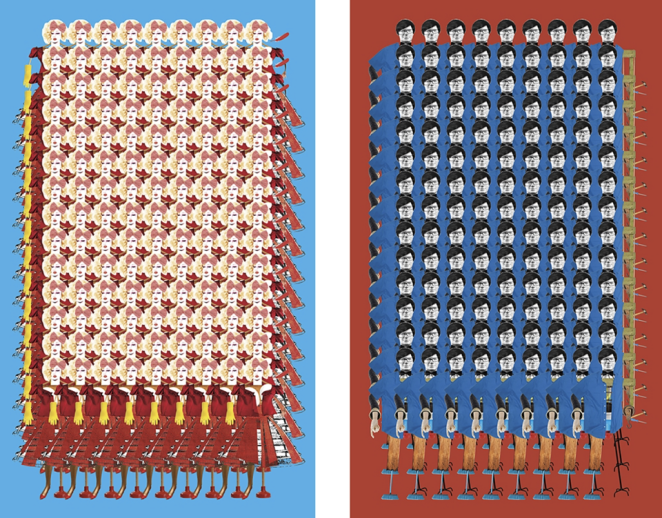
It helps to nurture that independent creative energy, so when the right project comes along, it’s ready to shine.
What’s the work achievement you’re most proud of?
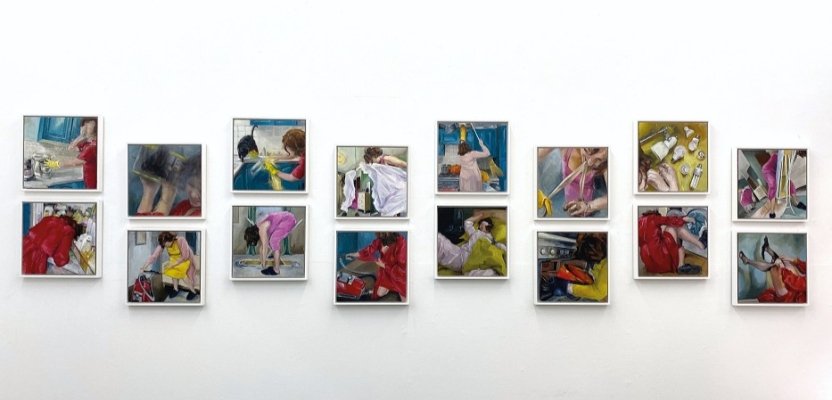
There are two that stand out. First, the set of paintings I created for a solo show last year, where I really pushed myself to achieve what I had envisioned.
The second was a collaborative installation project with performers and friends about 15 years ago. Though it was small and underseen, it was incredibly rewarding to watch the project grow in unexpected ways.
What trends do you foresee shaping the future of creativity?
Creativity itself is stable, but the tools, formats, and values placed on creative work are always changing. I think the future will be shaped by how the world influences the platforms and technologies used to showcase creativity.
What sets apart truly exceptional creatives from the rest?
Curiosity, commitment, and the ability to listen to their inner voice, combined with the time, space, and resources to experiment. I also believe in the importance of imagination—an inner spark that has to be nurtured, followed through on, and allowed to flourish.
How has technology influenced the creative industries, and how have you adapted?
When I started, we were still using photostat machines and scalpels. Technology has since transformed the pace and expectations of work, shifting the definition of “design” from conceptual problem-solving to something more tied to software and digital tools. I think tools like AI will bring changes we can’t yet fully predict, but as with Photoshop when it was new, they will ultimately remain tools—subordinate to true creativity.
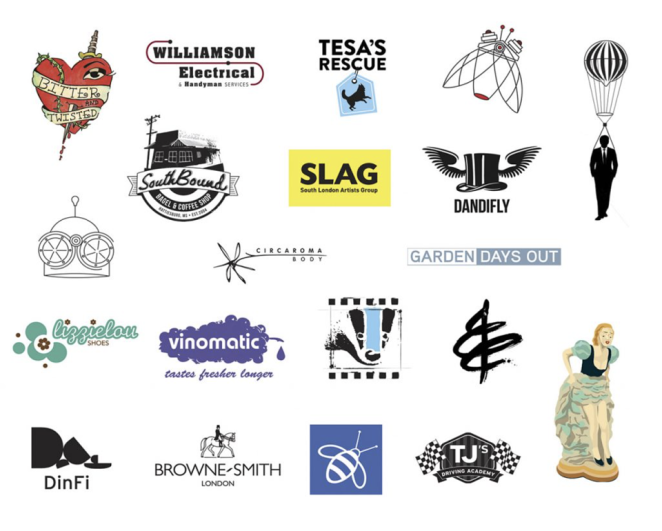
For me, painting serves as a grounding force, a connection to centuries-old practices. I find comfort in the human connection that emerges through shared creative processes, both in painting and design.
Leah Germann September 30th, 2024, late evening
Thanks for the post! ????