
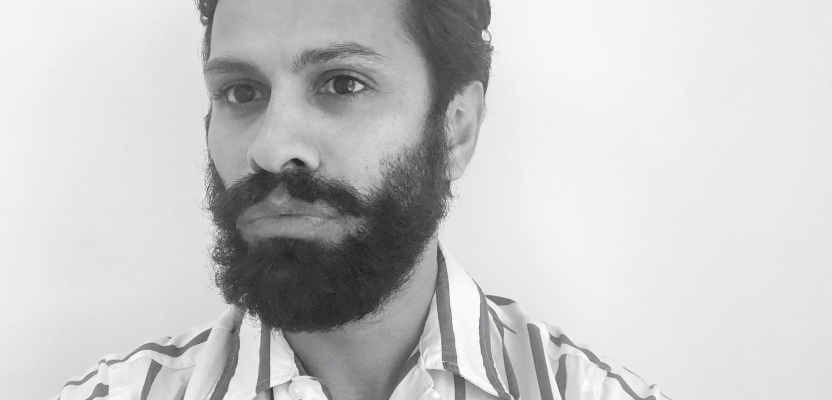

As Chief Creative Officer at Ketchum UK, Indy Selvarajah isn’t just leading campaigns—he’s reshaping how creative leadership looks and feels. With roots in fine art, television, and now PR, Indy brings an unconventional, cross-disciplinary approach that’s as instinctive as it is intentional.
From building an award-winning agency culture from the ground up to mentoring creatives from the edges of the industry, his path has been anything but linear. In this interview, Indy shares why staying curious, protecting the purity of ideas, and occasionally dreaming of the Jim Henson Company are all part of the ride.
Tell us a bit about your role! Is there a “typical” day?
My role is the guardian of the creative idea. There are many forces, external and internal, that need navigating and negotiating so we get ideas and campaigns out to the world in their purest and most singular form.
But I also still spend a lot of my time rolling up my sleeves and doing the work. I think it’s what all modern day CCO’s and ECD’s should be, making as well as meetings.
There’s never a typical day, as we’re working on so many diverse brands and projects. For example, we have clients including Mars, Samsung, Genomics England and Adobe. It keeps it constantly fresh and interesting.
What was the biggest challenge in getting to your current position?
I was never really focussed on getting to my current position. Many in our industry are fanatically driven by title and seniority, but it’s never been a real imperative for me so I don’t feel I’ve experienced any genuine challenges.
I’ve just looked, listened and continued to push myself and those around me with great work and then, most importantly, create an environment for my Creatives to succeed.
What is your personal background and what role did it play in your career?
I think what I have done and where I am from, culturally, has had a massive influence on what I’m doing and the way I approach work.
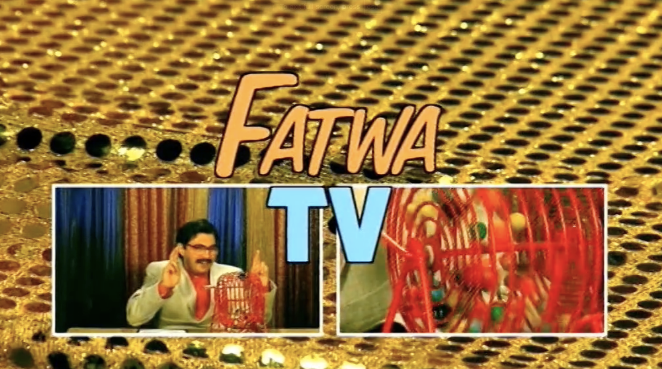
I started in the art world, showing work in galleries including the Tate, Barbican and Serpentine, then moved into TV and film, where I wrote a TV show for Channel 4 called ‘Ain’t it Funny Being Coloured?’. I moved into Ad land after that and for the past 6 years I’ve been at PR agencies.
Having experienced a multitude of different disciplines has been hugely beneficial and its this philosophy I carry into who is in my team. I’m constantly on the lookout for those who have ‘lived’, even if they are junior or new to the industry. Those who might be on the fringes or created work and had experiences completely outside of this industry. It’s a very healthy start!
What is your biggest career-related win? What is your biggest loss?
We have scooped some nice awards for our work; Lions, Clios, Eurobest, PR Week, Campaign and, obvs, Creative Pool. But it was our Creative Agency of the year award in 2023 that still feels the biggest achievement because when I joined 3.5 years ago it was a standing start with just two creatives and couple of designers and no real creative awards to speak of.
The biggest losses aren’t awards but the work itself. When outside forces, out of your control, like a change in client or a legal issue stopping you putting it out to the world. These are the most frustrating losses when so much sweat has gone into it. But it makes one thicker skinned and motivated to go again and create something even better.
Which individuals and/or agencies do you gain inspiration from? Do you have any heroes in the industry?
I think we’re in a place where its more campaign by campaign rather than specific agencies. What I mean is, great work can now come from anywhere and gone are the days when it was just the same three or four shops. I also think the name above the door isn’t as important as it once was.
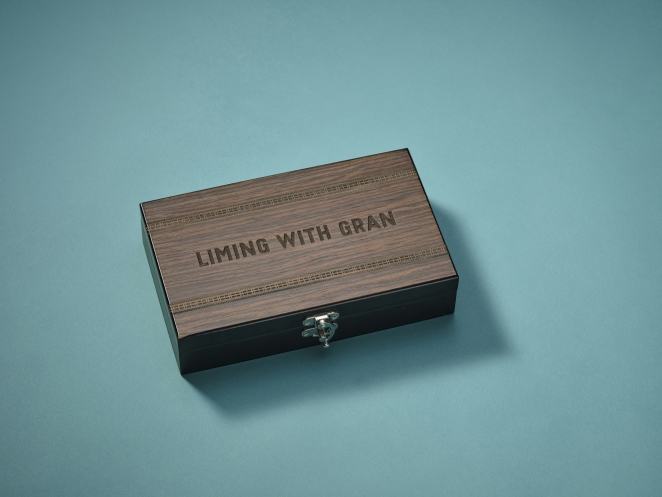
In terms of inspiration, I’ve always found myself looking outside of the industry for ideas that really resonate. I think this has to do with my journey and having worked in quite diverse places where the output has been anything from a theatre show, gallery installation or 30 min TV show.
What advice would you give to your younger self?
Not advice, but more reassurance. Keep following your gut. Know when to stay, when to leave and, most importantly always know your currency and self-worth.
If you weren’t in your current industry, what would you be doing?
Working for the Jim Henson Company. There’s still time…
What’s your one big dream for the future of the industry?
To not forget where we have been, in order to move forward. The big wigs in charge of this industry are so preoccupied with quicker, faster and cheaper. It’s easy to forget that the greatest forms of expression and artform took time, thought and letting the talent get on and make the work.
What are your top tips for aspiring creative professionals?
Be yourself. That’s your currency. And if you have multiple cultural reference points or heritage, even better.
And don’t get sucked in to it all too much. Stay on the fringes and dip in and out when needed. Mostly, surround yourself as much as possible with worlds outside of this one, it will set you apart and the quality of your work will fly.
When you think about your team, what is the thing that matters to you the most?
Always give them your time.
What do you think sets apart truly exceptional creatives from the rest of the pack?
A thirst for always learning.
Never staying still.
Being resilient.
And knowing, and being confident enough, to say no.
How do you prioritise self-care and maintain a healthy work-life balance?
Block out the noise. There is so much swirl that you shouldn’t spend your time or energy on. Focus on the ideas, the work and your team.
And be super-efficient with your time, make it work for you, not the other way round. That’s the best way to achieve the balance you need.
How do you handle creative blocks or burnout?
Don’t over-think. Go with your gut. Speak to people outside of work and the industry as much as possible. They are the ones who will give you the ‘real’ answers and no bullshit.
Do you have any websites, books or resources you would recommend?
Four recommends that I constantly turn to.
Book – Alan Fletcher. The Art of Looking Sideways.
Music – Henrick Gorecki. Symphony of sorrowful songs
Film – Leo McCarey. Duck Soup
Art – Jackson Pollock. Convergence.