

From hand-drawn graphite portraits to leading campaign design for one of New Zealand's most recognisable brands, Katie Munro has built a creative career that combines illustration, branding and strategic visual communication. After more than a decade in Aotearoa New Zealand, she's returning to Scotland with a portfolio spanning freelance illustration, in-house marketing design and visual identity work.
In this interview, Katie reflects on how an unconventional career path led her into design, the value of curiosity and craftsmanship, why authentic relationships matter as much as technical skill, and why she believes the future of creativity belongs to people not artificial intelligence.
How did you first get into the industry?
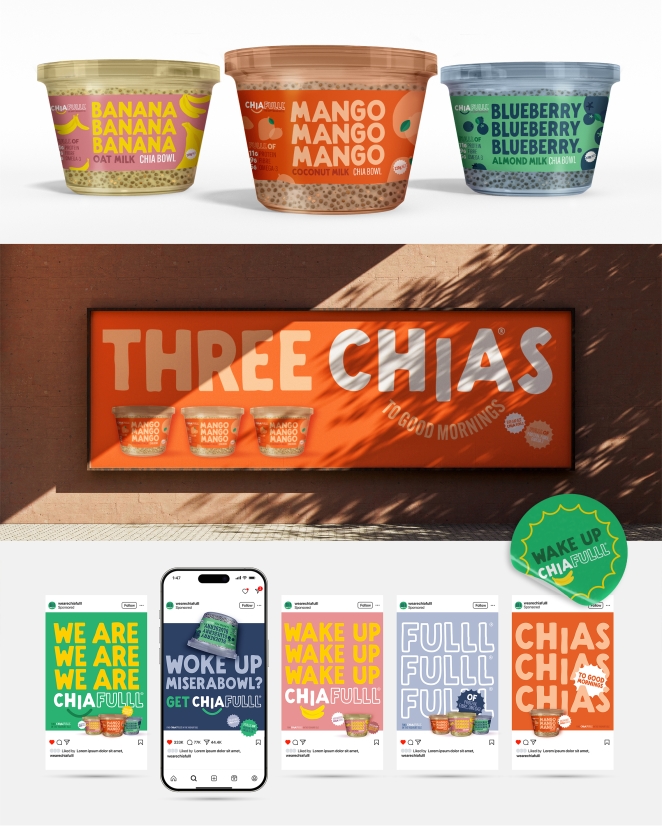 I studied Fashion & Textile design and realised that I preferred the illustration side of things so that’s what I pursued initially - freelancing as an artist and illustrator on the side of other jobs. I specialised in fine art graphite realism so I was mostly doing portraiture commissions, selling prints of my work and then a few branding jobs started to come in which I absolutely loved. I moved to New Zealand and while I was going through the visa process I needed a stable, permanent job so I fell into a finance role at a large e-Commerce platform (this is so hilarious if ever saw me in a maths class at school). While I was there I was seconded into the Communication Design team which was my first introduction to in-house marketing design and I absolutely loved it.
Where are you based now and who do you work for?
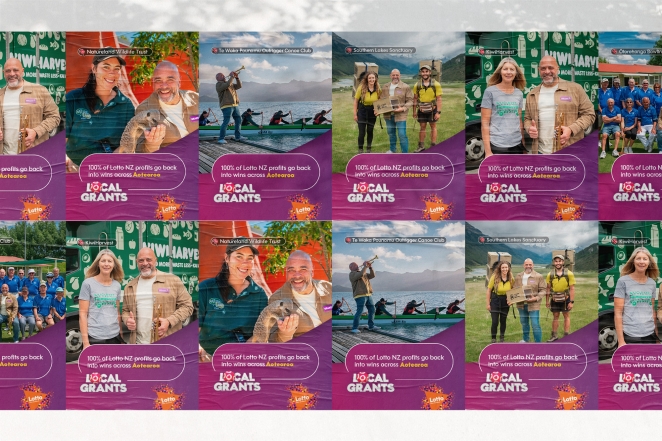
This is a bit of a wild time for actually because I’m in the process of relocating back to the UK after living in Aotearoa New Zealand for 13 years. I’ll be based in Scotland by the end of June! I’m freelancing at the moment, having just wrapped up my in-house role at Lotto NZ, which was such a fun and rewarding job leading campaign design and visual identity work while generating funding for communities. While I do love freelancing, I also love being in-house and having that buy-in to a brand, so I’m keeping one eye on the UK job market.
What is your personal background and what role did it play in your career?
 I went to a Steiner School, so I grew up in an incredibly creative environment which shaped me from a really young age. I was encouraged to create, make things with my hands and think from different perspectives so that’s influenced me in so many ways, and made me believe it was possible to pursue a creative career.
If you weren’t in your current industry, what would you be doing?
I was very close to going into costume design after studying Fashion & Textiles. I’ve always been so fascinated with production design for theatre and screen - every year my parents would take me to the Christmas show at the Lyceum theatre in Edinburgh and I was so mesmerised by the entire worlds that people could make by hand. I still make a lot of my own clothes (most recently my wedding dress) - I like the challenge of drafting a pattern and putting together a garment.
Can you explain your creative process? What makes it unique?
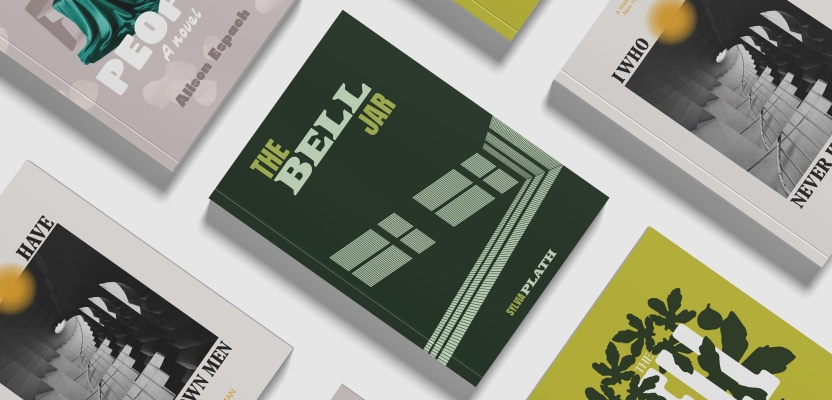
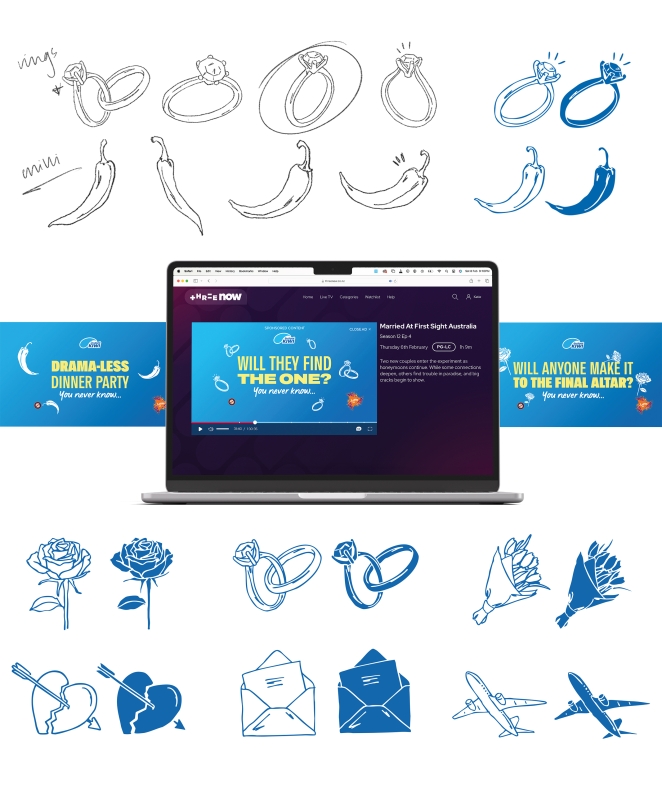
My creative process really depends on what I’m working on! In my design work I go from building entire visual identities from the ground up, creating large-scale marketing campaigns, producing corporate visual communications, to hand-drawn illustrations. And then there’s my fine art graphite drawings which is a whole other process. But all my work starts with a good conversation, really understanding the client’s goals, heaps of research and exploration, and then of course, pencil and paper for sketching. I like to dig into the real meaning behind a project - trying to find clever ways to visually communicate a message or call to action, and evoking a certain emotion and connection to a brand.
How would you describe your style?
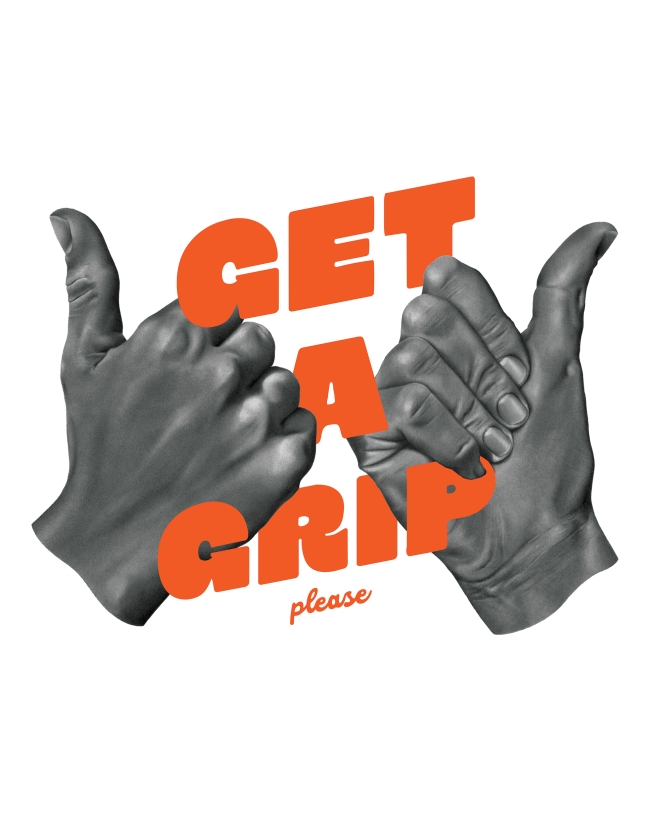 Contemporary, bold, figurative, typographic, energetic and thoughtful. I love a refined colour palette, a bit of humour and strong typography. I’m really drawn to contrast and texture as well.
Which individuals do you gain inspiration from? Do you have any heroes in the industry?
As a designer, Paula Scher’s bold, type-led work is a huge inspiration. As an artist, CJ Hendry has to be up there for her technical skill. I really admire her anti-traditional approach, how she rejects the typical art world politics and is paving her own way.
What tips would you give to aspiring creatives looking for work?
Just keep creating, keep drawing, keep learning and developing. Make your own concept work, experiment with the kind of work you want to do, the kind of disciplines you want to work in. Find people who have the kind of job you want, look at what they’re doing well, and think about how you can apply that in your own style, your own words and your own perspective. Ask for advice and feedback - but only from people that you admire, or who are in positions relative to your goals. It’s really important to protect yourself and your creativity.
What tips would you give to other professionals to get more clients?
 That’s definitely something I’m still working on! One thing I do know is - being authentic, building good relationships and being a good communicator is incredibly important.
What kind of tools/kit/software could you not do without?
My MacBook has to be number one for tech - being able to work from anywhere, create anything I want at any time is unmatched. Illustrator and Photoshop are my go-to for design software. For organisation, I have my entire life in Notion - to-do lists, work tracking, spreadsheets, collecting resources. And of course - my mechanical pencils, my Moleskine notebook and a stack of Hahnemühle Bristol Board.
What’s your secret to staying inspired and motivated?
Creating more than I consume is the best way for me to stay inspired and in a flow-state. It’s important to consume art - read, consume art books, discover new movies, go to art galleries - but the longer I’m not actually creating for, the longer it takes me to get back into it. It’s good to have balance. Switching up where I am and what I’m working on is also a big one for me - I always like to have few creative projects on the go (both paid and unpaid), so I can spend my day doing a mix of different things. Laying up an annual report can get a bit dry, so maybe I’ll jump into some freehand illustration or play around with making custom fonts. Getting up and moving is a good circuit breaker for feeling unmotivated or blocked - going out for a walk, stretching, putting the laundry out, it just helps shifts your perspective.
What’s the work achievement you’re most proud of?
 In 2023 I was asked to exhibit at Art in the Park in Auckland. It was a huge moment of recognition for me, and a really cool experience. It’s also held at Eden Park which is the All Blacks’ fortress, so as a huge rugby fan that was an added highlight!
As someone with experience in the industry, what trends do you foresee shaping the future of creativity?
I believe (or hope?) we’re going to come full circle where human-made craft will be coveted over AI. We’re already seeing people getting sick of AI-slop, and it’s amazing to see big brands like Apple still using functional, practically-made creative (their new Apple TV intro is super impressive). I think businesses that continue to prioritise humans over AI are going to see way more engagement and loyalty in the long run. It’s all branding - an investment to retain the kind of audience that you want.
What do you think sets apart truly exceptional creatives from the rest of the pack?
Curiosity, experimentation, wanting to keep learning and developing. But also being able to articulate your design rationale - knowing why you’re making a design choice and why it applies to the brief, not just because it looks good.
What is the one thing that you would change about the industry?
At the risk of alienating myself, I don’t think that marketing/ advertising/ creative agencies should be “AI-first”. Everything is going to end up looking the same, feeling soulless, having no real meaning and no real connection. There can be merits to working smarter and faster but ultimately at what cost. Creativity is inherently human, and should be human-first.
Any websites, books or resources you would recommend?
For freelancers, ‘Graphic Artists Guild Handbook: Pricing and Ethical Guidelines’ is an incredible resource.