

For nearly three decades, Jump has been at the forefront of broadcast and sports design, creating unforgettable visual identities that have defined some of television’s most iconic moments. Founded in 1996 by Russell Hilliard, Richard Norley, Karon Hall, Kate Norley, and Russell Mann, the London-based studio grew out of ITN’s commercial design department and quickly made a name for itself with groundbreaking work, including the BAFTA-winning graphics for The Day Today and the global brand identity for Who Wants to Be a Millionaire?.
Now approaching its 30th anniversary in 2026, Jump continues to thrive by combining creativity with adaptability. From shifting its focus toward sports branding to embracing full-time remote working after COVID-19, the studio has proven its resilience while staying true to its collaborative, people-first culture. In this feature, we explore Jump’s journey, creative process, and the defining moments that shaped it into one of the UK’s most enduring design agencies.
How was your company born and where are you based?
Jump was set up in 1996 by five youthful, super-keen designers - myself, Richard Norley (our Head Creative), Karon Hall (Operations Director), Kate Norley (Creative Producer) and last but certainly not least, Russell Mann (Technical Director).
We were previously working at the news organisation, ITN, running their commercial design department. We were starting to make a name for ourselves in broadcast design and decided to brave it and set up our own company.
Jump’s first office was based in Clerkenwell, very close to the ITN building, as initially we were still hiring their animation machines. A decade later we bought an office a short hop further east in Shoreditch. In 2022, we sold that office and we are now committed to being a full-time, remote-working company.
In 2026, Jump is celebrating its 30th birthday, which is a landmark we’re hugely proud of. The directors were working together for 5 years before setting up Jump and we’re still all running the company now. We’ve been together a whopping 35 years and are still going strong.
What was the biggest challenge to the growth of your company?
There was a time when Jump worked almost entirely in the world of primetime broadcast entertainment. Whether it was comedies, quiz shows, game shows, chat shows, dramas, documentaries or news / current affairs. But about 15 years ago, the budgets in the sector started to tighten and shrink dramatically in a very alarming manner. We were suddenly finding ourselves occasionally being asked to pitch for £1,000 projects, and that was not a business model that was going to sustain the company.
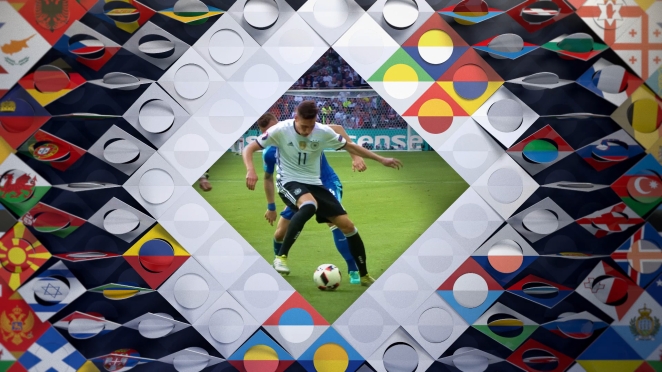
We had already been creating title sequences for major sporting events on ITV and the BBC, so we specifically started to target work for sports governing bodies where the budgets were healthier and more stable. Although it is a highly competitive field, it’s proved to be worth the battle. It is work we love doing, which brings together our passion for sports, our creative design skills and the ability to be meticulous with complicated projects.
We still love the world of broadcast entertainment dearly and regularly produce graphics for those shows. But finding a footing in the sports world really helped our company continue to grow.
Which was the first huge success that you can remember?
In 1993, while we were still working at ITN, we were approached by TalkBack Productions who were making a comedy news spoof called The Day Today for the BBC. They needed the graphics to be completely believable as news graphics and therefore were talking to people who worked in real news organisations. We won the pitch and went on to create an amazing amount of graphics for their 6 x half hour episodes. The show was a huge success due to the amazing combined talent working on it - including Chris Morris, Armando Iannucci, Rebecca Front and Steve Coogan. The graphics played an important part in its success too. In 1994 we received the BAFTA Award for Excellence in TV Design for our work on the show and this was a real turning point for us as a group of creatives.

Can you explain your team’s creative process? What makes it unique?
I think one of Jump’s successes is our approach to working with clients. We’re very open and collaborative. We’ll absorb a client’s brief and ask them lots of questions to make sure we fully understand their goals. From there it’s all about constant good communication - sending initial ideas, development work, storyboards, colour visuals, animatics, shoot planning, animation and regular work in progress meetings. The whole process is well organised and transparent. We think of a project as a collaboration with the client. It’s our job to come up with ideas and make expert recommendations but we’re not precious - and taking on board feedback and reacting quickly to requests for changes is an important part of the service.
How has COVID-19 affected your company?
If you had asked us before the Covid pandemic if we could run the business remotely, we would have said a resounding no. But being forced into that situation made us realise it can definitely work. And while it may not be for everyone, we believe there are many positives to this arrangement which give us and our staff a better quality of life. So Jump is now a full-time, remote working company. We are just as productive as when we were commuting into an office. To be honest, we believe even more so.
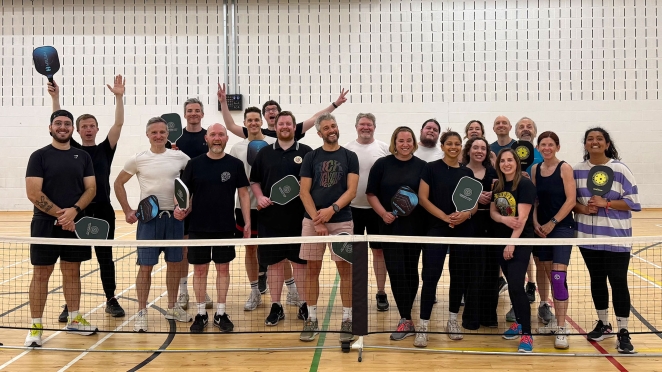
We put a lot of effort into maintaining our company culture and team morale by having bi-monthly team-bonding days, which we call JumpDays. They are always on company time as we’re aware lots of our staff have young families. We arrange a wide range of activities to appeal to everyone’s different tastes - whether it’s something creative like pottery or life drawing or something sporty like pickleball or wall-climbing. These events play a vital role in keeping our company culture thriving while everyone works remotely.
How does your team remain inspired and motivated?
Firstly, I would say designers and creatives are a very passionate bunch. They love what they do and this is very true of everyone at Jump. Our mentality is always to work as a team. Every Monday morning we have a company meeting and one by one talk about what we’re working on that week. Directors are hands on with the work and are always approachable. We have an ‘online open-office’ - everyone can see what people are working on (unless it’s under a top secret NDA, obviously!). If anyone needs help - a quick ‘virtual’ raise of the hand brings everyone running to offer help. And of course with our team-bonding days the staff get to hang out, have fun and get to know each other.
I think this helps people remain inspired and motivated because they genuinely want to support and help their teammates. We’re in it together. It’s a beautiful thing, the Jump team cares about each other.
Which agencies do you gain inspiration from? Do you have any heroes in the industry?
We're firm believers in being creative sponges and gaining inspiration from everywhere, not just by looking at other design agency’s work. It might be from art exhibitions, concerts, theatre, dance etc. It’s good to constantly keep your eyes peeled.
I know all of the directors were hugely inspired and respected the work of the late, great Martin Lambie Nairn. He was the person that made television channels realise the importance of branding in a suddenly exploding market. Our Head Creative, Richard Norley was lucky enough to work closely with Martin, when Lambie Nairn were commissioned to rebrand ITN. They shared a great sense of humour and got on really well.
And another design hero who we still refer to a lot today - is the mighty Saul Bass.

How do you go about finding new clients / business? (Pitching, work with retainers, etc.)
One advantage to having been in business a long time is building up relationships with a lot of people. When people have enjoyed working with you they’ll keep you in mind for future work - even if they move around across different companies, which happens a lot with freelance directors, producers, PMs etc. We get a lot of clients coming back to us with their next project.
When chasing new work our Head Creative goes to Sportel in Monaco every year, as it’s a fantastic place to meet the important contacts in the sport industry. He’ll also attend other industry events throughout the year.
We send bi-monthly mailshots and we try to keep a high profile on Linkedin. We keep our website and our social media platforms updated with recent work and interesting insights into our agency life.
And obviously we are looking to use Creativepool more for promoting our work and finding new projects. So come and connect and say hello.
What’s your one big hope for the future of the industry?
I can’t imagine it will ever disappear completely but it would be amazing if clients relied less on making agencies pitch for work for free. Or maybe there could be more fees for the pitch stage work. This only happens very rarely. We sometimes work for months on a tender tying up an extremely high number of designer days. It can be really damaging to your business if you lose a few pitches in quick succession (Thankfully, this doesn’t happen very often!).
You should be able to decide from a company’s resume of work and experience if they are capable of handling your project. Then invite them in to develop an idea together with them. A friend of ours in the industry was Creative Director at MTV Europe and never made anyone pitch. He trusted his instinct enough to know from their showreel if they were the right person for the job.
Can you share a defining moment in your company's journey that shaped its identity or direction?
We received a phone call one day in 1998. Jump had been in business 2 years by then. It was a very lovely man called Steve Springford who was Head of Production at Celador. He started telling us about a new, top secret, quiz show they were developing for ITV called ‘Who Wants To Be A Millionaire’. The Exec Producer at Celador, an equally lovely man called Paul Smith, had seen our work, loved it and wanted us to join their team to create all of the programme graphics. And it wasn’t a pitch! We later discovered this was how Paul loved to work. He would choose his team and get them into a meeting together saying ‘I believe in you - we’re going to crack this together’.
We said we would love to be involved and the first briefing meeting was arranged for the next day. There was a real sense of urgency to the project which was going to launch really soon.
The minute we put the phone down we said to each other - ‘That’s a terrible name for a show. That's never going to catch on. And how are we going to make a long show name like that work in a logo on TV?'
It went on to become the most successful show we’ve ever worked on and the most famous brand we’ve ever created. The format was franchised to over 120 countries around the world.
And we didn’t have to pitch! Thank you Paul Smith.
How do you foster a culture of innovation and experimentation within your team?
Often when a brief comes in for a pitch we’ll share it with everyone in the company even though ultimately a smaller team will work on the tender. We encourage everyone to throw ideas into the mix in the very early stage to see what diverse concepts the team can come up with. This is a great chance to let the designers' minds go crazy and innovate. We’ll whittle these down internally, but it’s a great way to get a range of ideas and styles in the mix.
What strategies do you employ to adapt to changes and trends in the industry while staying true to your company's values?
Jump has a diverse and wide age range of staff. We are often invited to the Ravensbourne Motion Graphics Students’ End of Year Show. We’ve ended up employing quite a few of them over the years. The older members of the Jump team have incredible experience and know how things need to be put together and still have great ideas themselves. But It’s also fantastic having new talent joining the company and bringing fresh ideas to the table.