
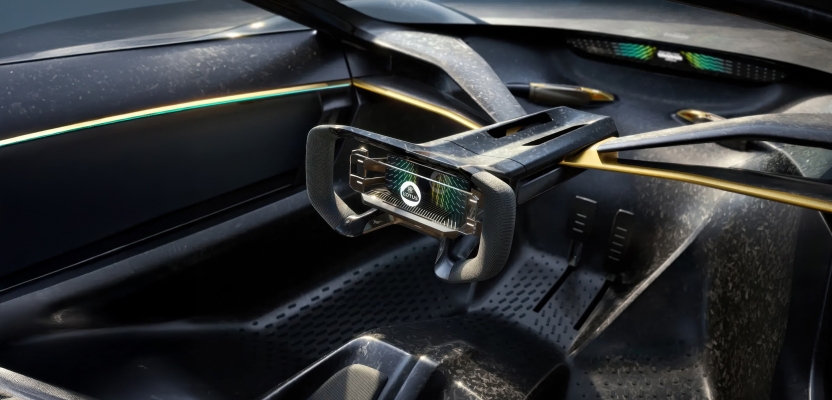

With nearly thirty years across games, film, TV, automotive and advertising, Creative and Art Director Jonny Severn has built a career defined by curiosity, discipline and a refusal to settle for the familiar. From an analogue childhood shaped by 80s pop culture to the first wave of home computing, his creative foundations were laid long before his professional journey began. Today, he brings that same mix of intuition, technical fluency and cultural awareness to his role at CEER in Riyadh.
In this interview, Jonny reflects on the formative decisions that shaped his path, the lessons he learned from collaborators who challenged his thinking, and the defining projects that taught him to trust his instincts under pressure. He also shares his approach to process, growth and resilience, offering clear and grounded advice for the next generation of creatives navigating an industry transformed by technology and accelerated change.
How did you first get into the industry?
 Although I studied illustration and design at college, I was mostly painting and drawing. I grew up at the start of the computer revolution, so by the time I left art college I already had a solid understanding of computers and how they could be used creatively. Jobs were thin on the ground for someone with “interesting” paintings, so I offered to work for local advertising companies, making tea and getting real experience. It turned out I was actually useful, and they ended up paying me. The design work came naturally to me (the tea-making less so).
Where are you based now and who do you work for?
I’m currently based in Riyadh, Saudi Arabia, working for a new, pioneering automotive company called CEER.
What is your personal background and what role did it play in your career?
I was born in the mid 1970s and grew up through the 80s and early 90s in a working class Midlands family. It was an analogue world where you had a handful of TV channels, a trip to the cinema, and whatever toys your mum would agree to buy you. Smaller world, stronger culture. Star Wars, Knight Rider, He Man, ET, early electronic music and all the rest wired my taste permanently.
Then the ZX Spectrum landed in 1984 and that was it. For the first time I could control what happened on a screen. The Atari ST and Amiga followed and suddenly you could draw, animate and make music on one machine. That mix of analogue childhood and the first digital wave shaped everything I do.
Fast forward and I have spent nearly three decades working across games, film, TV, automotive and advertising. The thread through all of it is simple. Be curious, learn fast, care about the details, and push things until they feel alive.
If you weren’t in your current industry, what would you be doing?
 In an alternative universe I’d probably have ended up as a long-distance runner or working in film production. I was good at creative stuff and good at running, so it could have gone either way. Choosing the creative path at around 13 was a very deliberate decision, and I now realise that kind of clarity at that age is pretty rare. I’ve always been an all or nothing sort of person. I’m a doer and I always have a project on the go, so whatever path I picked I would have thrown myself into it.
Can you explain your creative process? What makes it unique?
I’d argue that all creative work is really just process, and I change my process depending on the type of work I am doing. The process and the tools colour the content, so how you start and using programs you are not completely comfortable with often leads to more unexpected results.
Over the years I have learnt to think about the work before I touch a computer, even before any rough sketches. Letting your subconscious explore the problem while you are doing other things is usually where the real answers come from.
I also avoid looking at inspiration until I have a sense of what I want to make. Once I reach the early concept stage, I create a range of options that explore clear ideas that feel worth testing and appeal to me in some way. After that, once the intent is set, the work more or less makes itself.
How would you describe your style?
I don’t think of myself as having a single style, mainly because I work across so many industries and mediums. My work is simply a snapshot of what I felt the brief needed at the time and what I believed worked. If you keep doing the same kind of work in the same medium, you stop growing. Good design should push against formula and comfort. If you are not challenging yourself a little, you are standing still.
Which individuals do you gain inspiration from? Do you have any heroes in the industry?
 I’ve been lucky to work with a lot of people I admire, including the Stampers from Ultimate and Rareware. As a kid who grew up playing their games, that was a surreal full-circle moment. Another standout is John Dean, a very successful advertising creative. Traditional advertising was never a natural fit for me, but I jumped at the chance to work with John. He thought completely differently to me, and that challenged a lot of the ideas I was holding onto at the time. He values thinking before doing, and that left a real mark on how I approach the work.
What tips would you give to aspiring creatives looking for work?
Put simply, you have to aim high and be willing to put the hours in. It is arguable that I didn’t produce anything of real value until I had been in the industry for over 12 years. Stay hungry and keep taking on the next challenge.
One of the biggest dangers for a designer is finding a comfortable job or a nice title and thinking you have arrived. The moment you start believing that, you stop growing. Good work comes from staying curious, pushing yourself, and being willing to go further than the brief expects.
What tips would you give to other professionals to get more clients?
Running a business and being a good creative are two very different skills. But if you get genuinely good at something, deliver consistently and build a reputation for doing solid work, the clients usually follow. Contracts and recommendations are everything.
I take the work seriously, but I don’t take myself too seriously. People want to work with capable people they actually like and can collaborate with, so keep your ego in check and don’t get too precious about your work.
One of the best things I ever learned was the value of saying no. I’m not suggesting you bankrupt yourself, but turning down projects or people you don’t want to work with is a positive step. It helps shape the kind of work you do and the kind of clients you attract.
Can you share a memorable experience from your career journey that shaped your approach to creativity?
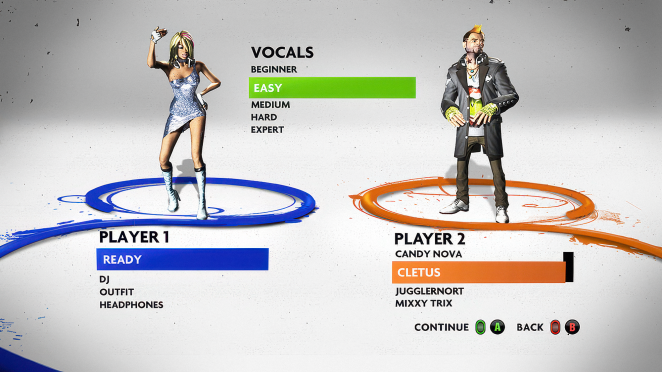
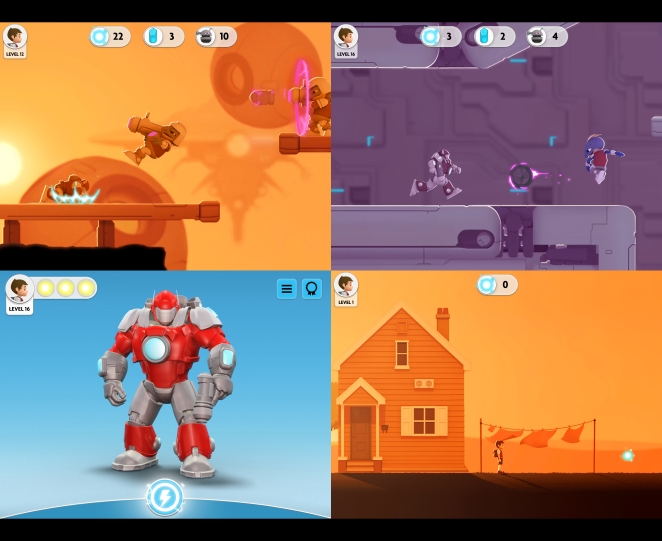 A pivotal moment for me was working on DJ Hero at Freestyle Games. I joined early in production on DJ Hero 2 and was responsible for the Front End, UI and HUD, which is a huge slice of a rhythm game. We had about six to seven months to get a AAA title out the door.
I pushed for a front end that felt different and more in line with mainstream entertainment, rather than copying other rhythm games. The FE concept was unconventional and technically demanding, and I was exposed and under pressure. The timelines were brutal and there was constant pressure to compromise, but I held the line.
That project proved to me what I could achieve by sticking to my guns, trusting my judgement, and working with the right people. It showed me that you can deliver things that look impossible on paper if you commit to them.
What kind of tools/kit/software could you not do without?
Photoshop, Illustrator and a pen and pencil are the essentials for me. I can do most things with those. I’m also a big fan of Gigapixel 8 for upscaling
What’s your secret to staying inspired and motivated?
I live and breathe culture and creativity, so I’m naturally interested in making cool and interesting things. That curiosity keeps me going. If you start losing momentum or energy, it’s usually a sign you need to change something in your work or environment
What’s the work achievement you’re most proud of?
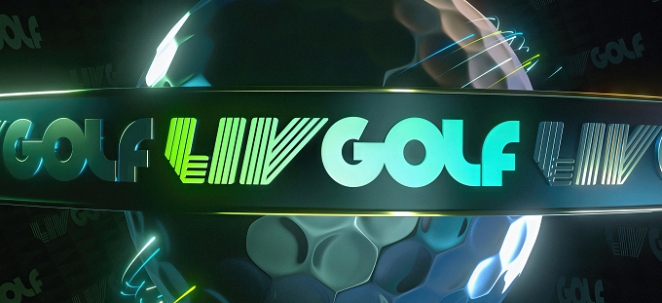 My successful work and the work I personally like don’t usually line up. But in recent years I’m proud of the work I did with Territory Studio for LIV Golf. It is rare to be part of something that genuinely disrupts an industry. The all-at-once format brought an F1-style energy into golf and challenged the traditional version of the sport in the same way Twenty20 shook up cricket.
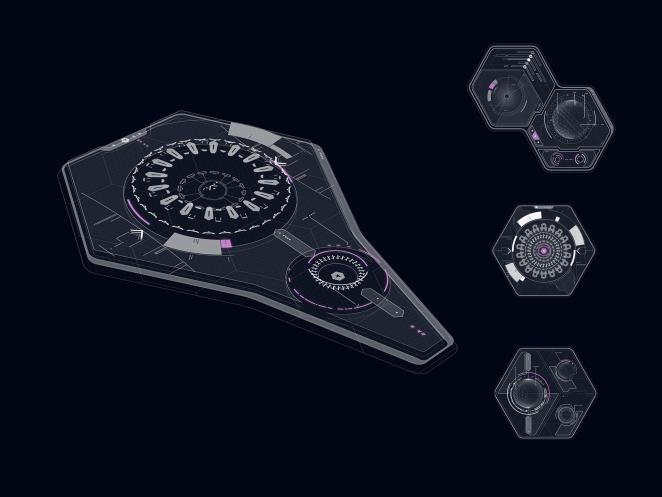
Territory put together a top-tier team for the broadcast graphics, and it was a privilege to work with such talented, organised people. With my background in games and modern UI, I ended up designing the position totem that became a defining part of the coverage, expanding to reveal player and team info. I also developed concepts for the shot-tracking and putting-green overlays, pulling a lot of influence from gaming UI.
It was one of those projects where I had a good feeling all the way through, and Territory absolutely delivered.
As someone with experience in the industry, what trends do you foresee shaping the future of creativity?
The obvious elephant in the room is AI, and there is no escaping it. But whatever happens, we will always need people with ideas, taste and a good eye. AI will naturally recycle and reform the past, so it’s up to creatives to use it on their terms, build it into their process and push it somewhere new. Creatives need to lead it rather than be led by it, otherwise everything slides towards the familiar and the bland.
What do you think sets apart truly exceptional creatives from the rest of the pack?
Truly exceptional creatives tend to be interesting people before anything else. They stay curious, pay attention to culture, and follow things that genuinely excite them. They also keep pushing past what feels safe or familiar instead of settling. That mix of curiosity, taste and a bit of restlessness is usually what separates them from everyone else.
How do you think technology has influenced the creative industries and how have you adapted to these changes?
Change is constant, so you have to keep reviewing and adopting new software and technology as it arrives. In recent years I’ve added Figma and Rive to the projects I’m working on, but they are mainly production tools. Figma is great for collaboration but it is pretty restrictive creatively, and it can be limiting if young designers rely on it too much, the same way people once became masters of QuarkXPress or Flash. Showing my age there.
I’ve also started bringing AI into my process, but mainly to speed things up, improve quality quickly and explore ideas faster. At its core my process is still the same. I just pick up new tools when they genuinely help the project.
What is the one thing that you would change about the industry?
 I don’t pay too much attention to industry noise or trends. I prefer to focus on the project in front of me and the people I’m working with. I’m also not a huge fan of the performative side of business culture on social platforms. There is a lot of projection and empty talk out there, and I’d rather put my energy into the work itself.
Any websites, books or resources you would recommend?
I can only really recommend things I genuinely like.
WipEout Futurism: The Graphic Archives by Duncan Harris
The Art of The Creator: Designs of Futures Past by James Mottram
The Animator’s Survival Kit by Richard Williams
Any photography by Bill Brandt or Ansel Adams
Those books and artists have a strong sense of craft, world-building and visual clarity. They are all worth spending time with.
The Artist as Photographer January 9th, at dawn
Gr8 read, thanks, Jonny...