

In the realm of creative advertising, authenticity can make all the difference, and no one understands this better than Harman Randhawa, Deputy Managing Director at krow Group. Tasked with refreshing the beloved British South Asian brand Elephant Atta, Harman and his team dove deep into the cultural heart of their audience.
Through real-life connections, unscripted moments, and a campaign that celebrates the humble chapati, krow Group managed to craft a poignant narrative that brings families together. In this exclusive interview, Harman takes us behind the scenes of the campaign, sharing his insights, challenges, and the authentic magic that made it all possible.
What was the brief?
Elephant Atta, the UK’s leading atta flour brand holds a prominent position in millions of British South Asian homes. To ensure it remains relevant to its customer's ever-changing habits and needs, the brand wanted to cement its presence with its diverse audience.
We were tasked with cementing Elephant Atta’s relationship with its target audience, both young and old, reminding them of its relevance in their lives.
How did the initial pitch/brainstorming phase go?
As I’m part of the target audience, to gather insights and to kick off brainstorming, I spoke a lot with my family and friends about the challenge we were looking to solve – which was all around building love and awareness for the brand.
After that, I wanted to ensure that the creative team working on the project understood the audience and British South Asian culture. To get everyone in the right mindset, I organised a chapati-making session at my house – it was great! My family was there teaching the team how to make them, and everyone got involved.
What was the biggest challenge during production? How did you overcome it?
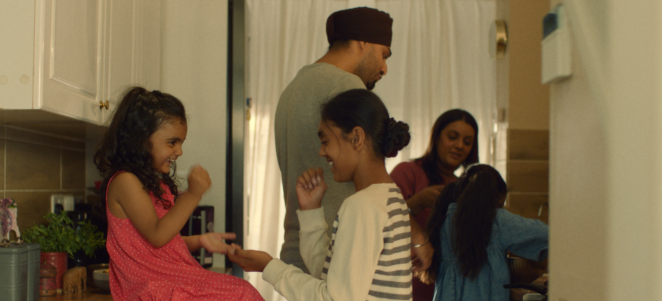
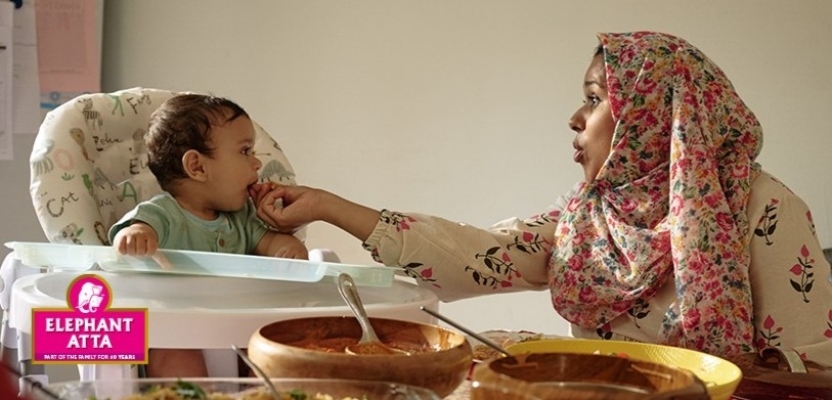
The biggest challenge was maintaining authenticity throughout the process, especially when it can be easy to slip into an adland way of thinking, where films can be deliberately overdramatic. There’s a time and place for dramatics but it didn’t feel right for this campaign. To ensure authenticity and cement Elephant Atta in our target audience's lives, we featured real families and people from the audience in the film.
We didn't use any scripts or storyboards; instead, we focused on getting to know their personalities and making them comfortable with a film crew in their homes. By showing that we understood the audience and their rituals, we were able to establish a strong connection with them and bring out the best in real people.
What is one funny or notable thing that happened during production?
A couple of things happened, but one that stood out was that our Creative Director (who's not from a South Asian background) really got involved, and especially enjoyed making the chapatis. At one point, he was sharing photos of him making the chapatis, which I was showing my mum. Whilst I was working from home my mum would also listen in on my teams’ calls when we were discussing the project.
She loved providing ideas and suggestions for the campaign that I went on to share with the team. This then created a funny role reversal, in which the Creative Director was sending pictures of his chapatis to my mum, and conversely, I was sending my mum’s ideas to the Creative Director. It was pretty amusing to observe!
What's the main message of this project and why does it matter?
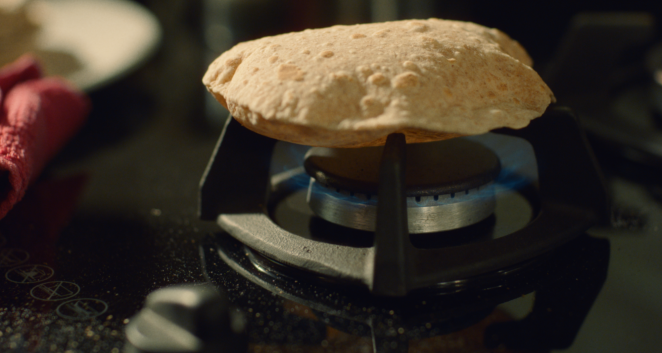
The main message of the campaign was to emphasise authenticity and bring the audiences together. Taking these elements into consideration – and from our experiences at the start of the process – we decided to put the Kaar di roti (roti of the home) front and centre.
We recognised the emotional value of the roti, It's similar to that of a roast on a Sunday for some, so we really wanted to celebrate that sentiment. To show the role Elephant Atta plays in this, the creative team leaned on the roti’s power to evoke deep-rooted emotions, connecting generations, and bringing families together.
How long did it take from inception to delivery?
It took about 6 months. But because I knew the target audience well, I didn't require that extra bit of research, so we saved some time there.
How did you ensure that the concept aligned with the brand's values, goals, and target audience?
Elephant Atta is all about nourishing that feeling of home, and by placing the rotis at the centre of the campaign, it reinforced the brands’ goal that atta flour is passed down through generations and revered for its authenticity.
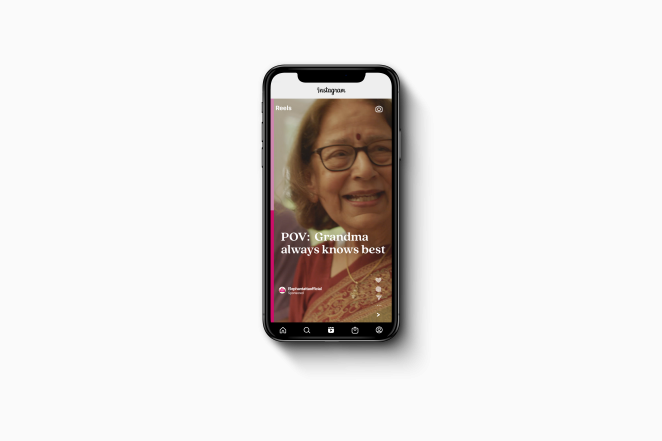
This message was strengthened through various formats, including tailored messaging and artistic partnerships, all to help the advert target the key audiences.
Can you discuss any collaborative or interdisciplinary aspects of the ideation process, such as working with other departments or external partners?
To amplify the campaign’s emotional resonance, we enlisted the talent of Raxstar, an international Asian music superstar. To serve as an ode to the brand, his heartfelt poem voiced over a TV commercial, perfectly captured the essence of Elephant Atta, its role in creating memories and its place as a cherished companion in South Asian households.
Can you discuss any unique or unconventional production techniques or approaches used to bring the idea to life?
I mentioned this earlier, but for the film, we used real people (not actors), and it was important to observe the families closely to ensure a natural feeling was depicted in the film.
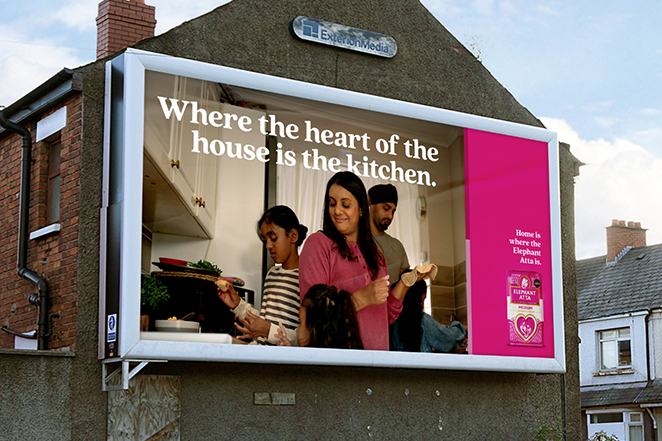
We wanted the footage to be truly representative of the target audience, which is why we worked so closely with the families. The process of observing and building a relationship with them was something new for me in advertising, so it made this production unique.
How did you ensure that the concept remained innovative and stood out in a crowded marketplace?
By immersing ourselves in the authentic lives of British South Asian families and capturing genuine, everyday moments shared in their homes, we crafted a 60-second TV commercial that resonated deeply with the audience.
The ‘Home is where the Elephant Atta is’ campaign celebrates the intimate, unscripted interactions that occur around the kitchen table, reinforcing the brand's connections to the cultural heart of its consumers’ lives. Filming in real family homes added a level of authenticity that allowed viewers to feel a personal connection to the story, enhancing the brand's presence in their everyday lives.
What do you hope it achieves for the brand?
I really do believe that the campaign serves as a testament to the power of authenticity and emotional connection in marketing. By capturing the essence of chapati as a symbol of family, tradition, and togetherness, the campaign aimed to rekindle the brand's relevance and solidify its position as the heart of British South Asian cuisine.
Credit list for the work?
Creative Director: Mark Lees
Copywriter: Kieran Ainsworth
Collaborated with: Raxstar
Business Lead: Harman Randhawa
Production: Knucklehead
Director: Hugh Rochfort