

Kara Hamilton never set out to follow the conventional path into advertising and it shows in the work she creates today. From starting out as a river guide and lifeguard to shooting her own fashion editorials on the side, Kara’s eclectic background has shaped a creative approach that’s equal parts adventurous and instinctive.
Now working freelance as the founder of Seaglow, she brings together directing, creative direction, and experimental photography to craft campaigns that shimmer with magic, femininity, and unexpected beauty.
Whether leading a women’s golf platform for Footjoy, directing a falcon on set for Darn Tough, or weaving surrealism into her photographic practice, Kara is constantly searching for ways to make the everyday extraordinary.
How did you first get into the industry?
I have a BFA in Printmaking after first going to school for Parks & Rec and spending “class” learning how to start fires while backpacking in the desert.
After graduating, and unsatisfied with my first design job out of college, I started shooting fashion editorials in my free time, reaching out to other young designers, MUAs and models. And it was that photo work that got me noticed by a hiring team and essentially kicked off my career in advertising at an in-house beverage agency.
Where are you based now and who do you work for?
I am currently based in Denver, Colorado but travel all over for productions, and I recently have gone freelance full-time as the founder of Seaglow, doing a mix of directing, creative directing, and experimental photography.
What is your personal background and what role did it play in your career?
I definitely don’t have a traditional advertising background. I spent time during school as a river guide, and have worked many odd jobs in the past as a lifeguard, baker, event manager, photography instructor, etc. I think that having this multitude of different experiences gave me a unique perspective that I bring to my creative.
Also I’ve always had a love for photography, where I started taking pics at an early age while on family road trips. My personal photo work led to my first real advertising job, and my love for photography shaped my visual-first approach with art direction, and also led to my love of film and the world of production.
If you weren’t in your current industry, what would you be doing?
Probably a river guide or a beach lifeguard.
Can you explain your creative process? What makes it unique?
Once I start a project, I dive in deep and fast, and my process looks a bit messy and chaotic at first. I often am building moodboards while simultaneously cracking the big idea or story behind the campaign. I believe in being really fluid and oscillating between the visuals, the words, and the strategy at the same time.
The sooner I can get a project to rest in the back of my mind, the sooner I can both consciously and subconsciously get the idea to develop. I believe you need to do the work, but then also listen during the “non-work” moments. There’s been so many times that an unrelated show, book, or conversation has cracked a work idea for me.
I feel like each project is a chance to think about something in a new, meaningful way, and that it’s more about putting the antennas up and collecting thoughts, ideas, and visuals as soon as possible in order for the best ideas to ultimately click.
How would you describe your style?
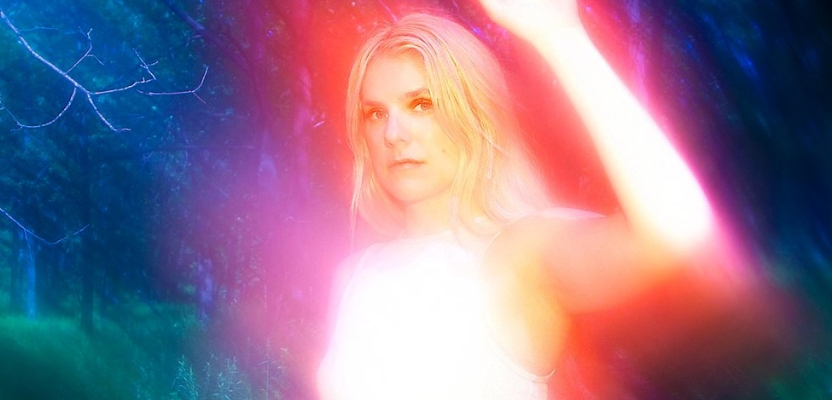
My style is all about bringing a bit of magic into the everyday, oftentimes through my own feminine perspective. I like something a little surreal and unexpected, whether that’s through a more poetic or humorous lens. And I love colored lighting ????!
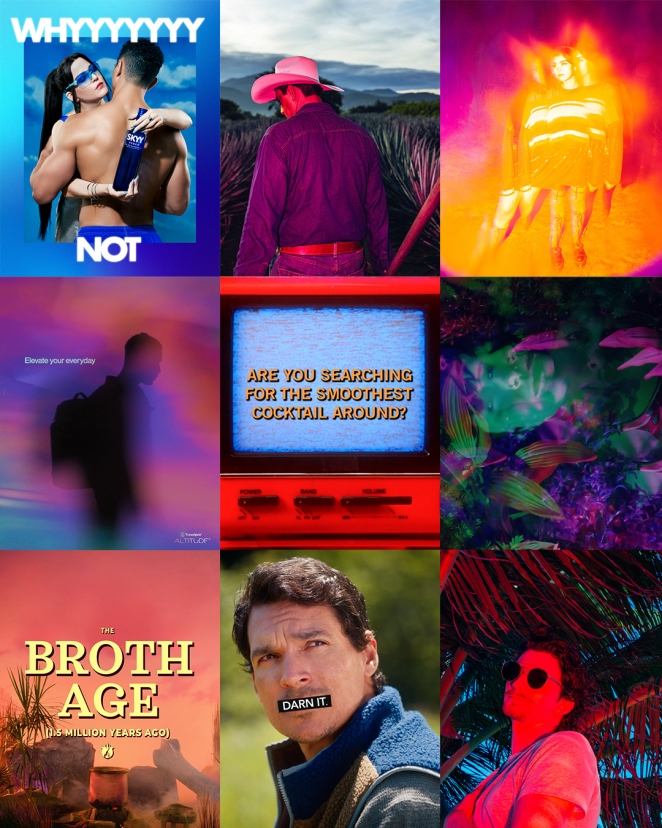
I led the creative direction and video direction for Mijenta Tequila, a sustainable, women-led brand that wanted to inspire through nature. This project was the perfect trifecta for me of expressing through nature, magical realism, and femininity.
Which individuals do you gain inspiration from? Do you have any heroes in the industry?
Benoit Paillé, Petra Collins, Andy Goldsworthy, Erik Madigan Heck, Katsuhiro Otomo. I love anything that feels a bit surreal, magical, or that points to deeper mysteries beyond the everyday.
What tips would you give to aspiring creatives looking for work?
Tell everyone you know! Seriously - start telling people you’re interested in the industry, commit to coming up with ideas and personal work on the side when you’re waiting on paid work, and collaborate or volunteer with other like-minded creatives. It can feel so abstract and overwhelming early on, but you’ll be surprised how once you start putting yourself out there people will start doing what they can to help.
What tips would you give to other professionals to get more clients?
I would say to never be afraid to weave in your own aesthetics and creative instincts into commercial work. It’s been a recurring theme in my career that making personal work has led to paid client work.
It can feel so scary (especially early on) to bring your style into professional work, but later on you start realizing that it happens to an extent regardless, and the more you empower that personal style, the more people will seek you out because of it.
Can you share a memorable experience from your career journey that shaped your approach to creativity?
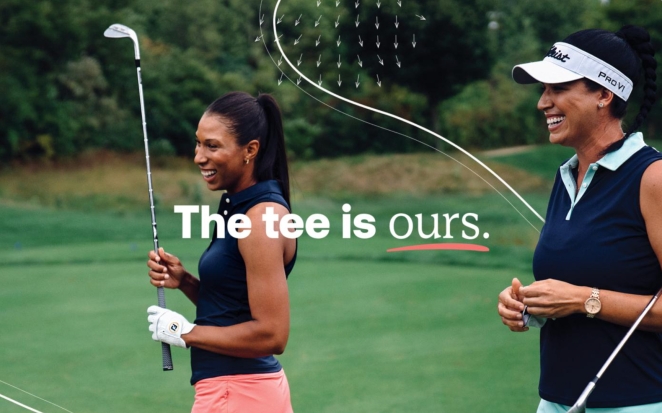
Leading the women’s brand platform work for Footjoy golf was a significant turning point for me creatively. There was an added meaning behind the brand actively wanting to put time and effort into a demographic that has had a complicated history and has been so overlooked in the game of golf. And this led to our team bringing extra intention into how we approached the work and the production.
With the brand historically using catalog models to play pretend golfers, we set out to find real and amazingly talented POC athletes. We interviewed a mass of real consumers to figure out what they really wanted to see, and dug deep into insider moments on the course that helped our women golfers feel truly seen and heard.
We even led the production differently, assembling a women-led crew, which resulted in a really special experience where the athletes told us that they felt like they could truly be themselves and really appreciated how we stacked the crew that day. I think this whole experience made crystal clear to me that how you choose to make the work is just as important if not more important than the end result.
What kind of tools/kit/software could you not do without?
Photoshop, Premiere, Bridge, Are.na, Pinterest, Eyecandy, my camera, colored lights/gels, and lots and lots of random scraps of paper.
What’s your secret to staying inspired and motivated?
There’s so many incredibly talented creatives out there, that it’s never been easier to find new artists’ work that excites me and keeps me motivated. Whenever I’m feeling stuck I know it’s time to watch a new movie, show, or dig around on Pinterest. I also pull a lot of inspiration and strength from going out in nature and turning down the volume on everything else for a bit.
What’s the work achievement you’re most proud of?
Obviously directing a falcon on set for Darn Tough! That video production was such a fun blend of narrative directing on a super tight schedule, where I had to land technical gags, direct multiple animals and people, all while being out in the elements. It was such an ambitious shoot but the crew and clients were so incredible, which made the result and the whole experience so much fun.
What do you think sets apart truly exceptional creatives from the rest of the pack?
I think exceptional creatives really practice listening and acting on their own creative instincts and visions. I think you need a level of conviction (and sometimes a dose of delusion) to shut out all the ways something could not work out in order to make something great.
How do you think technology has influenced the creative industries and how have you adapted to these changes?
I think technology allowed creative industries to make work so much quicker, meaning timelines have shrunk while expectations on quality have continued to grow. I think this has made me a pretty fluid creative.
Sometimes I have such limited time on a project, and you know you want to give it your best, but also the speed of everything helps a person like me not over-ruminate and frees me up to have a little more fun in the process.
What is the one thing that you would change about the industry?
I wish that more brands were willing to put something out into the world that’s not necessarily “safe”. I think it’s easy (especially the more people that become involved) to backpedal and water down work when it starts feeling different or a little strange, but when people are willing, it always leads to something exciting and amazing.