

Mike Ellery, Chief Creative Officer at Sparks, is no stranger to pushing creative boundaries while balancing the demands of the events industry. From his humble beginnings in a small startup in Sydney, to mentoring some of the industry's brightest minds, Mike’s journey is a testament to the power of perseverance and passion.
In this interview, Mike shares his unique perspective on leadership, creativity, and the challenges of staying true to one’s vision while navigating a rapidly changing industry. Join us as we delve into his world, where imagination meets the practical realities of modern creative work.
Tell us a bit about your role! Is there a “typical” day?
My role involves wearing a variety of hats — from the avant-garde to the practical hard hats required when making tough business calls. As CCO, I find myself moving between moments of pure creative inspiration, pushing the boundaries of what’s possible with our talented team, to navigating complex business decisions that shape the direction of our work.
There’s no such thing as a typical day, though the event industry follows some seasonal cycles. The fast-paced nature of our world guarantees that no two days are alike.
What was the biggest challenge in getting to your current position?
Despite moving countries and relocating for work twice, my biggest professional challenges have been rooted in the distance I’ve had to travel across roles, industries and ideas - rather than anything geographical.
I started in a small, four-person special events startup in Sydney, Australia, where I wore all hats—designer, builder, truck driver, installer, and more. From there, I worked for general contractors, exhibit houses, freelanced, and moved from and moved from Australia, travelled for a year, landed in the UK and eventually moved to the USA.
Every role taught me something new about creativity and the industry itself, and I’m still learning.
What is your personal background and what role did it play in your career?
I grew up as the middle child of education professionals. My father was an Industrial Arts Master, and my mother worked in the same school office. During long vacations, we worked on my extended family's farm, restoring old cars, fixing things, and building whatever came to mind.
These experiences deeply influenced my approach to design: working with what you have, applying imagination, and finding creative solutions to any challenge.
What is your biggest career-related win? What is your biggest loss?
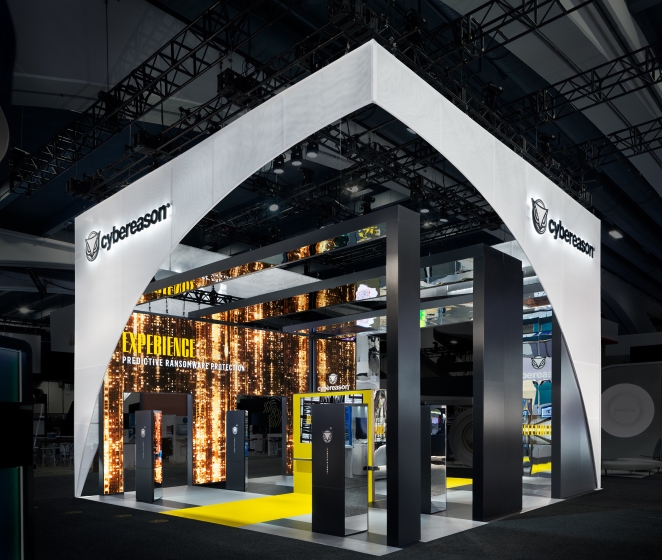
My biggest win? The people I’ve had the privilege to mentor and collaborate with who have gone on to do extraordinary things.
As for losses, there are always the jobs you didn’t win. Sometimes you see the final product and think, “Why that direction?” Creative should always lead the decision-making, but there are so many other forces at play.
Which individuals and/or agencies do you gain inspiration from? Do you have any heroes in the industry?
I’m always inspired when collaborating with other agencies. The collective energy, where ideas bounce off each other and build into something bigger than any one person could imagine, is incredibly rewarding. My heroes are those who recognize that there’s room for everyone in the creative industry and understand the power of pulling together to create something exceptional.
What advice would you give to your younger self?
Learn to turn work off when you can. The more accessible work becomes, the harder it is to step away from unsolved problems. Finding a hobby or sport that demands your full attention is crucial — I only figured that out in the last decade, and it’s made all the difference.
If you weren’t in your current industry, what would you be doing?
Something connected to the ocean. It’s been a lifelong passion that got sidelined as my career took off, but I’d love to be closer to the water.
What’s your one big dream for the future of the industry?
Sustainability. We have a responsibility to use our creative superpowers for good. The temporary structures and designs we create need to leave a lasting positive impact, not just on the environment but on people’s lives.
What are your top tips for aspiring creative professionals?
Patience. You need time to build skills and knowledge.
Curiosity. Always explore more — a wide-ranging perspective leads to better design solutions.
What are your top tips for other creative leaders?
Challenge your team. You’re not here to train creatives to do what you would have done — they should go beyond that.
Teach people how to think critically, not just what to think.
Empower them to make decisions, and then step back and listen. (And keep your ego in check!)
When you think about your team, what matters to you the most?
Satisfaction. Ensuring that everyone gets what they need from their role — whether it's creating cutting-edge work or knowing their schedule well enough to spend time with family. It’s all about balance.
How do you approach collaboration with other creatives or teams? What makes for successful partnerships?
Great creative leaders identify and nurture the best ideas, helping them grow. Successful partnerships happen when there’s trust, respect, and an openness to absurd, fantastic, or deeply personal ideas. Listening is key, and humility is a must.
What industry trends do you foresee taking hold in the coming months?
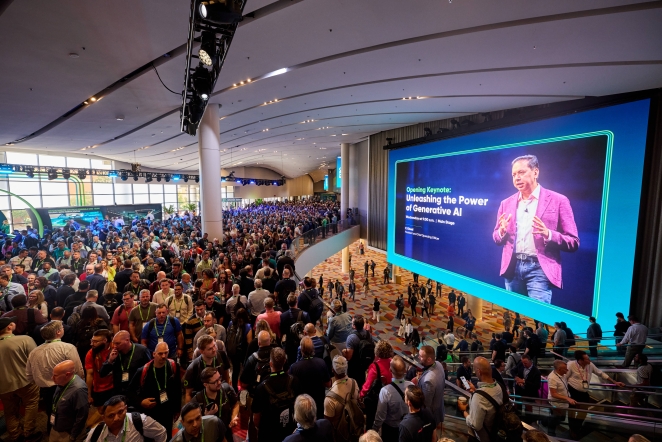
Empathy is shaping the future of audience engagement. With enhanced tech, we can deliver personalized experiences, allowing each person to have their own unique interaction within the same environment.
What do you think sets apart truly exceptional creatives from the rest?
The ability to deeply listen and interpret the project’s needs, lead a team with purpose, and step back when needed. They combine personal experience with diverse, empowered teams — plus, they’ve got a solid hat rack for all the different roles they play.
How do you think technology has influenced the creative industries, and how have you adapted?
AI is now taking on the repetitive tasks — much like CAD did 25 years ago. It’s democratized certain skills, making ideation more accessible. The core creative vision still drives the work, but the tools have improved. We’ve integrated AI where it makes sense, streamlining our process without losing that human touch.
How do you prioritize self-care and maintain work-life balance?
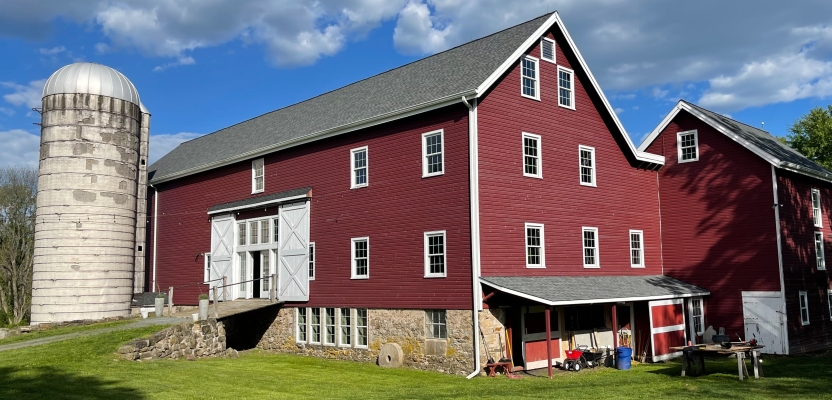
We bought a farm 10 years ago, which gives me green space, animals, and hands-on projects that keep me grounded. It’s physical work that clears my mind and provides a much-needed break from the creative grind.
How do you handle creative blocks or burnout?
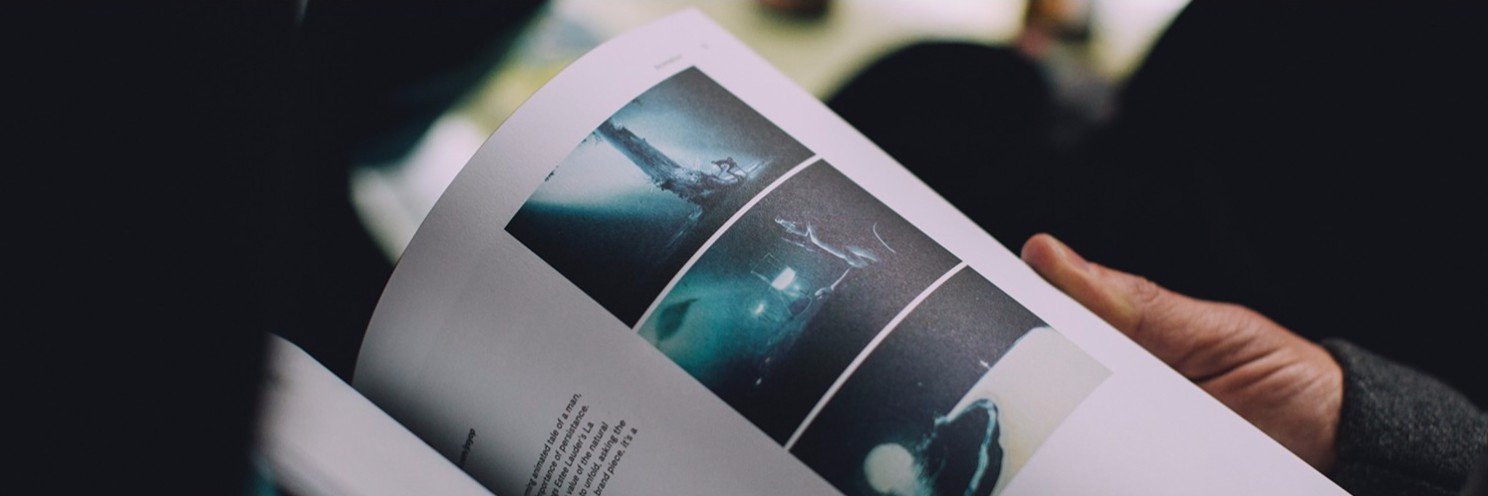
Creative blocks? Not as much of a problem these days. Early in my career, a mentor would pull a design magazine off the shelf and point to a random page, saying, “This is your creative direction, now run with it.” It worked. As for burnout, I took a 7-week sabbatical after 7 years at Sparks. Stepping away gave me clarity, and I highly recommend it to any creative leader.
Can you describe a moment when you had to think outside the box to overcome a creative challenge?
This question is unfair to boxes! A well-proportioned box can be a perfect solution. Often, it’s not about thinking outside the box but understanding the box and innovating within it. Sometimes, we rewrite the brief or redefine the problem to better serve the client — that’s when the magic happens.