

Angela Gigica’s journey into the creative industries is defined by persistence, adaptability and an unwavering belief in the power of craftsmanship. From her early days in Cluj-Napoca, Romania, to building a career in the UK, she has carved out a multidisciplinary path as a Motion Designer, Art Director and Illustrator. Her foundation in Textile Arts and Design continues to shape her approach, blending tactile sensibilities with digital precision.
Now based in Leicestershire, Angela collaborates with agencies and direct clients across the UK and internationally. Her work is grounded in strategy as much as aesthetics — driven by a clear ‘why’ behind every creative decision. By merging fine art curiosity with technical experimentation, she delivers motion and design work that feels both commercially sharp and distinctly human in an era increasingly shaped by automation.
How did you first get into the industry?
 I began in Cluj-Napoca (Romania) where I supplemented my MA in Visual Art and Design studies with a web design course. I got my start job in web design and retouching in Cluj-Napoca, later breaking into the UK industry as a Junior Designer for Al Jazeera English. It was a journey of hundreds of applications and a lot of grit, but it laid the foundation for my versatile creative approach.
Where are you based now and who do you work for?
I am now based in Leicestershire (UK). I work with agencies and direct clients in London, across the UK and abroad.
What is your personal background and what role did it play in your career?
Growing up in a working-class family in post-communist Romania, I was raised with the belief that education and a relentless work ethic are the keys to unlocking a world of opportunity. My education background is in Textile Arts and Design and that’s fuelling my enduring passion for the tactile. Whether through drawing, collage or physical making, I carry that appreciation for craftsmanship into every digital project I touch.
If you weren’t in your current industry, what would you be doing?
 In another life I’d be working with animals, maybe as a vet or animal behaviourist.
Can you explain your creative process? What makes it unique?
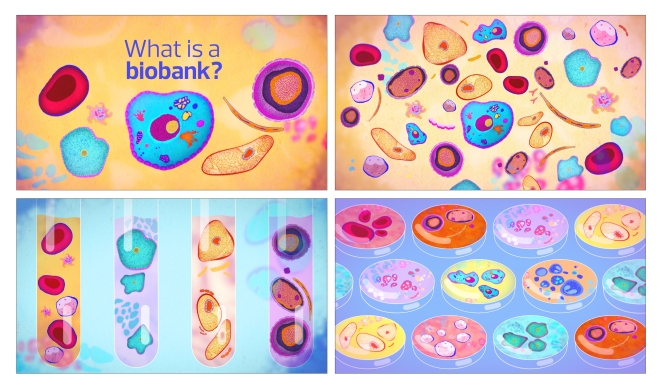
I believe a clear 'why' is the foundation of any successful project. I advocate for the brand by questioning how every creative choice, from character design detail to animation style, contributes to the overarching message. My process is unique because it blends this strategic rigor with the curiosity of a fine artist. I dedicate time to creative play and technical experimentation, ensuring my commercial work is always informed by new, innovative perspectives.
How would you describe your style?
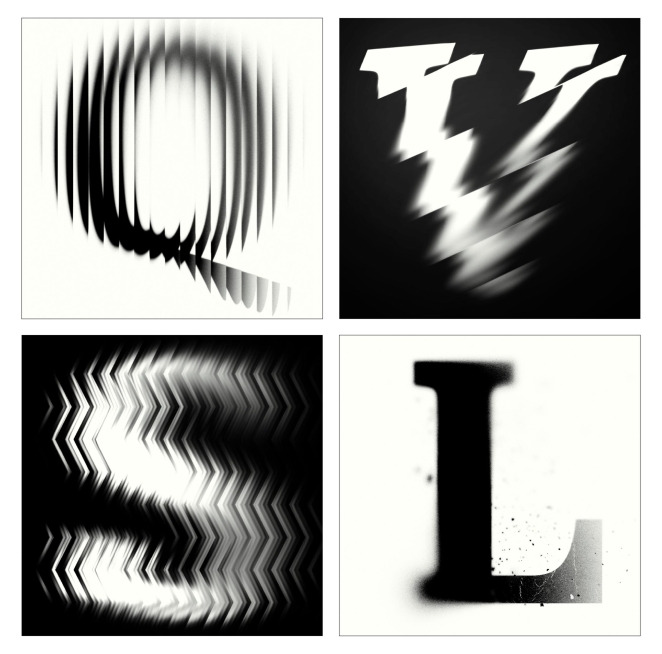
I offer an eclectic, bespoke style that adapts to the brand’s voice. I’m also very transparent about my capabilities; I know how to push my creative boundaries, but I’m equally comfortable handing over the reins when a project calls for a niche style or technical expertise outside my primary toolbox.
Which individuals do you gain inspiration from? Do you have any heroes in the industry?
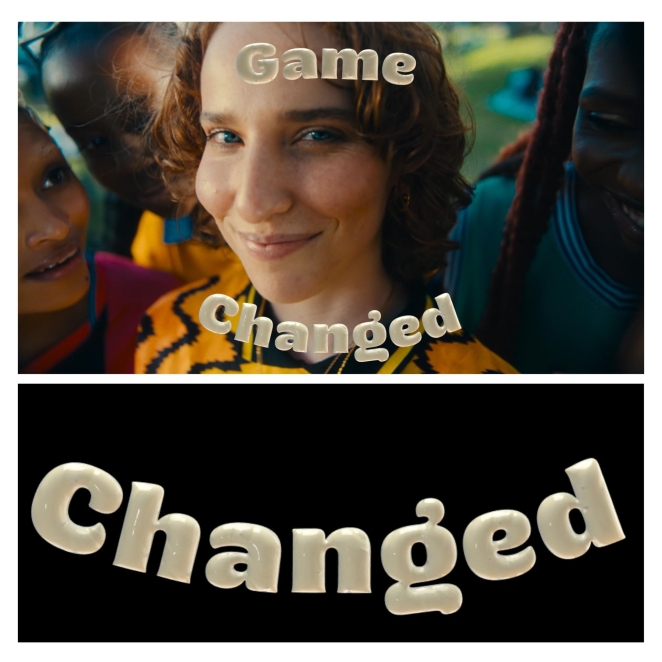 I’m inspired by a wide range of creators, but I find myself returning to the strategic brilliance of industry icons like Michael Bierut, Marina Willer and Jessica Walsh. When it comes to motion and technical experimentation, I closely follow the work of Karen Cheng, Mat Voyce, and Ben Marriott (amongst others). Their mastery of After Effects and innovative animation styles constantly pushes me to refine my own technical toolkit.
What tips would you give to aspiring creatives looking for work?
The best tip I can give is to get out of your own way. Stop waiting for the 'perfect' project and start publishing what you have. Combine that output with proactive networking: attend events, keep in touch with former colleagues, send lots of emails and stay curious. In this industry, visibility plus persistence equals opportunity.
What kind of tools/kit/software could you not do without?
I couldn't function without the Adobe Creative Suite and my graphics tablet. The tablet is an extension of my hand. I recently worked a short stint using only a mouse and felt completely grounded! Beyond the hardware, my most vital 'tool' is actually pen and paper. That’s how the real work starts with a pen and a printed script; scribbling and sketching are how I translate words into a visual plan.
What’s your secret to staying inspired and motivated?
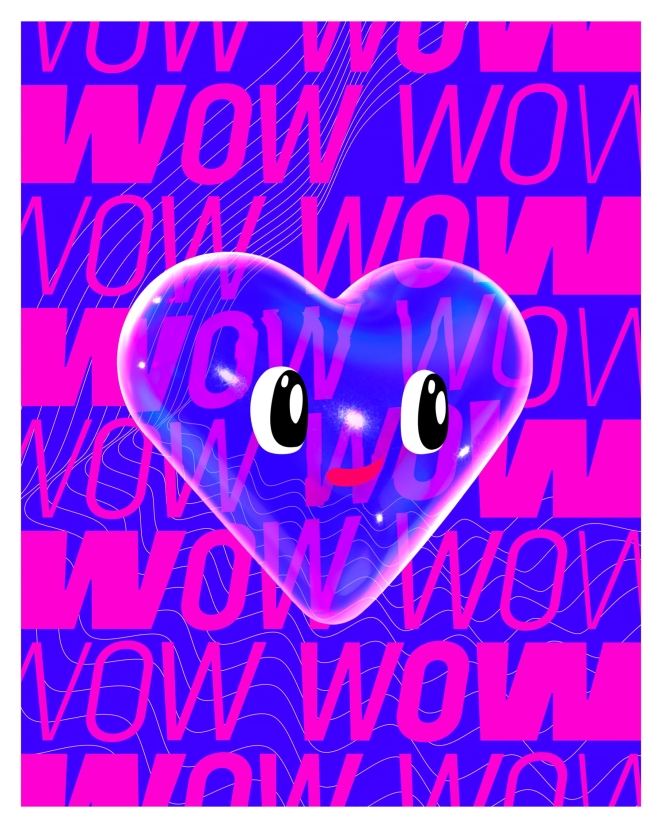 My secret is maintaining a high level of curiosity that extends far beyond the design world.
I find that the most interesting solutions come from observing life in general: architecture, nature or human behaviour. Stepping away from the screen allows me to bring a fresh, multidisciplinary perspective back to my graphic design work
What’s the work achievement you’re most proud of?
I find the most pride in my latest work because it reflects my most up-to-date creative evolution. For me, achievement is about refinement; I take the lessons from every past project and pour them into the current one. This keeps my perspective fresh and ensures that my best work is always what I am creating right now.
As someone with experience in the industry, what trends do you foresee shaping the future of creativity?
While Generative AI is a dominant trend today, art history shows that every movement sparks a counter-movement. As the market becomes saturated with 'perfect' AI-generated imagery, I believe there will be a movement toward a handmade, analog aesthetic. While AI will remain a vital tool for efficiency, brands will increasingly value the tactile, intentional creativity that only a human touch can provide to truly stand out.
What do you think sets apart truly exceptional creatives from the rest of the pack?
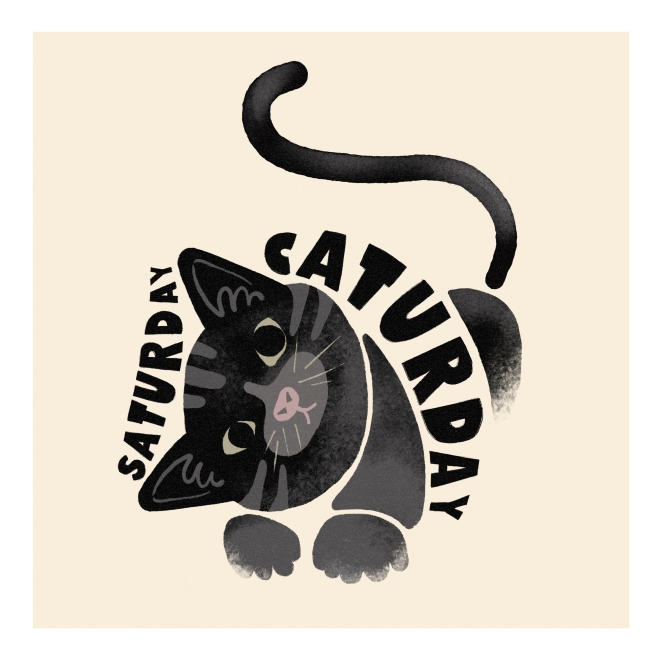 In such a competitive industry, I think persistence and resilience really make the difference. Exceptional creatives possess the stamina to keep pushing through challenges and the self-assurance to trust their methodology. By staying grounded in their values, they produce work that feels authentic and purposeful, rather than just technically proficient.
What is the one thing that you would change about the industry?
I would change the landscape of leadership to be more representative. I’ve too often been the only woman in the room, which underscores the need for more female creatives, leads and directors. I’d normalize diversity in high-level roles and dismantle the gender pay gap. When leadership is diverse and equitable, the work becomes more authentic, and the industry as a whole becomes stronger.
Any websites, books or resources you would recommend?
My library is a mix of philosophy and practice. I love Beauty (Sagmeister & Walsh) and Annie Atkins’ work on film props for their celebration of the pervasive power of design. For my specific motion work, Richard Williams’ The Animator’s Survival Kit is one of my constant references. I believe that even in a digital-first industry, we must ground our work in classic animation principles to create truly impactful movement. For day-to-day visual research and mood-boarding, I still rely heavily on Pinterest.