
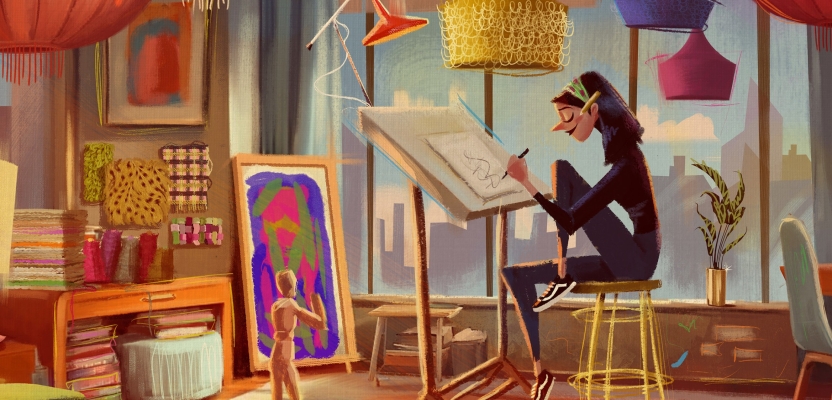

Italian illustrator Margherita Ende (Margherita Golfetto) has built a distinctive creative practice shaped by curiosity, experimentation, and a love for visual storytelling. With influences ranging from vintage advertising and classic animation to contemporary character design, her work combines stylised forms, bold colour, and emotional warmth to transform complex ideas into engaging visuals.
Based near Venice, Margherita works as a freelance illustrator across editorial, advertising and brand projects, collaborating with clients internationally. In this interview, she reflects on her journey from comics and storyboarding into illustration, how fast-paced advertising helped refine her visual language, and why authenticity and storytelling remain essential in an evolving creative industry.
How did you first get into the industry?
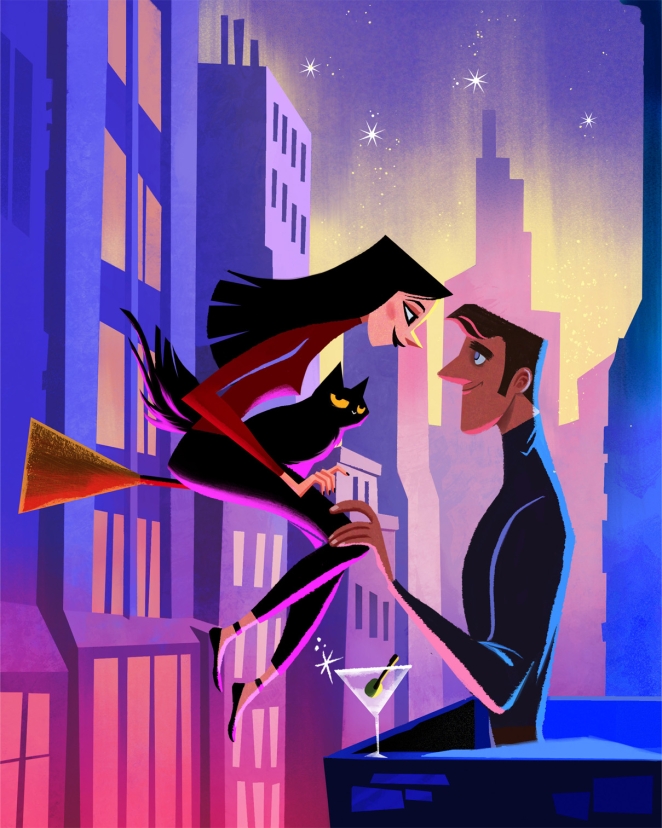 My first professional opportunity came when an author discovered my work on Instagram and contacted me to illustrate a children’s book. I really enjoyed the experience, and it encouraged me to pursue illustration more seriously.
At the beginning I reached out to many publishers on my own, but I quickly realised how challenging it was to access the industry without support. I then signed with a New York–based illustration agency, which was not always an easy experience but proved to be incredibly formative. Through that collaboration I began working with my first clients and gaining a clearer understanding of the professional world.
My career started in children’s publishing, and that early experience laid the foundation for the visual language I continue to develop across different fields today.
Where are you based now and who do you work for?
I am currently based in Italy, near Venice, where I work as a freelance illustrator. My practice spans different fields, including editorial, advertising, and brand-related projects, and I collaborate with clients both locally and internationally.
What is your personal background and what role did it play in your career?
I have always been passionate about visual storytelling, from comics and animation to cinema and fashion. Comics were my first inspiration and initially led me towards an artistic career. After graduating from an art academy, I attended a comic course where I learned storyboard techniques, which later became an important skill in my work.
A few years later I began working as a freelance storyboard artist for an advertising studio, which gradually evolved into illustration and concept work for campaigns. At first the fast pace of the industry did not immediately resonate with me, but it became a decisive turning point for my visual language. The need to deliver quickly pushed me to simplify and stylise my work, leading to the development of the style I use today.
I started exploring ways to bring warmth and personality into commercial projects, drawing inspiration from vintage advertising and the animation style of the UPA studio from the 1960s, while experimenting with colour and form to create something more contemporary. Today I genuinely enjoy working in advertising, and that period of experimentation shaped the direction of my career.
If you weren’t in your current industry, what would you be doing?
 It might sound unexpected, but I’ve sometimes imagined being a flight attendant! mainly for the travel. I’ve always been very curious about the world!
Can you explain your creative process? What makes it unique?
Everything usually starts with carefully reading the brief, followed, whenever possible, by a long walk outdoors. Walking helps me think, imagine and explore different visual solutions before sitting down to work.
Back at my desk, I begin researching references, mainly online, but I also enjoy browsing magazines or books from my personal collection. I then move into brainstorming, writing down ideas, sketching, and experimenting with shapes and colour until I develop the strongest concepts. Once a direction is approved, I move forward with the final artwork.
What makes my process distinctive is the way I focus on simplification and emotional warmth. I like transforming complex or abstract themes into images that feel approachable, expressive and visually engaging, often balancing graphic clarity with a narrative quality.
How would you describe your style?
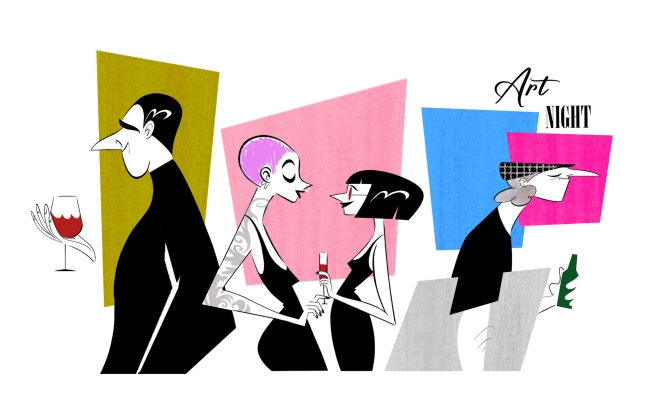
Rooted in vintage influences but shaped by a contemporary approach, my work focuses on stylised characters, colour and graphic clarity.
Which individuals do you gain inspiration from? Do you have any heroes in the industry?
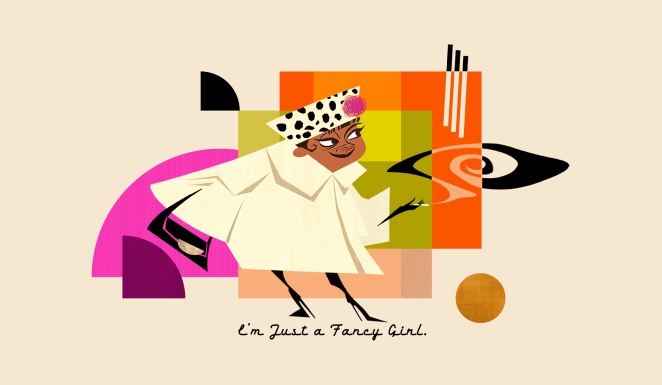 I’m inspired by artists who have a strong sense of stylisation and immediacy, who use colour in original ways, and who bring a distinctive voice to character design. Some of the artists I’m most influenced by include Saul Bass, Mary Blair, Deanna Marsigliese and Stephen Silver, although there are many other contemporary artists I admire as well.
What tips would you give to aspiring creatives looking for work?
Keep going and don’t get discouraged, creative paths are rarely linear. Failure is part of the process, and it can be seen as experience rather than something negative. If this is truly your passion, keep getting back up, learning, and improving over time.
Sometimes even experiences you don’t initially enjoy, or situations where you don’t feel completely confident, can lead to something positive and unexpected.
What tips would you give to other professionals to get more clients?
Build genuine connections and think in terms of offering a service, not just showcasing your work. Bring your own perspective, but also focus on how your skills can add value to a client’s project or product. It’s also important to connect with clients who genuinely resonate with your style and approach.
Can you share a memorable experience from your career journey that shaped your approach to creativity?
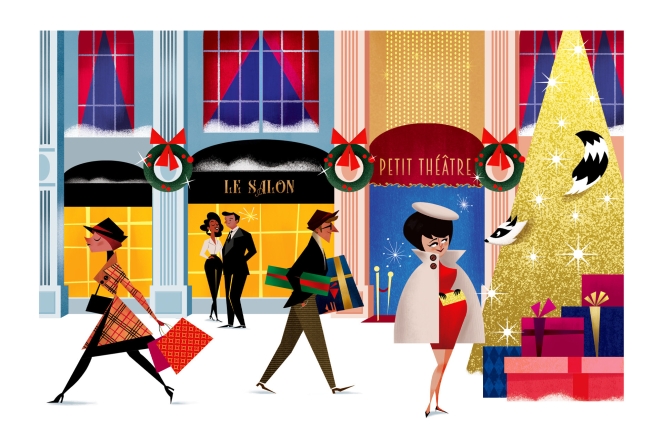 One of the most formative experiences in my career was working in advertising, where tight deadlines and fast production cycles initially felt very challenging. At first I struggled with the pace, but over time it pushed me to simplify my approach, focus on essential shapes, and develop a more stylised visual language.
That period completely changed the way I think about creativity. I learned that constraints can actually help you grow, and that limitations often lead to unexpected solutions. It ultimately shaped the style I work with today.
What kind of tools/kit/software could you not do without?
Sketchbooks and pencils, Photoshop, and plenty of books, magazines and visual references.
What’s your secret to staying inspired and motivated?
Curiosity plays a big role for me. I stay inspired by observing the world around me, art, cinema, design, everyday life and by constantly exposing myself to new visual influences. Taking breaks, walking, and allowing ideas to develop naturally also helps me stay motivated.
What’s the work achievement you’re most proud of?
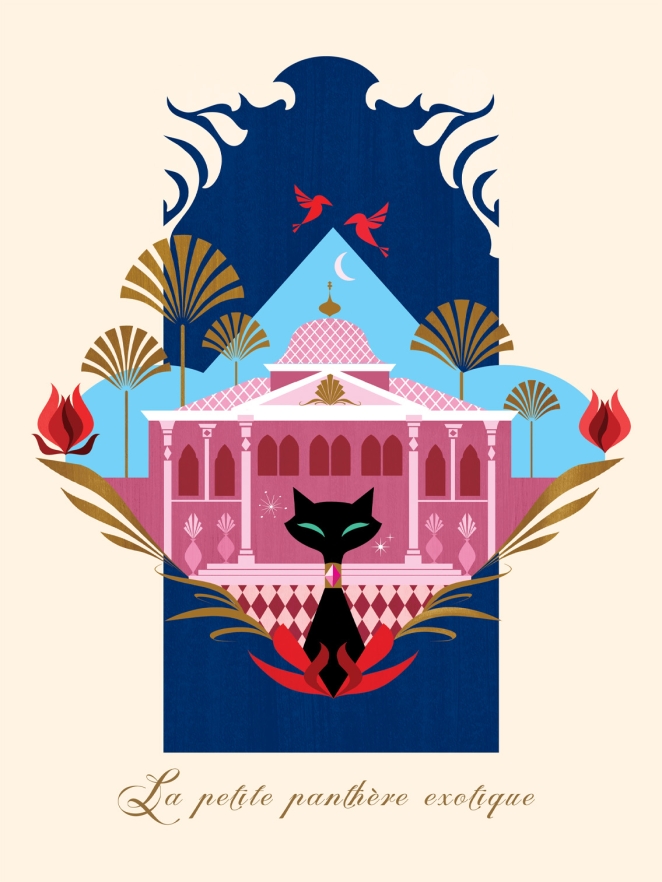 One achievement I’m particularly proud of is having contributed my skills to a wide range of projects across different fields, from children’s books and advertising storyboards to a short animated film I collaborated on last year. Being able to apply my creativity in such varied contexts has been both challenging and very rewarding.
As someone with experience in the industry, what trends do you foresee shaping the future of creativity?
I think we’ll see increasing integration of artificial intelligence to support and speed up creative workflows. At the same time, there will likely be a stronger demand for work that feels more human, personal and emotionally engaging.
This contrast could push creatives to focus even more on individuality, storytelling and authentic visual voices.
What do you think sets apart truly exceptional creatives from the rest of the pack?
I think exceptional creatives have a voice that feels personal and expressive, work that tells a story and can evoke emotions, whether it’s a smile, a sense of mystery or even melancholy. Beyond style, I’m particularly drawn to intelligent ideas, unexpected associations and the ability to communicate a concept without words.
I also love simplicity that leaves a lasting impression, where the essence of an idea remains clear and memorable.
How do you think technology has influenced the creative industries and how have you adapted to these changes?
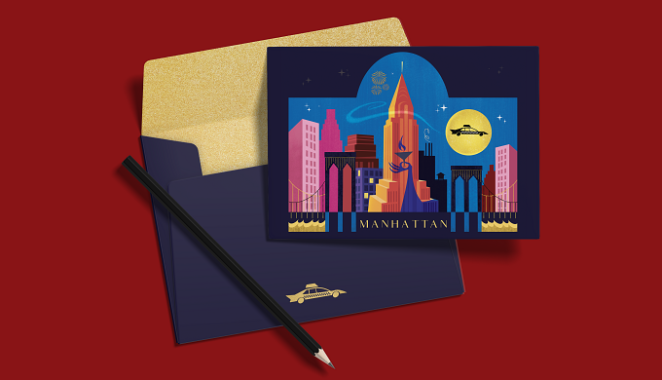 Technology has made the creative industry faster and more accessible, especially in terms of communication, research and production. Digital tools allow me to experiment more freely and move quickly from ideas to final artwork.
At the same time, I believe the core of creativity remains unchanged, strong ideas and personal vision are still what make a project meaningful. I’ve adapted by embracing digital tools while keeping a focus on concept and storytelling.
What is the one thing that you would change about the industry?
I think I would encourage more space for originality and thoughtful creative development. The industry can sometimes move very quickly, and allowing more time for ideas to evolve could lead to more meaningful and distinctive work.
Any websites, books or resources you would recommend?
I enjoy platforms like Creative Boom for discovering new work and perspectives. In terms of books, I love “Saul Bass: A Life in Film & Design”, “Cartoon Modern: Style and Design in Fifties Animation”, and publications focused on animation and visual storytelling. I also find inspiration in art books and visual references in general.