

With roots in Germany and a background steeped in art and design, Elisabeth Grosse has carved out a creative path that bridges fashion, graphics, and 3D design. From interning at Alexander McQueen to shaping the next generation of designers through teaching, her journey is one of exploration, authenticity, and evolution.
In this interview, Elisabeth reflects on her early influences, creative process, and her belief that true artistry comes from staying curious and connected to one’s roots. She also shares her thoughts on AI’s growing role in the creative industry, the importance of balance, and why authenticity will always remain in demand.
How did you got first into the industry?
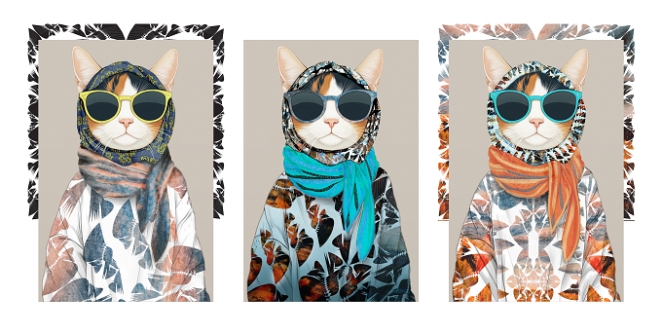
I attended a fashion collage, a kind of apprenticeship, focused on technical aspects like pattern construction, sewing, fibre tech before graduating in fashion design specialised in womenswear in Germany. During my studies I interned for Alexander McQueen which was the first step. Afterwards I worked more in the area of graphics and 3D design.
What is your personal background and what role did it play in your career?
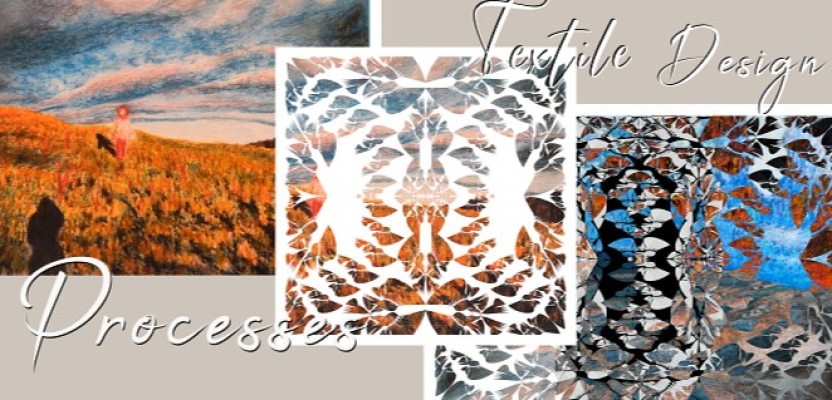
Originally I am from Germany, my mother is a professionally trained porcelain artist, she used to paint porcelain and she is also a draftswoman. When she noticed that me and my sisters had a talent, she encouraged it. I started drawing with pencil and charcoal in my childhood, also landscapes with pastels, whereby I learnt basic painting rules, how to build up colour, working material from light to dark,…etc.
My passion for portrait drawing actually came though music as I was A huge Nirvana fan in the late 90s. I remember, standing on the wall with a pice of paper, tracing Kurt Cobain’s Portrait from a hanging poster...through the wobbly wallpaper… The method of tracing seemed easier at first but I found it never looked real rather stiff. It seemed that the personality became lost. So I continued drawing just by looking at the picture next to it when drawing portraits. My drawing skills have been much beneficial in my studies later on and I transferred and modified them more into the fashion area.
If you weren’t in your current industry, what would you be doing?
There are actually multiple areas I’d like to explore such as dance, performance… or even creative writing. At the moment I am focusing more on teaching which opened up a completely new area for me. I found that tutoring is a great purpose as it combines both, inspiring others and continue learning at the same time. If I wouldn’t be active in the creative sector at all I probably would work somewhere in the finance.
Can you explain your creative process? What makes it unique?
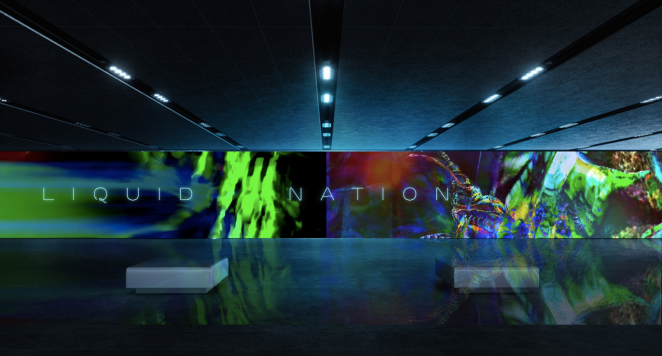
I think creative processes are always unique when you start from scratch. You can set your self rules to follow, a kind of recipe, which actually is ingenious, when you are at the beginning in your career to gain confidence and to become tech-savvy. For me there are no rules, processes can vary and differentiate, it always depends on the concept and the client. Somehow I often can see the finished idea in my head. Working with contrast and opposites is often part of my process. I am always in the limbo of being a designer and being an artist.
When working on a brief, I actually spend more time on research, than on the initial design. I want to know everything around the topic, I try to gather as much knowledge as possible also it might be irrelevant in the first place but gaining background knowledge is essential to develop a feeling, an atmosphere. It's about understanding, trying to identify clients’ needs, trying to walk in their shoes.
For me most important is that whatever you do, whatever brief you work on, whoever you work for that you can identify with the nature of the concept but also to step out of your comfort zone at the same time. This doesn’t mean that you must identify 100% with it but there must be certain sense at least,…a hint. Staying true to yourself with an eagerness to keep on learning is crucial in my opinion. Especially in regards to AI, authenticity is an essential value which I believe will be more and more in „rising demand“ for businesses.
What tips would you give to aspiring creatives looking for work?
My only advise is do what your heart beats for, do what you love, walk new paths, follow your intuition - Stay authentic.
What kind of tools/kit/software could you not do without?
I love to work with Photoshop but the tool I couldn’t do without is simply a pencil and a sharpener.
Which individuals do you gain inspiration from? Do you have any heroes in the industry?
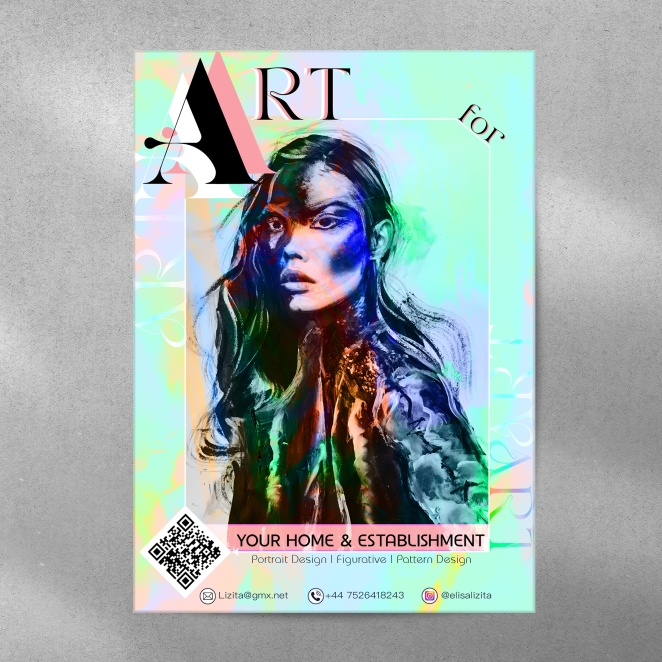
At the moment I don’t have a huge hero. Fashion photography inspires me a lot in terms of drawing. Since and now, I absolutely adore Paolo Roversi, his photography has a unique aesthetics, it’s just magical. Stunning.
What’s your secret to staying inspired and motivated?
It is important to have a strong will, wanting to go the extra mile and trying to go beyond. To have a vision is the key, to stay open, to explore and to experiment. I am quite a self-motived person, I am my own engine. Sometimes it takes a while to start on a new design but afterwards ideas are just flowing. I don’t have signage inspiration sources. I spend lots of time outdoors in nature. Being in nature is a major outlet for me on both, to recharge and to gain inspiration.
Especially when I am in a new area, I love to explore my surroundings, smelling different scents, tasting new foods,…travelling always inspires me. Relocating to the seaside from London was very inspiring as I live now just a few steps from the ocean in Bournemouth. Seeing the sea, changing its colours to different shades and textures every day is breathtaking. Depending on the sunlight, the water can look like a soft crepe de chine (silk georgette) in azure and gold tones one day and like black liquid tar the next day. Photography and costume history a great inspiration sources too. I can catch inspirations even as soon as I walk along the high street.
A structure on a wall, flaking paint on a building, oxidising or rusty metal, weathered or moss-covered objects, clouds in a geometric angle…all those things which you see in daily life are inspiration sources. I like to capture layouts through taking photographs. Sometimes the best pictures are accidentally shot. Besides, being a member on Creativepool and connecting with other creatives motivates me a lot. It’s encouraging to receive recognition and it motivates to share more creative ideas and processes.
How do you think technology has influenced the creative industries and how have you adapted to these changes?
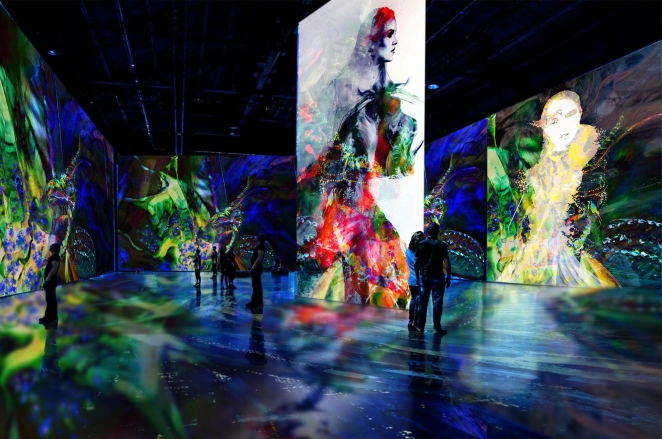
Technology has obviously an immense impact on the creative industry. AI is a two-sided sword for many creatives. And I feel it is going to split the society in certain ways. It is extremely polarising. Some people might refuse it and keep traditional pathways and some people get absorbed in it. The answer is mostly somewhere in the middle. We are living in the digital age, and yes we are progressing, so the answer is to make use of new technology, but to an appropriate amount, with consciousness and keeping the right balance. Use it but use it wisely. If AI is used to create something, it should be communicated “that way”. I think this is a notion, which needs to be figured out.
“How” to communicate this subject and being transparent at the same time. I wonder if, a design, based on AI exclusively...is there a substance ? Or will this term be redefined? In the end people still buy from people, people sell to people, people build relationships with people. Following on to a recent research study at 'Horizont' with focus on business intelligence people make decisions based on their intuition, rather than calculations. I am always critical when it comes to new technology and I think questioning is important, observing, having a view from different angles. I work more with templates than years before. However sometimes it's more time-consuming searching for the right template than creating your own still.