


In an increasingly saturated creative industry, standing out requires more than just strong visuals, it demands clarity, purpose, and a consistent point of view. In this interview, Noel Cullen, Creative Director & Founder of Fend Studio, shares how his UK-based design studio was built on the belief that creative work should be both ambitious and responsible. From challenging industry norms to prioritising values like sustainability, inclusivity, and authenticity, Fend is redefining what modern design agencies can represent.
Cullen also dives into the realities of growing a design business today, from winning high-profile clients like Netflix to navigating trends such as AI without compromising creative integrity. With a focus on thoughtful collaboration and meaningful brand impact, this conversation offers practical insights for agencies looking to grow while staying true to their core values.
How was your company born and where are you based?
 Fend is a UK-based design studio, founded on the belief that creative work should be both ambitious and responsible.
It’s the result of years spent in the London media and marketing world, seeing this massive mixed bag of creative quality and recognising the opportunity to do things differently. It was built to push standards higher and create work with more intention.
What was the biggest challenge to the growth of your company?
Standing out in a saturated market is always a challenge. From the start, the focus has been on clarity and consistency, both in the work and in how Fend shows up.
Growth has come through a combination of word-of-mouth and increased visibility, with clients choosing to work with Fend because they connect with the thinking behind the work as much as the output itself. There’s nothing more rewarding than winning a new client who’s found us because they love our style, not just because they know us personally.
Which was the first huge success that you can remember?
Landing Netflix as a client, after pitching for a project against an incumbent creative agency, was a huge moment for us. Not only did it reinforce the power of Fend’s values-led proposition in opening doors, it demonstrated that the work stands up against more established studios.
What’s the biggest opportunity for you and your company in the next year?
 There’s a clear shift towards more conscious business. More organisations are thinking carefully about who they partner with and what those partnerships represent.
Fend is built on five core values of creativity, environmental responsibility, authenticity, inclusivity and social impact, so the opportunity lies in working with brands that take those areas seriously and want to express them with clarity and intent.
Can you explain your team’s creative process? What makes it unique?
Fend takes a collaborative, hands-on approach, but it always starts with getting to the heart of the problem that the client is trying to solve. It’s not just about what a client wants to make; it’s about why it matters to them, and what we can bring to the table.
From there, the work is shaped in stages, with clients involved throughout. That back-and-forth helps challenge things, refine the thinking, and make sure the end result really lands. Different perspectives are part of the process, but the focus is always on bringing it back to something clear and cohesive.
What makes it distinct is that Fend doesn’t just take a brief at face value; it helps shape it. The aim is to end up with work that feels considered and properly resolved, not just something that looks good on the surface.
What is one tip that you would give to other agencies looking to grow?
Clarity and consistency. A strong point of view, communicated clearly and repeatedly, compounds over time.
That applies to everything; the work, the messaging, and how visible you are. The more aligned those things are, the easier it becomes for the right clients to recognise the fit.
What’s your one big hope for the future of the industry?
 That the industry doesn’t forget the value of depth over speed. AI and automation have a role, but the most meaningful work still comes from understanding nuance, context, and human perspective. The balance between efficiency and originality will be key.
Can you share a defining moment in your company's journey that shaped its identity or direction?
My experience within larger agencies highlighted both the strengths and limitations of that model. It showed how powerful large networks can be, but also how difficult it is to stay aligned to your values at scale.
Fend was built to retain the best parts of that environment - collaboration, diversity of thought - while creating more control over the type of work and the values behind it.
What measures do you take to ensure diversity and inclusion are prioritised within your company?
Diversity, equity and inclusion are hard-coded into the DNA of Fend. Our five core values point towards a collaborative, inclusive and fair way of working, with the intention of attracting like-minded creatives, clients and projects. Everything we do is measured against those values, so it keeps us honest both internally at company-level, and externally when considering new projects.
What strategies do you employ to adapt to industry changes and trends while staying true to your company's values?
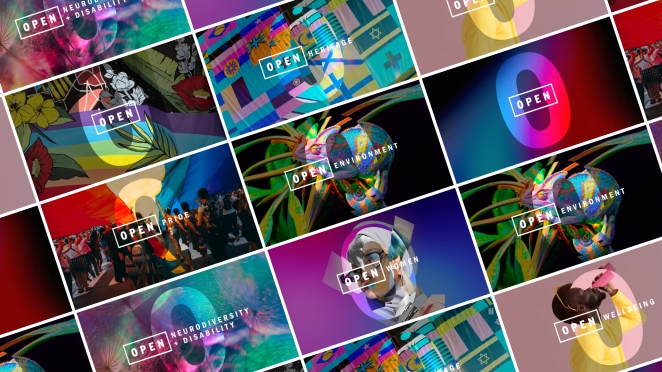 The approach is to stay informed without being reactive. Trends are considered, but only adopted when they align with the underlying principles of the studio. Generative AI is a good example; we’ll use it when it makes sense within the context of a project, but we always weigh the benefits against the costs, whether that’s on people’s livelihoods or the environment.
Can you share a memorable client success story that exemplifies your company's approach and impact?
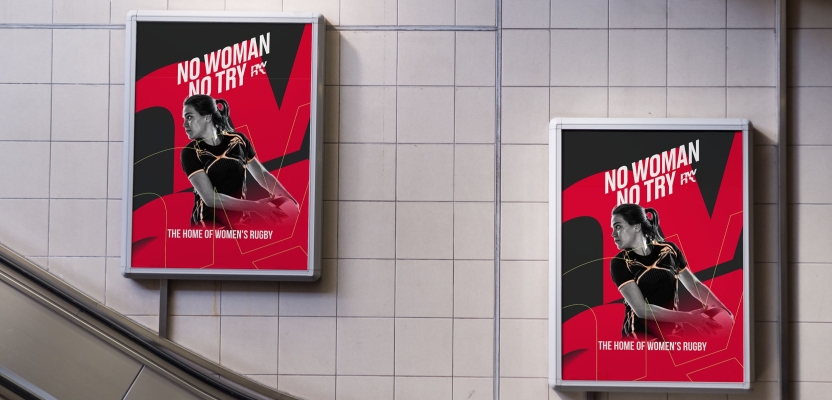
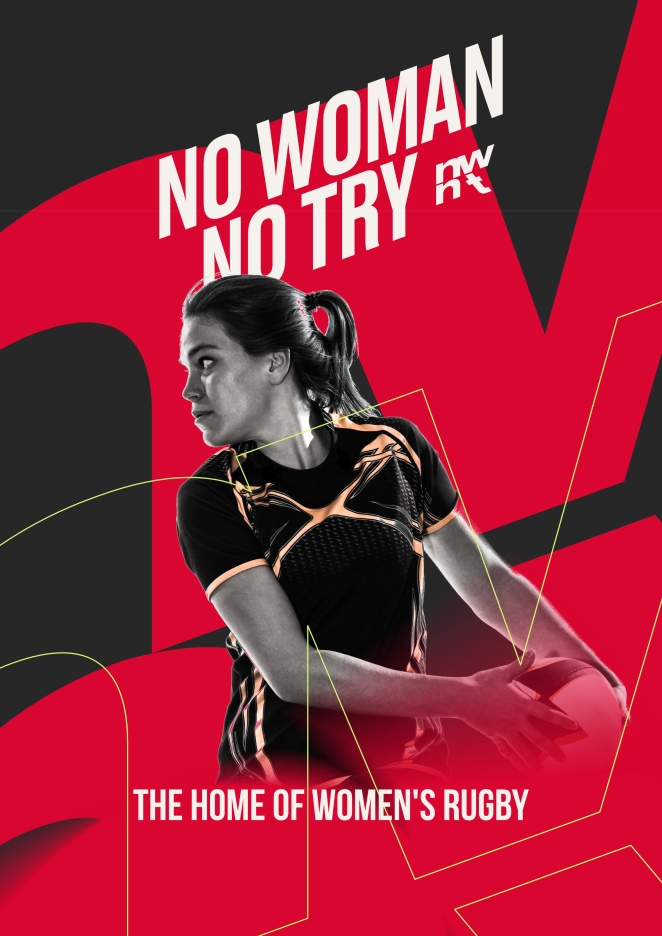
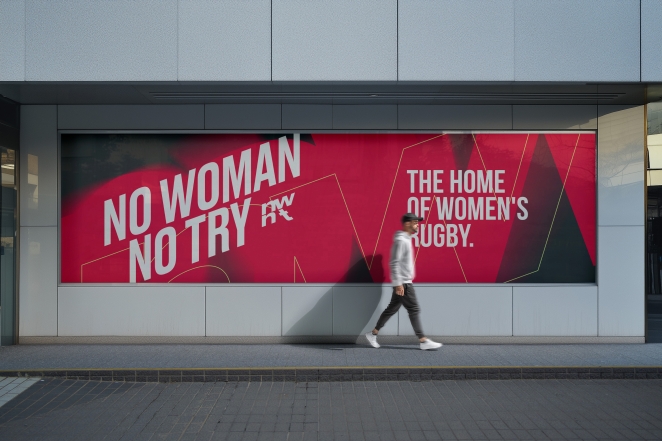
A recent example is the rebrand for No Woman No Try. The challenge was to create an identity for an established platform that, up until that point, had no formal brand, while still maintaining its connection to an existing audience.
The outcome balanced continuity with progression, giving the brand a clearer and more scalable identity. The success of the project came from close collaboration and a shared understanding of what the brand needed to become.
It’s a good example of how Fend approaches projects; not just as a visual exercise, but as a way to give brands the clarity and confidence to move forward.
In what ways do you invest in the professional development and growth of your team members?
Development is approached through involvement. Team members are exposed to the full process from early conversations through to delivery, so that they can understand not just the ‘how’ but the ‘why’.
That broader context builds confidence and creates a more informed, capable team as the studio grows.
How do you approach sustainability and ethical practices within your company's operations and projects?
Sustainability and ethics are central to how Fend operates. That starts with being selective about the work taken on and ensuring alignment with clients.
As a digital-first studio, the operational footprint is relatively light, but the primary focus is on the impact of the work itself, helping to build brands that are responsible, considered, and built for the long term.