

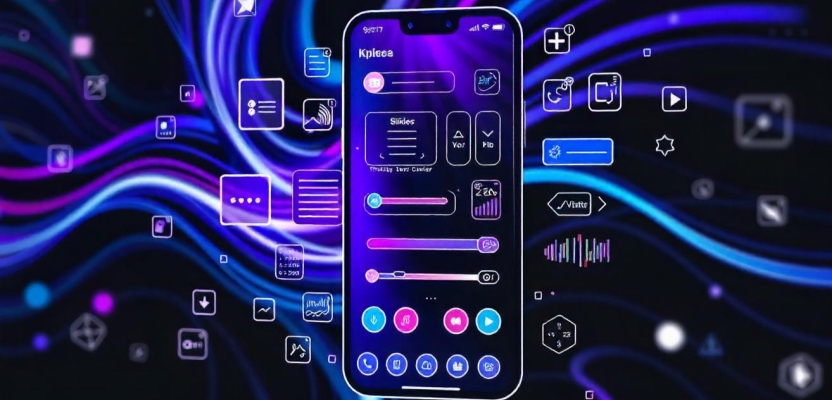

With the rapid rise of mobile technology, the role of an App Designer has become essential to creating engaging, user-friendly apps that enhance customer experiences and help companies stand out in a competitive market. If you’re interested in pursuing a career in app design or hiring an app designer, understanding what the role entails, the skills required, and potential salary expectations can help you make informed decisions. This article provides a comprehensive look at the app designer job description, App Designer Salary ranges, and essential qualifications to help companies effectively hire App Designer professionals.
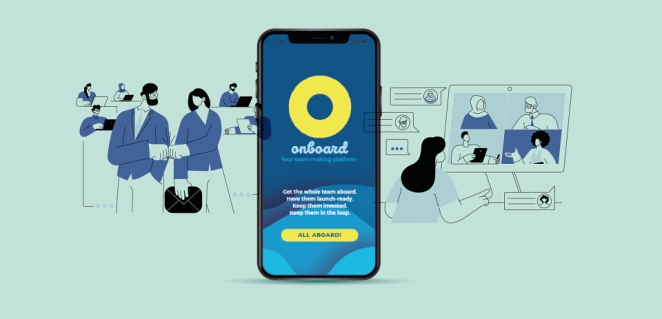
Image Credit - Richard Hill
What is an App Designer?
An App Designer is a professional responsible for the visual and interactive design of applications for mobile and web platforms. This role involves creating intuitive interfaces, ensuring a seamless user experience, and aligning the app’s look and feel with the brand’s identity. App designers work closely with developers, project managers, and stakeholders to bring ideas to life and make sure the app functions smoothly for end-users.
App designers are integral to the app development process, as they translate complex functions into simple, engaging interactions that users find easy to navigate. A successful app designer combines creativity with technical knowledge to make applications that are not only beautiful but also functional and accessible.
Essential Skills for an App Designer
App designers require a blend of creative and technical skills to excel in their roles. Here are some of the most sought-after skills for this position:
- Proficiency in Design Software: Knowledge of tools like Adobe XD, Sketch, Figma, and Photoshop is essential for designing, prototyping, and wireframing app interfaces.
- UI/UX Design Knowledge: Understanding UI and UX design principles is critical for creating apps that are visually appealing and easy to use.
- Responsive Design: Apps must work across various devices and screen sizes, so familiarity with responsive design is key.
- Basic Coding Skills: While app designers aren’t typically responsible for coding, having some knowledge of HTML, CSS, and JavaScript can enhance collaboration with developers.
- Communication and Collaboration: App design is a team effort, and designers must work effectively with developers, marketers, and project managers.
Daily Tasks of an App Designer
An App Designer is involved in several unique, hands-on tasks each day that extend beyond basic design duties. Their daily activities often revolve around creating engaging and seamless user experiences, staying responsive to user feedback, and collaborating closely with cross-functional teams to bring the app to life. Here’s a closer look at some of the daily tasks that make this role distinctive:
User Flow Mapping and Journey Planning
One of the unique tasks of an app designer is creating user flow maps that detail the paths users take through the app. This involves understanding how users will move from one screen to another, what choices they may make, and where friction points could arise.
Interactive Prototyping and Micro-Interaction Design
Beyond basic prototyping, app designers often work on micro-interactions—the small animations or responses users see when interacting with different elements (e.g., buttons lighting up, subtle animations when switching screens).
Accessibility Design and Testing
App designers are increasingly focused on accessibility, ensuring that apps are usable for people with diverse abilities. This includes optimizing for screen readers, adjusting contrast ratios for visual impairments, and providing alternative navigation methods.
Cross-Platform Optimization and Responsiveness Testing
App designers work with multiple platforms (iOS, Android, tablets, etc.), and each platform has unique design guidelines and user expectations. Daily tasks often involve ensuring that designs are fully responsive and optimized for different devices and screen sizes, which includes detailed adjustments for touch targets, layout, and interactive elements.
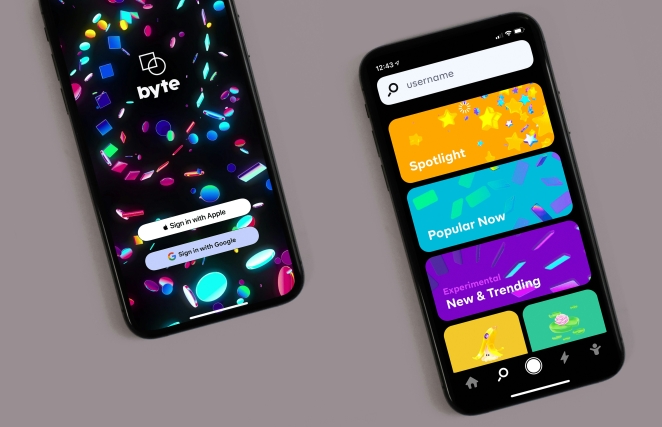
Image Credit - Lee Stuart Shepherd
Education and Qualifications for an App Designer
Most app designers come into the field with a blend of formal education, self-directed learning, and hands-on experience. A bachelor’s degree in a relevant area, such as Graphic Design, Interaction Design, Computer Science, or Digital Media, provides a strong foundation for this career.
Key Educational Paths
Bachelor’s Degree Programs:
- Graphic Design: A graphic design degree helps build core design skills, such as layout, typography, color theory, and visual hierarchy. Many app designers with a background in graphic design bring a strong visual aesthetic to their work, which can help create polished, visually cohesive apps.
- Interaction Design (IxD): Degrees in interaction design focus specifically on human-centered design, user research, and user experience principles. Interaction design programs emphasize creating intuitive interfaces and seamless user flows, which are crucial skills for app design.
- Computer Science and Software Engineering: These programs offer technical skills that can be beneficial for app designers working closely with development teams. Knowledge of programming fundamentals can improve collaboration with developers and enable designers to create technically feasible designs.
- Digital Media and Multimedia Design: Digital media programs often cover a range of digital design fields, including animation, video, and interactive media, which can be advantageous for app designers working on interactive or multimedia-rich apps.
Self-Directed Learning and Online Courses:
- With app design rapidly evolving, many designers turn to self-directed learning to stay current with the latest trends and tools. Platforms like Coursera, Udemy, and Skillshare offer courses on topics such as User Interface Design, Prototyping, Motion Graphics for Mobile Apps, and Responsive Design. These courses allow designers to refine specific skills, such as micro-interactions, design systems, or AR/VR design, that may be particularly relevant to mobile apps.
- For professionals looking to learn coding basics, platforms like Codecademy or Treehouse offer introductory courses in HTML, CSS, and JavaScript. While coding is not a primary skill required for app designers, understanding development constraints can be beneficial when working with developers.
Image Credit - Analia Luque
Getting In
For Young People: Building the Foundation Early
If you’re still in school or early in your career, there are plenty of ways to start developing skills and gaining experience in app design.
Explore High School Courses and Clubs:
- Many high schools now offer introductory courses in graphic design, digital media, or computer science that can lay a strong foundation for app design. These classes introduce young people to essential software, basic design principles, and coding basics, which can be beneficial when transitioning into app design.
- Design and coding clubs are also great avenues for building skills. Many schools have clubs focused on web or app development, where students can work on small projects, experiment with design tools, and learn about the field.
Build a Portfolio with Personal Projects:
- Young people can begin building a portfolio by designing mock apps or creating prototypes for ideas they are passionate about. Even without professional experience, personal projects and concept designs help build a portfolio that demonstrates creativity, technical skill, and potential.
- Participating in design challenges on sites like Creativepool can provide hands-on experience, build confidence, and offer portfolio-ready projects.
For Adults: Transitioning into App Design
For adults considering a career shift into app design, the approach may be different. Many adults bring transferable skills from other fields that can help them in the transition, and a structured learning path can facilitate a smooth entry.
Assess Your Transferable Skills:
Many fields have skills that apply well to app design. For example, experience in marketing may provide valuable insights into user experience and branding, while skills from project management are highly relevant in collaborative design settings. Identifying these transferable skills can give adults a head start in adapting to app design.
Create a Portfolio by Redesigning Existing Apps:
One way for adults to build a portfolio without professional experience is to choose an existing app, analyze its design, and create a mock redesign that addresses perceived user experience issues. This exercise helps build design skills and can demonstrate an ability to assess and improve real-world applications.
Gain Experience through Freelance or Part-Time Work:
For those transitioning into app design, freelance projects or part-time work can provide practical experience and allow flexibility while still working in their current role. Sites like Creativepool often have freelance opportunities for entry-level app designers, where beginners can gain experience, earn testimonials, and grow their portfolio.
Image Credit - Murat Korkmaz
App Designer Salary
The App Designer Salary can vary widely based on experience, location, and the complexity of the projects handled. Here’s a general overview of salary expectations:
- Entry-Level: Entry-level app designers with less than two years of experience can expect to earn an average salary of £26,000, depending on their skills and location.
- Mid-Level: With several years of experience, mid-level app designers can earn an average salary of £33,000.
- Senior-Level: Experienced app designers with a strong portfolio and expertise in UI/UX can earn an average salary of £42,000 annually, especially in tech-driven cities or for large companies.
It’s also worth noting that freelance app designers might earn different rates, as project-based pricing often depends on the client’s budget, project scope, and the designer's experience. They can charge from £25–£100 per hour depending on their skills and location. For those wondering if they should hire App Designer talent in-house or freelance, budget and project requirements will play a crucial role in that decision.
Using Creativepool
Looking to hire an App Designer? Creativepool has thousands of talented members waiting to make your project shine.
There are 3 ways for you to find an App Designer on Creativepool.
Search and Contact
Are you seeking greater control over your collaborations and the selection process? Directly searching for talent and handpicking those you’d like to work with is a proactive approach to talent scouting.
Here’s how it works: Simply search for App Designers and explore the results. You’ll have the opportunity to review their projects, CVs, and resumes, enabling you to make an informed decision for your next hire.
On Creativepool we use a series of indicators to rank our members based on job title. As such, looking through the top 25 ranked App Designers is a powerful and fast way to view the top talent on the platform in one place, though you might be able to find untapped talent by searching through our thousands of other talented members.
Once you’ve discovered a professional whose style and experience resonate with your needs, reach out to them directly by clicking on the message tab. If you have a precise vision of the type of creative professional you’d like to collaborate with, searching is the ideal approach.
Post a studiogig
Looking for a freelance App Designer? The quickest way to find available talent is to advertise your brief. With us, briefs for individuals are called studiogigs.
Posting your role is a straightforward process, and once you’ve submitted it, we immediately begin working behind the scenes to identify the best talent for your needs. After advertising your brief, simply relax and await direct applications from interested candidates!
Post a job
If you are looking for a permanent App Designer, then advertising an App Designer job is the best way for you to attract talent. The process is identical to posting a studiogig.
After posting your role, we will review the advertisement details, send job alerts to our community members who closely match your criteria, and feature the role on our jobs board. Interested StudioGigs applicants will apply directly to you.
Whether you’re posting a job or a StudioGig or searching for talent, you retain full control over whom you hire. There is no obligation to select any of the applicants, and you negotiate rates directly with them.
If you need any help on your talent hunt. You can chat with us or send us a message. We'd be happy to help.
Wrapping Up
The role of an App Designer is multifaceted and critical in today’s tech-driven world. Combining creativity with technical expertise, app designers create visually appealing, functional applications that meet user needs and business goals. As businesses continue to prioritize digital solutions, the demand for skilled app designers remains strong. For aspiring app designers, developing a diverse skill set, building a robust portfolio, and staying updated with design trends can lead to rewarding career opportunities.