

From graphic design roots to becoming a sought-after pen and ink illustrator, Eri Griffin’s journey is a testament to the power of refining what you truly enjoy. Based in Edinburgh and working with clients across publishing, branding and cultural institutions, her work is defined by meticulous linework, texture and a deep sense of visual storytelling. What began as a parallel creative pursuit gradually evolved into a focused illustration career shaped by consistency, patience and a distinctive artistic voice.
Drawing influence from both Japanese visual culture and the UK’s creative industry, Eri’s work balances precision with expressive energy. In this interview, she shares insights into her creative process, the importance of clarity in building a client base, and why traditional tools still hold a vital place in a rapidly evolving, technology-driven industry.
How did you first get into the industry?
 I have always loved drawing, but I originally trained and worked as a graphic designer. Over time I realised that illustration was the part of design I enjoyed most. I began developing my pen and ink drawing style alongside my design work and gradually started receiving illustration commissions.
What began as small projects eventually led to larger commissions for publishers, design agencies and institutions. As my portfolio grew, illustration naturally became a central part of my professional work.
Where are you based now and who do you work for?
I’m based in Edinburgh, Scotland, and I work as a freelance illustrator with clients in the UK and internationally.
My clients include publishers, design agencies, brands, cultural institutions and organisations. Projects range from editorial illustration and book publishing to album artwork, architectural drawings and branding work.
What is your personal background and what role did it play in your career?
I was born in western Japan and grew up in Tokyo before eventually moving to the UK.
Living between different cultures has given me a broad visual perspective. Japanese visual culture often values clarity, balance and expressive line work, and that sensitivity to line naturally resonates with the pen and ink technique I use today.
At the same time, working within the UK creative industry has shaped how I approach illustration professionally - collaborating with publishers, agencies and institutions on a wide range of projects.
If you weren’t in your current industry, what would you be doing?
 I would probably still be working in some form of visual communication - perhaps graphic design or publishing. I’ve always been interested in storytelling through images, whether that’s illustration, design or editorial work.
Can you explain your creative process? What makes it unique?
Most of my work starts with research and observation. I gather reference material, sketches and visual inspiration before beginning the final drawing.
I work primarily in traditional pen and ink, building images slowly through line work and texture. Because ink is unforgiving, the process requires careful planning and concentration.
What I enjoy about this process is the balance between precision and energy. Fine line detail is important, but I also try to maintain movement and character within the drawing.
How would you describe your style?
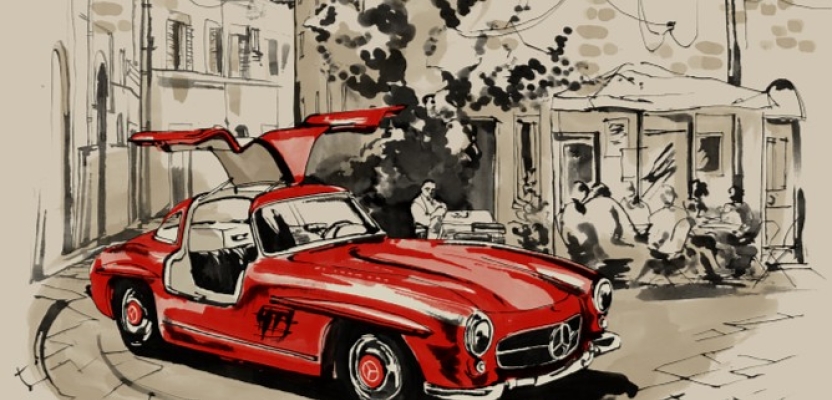
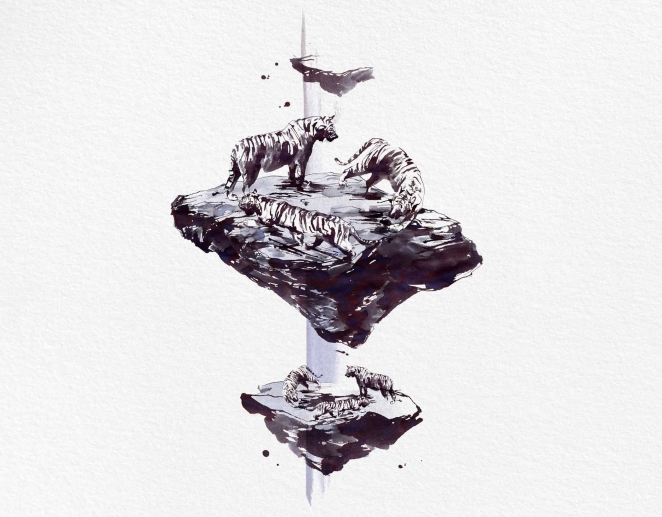
My style is hand-drawn pen and ink illustration, focusing on expressive line work, detail and texture.
Many of my drawings are black and white, allowing the line work itself to define the image. The style sits somewhere between traditional illustration and contemporary editorial drawing.
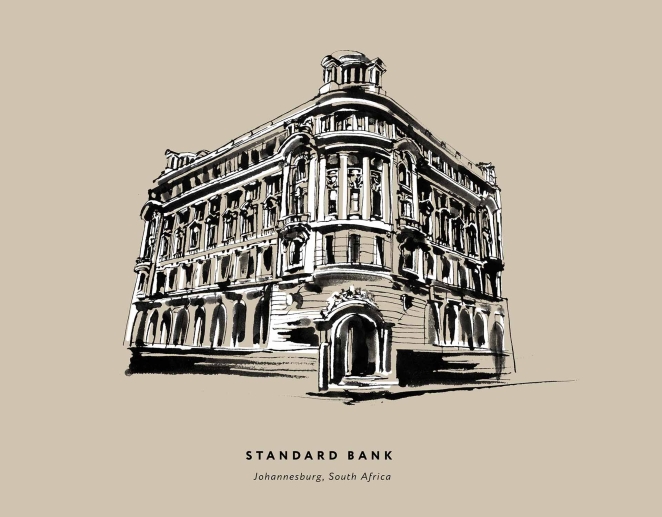
It often works particularly well for architecture, portraiture, publishing and cultural projects, where line and detail can communicate character and atmosphere.
Which individuals do you gain inspiration from? Do you have any heroes in the industry?
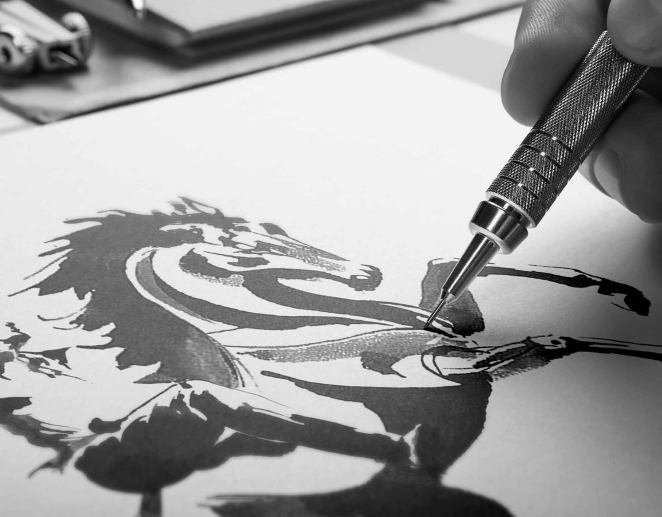 Two artists who have strongly influenced me are Bob Peak and Moebius (Jean Giraud).
Bob Peak’s work is incredibly dynamic and full of movement, particularly in his sketches and commercial illustration. Moebius, on the other hand, demonstrates the power of simplicity and clarity of line.
Although their styles are very different, both artists show how expressive drawing can create strong visual storytelling.
What tips would you give to aspiring creatives looking for work?
Focus on developing a clear and authentic style. Clients are usually looking for something distinctive rather than something that imitates current trends.
It’s also important to show your work consistently - through online portfolios, professional communities and social platforms.
And perhaps most importantly, be patient. Building a creative career takes time and persistence.
What tips would you give to other professionals to get more clients?
Clarity is extremely helpful. When clients immediately understand what you specialise in and what kind of projects you’re suited for, they are much more likely to commission you.
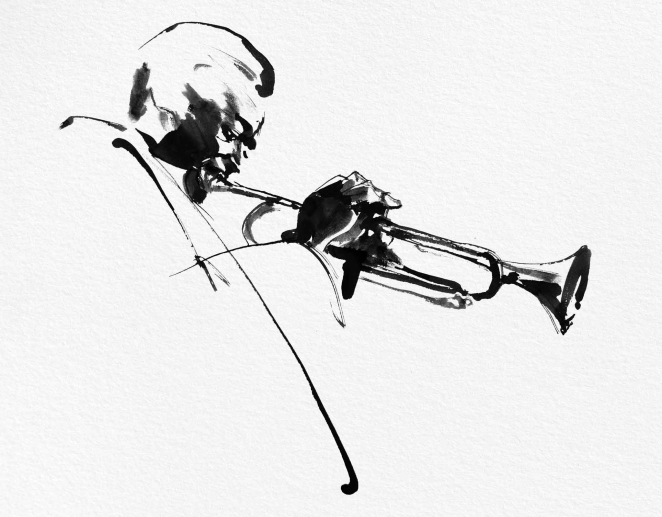
A focused portfolio makes a big difference. For example, some of my work centres on architectural illustration, jazz-related artwork and spirits branding, which helps clients quickly see where my work might fit their projects.
Long-term relationships are also valuable - many commissions come from clients who return for new work over time.
Can you share a memorable experience from your career journey that shaped your approach to creativity?
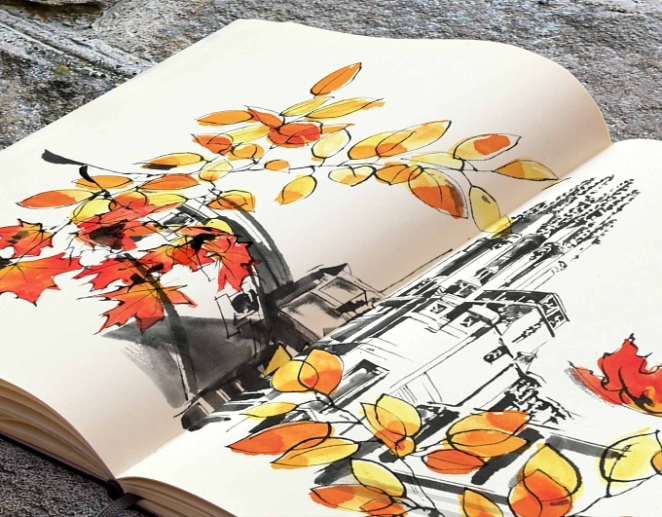
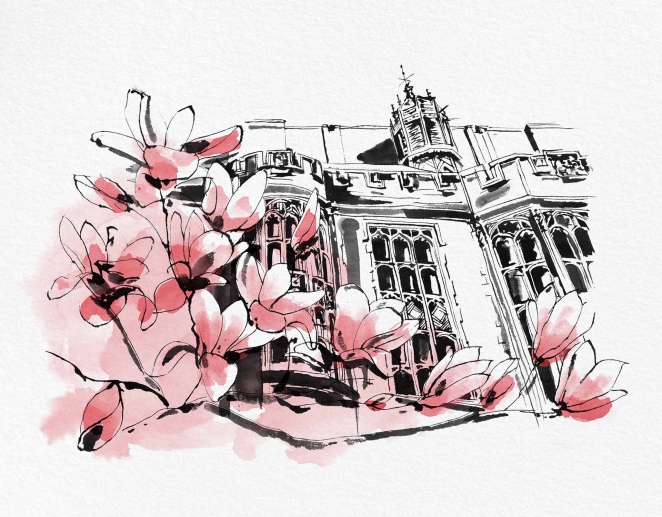
 One particularly memorable project was creating a series of illustrations for Yale Law School. The project involved detailed drawings connected to the university’s traditions and visual identity.
Working with such a historic institution was both exciting and challenging. It reminded me how illustration can communicate heritage, storytelling and identity all at once.
Experiences like that reinforce how powerful drawing can be as a visual language.
What kind of tools/kit/software could you not do without?
My most essential tools are actually very simple: dip pens, brushes, ink and paper.
Even though digital tools are important for scanning, editing and preparing artwork for production, the core of my process remains traditional drawing.
That tactile connection to the work is something I always want to keep.
What’s your secret to staying inspired and motivated?
Have a dog, get 2 dogs if possible. Go out for a long walk with them. That’s how I always get illustration ideas!
What’s the work achievement you’re most proud of?
 I’m proud of the opportunity to collaborate with organisations that value illustration as part of their identity. Seeing the drawings used in publications, branding and cultural projects is always incredibly rewarding.
As someone with experience in the industry, what trends do you foresee shaping the future of creativity?
Technology is changing how creative work is produced and distributed, but I believe authentic voice and craftsmanship will remain extremely important.
In a world where images can be generated instantly, work that clearly shows a human hand and a distinct artistic voice becomes even more valuable.
Illustration with a strong identity will continue to stand out.
What do you think sets apart truly exceptional creatives from the rest of the pack?
Exceptional creatives usually have a strong point of view.
Technical skill is important, but what really makes someone stand out is consistency, curiosity and the ability to develop a recognisable voice over time.
How do you think technology has influenced the creative industries and how have you adapted to these changes?
 Technology has made it much easier to share work globally and collaborate with clients anywhere in the world.
For illustrators, digital tools have also improved workflows - scanning, editing and delivering artwork is now much faster.
Personally, I combine traditional drawing with digital production, which allows me to keep the character of hand-drawn work while benefiting from modern tools.
What is the one thing that you would change about the industry?
I would love to see more emphasis placed on fair compensation and clear licensing structures for creative work.
Illustration requires time, experience and skill, and recognising that value helps sustain a healthy creative industry for both artists and clients.
Any websites, books or resources you would recommend?
For illustrators, studying drawing from life and observing the world around you is still one of the most valuable resources.
Beyond that, exploring art history, illustration archives and creative platforms is a great way to discover new work and stay inspired.