
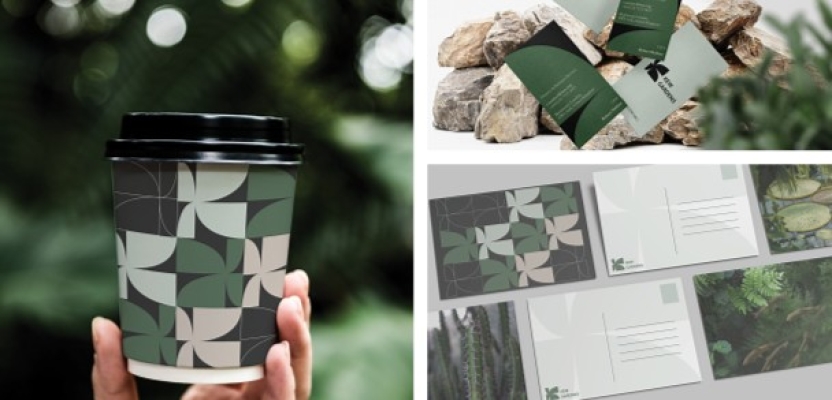

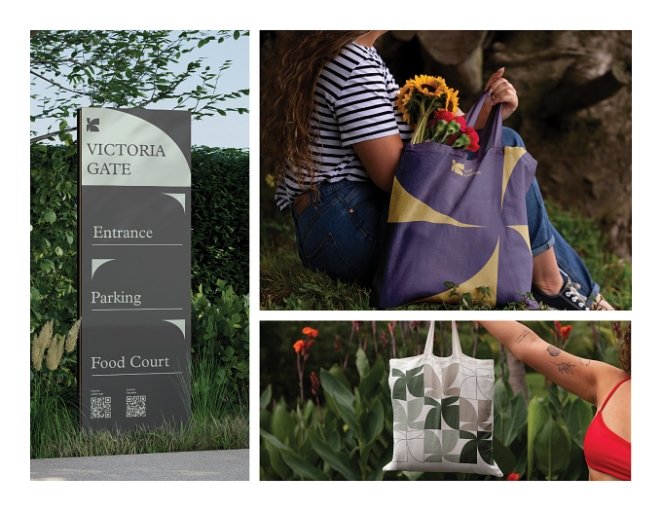
From anime-inspired doodles to surrealist visuals that defy convention, Mengdi Wang (Cornelia) has always seen art as more than just representation. Based in the Bay Area, this rising visual artist has built her career by embracing vulnerability, accidents, and the beauty of imperfection. Her style, rebellious, dreamy, and imaginative, challenges the boundaries of traditional design, while her journey reflects the courage to follow passion against the odds.
In this interview, Mengdi shares how she carved her path in the creative industry, the challenges of growing up in a conservative family, and how she learned to stay true to her artistic voice. From insights on building confidence as a freelance designer to her thoughts on the future of creativity, Mengdi offers a raw and inspiring perspective for aspiring artists and seasoned professionals alike.
How did you first get into the industry?
After graduating, I began submitting my work to design competitions and occasionally picked up freelance projects through friends and word-of-mouth. My first industry experience was an internship at a small entertainment company, where I worked as a graphic designer. I later took on a part-time role as a visual design assistant at a startup jewelry brand. Over time, I gradually built the confidence to share my work on social media to reach a wider audience and attract potential clients—something I was initially too shy to do.
Where are you based now and who do you work for?
I am currently based in the Bay Area, California, and work as a freelance designer for a variety of clients across different industries.
What is your personal background and what role did it play in your career?
I’ve been drawn to the visual arts from a very young age, especially Japanese anime, music, horror games, and fantasy films. I grew up in a conservative, traditional Chinese family where pursuing art was seen as impractical, even “useless.” Initially, I attended a public university, but eventually followed my passion and applied to art schools. When I got into SVA, I had no formal training and often felt unsure of what direction to take.
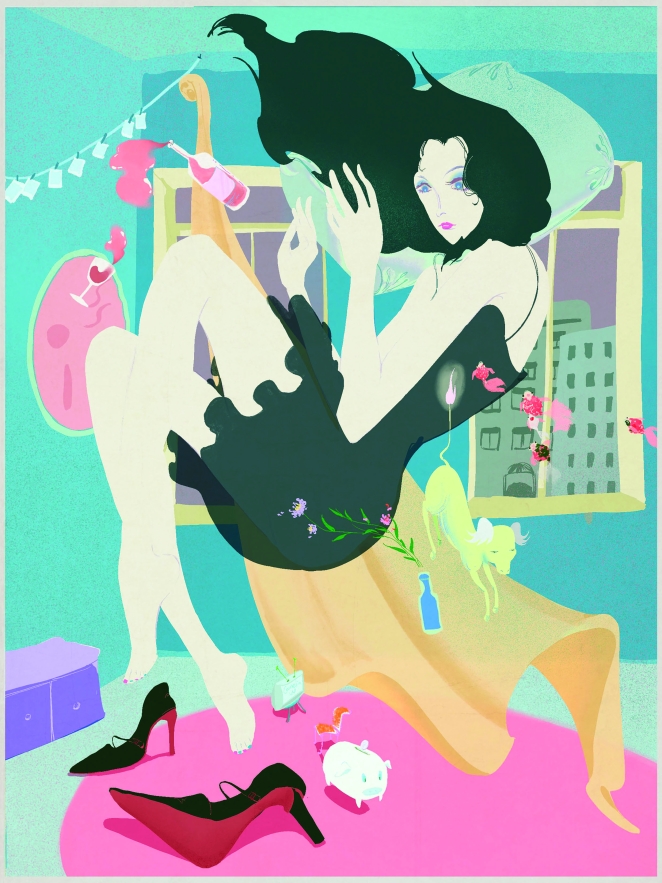
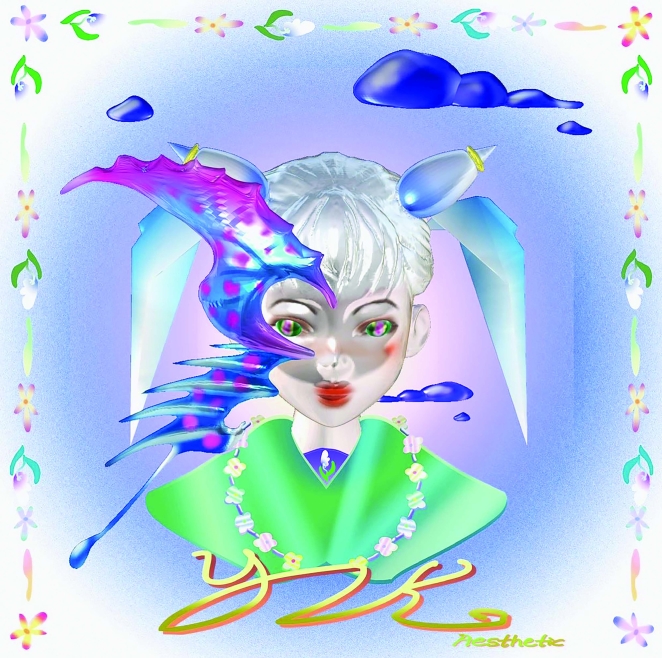
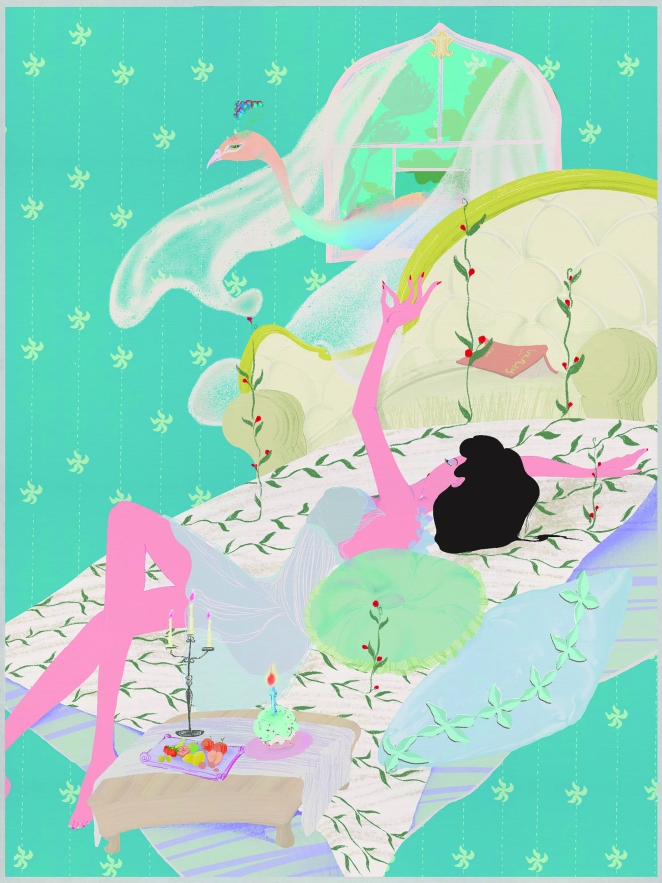
Over time, I realized that I didn’t need to conform to popular styles in order to belong. I stopped forcing myself to create what was trendy and instead embraced the vulnerability and uncertainty in my perspective. I began focusing on imaginative and surreal work designs and illustrations that lean into what’s unrealistic or impossible. I believe art isn’t meant to replicate reality like a camera, but to expand it bringing to life the things that don’t yet exist.
If you weren’t in your current industry, what would you be doing?
I’d probably be in business. I’ve explored it a few times and actually did quite well. If I were focused on making quick money, business would be a practical path. In some ways, I see it as another form of art, one that involves observing people, understanding their needs, and building meaningful, even spiritual, connections.
Can you explain your creative process? What makes it unique?
I’ve let go of the idea of being perfect or technically “correct.” I embrace mistakes and accidents as essential parts of my process. When I sketch, I use loose, expressive lines to capture movement and emotion, rather than strictly following perspective or realism. For me, emotion and motion always come first. I believe that the so-called “imperfections” in art are what make a piece truly personal and unique.
How would you describe your style?
Rebellious. Imaginary. Dreamy.
Which individuals do you gain inspiration from? Do you have any heroes in the industry?
For graphic design, I really admire Can.grafik and Cheapball. For illustrations, CLAMP inspires me the most, and also Vanilla Chi, Eve Liu.
What tips would you give to aspiring creatives looking for work?
Let your interest lead the way. Stay true to what excites you, even if it doesn’t fit into trends or expectations. People will inevitably tell you they don’t like your work—and that’s often a sign you’re starting to develop a voice of your own. Don’t be afraid to stand out. Authenticity resonates more deeply than perfection.
What tips would you give to other professionals to get more clients?
Post on social media! Also, enter more competitions.
What kind of tools/kit/software could you not do without?
Adobe illustrator. I love their simple 3D effect and I love overlaying different special effects.
What’s your secret to staying inspired and motivated?
I stay inspired by looking beyond my own industry. I actively seek out abstract ideas, visuals, and experiences from other fields like film, music, science, or even random everyday observations and imagine how they could translate into my own creative language. Reinterpreting something unfamiliar into something personal keeps my process fresh and exciting.
What do you think sets apart truly exceptional creatives from the rest of the pack?
Unique thought, unique styles.
How do you think technology has influenced the creative industries and how have you adapted to these changes?
I think technology has opened up incredible opportunities for creative expression, especially for people like me who didn’t come from a traditional art training background. Design software and digital tools gave me a way to translate my ideas into visual form, even when I didn’t have the technical skills at first. I’ve always embraced these tools not just for efficiency, but as creative partners that expand what’s possible in my work.
What is the one thing that you would change about the industry?
I’d love to see more diversity not just in who gets to create, but in the kinds of aesthetics, stories, and voices that are celebrated. The industry often underestimates the audience’s ability to appreciate new perspectives, but I believe we can train people’s eyes. If we broaden what’s visible, we also broaden what’s possible.
Any websites, books or resources you would recommend?
IDEA magazine from Japan is really good. Brand is also a good resource for visual arts.