

For Barcelona-based art director and designer Inna Efimova, creativity is more than aesthetics; it’s a balance of meaning, beauty, and purpose. Having started her career at Leo Burnett before evolving into an independent cross-disciplinary designer, Inna has built a practice that bridges brand identity, packaging, advertising, and photography. Her projects reveal an artist’s sensitivity paired with a strategist’s insight, blending visual storytelling with conceptual thinking.
Rooted in her artistic upbringing in the tranquil town of Pereslavl-Zalessky, Inna’s design philosophy is deeply reflective. Every campaign, she says, is a journey to uncover a deeper truth beyond the surface of the brief. Whether directing photo shoots, shaping visual identities, or mentoring students, she approaches each challenge with curiosity, precision, and empathy, qualities that have earned her international recognition and multiple design awards, including one for her standout project, Boiling Point.
How did you first get into the industry?
My first encounter with the industry was quite natural and predictable. In 2014, while studying Advertising and Public Relations, I began my third year of university with an internship at the advertising agency Leo Burnett (now Leo). It was my first real exposure to industry challenges and I instantly fell in love with the creative field. I've been part of it ever since, and I’m truly proud of that.

Where are you based now and who do you work for?
I live in sunny Spain, in Barcelona, and work as an independent cross-disciplinary designer. My focus is on brand identity, packaging, and advertising campaigns. I also work as a photographer and take on full creative direction for shoots from developing the brief to launching the final campaigns.
What is your personal background and what role did it play in your career?
I spent all my school years in my hometown of Pereslavl-Zalessky, a place known for its nature, ancient churches, and quiet, atmospheric charm. It's no coincidence that many artists live there and I’m one of them. I graduated from art school and have been drawing for as long as I can remember. The town’s atmosphere invites creativity, attentiveness, and a sense of calm, something that deeply resonates with me.
I believe this environment shaped both my personality and my approach to work. In every project, I try to uncover the essence of a balance of meaning, aesthetics, and, most importantly, purpose. It's vital for me to look beyond the surface of a task and find something deeper than just a routine solution.
If you weren’t in your current industry, what would you be doing?
To be honest, it’s hard to imagine myself working in a different industry. I truly love what I do and dedicate most of my working time to it.
But if I had to picture an alternative path, I think I would have become an artist with a strong focus on conceptual projects. I’d create paintings and installations designed to immerse the viewer in specific themes and invite reflection.
In fact, that’s not too far from what I’m doing now. Art has always been part of my life, although unlike design, I don’t have a formal degree in fine arts. If I were to pursue that professionally, I’d likely go back to school and fully dedicate myself to it.
You can see some of my artwork on my art Instagram account.

Can you explain your creative process? What makes it unique?
My creative process always begins with in-depth research gathering as much information as possible about the market, the product, and the client as a whole. It’s essential for me to immerse myself in the client’s world: to understand how they operate, what challenges they face, and ultimately, to define the direction for a solution.
The next stage of concept development is a crucial and deeply personal part of the process, where my unique perspective really comes through. This is when I generate countless iterations and explore different angles the solution could take, often diving deeper into certain aspects along the way.
Once I identify three core ideas that best align with the brief and have the strongest potential to solve the challenge, I move forward into design execution and, finally, production.
How would you describe your style?
Aesthetic design with a strong conceptual foundation of the project.
Which individuals do you gain inspiration from? Do you have any heroes in the industry?
I don’t have individual heroes, but I do have the top three agencies that I truly consider legendary: AKQA, Droga5, and Mother.
What tips would you give to aspiring creatives looking for work?
I have extensive experience teaching at various educational institutions, and I often see students underestimate themselves, their skills, and their work. Constant self-doubt can really hold them back from moving forward.
My advice to aspiring creatives would be to never doubt themselves, to trust their intuition, and to boldly pursue their path no matter how challenging it may seem.
What tips would you give to other professionals to get more clients?
I would advise professionals to share more about their projects because there are many experts out there, and clients simply might not know about you even though you could potentially create great projects together. They just need to hear about you.
What kind of tools/kit/software could you not do without?
At first, I’d say the Adobe suite, since I work with it a lot but actually, the most important tools for me are my email and note-taking app. I do a lot of planning and task tracking. After trying many different tracking apps, I settled on the simplest one: Notes. And of course, email is essential because I communicate constantly with clients, colleagues, and partners. Sending a large number of emails is just part of my daily routine.
What’s your secret to staying inspired and motivated?
The secret is simple: you need to stay connected with yourself. For me, creativity helps with that, whether it’s painting, practicing yoga, or connecting with nature. A simple walk in the forest or park, or walking barefoot on the grass, really recharges me and helps me come back to myself.
What’s the work achievement you’re most proud of?
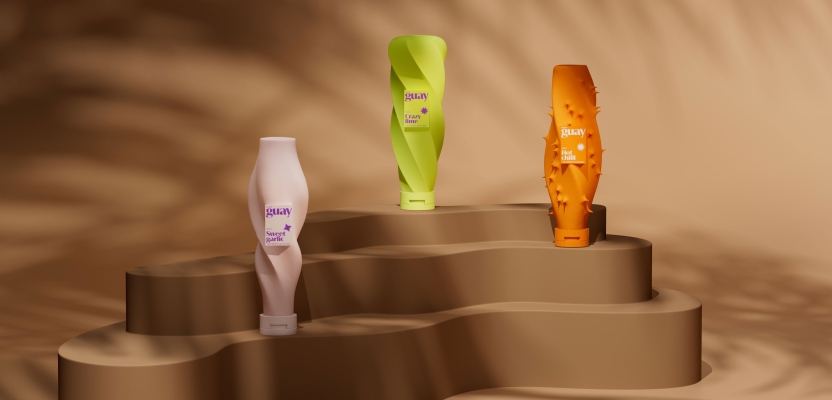
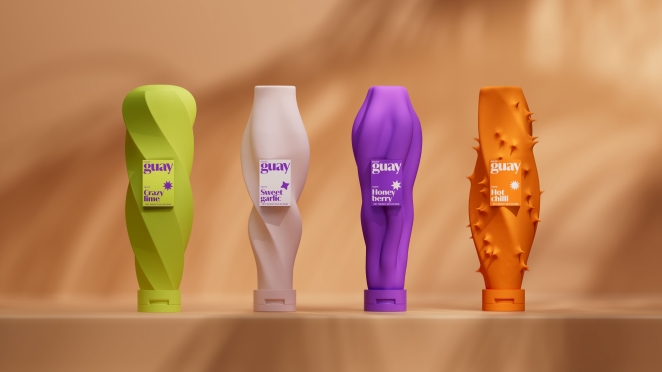
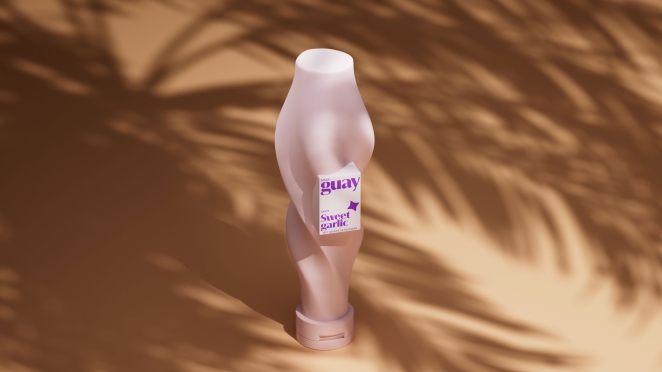
I strive to ensure that I can be proud of every project I work on. Currently, that’s “Boiling point” . It has already won numerous awards at prestigious design festivals and continues to reach new heights. I’m very proud of the work I’ve done on it.
What do you think sets apart truly exceptional creatives from the rest of the pack?
I believe truly exceptional creatives are those who have managed to keep the child inside them, someone who approaches problem-solving with a playful spirit. On one hand, they face complex briefs and challenges, but it’s that inner child that preserves their creative spark and belief that anything is possible.
What is the one thing that you would change about the industry?
I wish to see an end to any kind of bias or unfair treatment related to race, nationality, or other differences. Sadly, these issues are still present in our industry, as they are elsewhere.
Any websites, books or resources you would recommend?
I’d like to make an unexpected recommendation and suggest checking out one of my favorite directors, Ingmar Bergman. His work always inspires me and helps me get into the right creative mindset. It’s the quintessence of art, depth, and pure visual delight. I truly love his films.