

For Berlin- and London-based director Anastasja Black, creativity is rooted in visual instinct, experimentation and the freedom to develop a distinctive point of view. With a background in fashion and a passion for film, Black has developed an avant-garde, underground style shaped by different cultures, subcultures and strong female characters. Her work reflects a desire to create imagery that feels powerful, distinctive and unmistakably her own.
In this Creativepool interview, Anastasja Black shares how her fashion background shaped her approach to creative direction, the importance of staying active through passion projects, and why aspiring creatives should resist the pressure to adapt their work to fit a particular space. She also discusses finding inspiration, building a creative career, the growing influence of AI, and why she believes the future of creativity may belong to work that feels more human, analogue and real.
Where are you based now and who do you work for?
 Currently, I’m based between Berlin and London. The people I usually work with are people who really appreciate aesthetics, whatever that might mean to them. When it comes to the companies I work with, I’m honestly very open. Obviously, I love fashion, but I’m open to working across different industries and genres because, at the end of the day, I just love shooting.
So for me, it’s not necessarily about what the company is or what the genre is. I’m much more interested in the opportunity to create something and bring my visual language into it.
What is your personal background and what role did it play in your career?
My personal background is actually in fashion. My mom was a fashion designer, so I initially tried to follow that path as well. I studied fashion in London, but I quite quickly realized that it wasn’t really for me. Still, I think that experience taught me a lot. It gave me a strong visual eye and made me very conscious of styling, as well as the importance of characters and the cast you bring into your films.
It also gave me a different perspective and, probably most importantly, a lot of resilience. I mean, the number of times I was involved in organizing fashion shows was incredibly stressful. So when you step onto a film set after experiences like that, you feel quite prepared for the pressure and the chaos. In a way, fashion taught me how to stay calm and keep going when things get intense.
How would you describe your style?
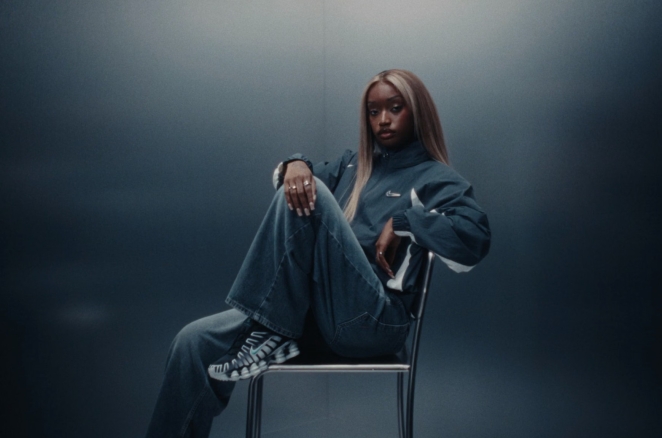 I think I would describe my style as something like avant garde and underground. I really like taking inspiration from different cultures, subcultures, and scenes. I’m also very inspired by strong women, so when I’m styling women in front of my camera, I like them to feel sexy, but also powerful and strong, sometimes with a slightly masculine edge. I don’t know, I just really enjoy that.
Visually, I’m also naturally drawn to darker aesthetics. I don’t think that’s much of a mystery. I like things that feel powerful, strong, and loud. There’s something about that kind of visual language that really speaks to me.
Which individuals do you gain inspiration from? Do you have any heroes in the industry?
I mean, there are so many incredibly talented people in our industry. But I think the people I really, really look up to are the ones who approach things differently. They create something that feels completely their own and different from everyone else.
Whether it’s the visual language they use, the way people look in front of the camera, how they move, the makeup, or the way they work with light, it just feels different. It stands out to me, and I really admire that kind of bravery and confidence.
For example, someone like Jordan Hemingway. Another person would be Daniel Sannwald. I also really like C-Prinz, because she brings such a personal story into her work. The way she works with movement is absolutely stunning. I think she’s super, super cool.
What tips would you give to aspiring creatives looking for work?
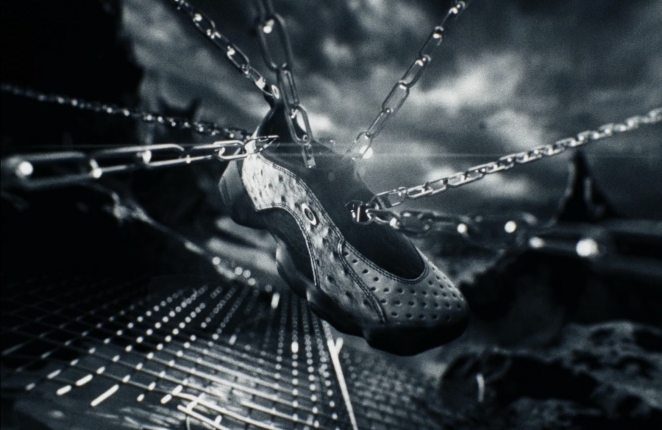 I think it’s always about doing and never stopping. When you have a short window of time where you’re not getting offers or jobs, use that opportunity to create something on your own. I’ve done many, many passion projects and films for smaller brands, just to fill those gaps in my portfolio. That way, you lower the risk of not having the right kind of project for a specific requirement.
But at the same time, I think it’s really important to keep your signature. Do all of those things, but make sure they still feel like you. Don’t try to adapt yourself too much or change the way you would naturally do something just to fit into a certain space. I think it’s really cool these days to have a signature and stay true to it.
But basically, always stay busy. And if you can’t do a project, then educate yourself, meet people, and stay curious. You can always learn something from other people.
As someone with experience in the industry, what trends do you foresee shaping the future of creativity?
I think, not that I really want to get into this whole AI topic, but with it happening more and more, and even when you’re scrolling through Instagram, you’re not always sure anymore what’s real and what’s AI. I think the absolute opposite will become a "trend".
I think people will start wanting to see things that feel real, things that people have genuinely experienced, and real emotions. So I think anything that comes closest to that sense of realness will become more in demand. Something more analog in that sense, like shooting on film, for example. Maybe working with more unique looking characters, or creating things that are a little more story driven, and moving away from AI and CGI.
I can really see that becoming a thing. But I guess time will show.
What is the one thing that you would change about the industry?
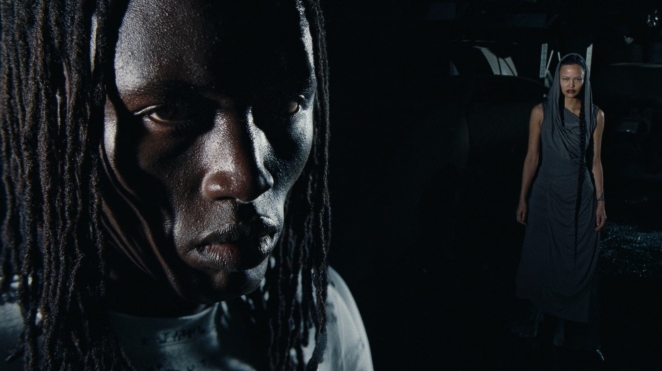 The one thing I would really change about the industry is that I wish we trusted people more with their creative ideas. At the end of the day, everyone wants to make something cool. You wouldn’t be doing this job if you didn’t genuinely enjoy what you do.
Sometimes it’s frustrating that there are so many people involved, and everyone has their own opinion, and everyone is scared to take risks. No one really seems ready to be bold and brave anymore. Of course, I understand why that happens, but I think it often means that the project ends up being a weaker version of what it could have been.
It starts with something really cool and exciting, with great ideas, but with every step of the production, more and more of those ideas get swallowed up by someone who doesn’t trust the process. I think we need to trust people, especially directors, more, even if they haven’t done the exact thing you’re asking them to do before.
A lot of our knowledge and experience translates from one specific niche to another. Just because we haven’t done one particular thing before, it doesn’t mean we won’t be able to do it. We’re here because we care about making something good, and we will always do everything we can to make sure it turns out that way.