

In today's fast-paced digital world, visual communication has become more critical than ever. Businesses, brands, and individuals are constantly looking for new ways to capture attention, engage audiences, and convey messages effectively. This is where Multimedia Designers come into play. These creative professionals are responsible for bringing ideas to life by blending text, video, graphics, and animation into one cohesive piece of content. So what exactly is the multimedia designer's job role? Let us dive in.

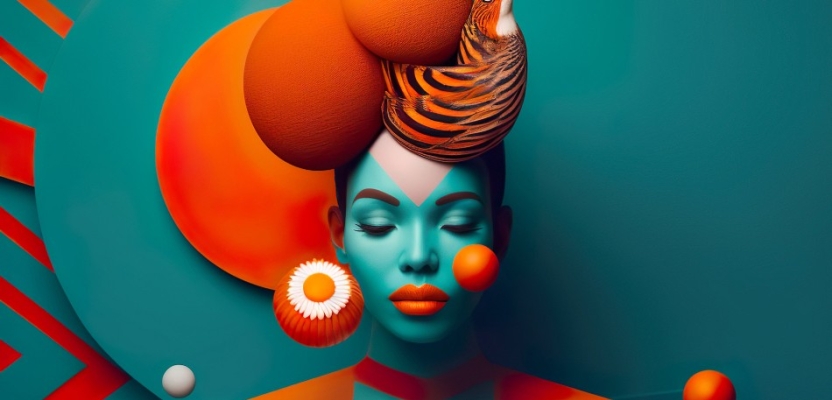
Image Credit - Linda Baritski
Understanding the Role of Multimedia Designer
A Multimedia Designer is a creative professional who develops visual and audio content for various platforms. Their work can be found in a variety of industries, including advertising, entertainment, education, and business. They use a combination of tools like graphic design software, video editing programs, and animation platforms to create content for websites, presentations, apps, films, games, and much more.
Multimedia Design incorporates multiple disciplines, including graphic design, animation, sound design, and video production. A Multimedia Designer must be proficient in these areas, as well as possess a keen eye for aesthetics and a deep understanding of the target audience's needs.
Key Responsibilities of a Multimedia Designer
Developing Interactive and Engaging Content Across Multiple Platforms
One of the primary roles of a Multimedia Designer is to develop content that works seamlessly across different platforms—whether it's for web, mobile, or broadcast. This includes designing interactive elements for websites, apps, or digital ads. They ensure that the multimedia experience is consistent, engaging, and tailored to the medium.
Creating Custom Animations and Motion Graphics for Various Projects
Unlike static designers, Multimedia Designers are often responsible for creating custom animations or motion graphics to convey a message or tell a story. This could range from animating a logo for an opening sequence to creating a full-motion graphic explainer video for a brand’s product. The ability to combine storytelling techniques with animation skills is critical in this aspect.
Integrating Video, and Animation into Unified, Seamless Experiences
A key responsibility of a Multimedia Designer is to integrate different media types—such as video, graphics, and animations—into one cohesive project. This involves meticulous planning and synchronization. For example, they may need to synchronize a voiceover with an animated video, ensuring that the narration matches the visuals perfectly. In some cases, they may also hire voiceover artists to ensure that the project’s audio element is of professional quality.
Designing for User Interaction and User Experience (UI/UX)
Multimedia Designers often collaborate with UX designers and developers to create interactive, user-friendly content. Unlike traditional design roles, multimedia design requires a deeper understanding of how users interact with content, especially when dealing with web or app design. This means designing not just for aesthetics but for user behavior and experience.
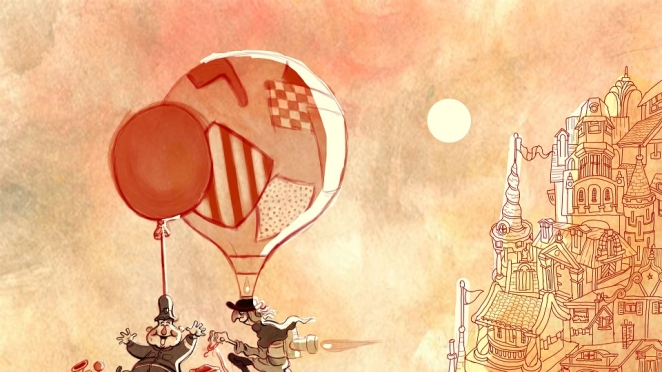
Image Credit - Kim Griffin
Description of Daily Tasks
The daily tasks of a Multimedia Designer are diverse and often vary depending on the projects they are working on. However, there are several key responsibilities that make up their typical day, combining creativity with technical execution. Below is a breakdown of the common daily tasks a Multimedia Designer might undertake:
Conceptualizing and Brainstorming Ideas
At the start of any project, a Multimedia Designer will spend a portion of their day brainstorming and conceptualizing ideas. This can involve sketching rough ideas, creating storyboards, or mood boards to visualize the project.
Designing Visual Elements
A significant part of a Multimedia Designer’s day is spent creating and refining visual elements. This could involve designing logos, icons, infographics, or custom illustrations using software like Adobe Photoshop or Illustrator.
Video Editing and Motion Graphics
Video production is often at the heart of multimedia projects, and Multimedia Designers frequently spend their day editing video content. Using tools like Adobe Premiere Pro or Final Cut Pro, they might splice video clips, add transitions, apply filters, or overlay graphics and text. If the project requires motion graphics, the designer may use software like After Effects to animate text, logos, or other visual elements, creating dynamic, engaging video content.
Editing and Syncing Audio
Audio plays a vital role in many multimedia projects, especially when voiceovers, sound effects, or music are involved. A Multimedia Designer may spend part of their day editing audio clips, adjusting volumes, or syncing sound with visual elements to ensure everything aligns perfectly.
Testing and Optimizing for Different Platforms
Once a multimedia project is nearing completion, Multimedia Designers are responsible for testing and optimizing the content for different platforms. For instance, they might adapt a video or animation for social media, mobile, or web formats, ensuring it maintains quality and functionality across each platform.
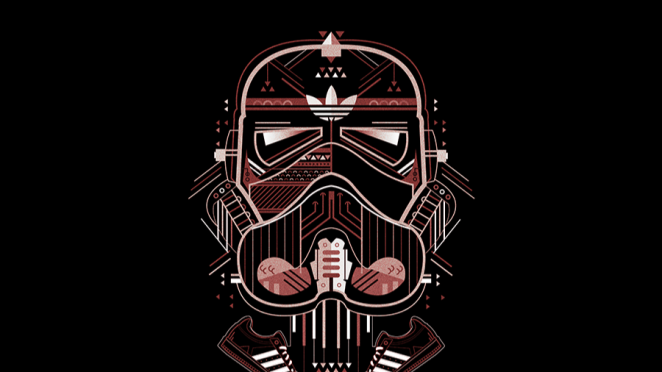
Image Credit - Petros Afshar
Education and Training
Becoming a successful Multimedia Designer often requires a combination of formal education, specialized training, and hands-on experience. While many professionals in this field hold degrees in Multimedia Design, graphic design, animation, or related disciplines, there are other paths to acquiring the necessary skills. Here’s a closer look at the types of training that can help prepare someone for a career in multimedia design:
Formal Education and Degree Programs
A popular route for aspiring Multimedia Designers is pursuing a degree in areas like multimedia design, graphic design, animation, or digital media. These degree programs typically cover core topics such as:
- Graphic design principles
- Animation techniques (2D and 3D)
- Video production
- Web and app design
- Interactive design and user experience (UX) design
Degree programs often provide students with access to industry-standard software like Adobe Creative Suite (Photoshop, Illustrator, After Effects) and 3D modeling programs, giving them a strong technical foundation. Moreover, students benefit from structured learning and mentorship from experienced instructors.
Online Courses and Tutorials
For those who prefer self-paced learning or want to build skills without committing to a full degree program, online platforms like Udemy, Coursera, and LinkedIn Learning offer a variety of multimedia design courses. These platforms cover specific software, design techniques, and multimedia production processes, allowing learners to tailor their education to their interests.
Online courses often include modules on:
- Video editing and motion graphics (Adobe Premiere Pro, After Effects)
- 3D modeling (Blender, Maya)
- Web design basics (HTML, CSS, and JavaScript)
- Advanced audio editing and integration for multimedia projects
Completing online courses and earning certifications can help beginners and professionals alike sharpen their skills and stay current with the latest design trends and tools.
Workshops and Boot Camps
For more intensive, short-term learning experiences, multimedia design workshops and boot camps are great options. These programs typically focus on specific aspects of multimedia design, such as animation or video production, and are designed to rapidly build practical skills. Participants get the chance to work on real-world projects and build a portfolio under the guidance of industry professionals.
These workshops often offer hands-on experience with tools like motion capture technology, virtual reality (VR) content creation, or interactive design, giving designers a competitive edge in the multimedia field.
On-the-Job Training and Internships
Many Multimedia Designers start their careers through internships, where they gain hands-on experience working on real projects. This type of training allows them to develop technical skills, learn project management, and understand how to collaborate within creative teams. Internships or entry-level positions provide invaluable insight into the workflows of multimedia projects, such as working with clients, meeting deadlines.
On-the-job training also exposes designers to the unique challenges of different industries, such as marketing, gaming, or education, giving them experience in adapting their design approach to suit different audiences.
Continued Learning and Software Mastery
Since multimedia technology evolves rapidly, Multimedia Designers need to stay up-to-date with new software tools and design trends. Continued learning is essential for mastering new design techniques, keeping pace with emerging technologies, and remaining competitive in the field.
Designers can continue to grow their skills by attending industry conferences, participating in online forums, and taking advanced courses to learn cutting-edge software or techniques, such as virtual reality (VR), augmented reality (AR), and interactive media design. Expanding their expertise in these areas can make Multimedia Designers more versatile and open up new career opportunities.
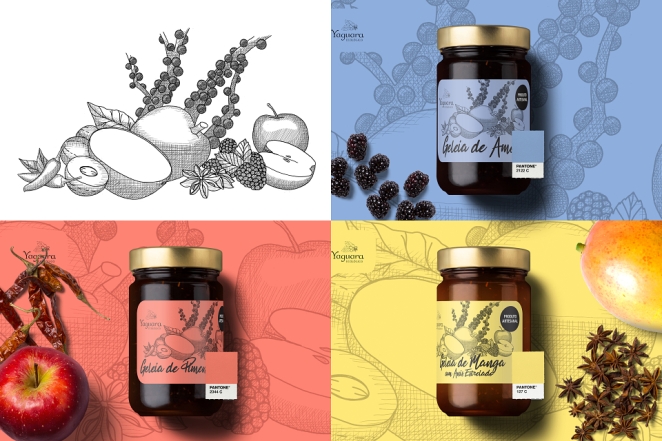
Image Credit - Daniel Da Hora
Skills Required for Multimedia Designer
A successful Multimedia Designer needs a blend of technical and creative skills. Here are some of the most critical:
-
Graphic Design Skills: Proficiency in graphic design software is essential. This includes tools like Adobe Illustrator, Photoshop, and InDesign, which are used to create visuals such as icons, logos, and infographics.
-
Video Editing: Since multimedia often involves video content, Multimedia Designers must be adept at video editing. Programs like Adobe Premiere Pro, Final Cut Pro, and After Effects are frequently used to splice clips, add transitions, and overlay graphics or text.
-
Animation: Animation is a key element in multimedia projects. A Multimedia Designer may need to create 2D or 3D animations to explain a concept or make content more engaging. Software like Blender or Maya is often used.
-
Audio Editing: Since multimedia projects often include sound or voice elements, knowledge of audio editing tools is vital. Multimedia Designers may need to hire voiceover artists or edit recorded audio to ensure the quality of the sound matches the overall project.
Getting In
For Young People
For young people interested in becoming Multimedia Designers, the best approach is to start by exploring digital creativity early on. Many schools offer basic courses in graphic design, video editing, and animation. Taking advantage of these programs, along with self-learning through free online tutorials and design software, can help build foundational skills. Creating a portfolio with school projects or personal creative work is also essential when applying for higher education programs in Multimedia Design.
For Adults
For adults transitioning into a Multimedia Design career, online courses, boot camps, and certification programs are excellent options for learning the necessary technical skills. Many platforms offer flexible learning schedules that allow working professionals to build their skills in graphic design, animation, and video editing at their own pace. It's also important to develop a portfolio showcasing multimedia projects, which could include personal, freelance, or volunteer work.
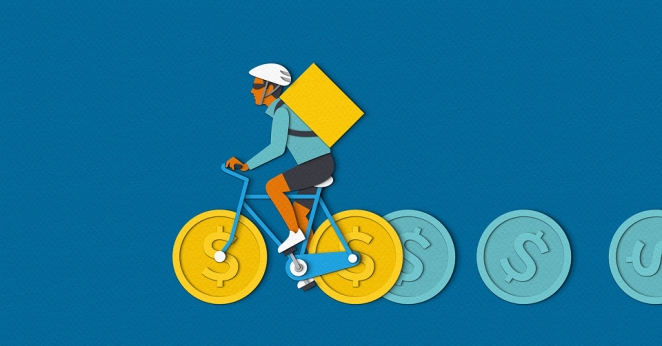
Image Credit - Zara Picken
Salary Overview
A key question for those considering a career in this field is: What is the Multimedia Designer salary? Salary ranges can vary significantly based on factors like experience, location, industry, and the complexity of the work.
In general, entry-level Multimedia Designers can expect to earn between £27,000 to £31,000 per year, depending on the region and industry in the UK. With more experience and a solid portfolio, designers can earn upwards of £31,000 to £45,000 annually. In certain industries like entertainment or advertising, seasoned professionals might earn even more, especially if they work on large-scale projects or manage teams of designers.
Freelance Multimedia Designers can have more variable income in the UK. They may charge by the hour or project, with rates ranging from £10 to over £200 per hour, depending on their expertise and the project's complexity.
Get instant access to Multimedia Designers today!
Using Creativepool
Looking to hire a Multimedia Designer? Creativepool has thousands of talented members waiting to make your project shine.
There are 3 ways for you to find a Multimedia Designer on Creativepool.
Search and Contact
Are you looking for more control over your collaborations and the selection process? Taking a proactive approach to talent scouting involves directly searching for talent and handpicking individuals you’d like to work with.
Here’s how it works: Simply search for a Multimedia Designer and explore the results. You’ll have the opportunity to review their projects, CVs, and resumes, allowing you to make an informed decision for your next hire.
At Creativepool, we utilize a set of indicators to rank our members based on their job titles. By exploring the top 25 ranked Multimedia Designers, you can efficiently discover the most talented individuals on our platform. However, don’t overlook the potential of finding untapped talent among our thousands of other skilled members.
Once you identify a professional whose style and experience align with your requirements, reach out to them directly by clicking on the message tab. If you have a specific vision for the type of creative professional you’d like to collaborate with, utilizing our search feature is the ideal approach.
Once you’ve discovered a professional whose style and experience resonate with your needs, reach out to them directly by clicking on the message tab. If you have a precise vision of the type of creative professional you’d like to collaborate with, searching is the ideal approach.
Post a studiogig
Looking for a part-time Multimedia Designer? The quickest way to find available talent is to advertise your brief. With us, briefs for individuals are called studiogigs.
Posting your role is a simple process. Once you submit it, we kick into action behind the scenes to find the perfect talent for your requirements. After advertising your brief, all you need to do is sit back and wait for direct applications from interested candidates
Post a job
If you are looking for a permanent Multimedia Designer, then advertising a Multimedia Designer job is the best way to attract talent. The process is identical to posting a studiogig.
Once you post your role, we’ll carefully review the advertisement details. We’ll then send job alerts to our community members who closely match your criteria, and your role will be prominently featured on our jobs board. Interested StudioGigs applicants will apply directly to you.
Whether you’re posting a job or a StudioGig, or if you’re searching for talent, rest assured that you retain full control over whom you choose to hire. There’s no obligation to select any of the applicants, and you can negotiate rates directly with them.
If you need any help on your talent hunt. You can chat with us or send us a message. We'd be happy to help.
Wrapping Up
The role of a Multimedia Designer is both exciting and challenging, blending creativity with technical know-how. Professionals in this field must stay updated with the latest design trends and software to stay competitive. Whether you are considering entering the profession or looking to hire a Multimedia Designer for your next project, understanding their role, skills, and salary expectations is crucial.
With a growing demand for multimedia content in virtually every industry, the future for Multimedia Designers looks bright. Whether it's producing engaging animations, crafting interactive websites, or collaborating with other professionals to hire voiceover artists, these versatile designers are integral to shaping the digital content we consume daily.