


With a career that spans Sydney, Shanghai, Silicon Valley, and now the English countryside, Victoria Rushton has carved out a space in branding that’s equal parts refined and rooted. As a Creative Director with a background in screen printing and a sharp eye for detail, she brings texture—both literal and conceptual—into every brand she builds.
In this Member Spotlight, she shares how growing up free-range in Cheshire, diving headfirst into e-commerce, and designing spaces like The Apollo and The Jesse Hotel shaped her distinct creative lens.
How did you first get into the industry?
After finishing my printing degree at Chelsea College of Arts, I fell into e-commerce marketing for Per Una. It was there I realised I wanted to be the one receiving the creative brief, not just executing marketing strategies. Soon after, I moved to Sydney, worked in marketing a little longer, then made the switch. My first design role was at Ascender, where I had an incredible creative director—after that, I was hooked on graphic design, especially branding.
Where are you based now and who do you work for?
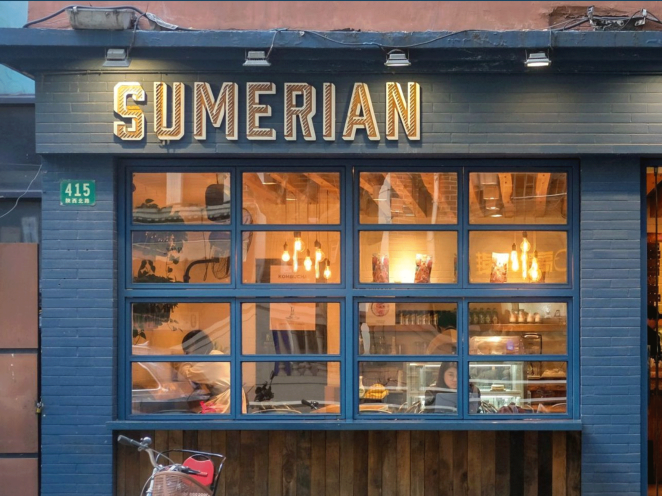
I’ve been back in the UK some years now, living on the Oxfordshire/Northamptonshire border after spending 13 years working in some of the world’s most exciting cities—Sydney, Shanghai, and Silicon Valley. I run my own practice, working with various clients.
What is your personal background and what role did it play in your career?
I grew up as a free-range kid in Cheshire, and the natural world has always influenced my work. Whether it’s prioritising sustainable design solutions or incorporating texture into branding—something that also stems from my textile screen printing years—nature and craft are always woven in.
If you weren’t in your current industry, what would you be doing?
Oh, I’d be screen printing my life away onto pretty much any surface possible!
Can you explain your creative process? What makes it unique?
Like most brand designers, I follow a structured process. It begins with deep conversations—understanding the client’s vision, their background, their story, and their needs. From there, I define their essence, archetype, and brand structure, which informs the ideation stage.
I develop 2–3 core concepts, building out their visual and narrative elements. Once the client selects a direction, I refine and expand it—this is where I bring in my point of difference: texture, imagery, pattern, and a concept rooted in authenticity. Finally, it’s rolled out across all applications, from print and signage to digital.
How would you describe your style?
As a graphic designer, I can apply various styles, but at my core, my aesthetic is minimal, tight, and refined, with a delicate yet thoughtful use of colour. There’s always an added layer—texture, pattern, or a tactile element—that grounds the brand in something deeper.
Which individuals do you gain inspiration from? Do you have any heroes in the industry?
I don’t have a single individual I look to. I find inspiration in all aspects of design, but particularly in art and nature.
What tips would you give to aspiring creatives looking for work?
Get your portfolio right. It’s all in the details—make sure your projects are refined and polished. Have a checklist for the obvious things: check your line endings, spelling, image quality, and presentation. And don’t overlook the writing—your case studies should clearly explain the problem, the solution, and the value you added. Be clear on what you’ve done on the project too.
What tips would you give to other professionals to get more clients?

Be proactive. Have conversations, build relationships, and make sure you’re known in your client’s world.
Can you share a memorable experience from your career journey that shaped your approach to creativity?
One of the most pivotal projects for me was designing The Apollo restaurant in Potts Point, Sydney. The thrill of shaping a space where people create lasting memories was a turning point. It reinforced my passion for hospitality branding and the kind of work I wanted to pursue.
What kind of tools/kit/software could you not do without?
Pen, paper, and Adobe Illustrator. There are plenty of tools that aid the process, but these are at the core—sketching, writing, and then bringing ideas to life digitally.
What’s your secret to staying inspired and motivated?
Inspiration is everywhere—it doesn’t matter where I go or what I’m doing, I’ll always find it. Motivation, on the other hand, ebbs and flows as a creative. Understanding yourself, your rhythm, and time management helps.
What’s the work achievement you’re most proud of?
Launching The Jesse Hotel & Bar in Reno, Nevada. I’d been working on restaurants, bars, and even nightclubs, but this was my first hotel project. It was a fantastic challenge, and even more rewarding because I’d worked with this client before—years earlier, I’d designed a cookbook for her. It was great to collaborate again.
As someone with experience in the industry, what trends do you foresee shaping the future of creativity?
I’m not a big fan of trends—great design should last. If your clients need to rebrand every few years because of trends, you haven’t done your job properly. That said, AI is obviously going to have a huge impact on the future. But the industry has already seen massive shifts—graphic design wasn’t all that long ago done entirely by hand! AI will be another tool, but human creativity and storytelling will always be irreplaceable.
What do you think sets apart truly exceptional creatives from the rest of the pack?
Unpicking the client’s problem and delivering a solution—simple as that.
How do you think technology has influenced the creative industries and how have you adapted to these changes?
Technology is just another tool in our work. Understanding it and using it effectively streamlines processes. The key is to keep learning. No matter how advanced AI or automation becomes, we’ll still need human ideas, storytelling, and craft.
What is the one thing that you would change about the industry?
People claiming to be experts in areas they have barely or no experience in.
Any websites, books or resources you would recommend?
For those starting out, Grid Systems by Josef Müller-Brockmann is a must-read. If you’re looking for business insights, The Business of Expertise is excellent. I also recently came across Palette Perfect, which explores color meanings across different cultures. Having worked internationally, I know how crucial it is to get cultural nuances right, and this book is a great resource for that.
Ken Gerhardt Photography July 3rd, 2025, in the afternoon
Good read, thanks... KGee