
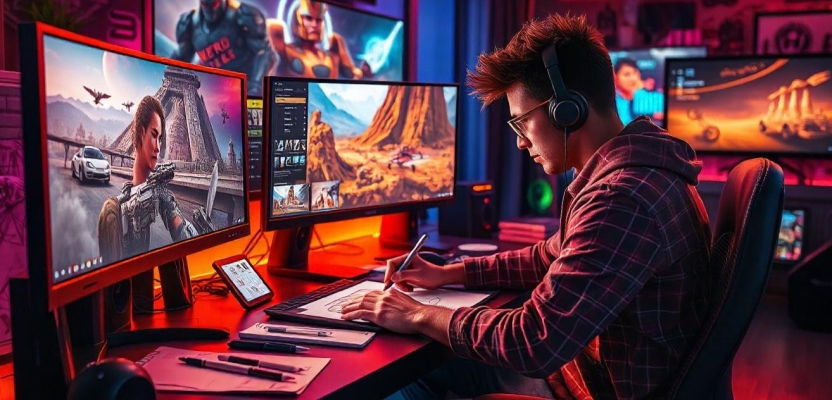

The gaming industry has been booming over recent years, and with the expansion of platforms and genres, the demand for skilled Gaming Artists has never been higher. From mobile games to AAA titles, a Gaming Artist plays a crucial role in shaping the visual and interactive aspects that captivate players and bring stories to life. However, hiring the right Gaming Artist can be challenging, as the skills required are diverse, and the landscape of Gaming Artist jobs is competitive. This guide will walk you through the process of hiring a Gaming Artist, explaining what to look for, and how to make your offer stand out.

Image Credit- Natalia Maca
Understanding the Role: What Does the Gaming Artist Do?
Before diving into hiring strategies, understanding what the Gaming Artist does is essential. The role varies widely, but generally, a Gaming Artist is responsible for creating visual elements in games, including characters, environments, assets, and UI components. Depending on the type of game and studio, the role can split further into specific job functions like:
- Concept Artist: Designs characters, settings, and assets in the early stages to set the visual tone.
- 3D Modeler: Builds 3D models of characters, items, and environments for 3D games.
- Texture Artist: Adds texture and details to 3D models.
- Animator: Brings characters and elements to life through movement.
- UI/UX Artist: Designs interfaces to improve the player experience.
Whether you’re developing a hyper-realistic game or an abstract indie experience, each Gaming Artist position requires a specific skill set, so defining your needs clearly is the first step.
Key Responsibilities of a Gaming Artist
Developing Unique Visual Styles to Enhance Game Identity
A major responsibility of a Gaming Artist is to create a visual style that aligns with and elevates the game’s core themes, genre, and audience expectations. This doesn’t only mean following the established art direction but also introducing unique elements that make the game stand out visually. For example, a fantasy game might need an ethereal, whimsical style, while a sci-fi game may require sleek, tech-forward designs.
Creating Detailed and Realistic Textures and Materials
Texture work is critical in today’s high-resolution games, and Gaming Artists are often tasked with designing and applying intricate textures and materials that make characters, environments, and items feel tangible. They must understand the properties of different materials (like metals, fabrics, and organic surfaces) to render them convincingly.
Implementing Realistic and Dynamic Lighting Techniques
Lighting is a powerful storytelling tool in gaming, and it’s often the Gaming Artist’s responsibility to set up dynamic lighting that guides players, builds mood, and highlights key elements. The artist needs to balance technical constraints with aesthetic goals, ensuring that lighting not only looks good but also performs well across platforms.
Optimizing Art Assets for Performance without Compromising Quality
Gaming Artists play a critical role in ensuring that the visual assets they create don’t hinder game performance, especially in highly detailed 3D environments. This involves reducing polygon counts, optimizing textures, and compressing files in a way that maintains visual quality while improving load times and frame rates.
Image Credit- Jonny Severn
What to Look for When Hiring a Gaming Artist?
Versatility in Art Styles and Adaptability to Project Needs
A great Gaming Artist should have the ability to adapt to various art styles and adjust their approach based on the specific project’s visual needs. Whether a project calls for realistic, stylized, low-poly, or pixel art, an adaptable artist can switch techniques and styles to meet the unique aesthetic requirements of each project.
Proficiency with Game Engine-Specific Tools and Processes
Beyond traditional art skills, look for a Gaming Artist who is comfortable working directly within game engines like Unreal Engine, Unity, or others specific to your studio’s pipeline. This proficiency allows them to place and test their assets within the game environment, ensuring that visuals look as intended under actual gameplay conditions. Artists who are familiar with engine-specific tools, such as lighting setups, shaders, and terrain tools, can integrate art assets smoothly and make necessary adjustments on the fly.
Understanding of Player Psychology and Visual Storytelling
Games are inherently interactive, and Gaming Artists should understand how visual elements can affect a player’s psychological experience. This might mean using color schemes that evoke specific emotions or designing character expressions and animations that help players form attachments. Artists who grasp visual storytelling can use subtle cues to guide players through levels, hint at danger, or create intrigue. For instance, in a mystery game, an artist might add mysterious symbols or shadows to arouse curiosity, while in an RPG, they may design landscapes that tell a story of past conflicts.
Ability to Balance Creativity with Technical Constraints
Look for a Gaming Artist who can produce creative and innovative visuals while respecting the technical limits of the project. Whether it’s reducing polygon count to prevent frame drops on mobile devices or adjusting textures for efficient rendering on VR platforms, an artist who understands the project’s technical requirements can deliver high-quality visuals without overloading the system. Artists who can creatively work within these constraints often find clever solutions that maintain aesthetic integrity while meeting performance goals, a critical balance in game development that prevents bottlenecks in production.
Should You Hire a Freelance or Full-Time Game Artist?
Choosing between a freelance Gaming Artist and a full-time hire can significantly impact both the creative and logistical aspects of your project. This decision largely depends on your game’s development stage, budget, and timeline. Here’s a breakdown of the pros and cons of each option to help you decide which approach best suits your needs.
Freelance Gaming Artist
Pros:
-
Cost-Effectiveness for Short-Term or Smaller Projects
Hiring a freelance Gaming Artist can be a budget-friendly option, particularly for indie developers or smaller studios working on limited-scope projects. You pay only for the specific tasks or assets you need, without committing to a full-time salary and benefits. -
Flexibility and Access to Specialized Skills
Freelancers often bring highly specialized skills to the table, and they’re accustomed to working on diverse projects. This means you can find an artist with the exact expertise you need, whether that’s hyper-realistic 3D modeling or UI design. -
Access to a Wider Talent Pool
Freelance marketplaces and industry platforms give you access to artists from around the world. This global reach allows you to find unique artistic styles or skill sets that may not be available locally, and you can tailor your hiring process to find someone whose work perfectly matches your vision.
Cons:
-
Less Long-Term Commitment and Loyalty to Your Project
Since freelancers typically work on multiple projects, they may not have the same commitment or loyalty to your game as a full-time employee. They may move on to other projects once their contract is complete, which can be disruptive if you need ongoing or evolving art support. -
Potential Communication Challenges and Limited Collaboration
Freelance work often means remote work, and coordinating with freelancers can sometimes lead to communication challenges, particularly across different time zones. Limited face-to-face interaction can make it harder for freelancers to fully understand and integrate into the team’s creative vision, which can be an issue in highly collaborative projects.
Full-Time Gaming Artist
Pros:
-
Consistency and Long-Term Project Investment
A full-time Gaming Artist is dedicated exclusively to your project, which fosters a sense of continuity, loyalty, and investment in the game's long-term success. They become familiar with the project’s style, storyline, and unique technical constraints, allowing them to produce consistent, high-quality work over time. -
Seamless Collaboration and Deeper Integration with the Team
Full-time Gaming Artists can integrate more fully with other departments, leading to smoother cross-functional collaboration. Working in close proximity (even virtually) with designers, developers, and project managers allows them to gain a deeper understanding of the game’s vision and objectives. -
Greater Adaptability to Project Needs Over Time
A full-time Gaming Artist can adjust to shifting priorities and evolving project needs more easily than a freelancer. Whether there’s a last-minute design change, a technical issue requiring immediate attention, or a new art style adjustment, full-time artists are more available to handle these changes without the need for renegotiation.
Cons:
-
Higher Costs for Smaller Studios or Projects
Hiring a full-time Gaming Artist comes with additional financial commitments, including a full-time salary, benefits, and potential relocation expenses if the role isn’t remote. For smaller studios or projects with limited budgets, this investment may not be feasible. -
Less Flexibility in Scaling Art Production
Full-time employees provide stability, but they can also limit flexibility if your studio’s needs change. For example, if you’re producing a game with a temporary surge in asset requirements, hiring several full-time artists might not be practical for a short-term workload increase.
Which Option is Best for You?
The choice between a freelance and full-time Gaming Artist depends on your project’s scale, timeline, and budget. Here are some guidelines to help you make the right choice:
-
Freelance Artists are ideal for indie developers, small studios, or short-term projects that need specific skills without the long-term financial commitment. They’re also suitable if you need particular expertise for a specialized asset but don’t anticipate ongoing work.
-
Full-Time Artists are better suited to larger studios or projects requiring continuous artistic input, asset updates, or evolving styles. If you’re developing a game with complex visuals, regular updates, or downloadable content, a full-time hire will ensure consistent quality and investment in your game’s long-term vision
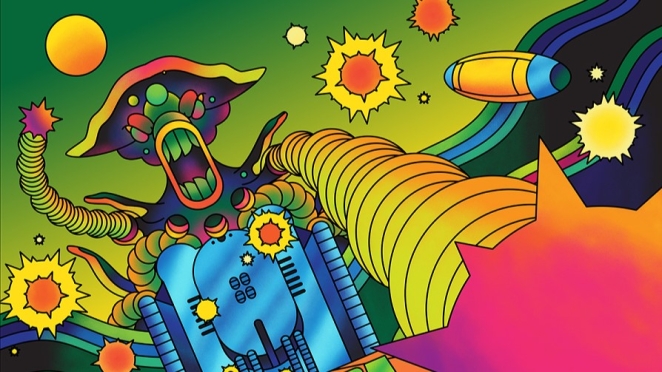
Image Credit- Scott Balmer
Using Creativepool
Looking to hire a Gaming Artist? Creativepool has thousands of talented members waiting to make your project shine.
There are 3 ways for you to find a Gaming Artist on Creativepool.
Search and Contact
Are you looking for more control over your collaborations and the selection process? Taking a proactive approach to talent scouting involves directly searching for talent and handpicking individuals you’d like to work with.
Here’s how it works: Simply search for a Gaming Artist and explore the results. You’ll have the opportunity to review their projects, CVs, and resumes, allowing you to make an informed decision for your next hire.
At Creativepool, we utilize a set of indicators to rank our members based on their job titles. By exploring the top 25 ranked Gaming Artists, you can efficiently discover the most talented individuals on our platform. However, don’t overlook the potential of finding untapped talent among our thousands of other skilled members.
Once you identify a professional whose style and experience align with your requirements, reach out to them directly by clicking on the message tab. If you have a specific vision for the type of creative professional you’d like to collaborate with, utilizing our search feature is the ideal approach.
Once you’ve discovered a professional whose style and experience resonate with your needs, reach out to them directly by clicking on the message tab. If you have a precise vision of the type of creative professional you’d like to collaborate with, searching is the ideal approach.
Post a studiogig
Looking for a freelance Gaming Artist? The quickest way to find available talent is to advertise your brief. With us, briefs for individuals are called studiogigs.
Posting your role is a simple process. Once you submit it, we kick into action behind the scenes to find the perfect talent for your requirements. After advertising your brief, all you need to do is sit back and wait for direct applications from interested candidates
Post a job
If you are looking for a permanent Gaming Artist, then advertising Gaming Artist jobs is the best way to attract talent. The process is identical to posting a studiogig.
Once you post your role, we’ll carefully review the advertisement details. We’ll then send job alerts to our community members who closely match your criteria, and your role will be prominently featured on our jobs board. Interested StudioGigs applicants will apply directly to you.
Whether you’re posting a job or a StudioGig, or if you’re searching for talent, rest assured that you retain full control over whom you choose to hire. There’s no obligation to select any of the applicants, and you can negotiate rates directly with them.
If you need any help on your talent hunt. You can chat with us or send us a message. We'd be happy to help.
Wrapping Up
Hiring a Gaming Artist is a multi-step process that requires a clear understanding of the role, targeted outreach, and a commitment to building a creative environment. With so many different specialties within Gaming Artist jobs, identifying your needs and crafting an enticing offer will help you attract and retain top talent. Whether you’re a small indie developer or a large studio, hiring the right Gaming Artist can be transformative for your project. Follow these steps to ensure you find an artist who not only fits your technical needs but also aligns with your creative vision and company culture.