

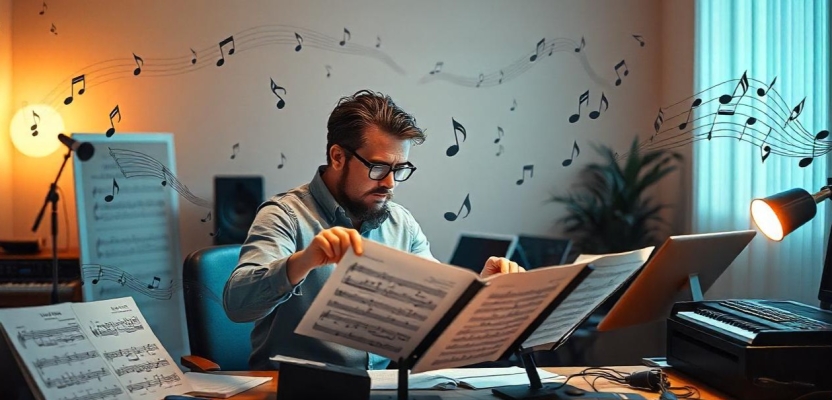

Hiring the right Composer is a pivotal step for any project needing music, whether it’s for a film, video game, commercial, or brand campaign. Music plays a critical role in storytelling, mood-setting, and creating memorable experiences. This guide will walk you through the key considerations and steps involved in hiring the perfect Composer for your project, ensuring you make an informed choice.
Understanding the Role of a Composer
What Does a Composer Do?
One of the first questions to consider is, what does the Composer do specifically for your project type? Generally, Composers are responsible for:
- Creating original music that aligns with the creative direction.
- Collaborating closely with directors, sound designers, and other creatives to ensure the music complements the project.
- Developing thematic motifs that enhance storytelling and create cohesion throughout a project.
- Adjusting compositions to match cues, transitions, or specific timings within a scene or sequence.
By defining the Composer’s role clearly, you’ll be better positioned to find someone whose expertise aligns with your vision.

Image Credit- Steven Van Hasten
Types of Composer Jobs
Before hiring, it’s helpful to know about different Composer jobs and their specializations. This knowledge can help you narrow down your search to those who best fit your project’s needs:
-
Film and Television Composers - These Composers focus on creating music for film, TV shows, and documentaries. They excel at enhancing the narrative flow and evoking emotions to align with visual storytelling.
-
Video Game Composers - Music in games is interactive and responds to player actions. Composers specializing in this field understand how to craft soundscapes that adapt to different game stages and enhance player immersion.
-
Commercial Composers - Composers who work on advertisements or brand campaigns are skilled at crafting catchy, memorable tunes that evoke the brand’s essence, often in short, impactful pieces.
-
Theater and Concert Composers - Those who compose for live theater, orchestras, or concerts create music intended for live performance, often working closely with performers and conductors.
-
Media Composers - These Composer jobs include creating music for online content, YouTube videos, podcasts, and other digital media. They are versatile and skilled in adapting to various formats.
Key Responsibilities of a Composer
Crafting Unique Sonic Signatures for Characters and Themes
A Composer plays a crucial role in creating "sonic identities" for key elements of the story, such as characters, locations, or major themes. This means developing signature motifs or recurring musical cues that make specific elements instantly recognizable to the audience.
Integrating and Syncing Music with Visual Cues
In media like film and gaming, music timing is essential. A Composer is responsible for ensuring that music aligns precisely with visual cues, such as a dramatic pause or a sudden action sequence. This requires close attention to rhythm, pacing, and scene transitions, along with expertise in tools that sync audio with visual media. They must also consider subtle cues like camera cuts, character expressions, and lighting changes, crafting music that enhances these visual details.
Designing Adaptive Music for Interactive Media
For projects like video games or VR experiences, Composers are tasked with creating “adaptive music” that changes in response to user actions. This unique responsibility requires a technical understanding of how to structure music that loops seamlessly, shifts intensity based on gameplay, or adapts to in-game events.
Developing and Pitching Musical Concepts
During the early stages of a project, Composers are often required to pitch initial musical ideas or concepts to the creative team. This goes beyond simply writing music; it involves presenting the “why” behind certain musical choices, explaining how a piece enhances the story, or offering multiple concept options. This responsibility requires strong communication skills and the ability to visualize the project’s overall arc and aesthetic, as well as persuasive skills to gain buy-in from directors, producers, or clients.
Orchestrating and Arranging for Diverse Instrumentation
While many Composers work digitally, they are often called upon to arrange music for live instruments or even full orchestras. This includes determining which instruments will play specific parts, how they will be layered, and which combinations will achieve the desired emotional effect. Skilled Composers understand the intricacies of each instrument and know how to arrange for unique instrument combinations, like blending traditional and digital sounds to create a more textured, complex score.

Image Credit- Oscar Cauda
Essential Qualities to Look for in a Composer
Storytelling Ability Through Music
A Composer doesn’t just create music; they use sound as a storytelling tool. They have a natural instinct for weaving themes, emotions, and character arcs into their compositions, enhancing the narrative at each turn. When evaluating candidates, look for evidence that they can make subtle shifts in music to mirror a story’s ups and downs, add tension, or signal change in a scene.
Emotional Intelligence and Empathy
The ability to read emotions accurately and translate them into music is a rare and valuable skill. Composers with high emotional intelligence can create pieces that resonate deeply with audiences, going beyond the surface of a scene or theme. Empathetic Composers excel at capturing the nuanced emotions your project requires, whether it’s joy, sorrow, suspense, or awe.
Proficiency in Genre-Bending and Fusion Styles
With more projects requiring cross-genre soundscapes, a Composer who can fuse different musical styles is an asset. Look for a candidate who has experience blending genres like orchestral and electronic, jazz and pop, or traditional and modern. This versatility not only provides fresh sounds but also allows the Composer to meet diverse project needs. Ask potential hires about their experience with genre fusion and how they might blend musical influences to create a unique and memorable score for your project.
Aptitude for Thematic Development and Recurring Motifs
Experienced Composers often use motifs—short, recurring musical phrases—to enhance storytelling, help audiences identify characters, or tie together parts of a narrative. A skilled Composer should be able to create themes that develop over the course of a project, adjusting subtly to reflect growth or change in the storyline or characters. This skill demonstrates a deeper level of composition that adds layers to the music, providing audiences with a cohesive, emotionally resonant experience.
Technical Proficiency with Advanced Sound Design Tools
Composers often use sound design tools alongside traditional composition techniques to produce modern, complex scores. A Composer with a strong command of digital audio workstations (DAWs) like Logic Pro, Ableton, or Cubase, along with sound libraries and virtual instruments, can push creative boundaries. Additionally, some projects may require spatial audio or surround sound, so familiarity with these technologies can be a game-changer, especially for immersive experiences in VR, AR, or gaming environments.
Image Credit- Neil Williams
Should I hire a Freelancer or an in-house composer?
When looking to hire a Composer, one of the first decisions is whether to work with a freelance professional or bring a Composer onto your team as an in-house employee. Both options offer distinct advantages and drawbacks, depending on the specific requirements and scale of your project. Here’s an in-depth look at the pros and cons of each choice:
Freelance Composer
Pros:
- Cost-Effectiveness: Freelance Composers are typically more affordable than hiring someone in-house. With a freelance contract, you’re paying only for the work done, without incurring overhead costs like benefits, paid time off, or office space.
- Flexibility: Freelancers can be hired on a project-by-project basis, allowing you to scale up or down based on the project’s needs. This makes them an ideal choice if you don’t have a continuous stream of projects requiring composition.
- Access to a Broader Talent Pool: Hiring a freelance Composer gives you access to talent from anywhere in the world, increasing the chances of finding someone with a unique sound or specific experience that aligns with your project’s vision.
- Specialization and Expertise: Freelancers often develop niche expertise, making it easy to find someone who specializes in a particular genre, instrument, or technology. If your project requires a unique skill set, freelancers can often provide highly specialized services.
Cons:
- Less Control Over Availability: Freelancers work on multiple projects, so they may not be available to make immediate adjustments or join meetings at a moment’s notice. This can be challenging for projects with tight deadlines or frequent last-minute changes.
- Limited Long-Term Collaboration: A freelancer may only be involved in a project short-term, limiting their ability to grow with the team and understand evolving brand or project nuances. They may not be as invested in your organization’s long-term goals.
- Variability in Quality and Reliability: Freelancers vary widely in terms of quality, reliability, and communication skills. Without a rigorous vetting process, you might encounter issues with freelancers who fail to meet deadlines or don’t respond promptly to feedback.
In-House Composer
Pros:
- Dedicated Focus and Accessibility: An in-house Composer is focused solely on your projects, giving them full availability for meetings, feedback sessions, and quick revisions. This makes them highly accessible for ongoing or collaborative projects that require real-time input and quick turnaround times.
- Deeper Brand and Project Understanding: An in-house Composer becomes part of your team, allowing them to develop a more intimate understanding of your brand, audience, and project needs. This long-term familiarity can lead to a more cohesive and tailored sound that aligns with the brand’s vision.
- Consistent Quality and Style: With an in-house Composer, you can develop a consistent musical style that aligns across projects, which is beneficial for brand cohesion. They can also maintain a continuous standard of quality, avoiding the variability that can sometimes come with freelancers.
- Simplified Communication and Collaboration: Working with an in-house Composer simplifies communication and collaboration with other departments, such as sound design, marketing, and production. They’re easily accessible, making it easier to align on project timelines and provide regular updates on progress.
Cons:
- Higher Long-Term Costs: Hiring an in-house Composer means covering a salary, benefits, and potentially additional expenses like equipment and software. This option is typically more costly than hiring freelancers, especially for projects with limited budgets or irregular music needs.
- Less Variety in Musical Styles: An in-house Composer may be limited in terms of stylistic versatility, particularly if they specialize in a certain genre or sound. This can lead to challenges if you require diverse musical styles across different projects.
- Limited Fresh Perspective: Unlike freelancers who frequently work on varied projects and bring new ideas, an in-house Composer may develop a style that’s heavily influenced by your organization, potentially limiting creativity or fresh perspectives over time.
- Less Access to Specialized Skills or Networks: Freelancers often invest time in specific areas of expertise and build networks in their niche. An in-house Composer may not have the same breadth of specialized skills or connections, which can be limiting if your project requires niche techniques or instruments.
What Should You Choose?
Choose a Freelance Composer If:
- Your Project Has a Defined, Short-Term Scope: If your project requires composition work on a one-time or short-term basis, a freelance Composer is likely the most cost-effective and flexible option.
- You Need Specialized Expertise: Freelancers often bring niche skills and unique stylistic approaches, making them ideal if your project requires specific technical abilities or genre knowledge.
- You Have a Limited Budget: Freelancers provide services on a per-project basis, allowing you to control costs without committing to ongoing expenses.
- Variety and Fresh Ideas are Important: If your project requires musical diversity, a freelance Composer who works across different genres and styles may bring a fresh perspective that’s harder to achieve with an in-house employee.
Choose an In-House Composer If:
- Your Organization Needs Ongoing Composition Work: For companies or teams that regularly produce content requiring original music, such as a game studio or a media production company, having an in-house Composer provides a steady, reliable resource.
- You Prioritize Brand Consistency: An in-house Composer can develop a musical style that reflects your brand’s voice across projects, ensuring cohesive audio branding over time.
- You Need Real-Time Availability and Dedicated Focus: If your project requires frequent revisions, quick responses to feedback, or close collaboration with other team members, an in-house Composer can be more accessible and responsive.
- Long-Term Collaboration is Key: For large-scale projects with extended timelines or evolving musical needs, an in-house Composer is often better positioned to grow with the team and adapt to changing project goals.

Image Credit- Oscar Cauda
Using Creativepool
Looking to hire a Composer? Creativepool has thousands of talented members waiting to make your project shine.
There are 3 ways for you to find a Composer on Creativepool.
Search and Contact
Are you looking for more control over your collaborations and the selection process? Taking a proactive approach to talent scouting involves directly searching for talent and handpicking individuals you’d like to work with.
Here’s how it works: Simply search for a Composer and explore the results. You’ll have the opportunity to review their projects, CVs, and resumes, allowing you to make an informed decision for your next hire.
At Creativepool, we utilize a set of indicators to rank our members based on their job titles. By exploring the top 25 ranked Composers, you can efficiently discover the most talented individuals on our platform. However, don’t overlook the potential of finding untapped talent among our thousands of other skilled members.
Once you identify a professional whose style and experience align with your requirements, reach out to them directly by clicking on the message tab. If you have a specific vision for the type of creative professional you’d like to collaborate with, utilizing our search feature is the ideal approach.
Once you’ve discovered a professional whose style and experience resonate with your needs, reach out to them directly by clicking on the message tab. If you have a precise vision of the type of creative professional you’d like to collaborate with, searching is the ideal approach.
Post a studiogig
Looking for a freelance Composer? The quickest way to find available talent is to advertise your brief. With us, briefs for individuals are called studiogigs.
Posting your role is a simple process. Once you submit it, we kick into action behind the scenes to find the perfect talent for your requirements. After advertising your brief, all you need to do is sit back and wait for direct applications from interested candidates
Post a job
If you are looking for a permanent Composer, then advertising Composer jobs is the best way to attract talent. The process is identical to posting a studiogig.
Once you post your role, we’ll carefully review the advertisement details. We’ll then send job alerts to our community members who closely match your criteria, and your role will be prominently featured on our jobs board. Interested StudioGigs applicants will apply directly to you.
Whether you’re posting a job or a StudioGig, or if you’re searching for talent, rest assured that you retain full control over whom you choose to hire. There’s no obligation to select any of the applicants, and you can negotiate rates directly with them.
If you need any help on your talent hunt. You can chat with us or send us a message. We'd be happy to help.
Wrapping Up
Finding and hiring the right Composer for your project can be an enriching experience that elevates the final result. By taking the time to understand what does the Composer do, the types of Composer jobs available, and how to evaluate potential candidates, you’re setting yourself up for a successful collaboration. Whether you need a single jingle or a complex soundtrack, a professional Composer will bring your project to life through the power of music.
Taking the time to research, interview, and clearly communicate with your chosen Composer will help ensure that the music they create is exactly what you need, adding that perfect finishing touch to your project.