
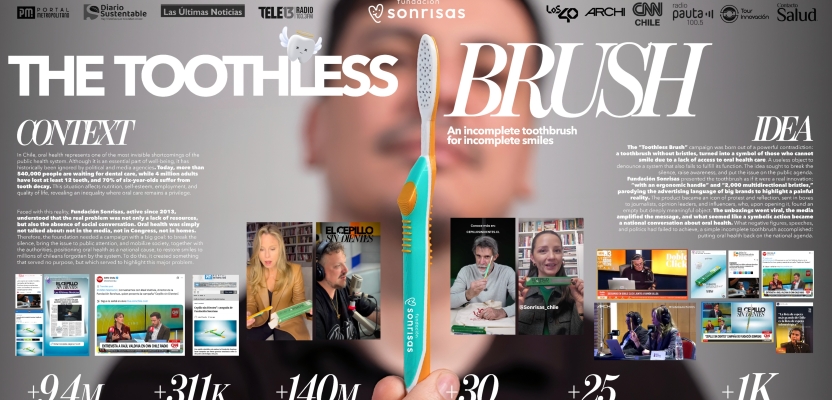

Oral health inequality in Chile has long been overlooked, rarely discussed in media, politics, or everyday conversation. In this campaign for Fundación Sonrisas, Inbrax set out to challenge that silence by reframing oral health not as a cosmetic concern, but as a fundamental human right tied to dignity, access, and social equity.
Led by Chief Creative Officer Pancho González, the team developed a strikingly simple yet disruptive idea: a toothbrush without bristles. This “Toothless Brush” became a powerful metaphor for systemic failure, transforming abstract data into a tangible, emotional experience. By turning absence into the message, the campaign cut through a crowded landscape and sparked a national conversation around healthcare inequality.
What was the brief?
 Fundación Sonrisas needed to address a structural invisibility problem: oral health inequality in Chile is severe, yet absent from media, political, and cultural conversation. The brief was to break the silence, reposition oral health as a matter of dignity and rights, not aesthetics and install it as a national cause capable of mobilizing citizens, media, and policymakers.
How did the initial pitch/brainstorming phase go?
The first conversations were not about creativity, but about perception. We realized the issue wasn’t a lack of data, there were alarming statistics everywhere. The problem was emotional disconnection. During brainstorming, we kept asking: how do you make absence visible? That question reframed everything.
What was the process behind ideating the concept?
We focused on metaphor. If people cannot access dental care, what does that feel like in everyday life? The breakthrough came when we considered the toothbrush, the most basic symbol of oral health. What if it didn’t work? A toothbrush without bristles instantly communicated systemic failure. It was absurd, simple, and powerful.
What was the production process like?
 We treated the brush as if it were a premium innovation launch. It was physically manufactured without bristles, packaged with the codes of major dental brands, clean white design, modern typography, clinical tone. The idea was to build credibility before revealing the contradiction. The product became the medium.
What was the biggest challenge during production? How did you overcome it?
The biggest challenge was balance. The concept relied on irony, but the issue is deeply sensitive. We had to ensure the execution felt thoughtful, not cynical. We overcame this by grounding every communication piece in real data and Fundación Sonrisas’ mission, making sure the metaphor served the cause, not the other way around.
What kit/tools/software were used to create the project?
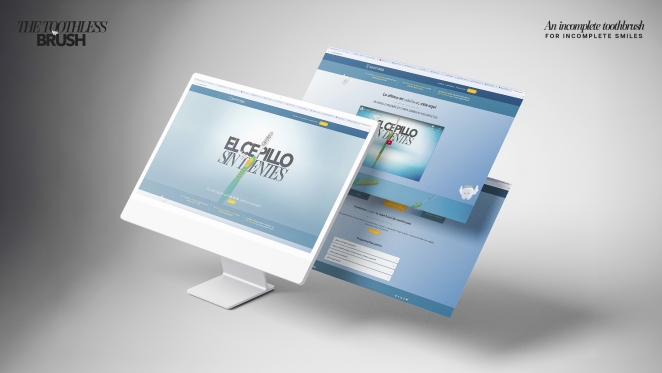
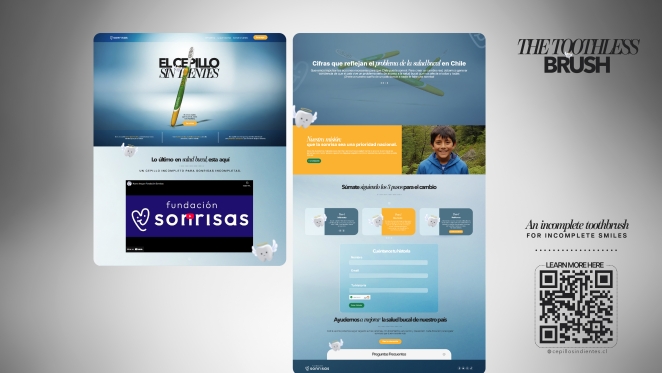
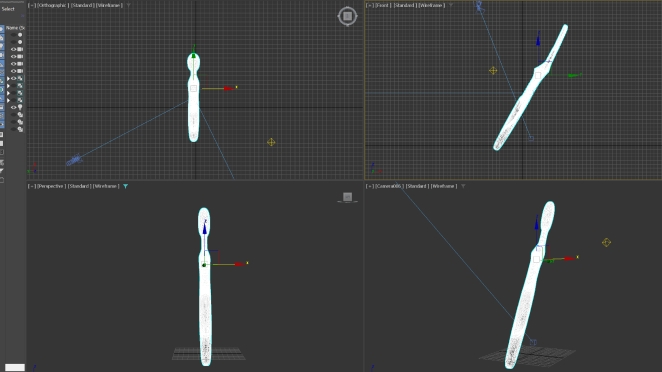
Industrial prototyping for the brush, packaging design software (Adobe Creative Suite), PR strategy tools, social media platforms, and a dedicated landing page. The most important “tool,” however, was strategic thinking, turning a physical object into a communication device.
What is one funny or notable thing that happened during production?
 When the first prototypes arrived, several team members instinctively tried brushing their teeth with them, before realizing the absurdity. That reaction confirmed the power of the idea: the absence was immediately felt.
What’s the main message of this project and why does it matter?
If a toothbrush doesn’t work, it’s useless. If a health system doesn’t provide access, it fails. The campaign reframes oral health as a right, not a cosmetic privilege. It matters because millions live with pain and exclusion due to something preventable.
How long did it take from inception to delivery?
Approximately 10 weeks from conceptual development to production, seeding, and national launch.
Can you describe the creative spark or inspiration behind the initial concept? Was there a specific moment or insight that ignited the idea?
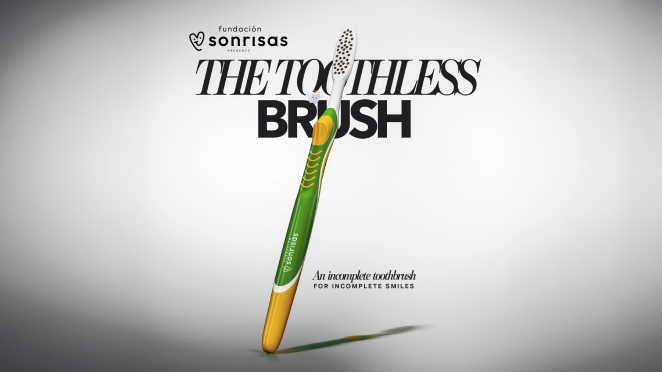 The spark came from a contradiction: a toothbrush without teeth. The absurdity made the inequality visible. The moment we said it out loud, we knew it condensed the entire problem into one object.
How did you ensure that the concept aligned with the brand's values, goals, and target audience?
Fundación Sonrisas advocates dignity and universal access. The idea amplified that mission without changing its tone. Instead of dramatizing pain, it created empathy through discovery, aligning perfectly with the foundation’s respectful and human-centered approach.
Were there any alternative concepts or ideas considered during the ideation phase? If so, what led to the selection of the final concept?
Yes. We explored awareness campaigns based on testimonials and statistics. However, they felt predictable and unlikely to break media inertia. The Toothless Brush stood out because it converted data into experience.
Can you discuss any collaborative or interdisciplinary aspects of the ideation process, such as working with other departments or external partners?
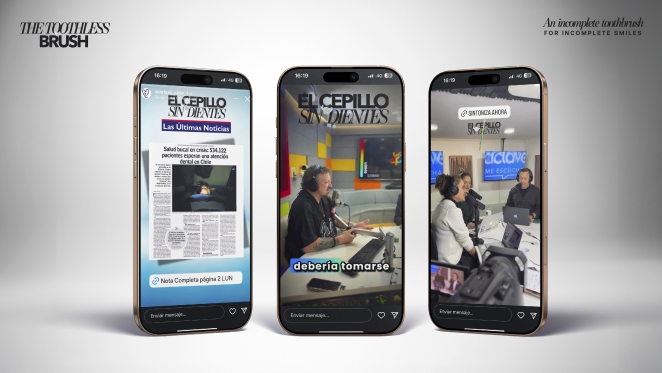
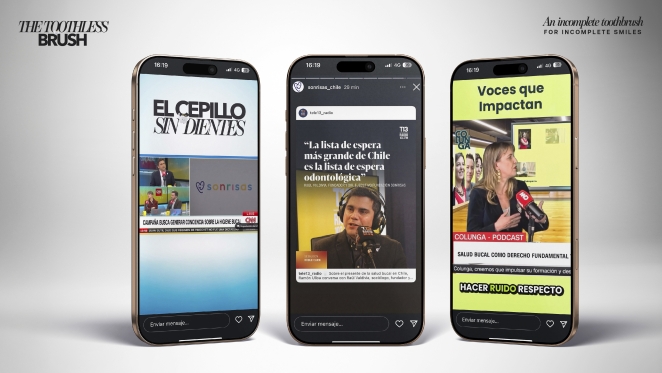
 The project involved creative strategy, product design, PR specialists, digital teams, and Fundación Sonrisas’ healthcare advisors. Collaboration ensured the idea was emotionally powerful and factually accurate. Grateful of working with Miranda y Tobar, Mediática, Dentsu X, Voxkom, La Motoneta, Al Vuelo Filmas and IXAI (Inbrax’s AI business unit).
What role did consumer research or market analysis play in shaping the concept and its execution?
Research revealed that most Chileans associate dental care with aesthetics, not health. This insight shaped the strategy: we needed to shift perception from cosmetic to systemic failure.
Can you discuss any unique or unconventional production techniques or approaches used to bring the idea to life?
Creating a deliberately useless product as the hero of the campaign was unconventional. We subverted the codes of innovation marketing to deliver social criticism.
How did you ensure that the concept remained innovative and stood out in a crowded marketplace?
 By removing rather than adding. In a saturated communication landscape, absence became the differentiator. The brush didn’t compete for attention—it created disruption through contradiction. In additon we researched to avoid any similar idea in the country.
What do you hope it achieves for the brand?
We hope it cements Fundación Sonrisas as the leading voice for oral health equity in Chile and strengthens its ability to influence policy, partnerships, and public awareness.
Credit list for the work?
CEO: arolina Pinheiro,
Chief Creative Officer: Pancho González
Creative Director: Cristian Chávez
Account Director: Jean Carlo Venti
Planning Director: Mundy Alvarez
Creative Supervisors: Joaquín Ballesteros, Bastián Billavicencio.
Audiovisual Supervisor: Sebastián Vega.
Account Executive: Javiera Gutiérrez.
Brand Planner: Nicols Fierro.
Influencer Manager: Francesca Baghetti
Social Media Manager: Pedro Rojas.
Art Director: Joaquín Ballesteros.
Copywriter: Bastián Billavicencio.
Audiovisua Art:. Tomás Klemencic.
Content Creator: Natalia Pereira
Content Creator: Nicole Araya
Production Co:, La Motoneta, Al Vuelo Films, IXAI
Media Agency: Dentsu X, Mediática
Audio Production: Miranda&Tobar
PR Co: Voxkom