



In today’s digital world, where online marketing and branding dominate, the importance of print design remains undeniable. Despite the surge in digital media, printed materials such as brochures, flyers, posters, magazines, packaging, and more continue to play a critical role in brand communication. This makes the role of a Print Designer essential for businesses seeking to make a tangible, lasting impact on their audience. In this article, we will delve into the role of a Print Designer, the skills required, potential salary expectations, and why companies should consider hiring one.
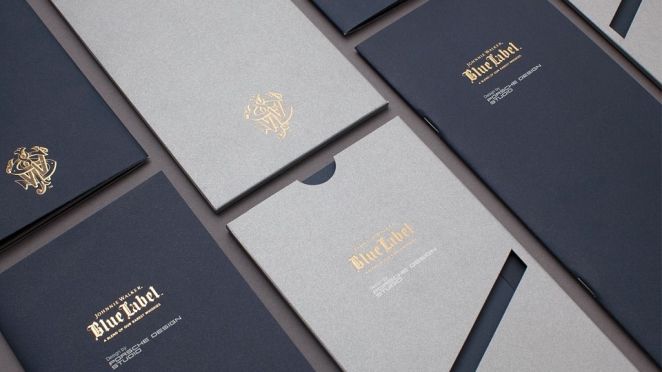
Image Credit- Chris Hopkins
Understanding the Role of Print Designer
A Print Designer is a professional responsible for creating visually compelling designs for various print media. These designers combine typography, images, and layout techniques to create marketing materials, editorial designs, or product packaging. The focus of their work is to ensure that the design is not only aesthetically appealing but also functional, effectively communicating the brand’s message while adhering to printing specifications.
Unlike digital design, where changes can be made quickly and without extra costs, print design demands a meticulous approach. Once a design is sent to print, correcting errors is often costly and time-consuming. Therefore, a Print Designer must have a strong understanding of the printing process, including color models, resolution, file formats, and paper types.
Essential Skills for a Print Designer
To thrive as a Print Designer, certain skills are indispensable:
-
Graphic Design Software Mastery: Proficiency in design software such as Adobe InDesign, Illustrator, and Photoshop is crucial. These tools allow Print Designers to create and manipulate layouts, images, and typography to achieve the desired visual outcomes.
-
Strong Understanding of Typography: Typography plays a vital role in print design. The ability to choose and arrange fonts to ensure readability and visual appeal is a key skill for any successful Print Designer.
-
Attention to Detail: Precision is key when it comes to print design. Print Designers must ensure that their designs are pixel-perfect, with the right alignment, margins, and color settings for print.
-
Knowledge of Printing Techniques: Whether it’s offset, digital, or screen printing, an understanding of printing processes is essential. This knowledge ensures that the designer’s work will be reproduced accurately and consistently.

Image Credit- Matt Chansky
Daily Tasks of a Print Designer
A Print Designer's daily routine involves a variety of creative and technical activities, many of which go beyond what one might expect in a traditional design role. While responsibilities such as conceptualizing and creating designs are well-known, a Print Designer also tackles several unique tasks on a regular basis:
Pre-Press Setup and Proofing
Print Designers often work closely with print shops to prepare files for production. Each day, they may spend time meticulously setting up print-ready files, ensuring correct bleed, trim lines, and safe zones are adhered to. They also handle pre-press proofing, where they review digital proofs (or printed proofs) to identify potential printing issues like color discrepancies, misalignments, or image resolution problems before production.
Color Calibration and Management
Print Designers work with specific color models such as CMYK (Cyan, Magenta, Yellow, Black) to ensure that the printed outcome matches the design accurately. Part of their daily tasks involves managing color profiles, calibrating monitors to match print colors, and ensuring consistency in shades across different media. This is crucial when printing materials across various formats or for different clients, as inconsistent color can drastically affect branding.
Font Licensing and Asset Management
A Print Designer is responsible for using the correct licensed fonts in their designs, ensuring they adhere to legal and brand guidelines. This task goes beyond just selecting typography; they regularly manage their digital assets (such as fonts, images, and vector graphics), making sure that they are licensed for commercial use and available for reproduction across print formats.
Vendor and Material Selection
Print Designers often engage in discussions with printing vendors to choose the best materials for a project. Whether selecting specific types of paper, finishes (such as matte or gloss), or specialized printing techniques (like embossing, foil stamping, or die-cutting), a Print Designer evaluates how these materials will affect the final look and feel of the product. This task is unique as it involves both design aesthetics and technical production knowledge.
Reviewing and Analyzing Print Samples
Part of a Print Designer's day can involve inspecting printed samples or attending press checks, particularly for larger projects or complex print jobs. They may request test prints or work with printers to review the physical output of their designs. This allows them to make final adjustments, such as tweaking colors or refining texture details, to ensure the print result aligns with their vision.
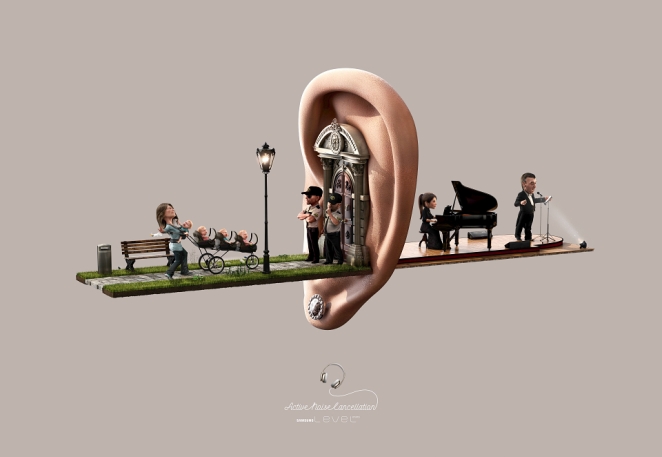
Image Credit- Ratheesh Radhakrishnan
Education and Training for a Print Designer
To become a successful Print Designer, a combination of formal education, hands-on training, and self-directed learning is essential. While there is no singular path to enter the field, aspiring Print Designers often follow these educational and training steps:
Bachelor’s Degree in Graphic Design or Related Fields
Most employers seek candidates who have completed a Bachelor's degree in Graphic Design, Visual Communication, or a related field. These programs provide a strong foundation in design principles, typography, color theory, and layout design. Courses in these programs also typically cover the use of essential design software like Adobe InDesign, Illustrator, and Photoshop, which are critical tools for Print Designers.
Specialized Courses in Print Design
In addition to general graphic design education, taking specialized courses in print production and print media design can give aspiring Print Designers an edge. These courses cover the technical aspects of working with print formats, understanding color models like CMYK, and preparing files for different printing processes such as offset, screen, and digital printing.
Hands-On Experience through Internships
Practical experience is key to becoming proficient in print design. Internships with print shops, design agencies, or companies with in-house design teams offer invaluable hands-on experience. During internships, Print Designers learn to work with clients, prepare files for print, and troubleshoot real-world print production issues. Internships also offer opportunities to build a professional portfolio, which is crucial when applying for jobs.
Certification in Graphic Design Software
While not always required, earning certifications in major design software like Adobe Creative Suite can set a Print Designer apart from other candidates. Many online platforms and design schools offer certification programs that validate proficiency in key tools like Adobe Illustrator, Photoshop, and InDesign, which are essential for preparing designs for print.
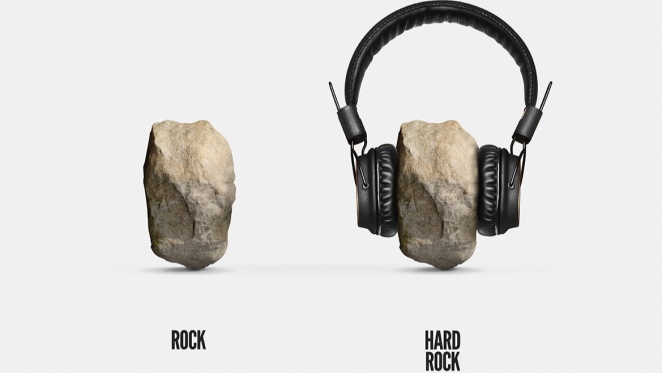
Image Credit- Viktor Bright
Getting In
The path to becoming a Print Designer can vary depending on your stage in life. Whether you’re a young person looking to explore the field or an adult seeking a career change, there are multiple ways to enter the profession.
For Young People
Young people interested in becoming a Print Designer can start preparing early by focusing on creative subjects and gaining hands-on experience:
-
High School Education: Begin by taking art, design, and technology courses during high school. Many schools offer graphic design electives or extracurricular activities such as yearbook design or poster-making for events, which can be a valuable starting point.
-
Explore Design Software: Start familiarizing yourself with popular design software like Adobe Illustrator, Photoshop, and InDesign. Many students can access free or discounted versions of these tools through school programs or student licenses.
-
Build a Portfolio Early: Even before pursuing formal education, young aspiring Print Designers should start building a portfolio by working on personal projects, school-related designs, or freelance work for friends or local organizations. This will help when applying for internships or design programs.
-
Pursue a Graphic Design Degree: After high school, consider pursuing a bachelor’s degree in Graphic Design or a related field. These programs typically offer courses specifically focused on print design, typography, and production methods, all of which are essential skills.
-
Internships and Part-Time Work: While in college, seek out internships or part-time jobs in design studios, marketing agencies, or print shops to gain hands-on experience. Many employers value practical knowledge gained through internships.
For Adults
If you're an adult considering a career switch or looking to enhance your skills as a Print Designer, there are several flexible paths to help you transition into this field:
-
Enroll in Graphic Design Programs: Adults returning to school can choose between full-time degrees or shorter certificate programs in graphic design, which often focus on the key aspects of print design. Many colleges and universities offer evening or online classes for working professionals.
-
Self-Study and Online Courses: If returning to school is not an option, there are many self-paced online courses that teach the fundamentals of print design and print production. Platforms like Coursera, Skillshare, and LinkedIn Learning offer affordable options to learn design tools and techniques at your own pace.
-
Build or Update Your Portfolio: Adults entering the design field need to showcase their skills with a professional portfolio. Even if you lack formal work experience, create mock projects or collaborate with small businesses or non-profits to build real-world examples of your design work. Include a variety of print projects, from packaging design to marketing collateral.
-
Networking and Freelancing: Adults transitioning into the design industry may find it helpful to network with other professionals through local design communities, professional organizations, or online forums like Creativepool. Freelancing is another option for gaining experience while building a portfolio, as it allows you to work on a range of projects for different clients.
-
Stay Current with Industry Tools and Trends: Since the field of print design evolves continuously, it’s important for adults entering the industry to stay updated on the latest tools, software, and printing technologies. Subscribe to design blogs, attend workshops, or participate in webinars to keep your skills current.
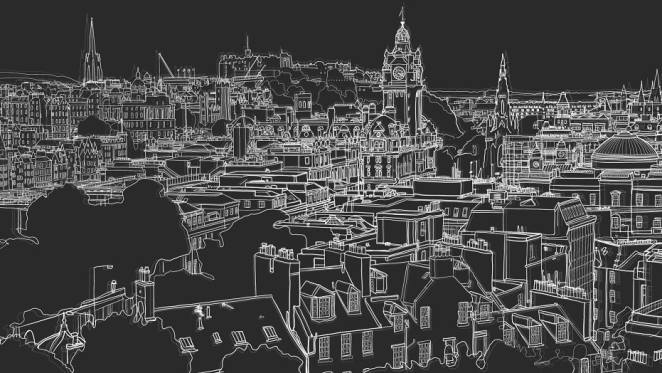
Image Credit- Sam
Salary Overview
A Print Designer's salary can vary based on factors like location, experience, and the size of the company. On average, entry-level Print Designers in the UK can expect to earn around £31,901 per year, while more experienced designers may earn upwards of £48,496 annually. Freelance designers may charge on a per-project basis, with rates ranging from £10 to £200+ per hour depending on the complexity of the project and their experience.
Factors that affect a Print Designer's salary include:
- Geographic Location: Salaries tend to be higher in cities with a large creative industry presence, such as Buckinghamshire, Sussex, and London.
- Experience and Portfolio: As with most design jobs, a robust portfolio and years of experience can significantly boost earning potential.
- Industry: Designers working in high-demand industries like fashion, packaging, or advertising may command higher salaries compared to those working in less competitive sectors.
Using Creativepool
Looking to hire a Print Designer? Creativepool has thousands of talented members waiting to make your project shine.
There are 3 ways for you to find a Print Designer on Creativepool.
Search and Contact
Are you looking for more control over your collaborations and the selection process? Taking a proactive approach to talent scouting involves directly searching for talent and handpicking individuals you’d like to work with.
Here’s how it works: Simply search for a Print Designer and explore the results. You’ll have the opportunity to review their projects, CVs, and resumes, allowing you to make an informed decision for your next hire.
At Creativepool, we utilize a set of indicators to rank our members based on their job titles. By exploring the top 25 ranked Print Designers, you can efficiently discover the most talented individuals on our platform. However, don’t overlook the potential of finding untapped talent among our thousands of other skilled members.
Once you identify a professional whose style and experience align with your requirements, reach out to them directly by clicking on the message tab. If you have a specific vision for the type of creative professional you’d like to collaborate with, utilizing our search feature is the ideal approach.
Once you’ve discovered a professional whose style and experience resonate with your needs, reach out to them directly by clicking on the message tab. If you have a precise vision of the type of creative professional you’d like to collaborate with, searching is the ideal approach.
Post a studiogig
Looking for a part-time Print Designer? The quickest way to find available talent is to advertise your brief. With us, briefs for individuals are called studiogigs.
Posting your role is a simple process. Once you submit it, we kick into action behind the scenes to find the perfect talent for your requirements. After advertising your brief, all you need to do is sit back and wait for direct applications from interested candidates
Post a job
If you are looking for a permanent Print Designer, then advertising a Print Designer job is the best way to attract talent. The process is identical to posting a studiogig.
Once you post your role, we’ll carefully review the advertisement details. We’ll then send job alerts to our community members who closely match your criteria, and your role will be prominently featured on our jobs board. Interested StudioGigs applicants will apply directly to you.
Whether you’re posting a job or a StudioGig, or if you’re searching for talent, rest assured that you retain full control over whom you choose to hire. There’s no obligation to select any of the applicants, and you can negotiate rates directly with them.
If you need any help on your talent hunt. You can chat with us or send us a message. We'd be happy to help.
Wrapping Up
Whether you’re looking to improve your brand’s visual identity or simply need expertly crafted brochures, hiring a Print Designer is a sound investment. With their unique blend of skills, experience, and understanding of print production, these designers ensure that your materials stand out, communicate effectively, and leave a lasting impression.
So, if you're looking to create exceptional print materials for your business, don't hesitate to hire a Print Designer. Their expertise will elevate your brand and bring your designs to life in the physical world. Whether you need packaging, brochures, or posters, a Print Designer is the key to achieving high-quality, professional results.