

Katie Jessica is a London-based freelance art director, scenic painter, and set designer whose work bridges the worlds of theatre, commercial sets, and community art. With a background in psychology and art therapy, Katie brings a unique sensitivity to every project, creating spaces that tell stories, evoke emotion, and leave lasting impressions. From building immersive sets for drag shows and burlesque festivals to supporting children through creative programs, her versatile approach blends artistic skill with human insight.
Katie’s journey into the creative industries is as inspiring as her work itself. Beginning her career in education, she used art as a tool for expression and healing, helping children navigate emotional challenges. Over time, her passion for storytelling and visual expression evolved into a full-fledged career in set design and art direction. Today, Katie’s expertise spans theatre, commercial projects, and private commissions, making her a sought-after creative professional whose work is defined by imagination, inclusivity, and emotional impact.
How did you first get into the industry?
I started out in education, working for a decade with children with special needs, disabilities, and emotional behavioural disorders. Art was always central to how I connected with them, both as a form of expression and therapy. Alongside my work in schools, I explored creative aspects of my role and how I could use art therapy techniques to support the young people I worked with. In 2017, I began working with some of the children and young people affected by the Grenfell tower fire, using art and art therapy to help them work through feelings of loss and grief. That experience reinforced my belief in the transformative power of art.
A good friend and I then started a community initiative where we offered half-term creative camps to children – at the end of the week, the kids would put on a show with backdrops, props, costumes etc all created by them. Eventually, a friend I have who works in Art Direction suggested I came on set to support one day, and I loved it. From there, I began getting more opportunities to assist on sets and then began getting my own set design and art direction roles.
Where are you based now and who do you work for?
I am currently based in London where I have grown up. I work freelance as an art director, scenic painter, and set designer, collaborating with a variety of production companies, agencies, and theatre groups, as well as taking on private illustration and mural commissions. I also still teach; one day a week I work with children in their homes who need a bit of extra support with their learning, but I spend most of my week creating art.
What is your personal background and what role did it play in your career?
I have a background in educational and psychological sciences; my undergrad and master’s degrees are both in psychology. My time spent working with vulnerable children and young people gave me an understanding of people and spaces, particularly the way people relate to and react to different spaces. Whether I'm designing a set or creating a mural, I think about emotional impact, accessibility, and storytelling. My training in art therapy also helps me navigate creative direction in a more mindful way.
If you weren’t in your current industry, what would you be doing?
Most likely I’d still be working in education or community outreach, probably continuing to carry out therapeutic art programs. I’m deeply committed to using creativity as a tool for social change, so I’d be finding a way to bridge those worlds.
Can you explain your creative process? What makes it unique?
My creative process always starts with chaos - scribbled spider diagrams, endless lists, references and rough sketches. I let ideas spill out before shaping them into something meaningful. I’m always thinking about the emotional journey - how the space or image will feel to someone experiencing it. Collaboration is also central to my process. I spend a lot of time listening to clients, performers, and fellow creatives – I find it useful to consider different perspectives.
How would you describe your style?
It sounds so cliché, but maybe versatile? By that I mean, I can be on a commercial set one day, helping a child illustrate a book they’ve written the next day, and that evening be creating a stage set for a drag show…my days are all very different! So, style-wise, they require an adaptable approach. I like mixing texture, light in ways that invite people to feel something, not just see it. I also believe that storytelling is so important in what I do, and so I work to ensure my work tells a story. When I am drawing and illustrating, I use thick black lines to separate colour – I spent a lot of my childhood admiring stained glass windows.
Which individuals do you gain inspiration from? Do you have any heroes in the industry?
Vivienne Westwood (RIP) is and always will be a huge inspiration to me, not just for her fashion, but for how she used her platform and aesthetic to disrupt, provoke, and communicate complex ideas. Her approach to structure, both in clothing and in thought, has always stood out to me. She challenged conventional silhouettes, combining historical references with a punk sensibility that felt raw and rebellious. Her ad campaigns were never just about selling clothes, they were statements. She infused them with political messages, satire, and social critique. That kind of layered storytelling resonates with me. Westwood really understood the subconscious power of visual language; she used fashion as a tool to make people feel something, even discomfort, and that’s where transformation happens.
I also draw a lot of inspiration from the queer community and the world of drag. There’s a level of psychological awareness in how drag performers play with persona, gender, and archetype, it’s a kind of living art therapy. You’ll never meet someone more impressive than a drag artist. Drag is one of the most dynamic and multidimensional art forms - it’s a one-person production house. A drag performer is often their own set designer, costume maker, makeup artist, concept developer, choreographer, performer, and creative director all in one. That level of resourcefulness and self-sufficiency is something you just don’t see anywhere else! They’re scrappy, smart, glamorous, and visionary all at once, there is so much to learn from that level of artistry.
What tips would you give to aspiring creatives looking for work?
Start where you are. Say yes to community projects that speak to you - it can lead somewhere. And be kind! Relationships matter just as much as talent. If you can build a positive working relationship with someone, you’re halfway there. So, lead with compassion, and don’t give up!
What tips would you give to other professionals to get more clients?
Be clear about what you offer and what makes you different. Follow up on conversations. Show your process, not just the polished result - people love to feel they are a part of theprocess. And don’t underestimate the power of word of mouth and local community connections. Also, as with anything, it’s a numbers game! Reach out to everyone you can think of and then think of more people and reach out to them too! Be cheeky – if you don’t ask, you don’t get.
Can you share a memorable experience from your career journey that shaped your approach to creativity?
Honestly, I learn so much through every project and experience I have been lucky enough to be involved with, and the incredible creatives I have worked alongside. I think the experience that shaped my approach the most has been working with children going through tough times; supporting them in creating art during a time of immense grief really cemented my understanding of creativity as a lifeline, and as a way we can express ourselves when the words aren’t there.
What kind of tools/kit/software could you not do without?
A pencil! I do a lot of initial planning with lists, spider diagrams and sketches. I find this is the best way for me to get my ideas organised, then I create a plan of the order I am going to do things in, before I even open my laptop.
What’s your secret to staying inspired and motivated?
Staying inspired for me is less about constant output and more about staying connected, both to people and to curiosity. I’m most energised when I’m around others who are passionate about what they do. I also really value my downtime; inspiration comes when you allow space for it!
What’s the work achievement you’re most proud of?
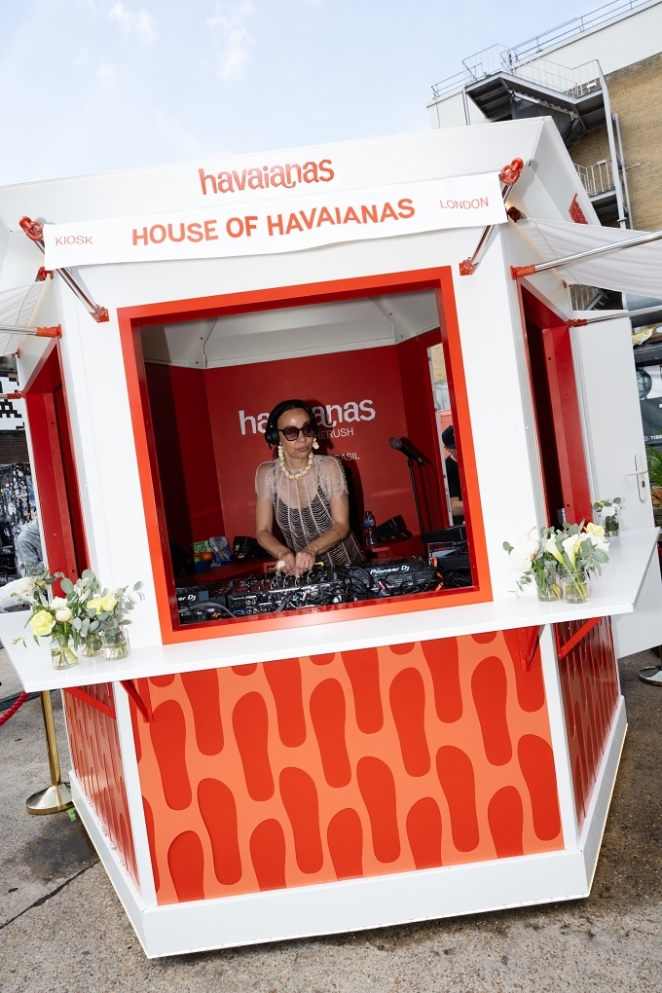
I have had some incredible opportunities within the industry, and I feel proud of all of the projects I have been a part of – I got to build sets for Bunny Shaw and Grace Clinton! But if I think about which job I have felt the most proud of, it was a real honour to create the set for the inaugural Black Burlesque Festival in 2024, I am very proud to have been involved in such a beautiful celebration of diversity in cabaret. They’ve invited me back for the 2025 festival too and I honestly can’t wait!
As someone with experience in the industry, what trends do you foresee shaping the future of creativity?
I see more cross-disciplinary work—psychology, social justice, and digital tech blending with traditional art. There’s a growing hunger for authenticity, for creative work that means something. I also think access and inclusion will (and should) become even more central. I think with increased accessibility to creativity, we are going to see some exciting changes in the industry.
What do you think sets apart truly exceptional creatives from the rest of the pack?
Emotional intelligence. You can teach technique, but sensitivity to story, space, and people is rare and powerful. Exceptional creatives make others feel seen, not just impressed. Also, putting other people on, bringing other people in – there is enough room for all of us, and I think the truly exceptional creatives are the ones who do not feel threatened by new talent, but excited by and supportive of it.
How do you think technology has influenced the creative industries and how have you adapted to these changes?
Tech has massively expanded possibilities in the creative industries and has definitely opened up access. From digital sketching and 3D modelling to virtual set previews, I use tech in all of my projects. It is useful, and these new tools are exciting, but I’d be lying if I said it wasn’t a little intimidating at times, especially as the human, tactile side of creativity is what drew me to this work in the first place. But I try to see tech as an extension, not a replacement. I use technology where it enhances the storytelling, but I wouldn’t let it steer the creative process on its own.
What is the one thing that you would change about the industry?
Access. There’s so much talent that never gets through the door. I have been extremely fortunate to have been granted access into this industry, and I am committed to holding the door open for others. I’d love to see more programs that bring in young people from underrepresented backgrounds and mentor them properly - not just token opportunities, but real skill-building and shadowing. And I’d make unpaid internship work illegal – if someone is good enough for you to have them working on your project, they’re good enough to be paid for their work.
Any websites, books or resources you would recommend?
I would recommend going anywhere that you can see the work of other creatives. Go to galleries, go to concerts and cabaret shows, fringe theatre, community art spaces, anywhere that artists are taking risks and experimenting. Some of the most innovative design work I’ve seen has been on a tiny stage in a basement somewhere. Being out in the world is the best resource. Some of the most intricate work you see might be a wrought iron gate with elaborate scrollwork that gives you an idea for a set build. Go for a walk and draw inspiration from shop window designs. Sit in the audience, watch how a space transforms a story, talk to performers, observe how people respond to visual environments. It’s all research.