
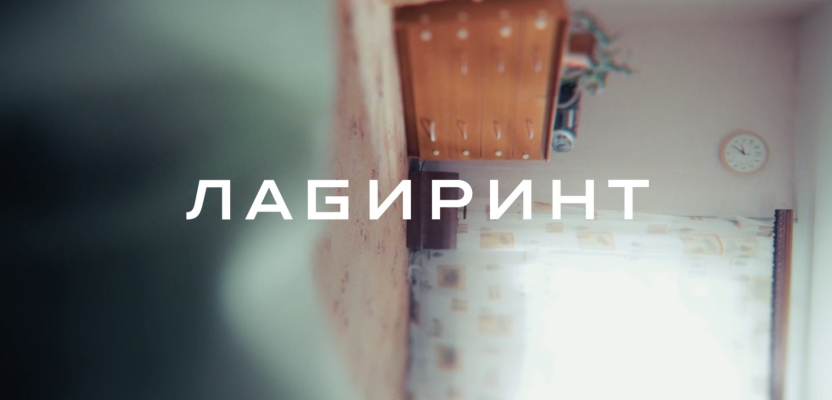

When Andrei Gubaidullin, creative director at Voskhod Agency, set out to create Labyrinth, the intention was deeply human: to support patients, families and doctors affected by dementia, and to honestly depict what unfolds inside the mind of someone living with the disease. Rather than observing from a distance, the team aimed to place viewers directly in the protagonist’s shoes, experiencing confusion, fragmentation and disorientation firsthand.
Working within a limited budget, the agency opted for a first-person, one-take execution that reduced production costs while intensifying immersion. From meticulous rehearsals in a cramped real-life apartment to extensive post-production completed in their spare time, every creative decision served a single purpose: authenticity. The result is a powerful piece that has drawn international attention and continues to be used by medical professionals as an educational tool, reinforcing its core message: remember those who don’t.
What was the brief?
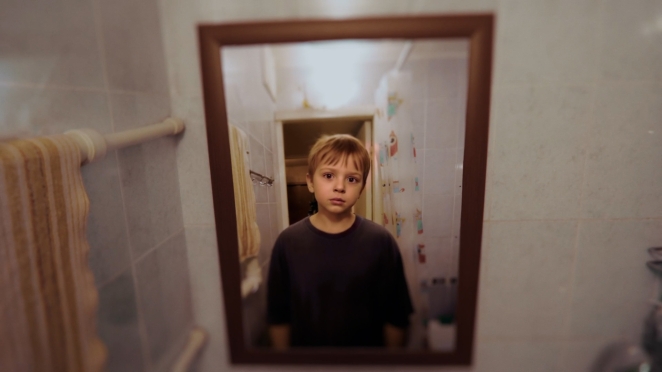 First and foremost, we wanted to support those who are fighting this terrible disease: patients, their families, and doctors. We also set ourselves the task of honestly showing what goes on in the mind of a person with dementia and trying to put the viewer in their shoes.
How did the initial pitch/brainstorming phase go?
At the initial stage, there were many brilliant execution options, but we had a very limited budget, so we decided to think in terms of a first-person view, which significantly reduces the cost of actors, makeup, and costumes.
What was the process behind ideating the concept?
We chose a musical composition with the telling title Labyrinth. Then, step by step, movement by movement, we thought through and connected the actions taking place in the video so that everything could be shot in one take. Initially, there was more action in the video, but we had to change a lot, or even remove some things from the script during the production stage.
What was the production process like?
We rehearsed a lot, there were many takes, because the first part was filmed in one shot: sometimes bed linen fell out of the wardrobe, sometimes the production designer's legs got in the frame.
Then came the post-production stage, which took twice as long as we had anticipated. We did all the post-production ourselves, in our spare time, which was very limited back then.
What was the biggest challenge during production? How did you overcome it?
 The most difficult part was finding a location that looked like a real apartment belonging to an elderly person and met all the filming requirements, because we didn't have the budget to create the entire interior in the studio. We looked at about 30 different locations and chose the one you can see in the video. The only problem with this location was that there was very little space, so we had to reduce the filming crew, which also allowed us to cut the budget.
What kit/tools/software were used to create the project?
A Sony camera, a helmet. Autonomous lighting, Adobe Premiere and After Effects for editing and effects, DaVinci for color correction — not too many tools.
What is one funny or notable thing that happened during production?
During rehearsals and filming, to ensure that the crew followed a specific order of actions, I would shout out the names of the people whose turn it was to do something at that moment. At some point, I got confused with the names and chaos ensued. In the end, I just shouted out things and actions: throw the blanket in the closet, lay out the sheet, hide the frying pan, etc., but the idea of mixing up names became the basis for the video credits.
What’s the main message of this project and why does it matter?
The message is spelled out at the end of the video: Remember those who don’t. We wanted to say that those whose lives are turning into a series of “blank spots” need support.
How long did it take from inception to delivery?
Almost a month
How did you ensure that the concept aligned with the brand's values, goals, and target audience?
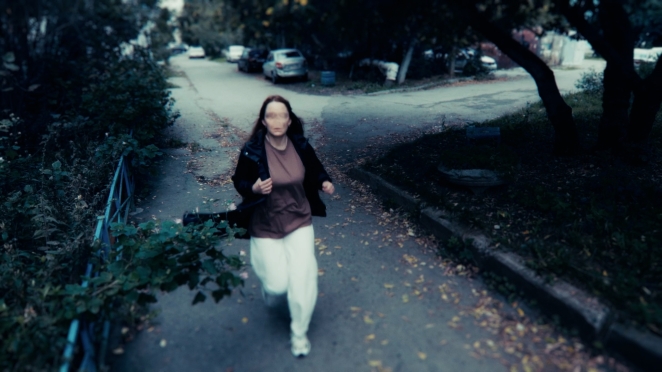 We dug through a bunch of material on dementia and watched many interviews with doctors, relatives, and patients. We always try not to play at authenticity, but to be authentic for our audience. To do this, we don't embellish life, but show it as it is.
Were there any alternative concepts or ideas considered during the ideation phase? If so, what led to the selection of the final concept?
There were many good concepts, but the winner was the one that most accurately depicted the condition of a person with dementia and fit within the budget.
Can you discuss any collaborative or interdisciplinary aspects of the ideation process, such as working with other departments or external partners?
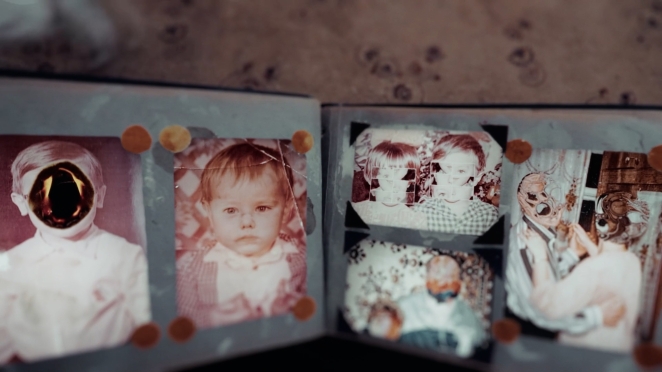
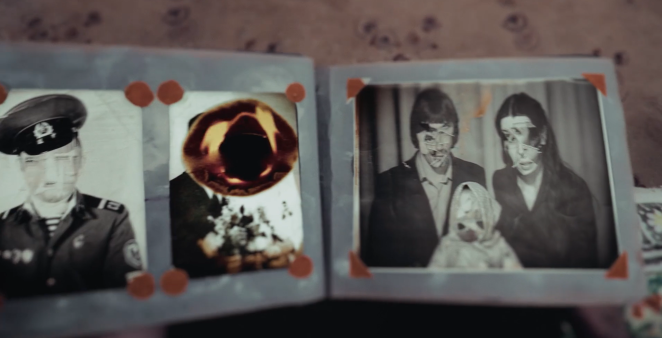
Initially, we attempted to generate the “elusive” effects of faces in the album photos using AI, but ultimately our design department created them on their own. The result was outstanding.
What do you hope it achieves for the brand?
 The Labyrinth video helped draw attention to the problem through extensive media coverage, including foreign media. The clip is in demand among the professional medical community, who use it for educational purposes in their lectures.
Credit list for the work?
Anton Rozhin – creative director
Andrei Gubaidullin – creative director / film director
Georgii Kornilov – copywriter
Artem Epanchintsev – copywriter
Ilya Starikov – copywriter
Denis Khaziakhmetov – copywriter
Production – Snyato nami
Music: Interwall