

From graphic design to children’s book illustration, Andrea Noca has built a creative career shaped by storytelling, structure, and expressive visual thinking. Originally from Barcelona and now based in Manchester, Andrea blends her background in education and design to create colorful, character-driven work that connects with younger audiences in a meaningful way.
In this interview, Illustrator & Graphic Designer Andrea shares insights into her creative process, the importance of networking, how technology and AI are influencing the creative industries, and why developing a unique artistic voice matters more than ever. She also discusses the inspiration behind her personal project Kira, the realities of freelance illustration, and the lessons she’s learned from working across publishing, editorial, and design-led commissions.
How did you first get into the industry?
 I actually started out in graphic design, and honestly, that background still shapes everything I touch today. It trained my brain to think about composition, structure, and clarity—not just making things look "pretty."
Over time, I found myself naturally leaning towards illustration and storytelling. I fell in love with children’s books specifically, because that’s where those design principles really shine. For me, it’s not just about drawing pictures; it’s about taking the reader by the hand and guiding them through a story visually, making sure it feels clear, fun, and emotionally "right."
Where are you based now and who do you work for?
I’m originally from Barcelona, but these days you’ll find me in Manchester, UK. I work as a freelance illustrator, which is great because it lets me collaborate with people all over the map, although most of my work is currently based between Spain and the UK.
Right now, most of my projects are split between Spain and the UK. I do a bit of everything, from editorial and publishing to design-led commissions. I love that variety; it keeps me on my toes and stops my work from ever feeling static.
What is your personal background and what role did it play in your career?
My path has been a bit of a journey, actually. I originally trained as a teacher, but about two years after graduating, I decided to dive into graphic design and visual communication. At first, it felt like I was starting a completely different chapter, but looking back, those two worlds have basically become the two pillars of everything I do now.
Having that foundation in education gave me a real insight into how kids think, feel, and truly connect with stories. Then, design gave me the technical "bones" to communicate those ideas with clarity and structure. I like to think my work lives right at the intersection of the two—blending emotional awareness with solid visual thinking. It’s a mix that’s become a huge part of my identity as an illustrator, especially when I’m creating things meant to really click with a younger audience.
If you weren’t in your current industry, what would you be doing?
 When I was a kid, I was absolutely convinced I was going to be a professional dancer… which, looking back, feels more like a lovely dream than a solid career plan!
On a more realistic note, if I hadn’t made the jump into graphic design as a second career, I’d almost certainly be teaching in a classroom. I’ve always loved working with kids; there’s an energy there that I’ve always been drawn to. In a way, I feel like I’ve actually found the best of both worlds. I still get to connect with that younger audience, just through storytelling and art instead of a whiteboard.
Can you explain your creative process? What makes it unique?
I’d love to tell you that I have this perfectly streamlined, step-by-step process… but the truth is, it’s a bit of a mess!
The funny thing is, I’m actually incredibly OCD when it comes to organization and order in my daily life. And while I do have a system in place, it’s never quite the same twice. I always start by planning and really trying to get inside the brief, but as soon as I have even a rough spark of an idea, I just want to dive right into the drawing.
I’ve tried to be "orderly" and follow more rigid methods in the past, but I’ve realized that my best work happens when I let things be a little chaotic. Even though I love a good system, allowing myself to jump back and forth between stages is where the magic usually happens.
How would you describe your style?
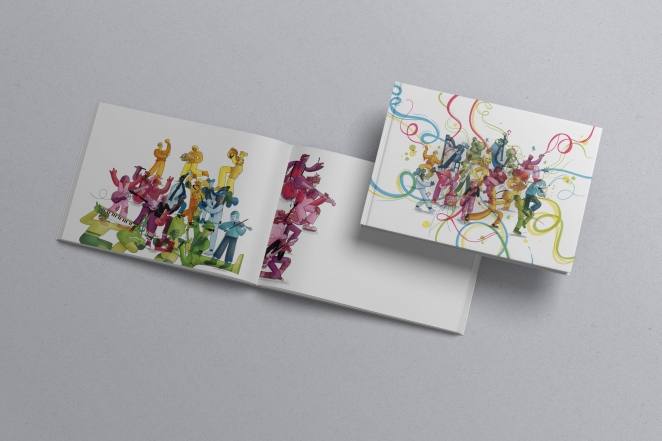
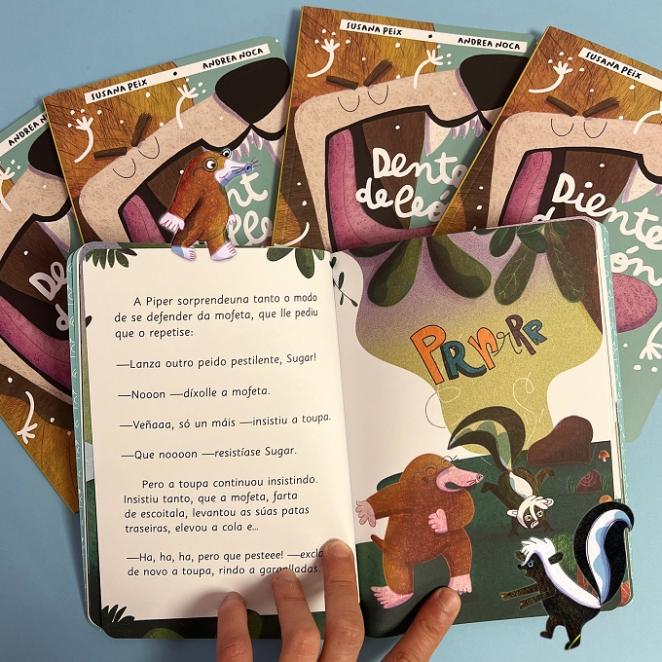
People usually describe my style as colorful, quirky, and full of personality. It’s actually one of the things I hear most from art directors and editors, especially during those intense portfolio reviews at the Bologna Children’s Book Fair!
I tend to go for bold colors and really expressive characters. It’s funny, because most people can tell immediately that I have a background in graphic design just by looking at how I frame a scene. I like my work to feel playful and character-driven, but there’s always that hidden layer of structure underneath. To me, an image has to feel alive and personal, but it also has to "read" clearly for the person looking at it.
Which individuals do you gain inspiration from? Do you have any heroes in the industry?
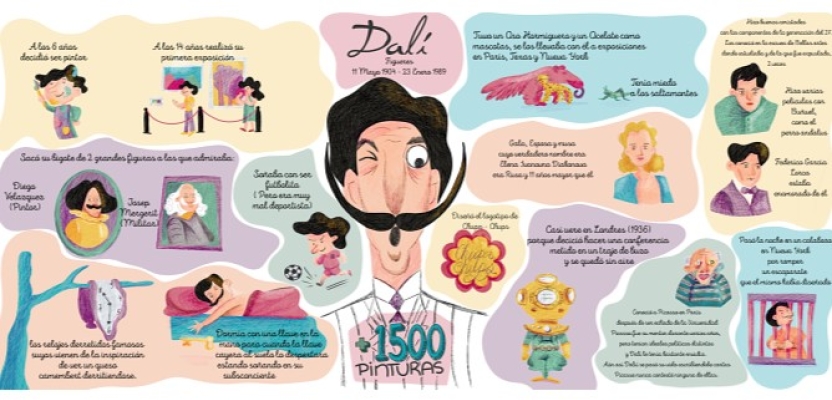
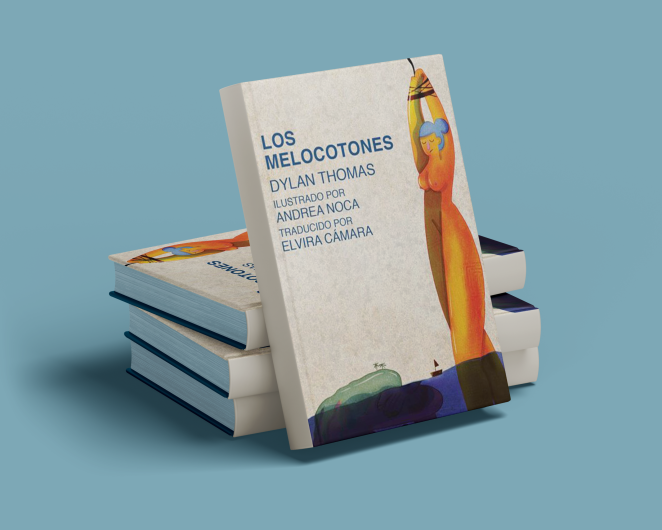 A lot of my inspiration actually comes from modern and contemporary art rather than just children’s books. I’ve always been heavily influenced by artists like Andy Warhol, Basquiat, Dalí, or Picasso. They’ve shaped the way I think about color and visual impact. I’m really drawn to bold, expressive work and that concept of horror vacui, the urge to fill the space so everything feels intentional and vibrating with life.
On the design side, I’m a huge fan of Isidro Ferrer and the whole Bauhaus movement. I’ve always been fascinated by how they balance pure creativity with clear communication. I also love the vibe of 1950s UPA animation and designers like Oscar Mariné, where everything feels totally playful but also very "considered."
In the end, I think my work is just a big melting pot of all those things: strong colors, expressive characters, and compositions that hopefully feel both spontaneous and solid at the same time.
What tips would you give to aspiring creatives looking for work?
If there’s one thing I’ve learned, it’s this: value your work from day one. It honestly doesn’t matter if you’re just starting out, if you’re a junior, or if you’ve been doing this as a hobby in your bedroom, the second someone asks you to create something for them, it’s because they can’t do it themselves. They’re coming to you for your brain, your time, and your specific skills. That has real value.
I see so many creatives—especially when they’re starting out, underestimate what they do. They feel like they have to say yes to unpaid "exposure" jobs or charge next to nothing. But that doesn’t just hurt you; it brings down the whole industry. Sure, you’re always learning and getting better, but your work is worth something at every stage. Realizing that early on completely changes the trajectory of your career.
What tips would you give to other professionals to get more clients?
Networking is everything. I know we live in a digital-first world, but in my experience, the best opportunities don't usually come from a "like" on social media, they come from real conversations.
It’s so easy to hide behind a screen, but getting out there: going to fairs, events, or even just industry meetups, makes a massive difference. A lot of the time, the work doesn’t come directly from the person you’re talking to; it comes from their friend, or their colleague. It’s a chain reaction. Suddenly, your name is the one that pops up when someone says, "Hey, I need a great illustrator."
I know it can feel a bit awkward or uncomfortable at first, especially if you're more of an introvert, but building those human connections makes you so much more memorable than just another portfolio link in an inbox.
Can you share a memorable experience from your career journey that shaped your approach to creativity?
 Honestly, one of the biggest "aha!" moments for me was at the Bologna Children’s Book Fair.
I remember spotting two art directors who were clearly in a rush, heading to a meeting. I approached them thinking I’d just say a quick "hello" and maybe hand over a card, but what I thought would be a two-minute chat turned into a full-on, spontaneous portfolio review right there. That moment completely shifted my perspective.
It made me realize that opportunities don’t always come with a scheduled invite or a "perfect" moment. Sometimes, you just have to create them yourself by being proactive, even when your heart is racing and it feels totally uncomfortable. Since then, I’ve been way more confident about putting myself out there. I’ve learned to trust that those tiny, brave moments are often the ones that lead to the most meaningful connections.
What kind of tools/kit/software could you not do without?
Since I work mostly in the digital world, Procreate and the Adobe Creative Suite are basically my oxygen, I couldn't function without them!
But alongside the creative stuff, I rely heavily on Notion to keep my life together. Like I mentioned before, my creative brain can be quite instinctive and a bit chaotic, but the "teacher" side of me is obsessed with organizing. I’m actually amazing at the logistics, tracking ideas, projects, and deadlines, even if the middle of my process looks like a whirlwind.
I also use handy tools like Squoosh to keep my files light and ready for the web. For me, the perfect toolkit is this weird, essential mix of total creative freedom and very strict organizational structure. It’s the only way I can balance the magic with the deadlines!
What’s your secret to staying inspired and motivated?
For me, the secret is all about play and forcing myself to step out of my comfort zone.
I’m a big fan of sketching sessions and creative meetups: things like "sketch & café" groups or what I call “creative gym” sessions with other artists. Recently, I went to a networking event where we all drew portraits of each other. It was such a fun, low-pressure way to connect and create at the same time.
I find that these kinds of playful exercises help me loosen up and keep my ideas spontaneous. They take the "performance pressure" off and remind me why I fell in love with drawing in the first place. Every now and then, I’ll even use a creative prompt generator just to break my routine and explore an idea without my "OCD brain" overthinking it!
What’s the work achievement you’re most proud of?
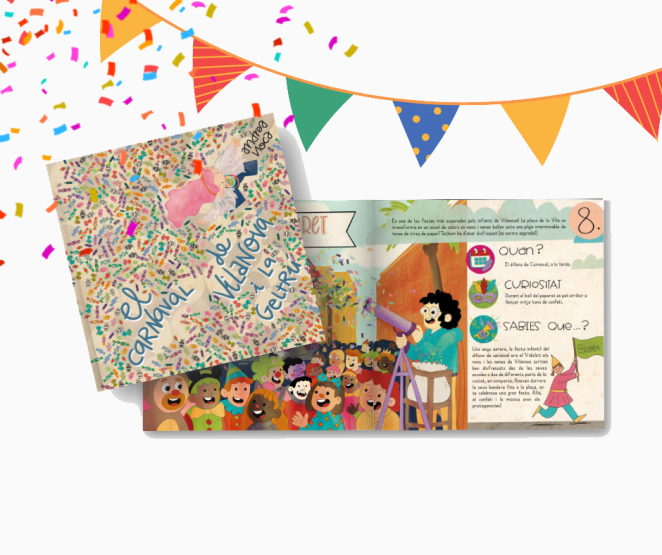 One Without a doubt, it’s Kira, a picture book I developed as both author and illustrator.
It’s an incredibly personal project for me. It was inspired by my dog, who passed away, and it actually started as a way for me to process that loss. I wanted to focus on the joy, the quirkiness, and the bond we shared, rather than just the sad moments at the end.
Creating Kira allowed me to blend storytelling and character development in a way that felt completely honest. It was also a huge milestone for me,it was the moment I moved from just doing commissions for others to finding my own voice and telling my own stories. It’s a piece of my heart on paper.
As someone with experience in the industry, what trends do you foresee shaping the future of creativity?
I think we’re moving toward a massive appreciation for authenticity and a personal "voice." Let’s be honest: we’re all drowning in content right now. Because of that, work that feels genuinely human and distinctive is starting to stand out more than ever. I also see the lines between disciplines getting blurrier, illustration, design, and storytelling aren't these separate little boxes anymore; they’re all bleeding into each other, which is incredibly exciting.
Technology is going to keep moving at lightning speed, of course. But I truly believe the creatives who "win" will be the ones who use those tech tools without letting them swallow their own unique perspective. It’s about using the machine, but keeping the soul.
What do you think sets apart truly exceptional creatives from the rest of the pack?
For me, it’s all about having a recognizable voice, and the guts to trust it.
There is an endless amount of talent out there, but the people who really stay with you are the ones whose work feels intentional. You can spot their "hand" in an image immediately, not just because of the colors they use, but because of how they think.
There’s also a lot to be said for the "boring" stuff: persistence. Truly exceptional creatives are the ones who show up consistently. It’s not about having one brilliant idea and calling it a day; it’s about the grit to develop that idea over time until it’s something that belongs completely to you.
How do you think technology has influenced the creative industries and how have you adapted to these changes?
 I’ve always seen technology(AI included)as a tool to work with, rather than a replacement for what we do.
To me, it’s a lot like what’s happened in medicine. New tech didn’t replace doctors; it just made their processes more efficient and helped them get better results for more people. At the end of the day, the real value still lies with the professional: their years of knowledge, their judgment, and the specific decisions they make.
I look at the creative industry through that same lens. These tools are amazing for helping us work faster, reach a global audience, or experiment with ideas we couldn't have imagined a decade ago. But they don't replace the human thinking behind the work. You still need the person "at the wheel" to provide the soul, the intent, and the story.
In my own process, I use digital tools to support what I do, but I try not to depend on them. I think the key is to use technology intentionally, as something that enhances creativity rather than defines it.
What is the one thing that you would change about the industry?
If I could wave a magic wand, I’d change how people perceive what we do from the outside.
Because art is so visual and accessible, everyone feels like an expert. People often give directions or opinions as if they’re professional advice, without realizing that every "creative" choice I make comes from a very specific, trained process. You don't really see people walking into a surgeon’s office or an architect’s studio and telling them how to do their job! It can sometimes make the line between "constructive feedback" and "just a personal opinion" very blurry.
The other thing is the constant hustle to justify our value. Having to negotiate and explain your pricing over and over again can be incredibly draining. I think the industry would be a much better place if there was a deeper respect for the work that happens before the final image is even drawn,the thinking, the strategy, and the expertise.
Any websites, books or resources you would recommend?
I’m a big fan of mixing "boring-but-useful" tools with deep, reflective resources.
On the practical side, I use things like Goblin Tools and Squoosh constantly. They aren’t "artistic" per se, but they keep the wheels turning and help me prep my work for the world without a headache.
As for books, I’m currently reading La transformación creativa by Ío Bru. It’s a Spanish book that hits home because it’s not just about the craft, it’s about the mental and emotional side of being a creative professional. It talks about the real-world stuff: the strategy, the finances, and the personal growth you need to actually survive in this career long-term.
La transformación creativa, de Ío Bru - Editorial GG
I think that balance is key. Creativity isn’t just about making something beautiful; it’s about figuring out how to keep doing what you love without burning out!