
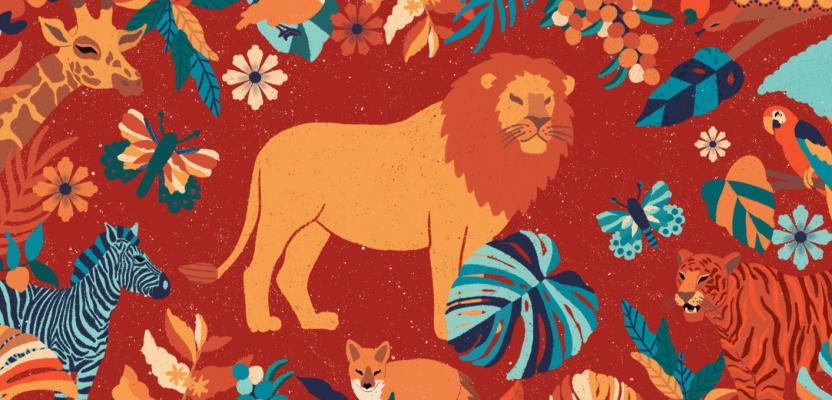

From the colorful city of Rio de Janeiro, illustrator and designer Bárbara Dantas brings a burst of Brazilian energy and emotion to everything she creates. Her work is instantly recognizable for its vibrant colors, fluid shapes, and themes that celebrate nature, identity, and cultural diversity. Drawing inspiration from her roots, Bárbara blends traditional artistic sensibilities with modern digital techniques to craft illustrations that feel alive and deeply personal.
In this Creativepool Member Spotlight, Bárbara shares her journey from a childhood surrounded by art to collaborating with global brands like King, Target, Faber-Castell, and Ubisoft. She opens up about how curiosity, authenticity, and a strong connection to her culture continue to guide her work, and how she uses her creative voice to raise awareness for causes close to her heart, from biodiversity to representation in the arts.
How did you first get into the industry?
I’ve loved drawing since I was a kid. My father is also a visual artist, so I grew up surrounded by paints and brushes and visiting museums and galleries. When I was eleven, I asked my mom for Photoshop lessons - Illustration has always felt like the most natural path for me and the way I naturally express myself in the world.
Where are you based now and who do you work for?
I'm based in Rio de Janeiro - Brasil, where I was born, and work as a freelance illustrator and designer. I've worked with clients such as King, Target, Bed Bath & Beyond, Farm Rio, Fonfrège, Faber-Castell and Ubisoft.
What is your personal background and what role did it play in your career?
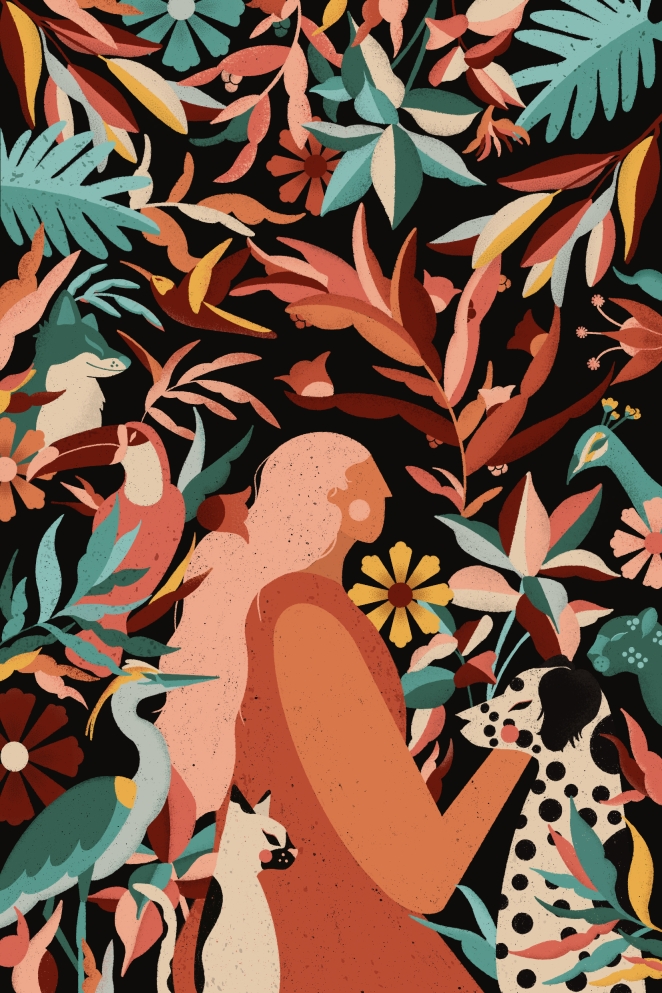
As a Brazilian artist, I grew up surrounded by vibrant colors, rhythms, and diversity. The brazilian culture is really rich and it definitely inspired my visual language. My personal experiences as a queer woman and my deep connection to nature have also shaped my work and influenced the themes I explore.
If you weren’t in your current industry, what would you be doing?
I’m really curious about topics like science and biology—I love learning random things about medicine and ecology, and I believe that if I weren’t working in art, I’d probably be in one of those fields. But I would definitely miss the creative side!
How would you describe your style?
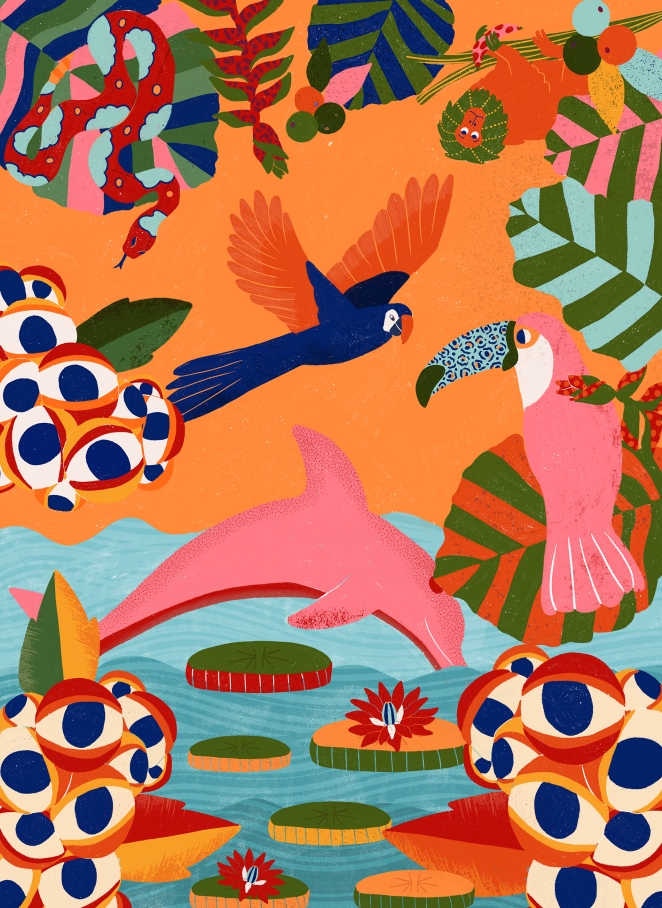
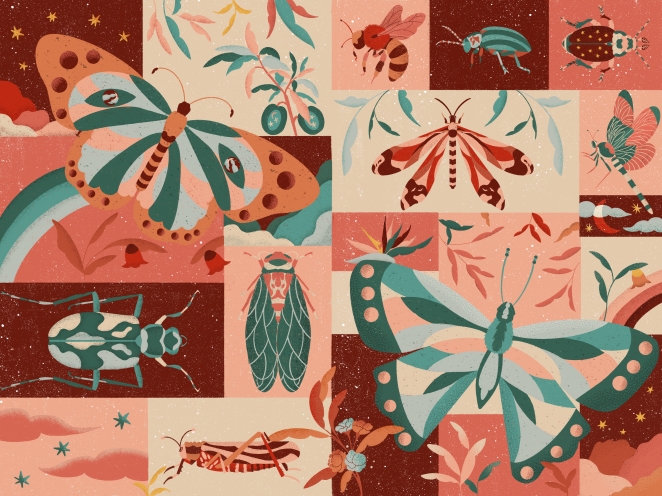
My illustrations are mostly digital, with organic shapes and vibrant colors that bring a sense of energy and emotion to the composition. I’m drawn to shapes that feel fluid and alive. I avoid heavy outlines and prefer flat shapes layered to create rhythm and harmony. I often explore themes of nature, identity, emotional connection and the brazilian culture in my work.
Which individuals do you gain inspiration from? Do you have any heroes in the industry?
I'm always looking for new references that inspire me. Some of the artists I admire and who influence my illustration style are Mary Blair, Djanira da Motta e Silva, Willian Santiago, Jana Glatt, Jimmy Marble, and Xoana Herrera.
What tips would you give to aspiring creatives looking for work?
I’d tell them to keep creating and learning, always. Keep your portfolio updated with personal projects that reflect what you truly love to work on, and don’t be afraid to remove older pieces that no longer represent your best work or your current direction. I'd also tell them to build their own gallery of reference photos from everyday life. That way, your work will always carry a unique and personal touch and you'll always have references and inspiration to go back to.
What tips would you give to other professionals to get more clients?
I would tell them not to be afraid of social media. Being active on platforms like LinkedIn, Instagram, and Behance connects you directly with the people who hire creatives, and some of the biggest brands I've worked with found me through social media. Also, it’s important to treat every project with care and attention to detail. A project well-done not only looks great in your portfolio but can also lead to referrals and recurring clients.
What kind of tools/kit/software could you not do without?
Photoshop and procreate are always my go-to for digital drawings. For traditional art, colored pencils and fineliners.
What’s your secret to staying inspired and motivated?
I think my secret is staying open and present to the world around me. I’m always surrounded by sources of inspiration — nature, fantasy, Brazilian culture, and the people and experiences in my daily life. These influences are often present in my personal work. Noticing these moments helps keep my creativity alive.
What’s the work achievement you’re most proud of?
The project I did for Fonfrège is one that I'm really proud of: A portion of the proceeds from the sale of the shirt directly funded the IUCN Species Survival Comission and the important work they do in protecting species threatened with endangerment as indicated on the IUCN Red List of Threatened Species. The whole process was amazing - I got to talk to the IUCN experts and created an illustration that featured over 20 endangered species. I often illustrate themes related to environmental awareness — it’s a cause I’m passionate about and try to bring into my work whenever I can, so getting to work directly with IUCN was amazing.
What do you think sets apart truly exceptional creatives from the rest of the pack?
I believe a few traits really help set a professional apart: always keeping a curious eye on the world, which helps you gather fresh references. I consider that essential for staying creative. Learning to accept and filter feedback. Not being afraid to make mistakes: understanding that mistakes can actually lead you to an amazing new direction in your artwork. Always being kind and polite to clients. And studying a lot! There’s always something new to learn, and it’s often through experimentation that the best ideas emerge.
Any websites, books or resources you would recommend?
I always recommend the “Biodiversity heritage library” on Flickr for artists that love drawing nature. It’s a curated public photo collection showcasing thousands of high‑resolution botanical illustrations digitized from historical biodiversity literature and it's a great source of inspiration.