



When KFC Thailand set out to launch “Kai‑Jai‑Ded” (its boldest, most fiery fried chicken yet) VML’s creative group head Rujrada Rienvatana knew that this wasn’t just another product drop, but a chance to celebrate Thai pride in spice. In this exclusive “Behind the Idea” interview, Rujrada takes us through the spark that turned an insight about spice tolerance into the ingenious “Spicy Relief Hotline,” a fully‑functional call‑in service that let brave eaters vent, chant, or even karaoke their way through the burn.
Blending cultural authenticity, cutting‑edge tech and plenty of humor, the campaign ignited unforgettable buzz — and saw Brave‑Heart Chicken sell out in just two weeks. Dive in to discover how VML married strategy, production and a dash of heat to turn spice into shared experience.
What was the brief?
KFC Thailand wanted to promote their new menu item ‘Kai-Jai-Ded’ (that means Brave-Heart Chicken), the spiciest fried chicken KFC Thailand had ever launched. Their main goal was to generate strong buzz, spark conversation, and make people excited to try it. The campaign needed to feel bold, fun, and irresistible to spice-loving Thai consumers.
How did the initial pitch/brainstorming phase go?
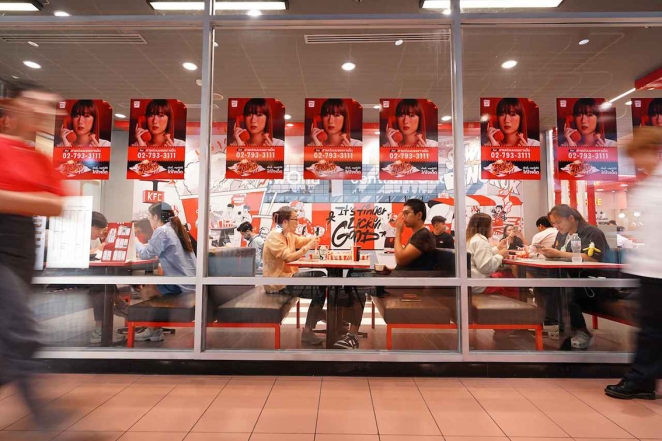
We explored a wide range of ideas and looked for fresh, playful approaches by tapping into how Thai people perceive spiciness, not just as a flavour, but as a personal challenge. This cultural insight led to our initial concepts like spicy-eating competitions, poker-face challenges, and even exaggerated health warnings. But the strategic direction that resonated most with the client was the idea of encouraging people to “release their heat” after eating Brave-Heart Chicken.
What was the process behind ideating the concept?
Once we aligned on the core insight that Thai people are proud of their spice tolerance, we explored how that pride could be turned into action. We shifted from performance-based ideas to expressive ones. Initially, we considered letting people vent by shouting or swearing, but the client wanted a more fun and positive route. That led us to think about alternative forms of release, like singing karaoke or calling a hotline for relief. Ultimately, the latter became the heart of the campaign.
What was the production process like?
We started by working closely with a call centre partner (something we’d never done before) to build a real hotline. It involved everything from setting up the phone system architecture and designing IVR flows to selecting and training moderators. We then developed the “Spicy Relief Hotline”, a number anyone could call to get help coping with the heat of Brave-Heart Chicken, through anything from singing and chanting to breathing exercises. It was a full production journey blending tech, UX, scripting, and real-time moderation.
What was the biggest challenge during production? How did you overcome it?
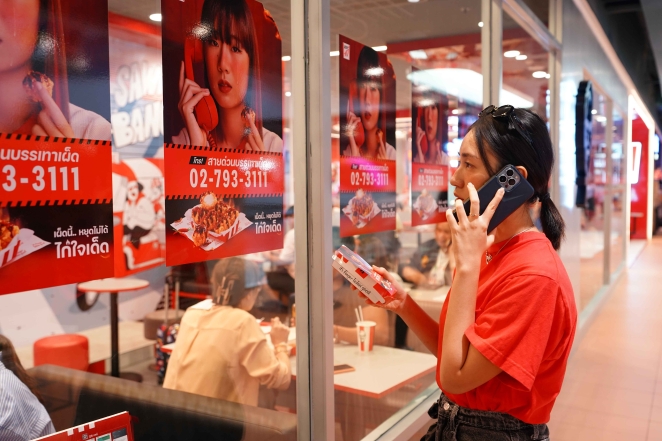
Setting up a fully functional hotline system with call routing, live moderation, and automated responses was a first for us. We had no prior experience in this area, but thanks to our teams, AE and producer, we collaborated closely with external call-centre experts who helped us navigate the technical setup. Clear communication and detailed mapping of the user journey were key to making it work smoothly.
What kit/tools/software were used to create the project?
The hotline system itself was built using a combination of call routing tech, and audio editing tools. On the content side, we used GarageBand for sound work (and yes, we recorded some hotline stuff by ourselves), and Adobe Premiere Pro and After Effects for social media videos made from real call recordings.
What is one funny or notable thing that happened during production?
To select the best hotline moderators, we staged a “secret test.” We called the candidates pretending to be customers overwhelmed by spiciness, asking them for help in real-time. It became a hilarious role-playing session, but it helped us discover who had the best improvisational skills, empathy, and wit.
What’s the main message of this project and why does it matter?
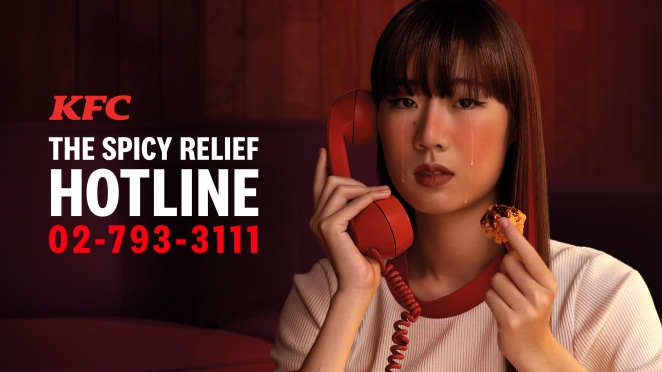
The core message was simple: “Spiciness You Can’t Stop.” It matters because it turns the usual warning against spicy food on its head. Instead of avoiding the heat, we invited people to embrace it and share their reaction via our hotline. It celebrated Thai spice culture in an unexpected, interactive way.
How long did it take from inception to delivery?
From ideation to full campaign launch, the project took approximately a month for production after concept approval, including hotline setup, moderator training, and promotional content creation.
Can you describe the creative spark or inspiration behind the initial concept? Was there a specific moment or insight that ignited the idea?
The turning point came from recognizing that for Thai people, eating spicy food isn’t just about taste, it’s about identity and pride. Once we reframed spiciness as something emotional and expressive, it made sense to build the campaign around reactions rather than resistance.
How did you ensure that the concept aligned with the brand's values, goals, and target audience?

The concept was fun, bold, and highly relatable, aligning perfectly with KFC’s playful tone and mass appeal. It was designed to resonate with Thai audiences by celebrating their spice tolerance while offering an interactive brand experience that sparked online buzz and trial.
Were there any alternative concepts or ideas considered during the ideation phase? If so, what led to the selection of the final concept?
Yes, we considered spicy-eating contests, poker-face challenges, and “warning label” concepts. But the idea that truly stood out was the Spicy Relief Hotline, because it turned people’s reactions into the campaign itself. It was participatory, emotionally driven, and had strong social potential.
Can you discuss any collaborative or interdisciplinary aspects of the ideation process, such as working with other departments or external partners?
Absolutely. From the beginning, creative, strategy, account, production, and client worked closely together. Once we moved into hotline development, we brought in call-center specialists to co-design the user experience. It was a highly collaborative process with input across disciplines.
What role did consumer research or market analysis play in shaping the concept and its execution?
While we didn’t run formal research, we drew on strong cultural insight: Thai consumers see eating spicy food as a source of pride. This behavioural truth was backed by social trends, memes, and shared experiences, which shaped both the tone and the interactive nature of the campaign.
Can you discuss any unique or unconventional production techniques or approaches used to bring the idea to life?
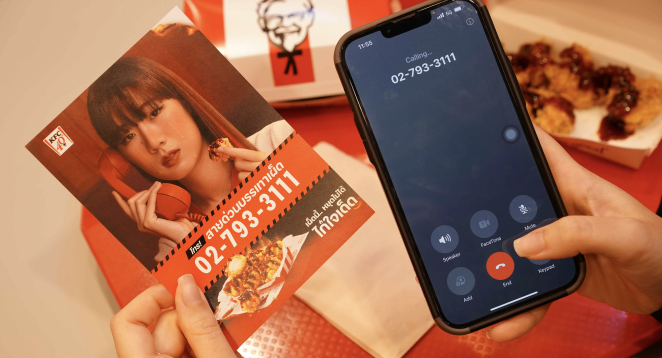
Building a live hotline that blended automated flows with human moderation was a first for us. We treated the hotline as both a service and a content engine, recording real calls (with permission), then repurposing them into social media compilations that extended the campaign’s reach.
How did you ensure that the concept remained innovative and stood out in a crowded marketplace?
Instead of just showing people eating spicy food, we gave them a way to experience it and turn their reactions into part of the campaign. The hotline was unexpected, interactive, and emotional, and in a saturated food market, that helped the campaign cut through the noise.
What do you hope it achieves for the brand?
We wanted to make Brave-Heart Chicken unforgettable. Not just as a product, but as a shared cultural moment. The campaign sparked buzz, boosted trial, and drove word-of-mouth organically. Ultimately, the chicken sold out in two weeks. This is a sign that people didn’t just hear about it, they had to try it.
Credit list for the work?
Client
- Suhayl Limbada - Market Lead & Chief Marketing Officer
- Patra Patrasuwan – Associate Director
- Mike Wood – Head of Brand
- Varittha Thuannavarat - Senior Marketing Manager (Innovation, Category Use Occasions, and Insights)
- Sirirux Timmanee - Senior Brand Manager (Innovation)
- Sajicha Ngamwasuluksn – Marketing Manager
- Chonlapat Kongsricharoen – Senior Brand Manager
- Supasinee Vongkulbhisal - Head of Performance Marketing & CRM
- Pantharee Sujitvarong - Senior Brand Manager
VML Thailand
- Park Wannasiri - Chief Creative Officer
- Natkanate Ruengrujmethakul - Group Creative Director
- Stefania Kijjaroentorn - Associate Creative Director
- Rujrada Rienvatana – Senior Copywriter
- Chumjit Yuanlae – Senior Art Director
- Nutkritta Lertpitiwatana - Art Director
- Naruporn Rungruangchotikul - Business Director
- Ravirath Ronnachaiwarot - Group Account Director
- Kodchakorn Pattanakro - Associate Account Director
- Arison Chujitngamsuwong - Account Executive
- Wascharin Pongsirivilas - Creative Service Director
- Nutthapol Thani - Project Manager
- Social Agency: Brilliant & Million
- Media Agency: Initiative Thailand
- KOL Agency: MBCS Thailand