
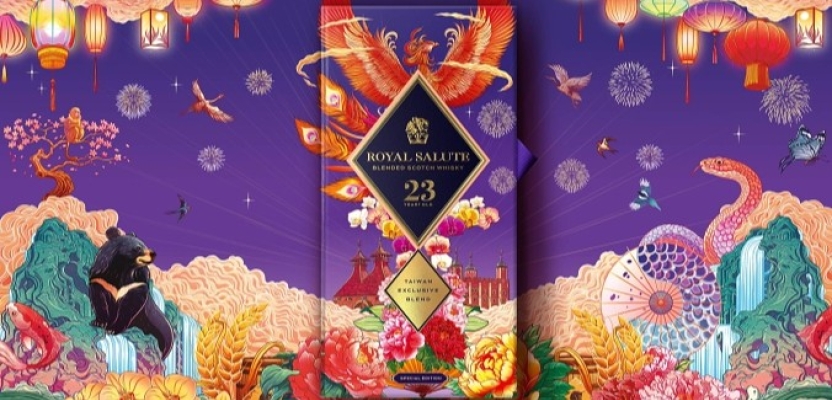

Jason Lyon is a London-based freelance illustrator whose work is shaped by a unique blend of Eastern and Western influences. Originally from China and later moving to the UK in 2008, his heritage plays a central role in the visual language he has developed. After graduating from Falmouth University in 2019, he went straight into freelancing, taking on editorial commissions and building a professional practice rooted in intuition, exploration and meaningful cultural references.
Known for his surreal style filled with dream-like scenes, smooth line work, expressive lighting and gigantic creatures, Jason creates art guided by an initial “blurry image” that becomes clearer as he works. Represented by Brilliant Artists Agency, he has continued to grow his career by trusting his own creative instincts, embracing personal projects, and staying connected with clients. In this interview, he reflects on his process, his influences, and the resilience it takes to build a creative career in an industry increasingly shaped by AI.
How did you first get into the industry?
I entered the industry straight after graduating from Falmouth University in 2019. At the time, I decided to try freelancing to see how it would go, as I didn’t feel a particularly strong desire to work in-house, even though there were a few options available. I began reaching out to clients everywhere and started taking on editorial commissions, which marked the beginning of my career as a freelance illustrator.
Where are you based now and who do you work for?
I am now based in London. I am a freelance illustrator, but I’m lucky enough to be represented by Brilliant Artists Agency.
What is your personal background and what role did it play in your career?
I’m originally from China and immigrated to the UK in 2008. My heritage plays a vital role in my creative process, as it has deeply shaped the way I’ve developed my visual language. I often describe my work as a unique blend of Western and Eastern cultures, drawing inspiration from both traditions to create something distinctive.
If you weren’t in your current industry, what would you be doing?
I probably would have studied business, as I was doing quite well in it during school, and might have ended up working in finance.
Can you explain your creative process? What makes it unique?
I’d say my creative process usually starts with a blurry image of the final piece in my mind. As I work, whether I’m doing research, sketching, or experimenting with colours, that image gradually becomes clearer and more refined. What makes it unique is that I trust this initial, intuitive vision and let that guide me even if it doesn’t always make sense at first. I also draw on references from both Eastern and Western arts and cultures, which helps me layer meaning and symbolism into my work. I think it’s a nice balance of intuition, exploration, and deliberate design decisions.
How would you describe your style?
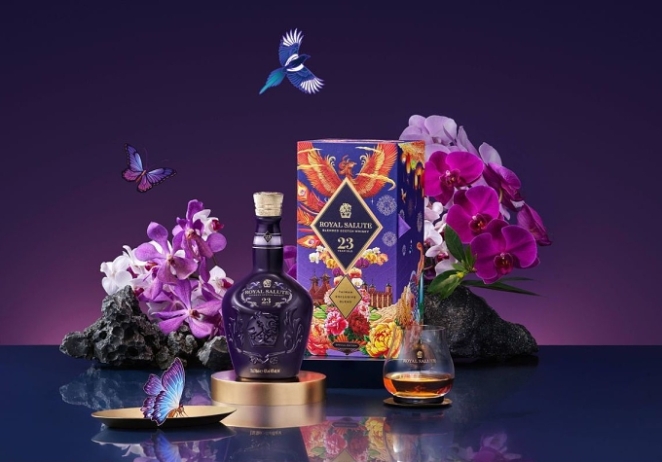
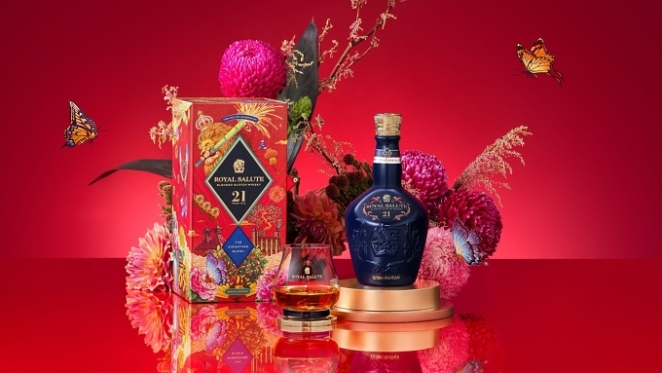
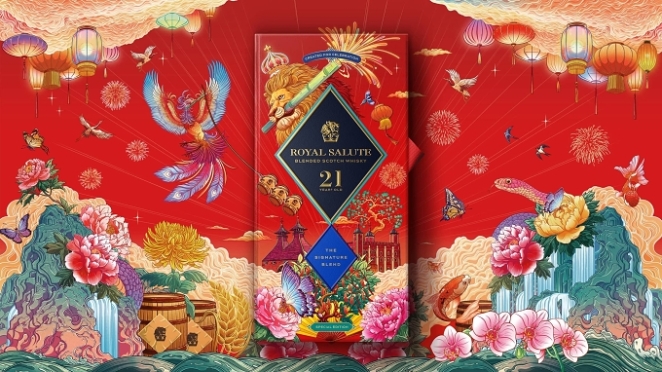
My style is as strongly influenced by surrealism as it is by my heritage. I love depicting dream-like scenarios filled with floating clouds, vibrant lighting, and gigantic creatures. As I mentioned before, my work blends Eastern and Western influences: from traditional Chinese art, I’ve embraced the use of strong, smooth line work, while my Western influences are reflected in my expressive colour palette and dynamic compositions. This combination allows me to create images that feel both familiar and otherworldly.
Which individuals do you gain inspiration from? Do you have any heroes in the industry?
I draw a lot of inspiration from many different industries beyond my own, including animation, fine art, and design. I can’t really name just one creative hero, but a few who come to mind are Raman Djafari, James Jean, and Victoria Ngai.
What tips would you give to aspiring creatives looking for work?
My advice is to create plenty of personal projects and make sure those projects reflect the kind of work you want to do commercially. It’s important that your portfolio shows the clients the type of jobs you’re aiming for. Also, don’t hesitate to send that email and reach out to people, networking and following up consistently can really open doors.
What tips would you give to other professionals to get more clients?
I’d give the same advice I offer aspiring creatives: work on focused personal projects that showcase your strengths, and stay aware of industry trends so you can adapt and spot new opportunities. Also, always keep in touch with your previous clients. It’s invaluable to nurture those relationships, and don’t be afraid to ask if they know of anyone else who might need your services.
Can you share a memorable experience from your career journey that shaped your approach to creativity?
I’d say it’s when an art director told me that my style wasn’t really suited for editorial or commercial illustration. But being the stubborn person I am, I was determined to make it work because I knew I could. So instead of changing my style, I doubled down on it, and in the end, it worked out pretty well.
What kind of tools/kit/software could you not do without?
Procreate/iPad, I do all of my work on there!
What’s your secret to staying inspired and motivated?
My secret to staying inspired and motivated is simply to consume more: see more, experience more, and play more. Much like AI, our creative minds need a constant flow of new inputs to keep the ideas coming. I look for inspiration everywhere: in films, art, nature, games, books, or even casual conversations. And equally important, I try to take proper breaks now and then (as much as I overwork), especially from social media, to avoid burnout and let my mind recharge.
What’s the work achievement you’re most proud of?
The work achievement I’m most proud of is publishing a 120-page, fully illustrated encyclopaedia about the continent of Asia with Quarto Group’s Wide-Eyed Editions. The book is called Amazing Asia: An Encyclopaedia of an Epic Continent, and it was incredibly rewarding to bring such a vast and diverse subject to life.
As someone with experience in the industry, what trends do you foresee shaping the future of creativity?
I think one major trend shaping the future of creativity is the rise of AI-generated content (slop), which makes it even more important for illustrators and artists to develop personal, distinctive styles that can’t easily be replicated by machines. Authenticity and unique creative voices will become key differentiators.
What do you think sets apart truly exceptional creatives from the rest of the pack?
I think what sets truly exceptional creatives apart isn’t just their technical skills, but their mindset. It’s about how they bounce back after a tough project, stay resilient in the face of setbacks, and keep pushing themselves to improve their craft. That constant drive to learn, adapt, and grow is what makes them stand out from the rest.
How do you think technology has influenced the creative industries and how have you adapted to these changes?
I think with the incursion of AI, a lot of entry-level opportunities are disappearing, which is incredibly sad to see. There’s also a flood of slop, whether images or writing, that you can almost spot immediately as AI-generated. Personally, I’m not too worried about it, because I believe that regardless of AI, I’d still need to keep up with the times and continuously improve my craft anyway. ( I feel like my way of adapting is just doubling down every time)
What is the one thing that you would change about the industry?
One thing I’d change about the industry is ensuring that salaries and fees reflect the current cost of living and the value of creative work. Too often, rates have stayed stagnant for years while expenses keep rising, which makes it challenging for professionals to sustain a creative career.
Any websites, books or resources you would recommend?
Creative Boom and It’s Nice That are really great websites for finding inspiration. I’ve also recently been reading The Creative Act: A Way of Being by Rick Rubin, it’s an easy and inspiring read!