
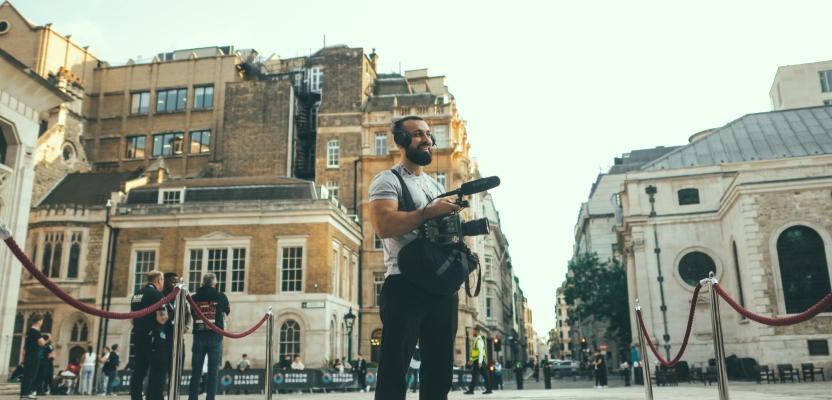

Redi Berisha didn’t set out to become a filmmaker. What began as a YouTube dream and a borrowed DSLR slowly evolved into a full-fledged production company built on resilience, raw creativity, and years of sales hustle. As the founder and creative director of London-based Camera Redi, Redi blends business acumen with cinematic storytelling guided not by perfection, but by instinct and honesty.
In this exclusive Member Spotlight, Redi shares how journaling fuels his creative process, why rejection shaped his entrepreneurial mindset, and the moment a six-figure pitch redefined his view of value and confidence in the creative world.
How did you first get into the industry?
I first started when I bought a GoPro back in 2015, but then I had a great idea for a YouTube channel I wanted to launch. I didn’t want to be in front of the camera, so I decided to learn more about how to operate a DSLR. I taught myself how to edit and then found someone who was great in front of the camera, but they wanted a lot more money than I could afford, so this idea fell apart.
So I was left with a skill of knowing how to shoot and edit, I had a full-time job at the time, but whenever I would go on a holiday, I would create a highlight video of it, this helped me brush up my skills.
Where are you based now and who do you work for?
I am London based and I am the founder of Camera Redi, a video production company.
What is your personal background and what role did it play in your career?
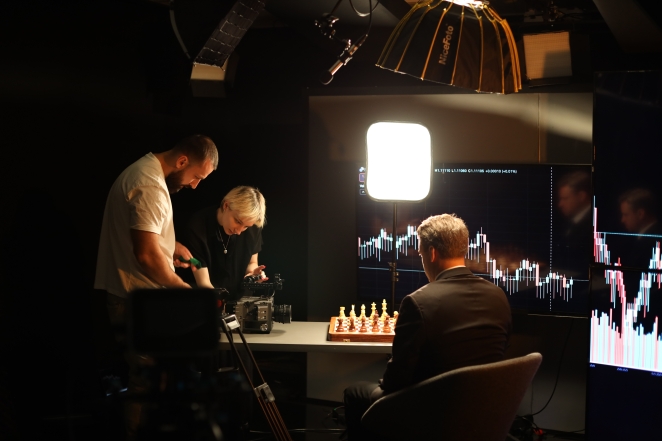
I was in sales since the age of 19 and that experience helped me massively when launching Camera Redi. For 9 years I knew the dedication and drive I had to earn commission, now I just needed to transfer that over to building my own brand.
I launched Camera Redi when I was 28 years old and those 9 years in sales taught me some valuable lessons, but the most important, how to be thick skinned when dealing with rejections (it happens a lot)
If you weren’t in your current industry, what would you be doing?
I would still be in sales, I was good at it and really enjoyed the thrill of meeting new people
Can you explain your creative process? What makes it unique?
Whenever I get a new project that falls into my lap, I pick up my journal and I write. I tend to journal about my day and talk about the current project that I will be working on, this then opens up a creative spiral for me, I get ideas which don’t even involve the project at hand. I usually make short films/ TikToks where I showcase these small ideas.
This flow helps me identify that I am a creator, so when working on the project, my mindset is completely different. I think running my own business, there are so many hats I have to wear, depending on budgets, that it's important to be in the correct mindset when dealing with different parts of my role.
For example, at 10 am, okay, this is a meeting where I have to sell my business and myself, but at 11 am I need to storyboard another project, and at 3 pm I have to edit another project. These all require different skills and important to approach each one individually.
How would you describe your style?
I describe my style as raw. I love this word, but I think you can tell an amazing story by having a raw concept and turning it into a beautiful cinematic masterpiece.
Which individuals do you gain inspiration from? Do you have any heroes in the industry?
I think that as the years have gone by, it has changed massively. When I first picked up a camera, you had guys like James Matthews, Josh Yeo, Chris Brockhurst, Daniel Schiffer and Peter Lindgren. But now, as I have developed further into bringing more of a cinematographer and director, I enjoy learning from people like Vuhlandes, Life of Riza and Blaine Westropp.
What tips would you give to aspiring creatives looking for work?
Know your value, and find networking events around your area.
What tips would you give to other professionals to get more clients?
Networking, I have gained more clients from shooting networking events than I have from Google advertising and LinkedIn advertising. My personal goal is to go to more networking events this year.
Can you share a memorable experience from your career journey that shaped your approach to creativity?
I think when working with an owner of a multi-million pound company and he was on a call closing a deal. The confidence he had to close the deal was iconic. This was a 6 figure deal, and he said, ‘You are paying for the most valuable asset in this company, and that is my brain’. It made me approach every pitch differently.
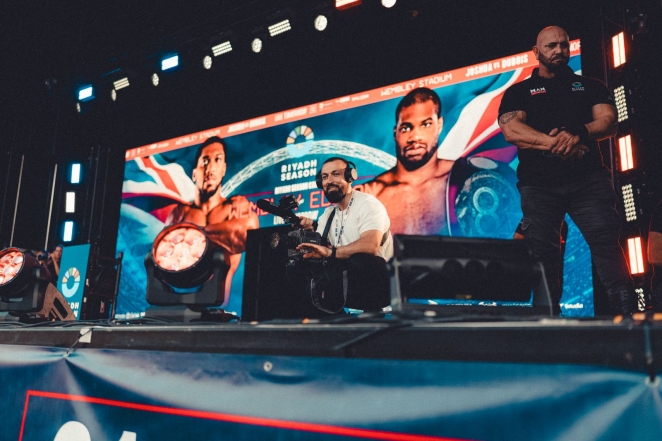
What kind of tools/kit/software could you not do without?
I wouldn’t be able to edit with Davinci, and an item I always have in my camera bag is probably memory cards.
What’s your secret to staying inspired and motivated?
First, I like to journal and plan personal projects for myself. I shoot and edit these and this opens up a new world of possibilities for me to be creative. I get so many ideas that come to me at once, like I mentioned previously, it's actually amazing to get myself in that space.
What’s the work achievement you’re most proud of?
I think my boxing short documentary, I worked so hard, and it was my first project, I realised I need a team to make something like this in the future.
As someone with experience in the industry, what trends do you foresee shaping the future of creativity?
or social media short-form content, companies want to see likes and views on their pages.
What do you think sets apart truly exceptional creatives from the rest of the pack?
I think the human aspect, building up rapport with your client, is the most important thing for me to get the best out of a project. Without this rapport, when doing interviews or storytelling pieces, if the client/ talent is not feeling the vibe with you, then this will show in the video.
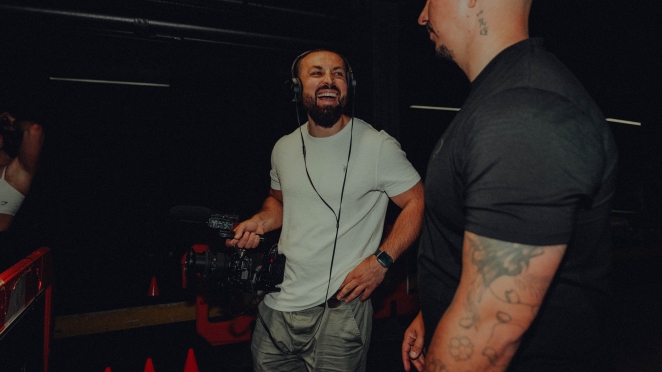
How do you think technology has influenced the creative industries and how have you adapted to these changes?
I haven’t truly adapted to it myself, but it has helped speed up editing processes, especially with what AI features Davinci has in place with voice isolation and depth map, is incredible.
What is the one thing that you would change about the industry?
Everyone knows their worth; price yourself correctly. You see, all plumbers roughly charge around the same price, so why doesn't our industry value itself in the same light? You own equipment that is worth so much money, and you do a project for so cheap.
Any websites, books or resources you would recommend?
Fulltime filmmaker was my e learning platform, I used that to take it to the next level. Atomic habits is a great book which has made routine so important for me, and how 1% better each day is better is so valuable.