

Creativity has a way of revealing itself early, long before job titles and industries come into focus. For Daryl-Anne Leveton, that spark began with crayons at break time and grew into a lifelong love of drawing, storytelling and visual expression. Based in Cape Town, Daryl-Anne now works independently across typesetting, layout and illustration, bringing stories to life for the education and publishing sectors. Her journey into the industry wasn’t defined by a straight path, but by curiosity, persistence and a willingness to keep improving, even when opportunities didn’t immediately materialise.
In this interview, Daryl-Anne reflects on the moments that shaped her creative confidence, the importance of originality and imagination, and why human connection still matters in an increasingly automated world. From the power of a single person believing in your ability to the role AI may play in the future of creativity, she shares thoughtful insights on what it takes to build a sustainable creative career while staying true to the joy of drawing for the love of it.
How did you first get into the industry?
 I went to a short character design course and created a short story that I pitched to Penguin Random House. They responded by asking me to create an illustration for an upcoming book. It wasn’t accepted but I was hooked and kept working to improve my illustration skills.
Where are you based now and who do you work for?
I live in Cape Town and work for myself doing typesetting, layout and illustration.
What is your personal background and what role did it play in your career?
As a little girl I was always the one drawing with crayons at break time. I loved painting and drawing from a young age and just never stopped. I love the outdoors, nature and all living creatures. My older cousin was studying art and I was always fascinated and inspired by all the amazing work that she was doing.
If you weren’t in your current industry, what would you be doing?
I was interested in architectural drafting or physiotherapy.
Can you explain your creative process? What makes it unique?
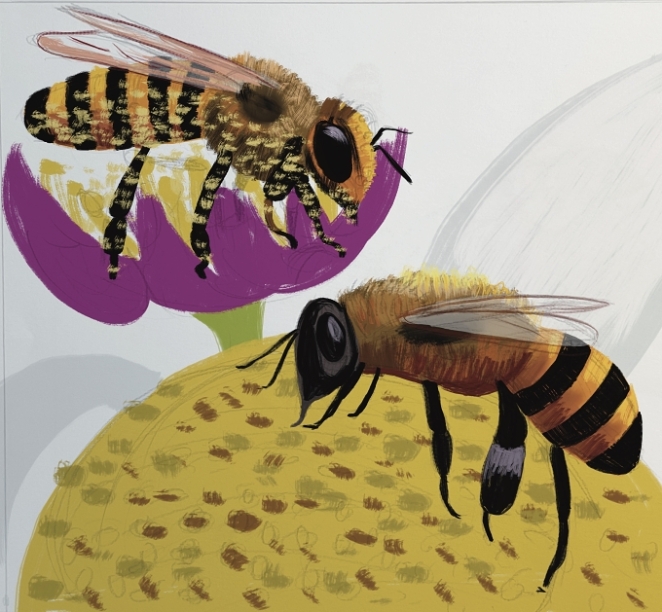
 I first loosly sketch out the scene as I imagine it in my head without using any reference or looking at any other images. I always try and be original. Every image has its own story and I try capture the feeling that the image is going to give once it is completed.
How would you describe your style?
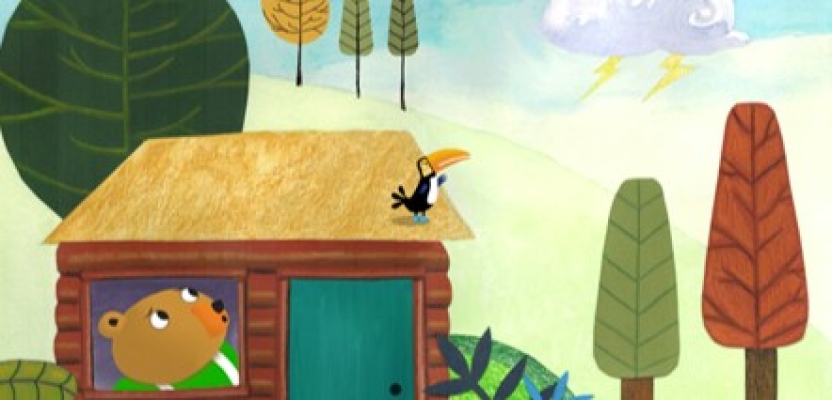
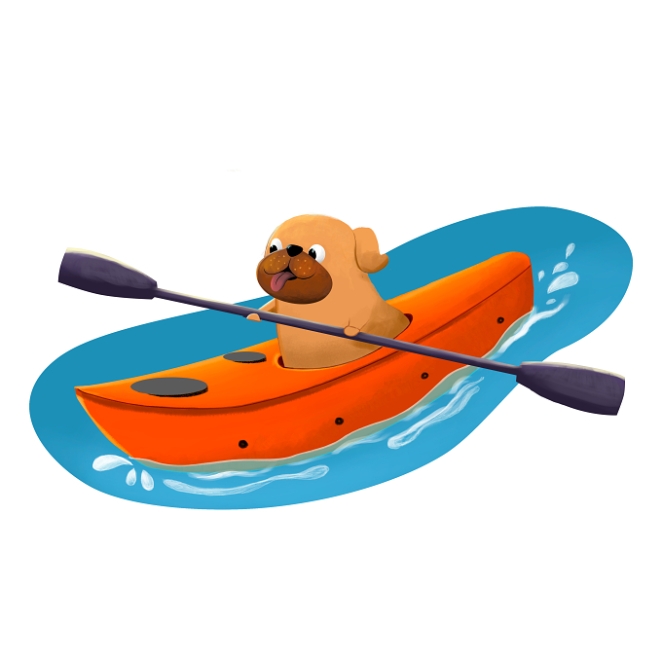
Because of the type of work I’m getting at the moment they require a style that is more on the realistic side, because it’s for the education industry. But I try to make it not too realistic and to give it more character. (It’s a work in progress). I do find it important to know how to draw properly and am always practicing my realistic drawing skills. I do love drawing more creative characters with different and unexpected shapes and sizes. This is a side that I would like to explore more.
Which individuals do you gain inspiration from? Do you have any heroes in the industry?
I gain a lot of inspiration from animation companies like Walt Disney, Pixar, Triggerfish etc. I admire all the amazing talented people that have worked for those types of companies. I love the great stories that they write because they contain so much imagination, emotion and characters that we can all identify with. Which is what I aspire to do with my illustrations.
What tips would you give to aspiring creatives looking for work?
 Make time to keep practicing your craft every day. Keep up the marketing on a consistent basis. Believe in yourself and do the work that you truly love. Eventually it will come. Even the most seemingly impossible dreams are possible if you never give up.
What tips would you give to other professionals to get more clients?
Keep updating your portfolio and socials because you are always improving. Contact the type of clients that align to your type of work, build up a data base of potential customers and contact them on a monthly basis, showing off new projects that you may have done.
Join groups on social media that are looking for the type of work you do and respond to requests for work regularly.
Can you share a memorable experience from your career journey that shaped your approach to creativity?
I always thought of myself as a typesetter and layout artist because I came from a print background and never really had the opportunity to do any creative work which I always loved. I was contacted by an author who wrote a book for a community project. He wanted me to do the typesetting and all the illustrations as well. I said I would gladly do the typesetting but was not too sure of my ability to do the illustrations as well. He said ‘nonsense, I know you can do it’. It took just one person to believe in me and that made all the difference. I have his picture on my desk as a reminder and as inspiration to never give up.
What kind of tools/kit/software could you not do without?
 My Imac, ipad, Photoshop, Illustator, InDesign, Procreate and my Veikk drawing tablet.
What’s your secret to staying inspired and motivated?
Watching animated movies and really appreciating them. Occasionally I buy graphic novels just because I love the pictures. Watching other creatives drawing on social media. Doing a Domestika course when I feel like some inspiration. When all else fails, I go buy a sketch book and just draw for the love of drawing.
What’s the work achievement you’re most proud of?
I can’t say that it’s just one particular work achievement. I’m just so incredibly grateful and happy that I found a way to earn a living by drawing pictures which is what I truly love to do and to me that’s the biggest achievement in the world and what I want to do for the rest of my life.
As someone with experience in the industry, what trends do you foresee shaping the future of creativity?
 I do see AI playing a big part but I’m not sure in which way. I still think the human touch should not be lost. To me a good story and imagination always wins over technical skill and impressive AI tools. People always want something that makes feel something and they will soon tire from things that look so generic and dead. They will be wanting what is authentic, not so shiny and absolutely perfect. Something with a bit of character and showing a few flaws.
What do you think sets apart truly exceptional creatives from the rest of the pack?
I think the truly exceptional creatives stop at nothing to achieve their goals. I think they put in 200% effort in everything they do. They don’t let obstacles get in their way, they never give up, they give it their all.
How do you think technology has influenced the creative industries and how have you adapted to these changes?
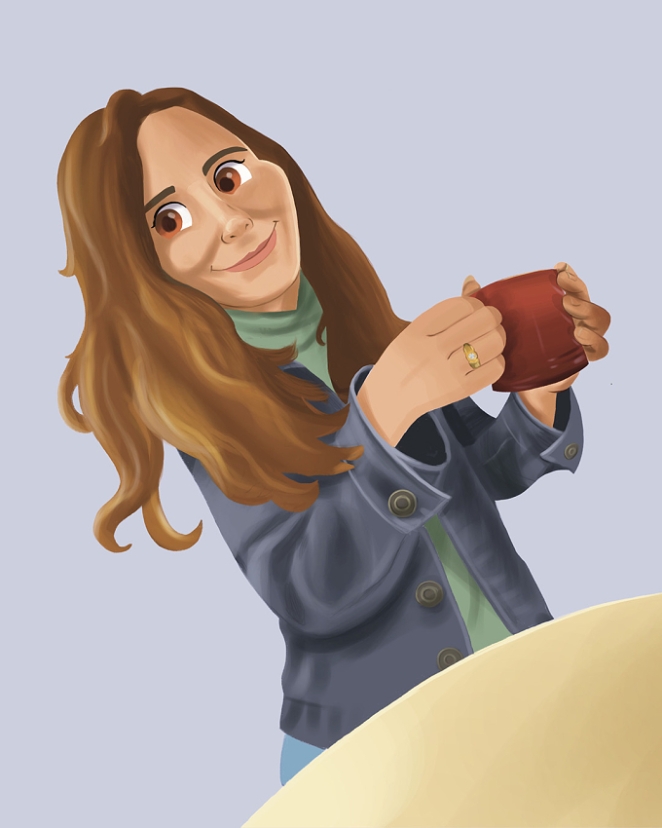 On the positive note, its made the work flow more efficient but I think it’s made the world a little more lonely. That element of working, learning and socialising with those around you is gone. People used to have their work communities now they work alone. It used to be fun to go into work.
I sometimes work from coffee shops just to see people. I do a lot of yoga and go to a social art class every week, where you can actually talk and joke.
These are things I really miss about working in the old days.
What is the one thing that you would change about the industry?
Make it more human.
Any websites, books or resources you would recommend?
Domestika, Drawing for Comics and Udemy