

Success in the creative industry rarely follows a straight line, and Stuart Reeves' journey proves exactly that. From an unexpected start in telesales to becoming an award-winning freelance Creative Director, Illustrator and Post-Production Artist, Stuart has built an impressive career working with globally recognised brands including LEGO, Apple, Disney, Mercedes, Pepsi and Sony Pictures. His passion for hyperrealistic illustration, storytelling and meticulous attention to detail has helped turn childhood inspirations into career-defining opportunities.
In this interview, Stuart shares how he developed his creative process, why relationships matter just as much as talent, his thoughts on the rise of AI in creative work, and the advice he wishes every aspiring designer and illustrator would hear. Whether you're a freelance illustrator, creative director or someone looking to build a lasting creative career, his insights offer valuable lessons on creativity, resilience and staying inspired in an ever-changing industry.
How did you first get into the industry?
 My first introduction was slightly unconventional. I started working in Telesales for a global brand and, during periods of frustration, would spend my time scribbling on notepads. Mere weeks into the role there was a huge redundancy programme and I was earmarked to go, only to be saved by a wonderful Marketing Director who liked what he’d seen on my pad, despite many of the drawings being decidedly not suitable for work. I remained with the company for close to 20 years, progressing from Junior Designer through to Senior Creative, Illustrator and Retouch Manager, bringing in a number of industry awards over the years.
Where are you based now and who do you work for?
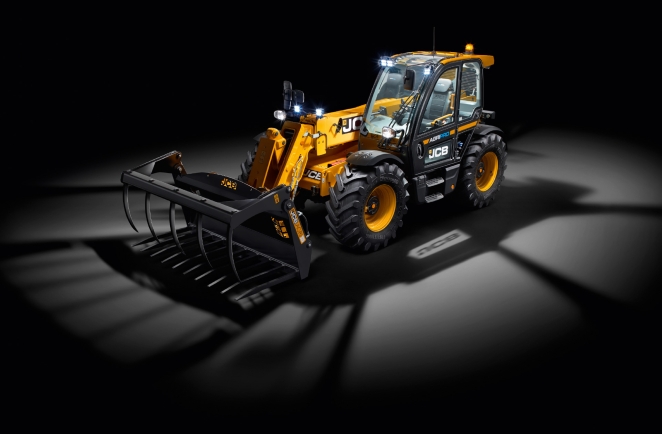
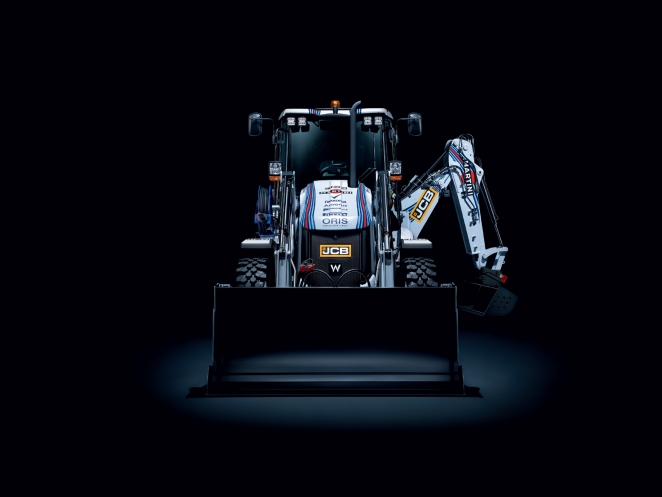
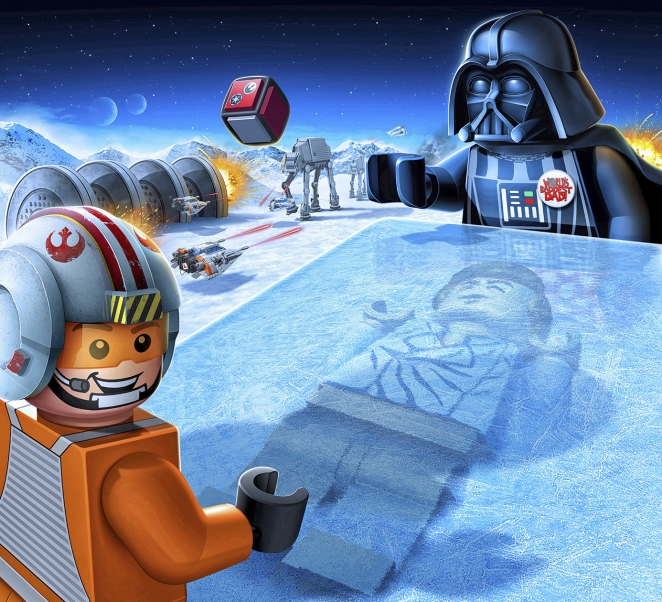
I left my full-time role in 2020 and set myself the ambitious goal of working exclusively on brands and projects that genuinely interested me. During the final decade of my full-time career, I was also freelancing as an Illustrator, Concept Artist and Designer for LEGO in Denmark, who remain one of the most incredible clients I could ever wish to work with…and the Danish are amazing people! Our collaborations exposed me to a huge variety of disciplines, from packaging and merchandise illustration through to work on their hugely successful television productions. Those opportunities led to projects with brands including Apple, Disney, Mercedes, Pepsi and Sony Pictures, amongst many others.
What is your personal background and what role did it play in your career?
I was born with extreme short-sightedness, which went undetected until the age of five. My vision was restricted to only a few inches, but at close range I could see incredible levels of detail. From a very early age I became obsessed with drawing, often focusing on details most people wouldn’t even notice. That fascination has stayed with me throughout my career. Whether illustrating or retouching, much of my work is built around detail, precision and the pursuit of realism.
If you weren’t in your current industry, what would you be doing?
 With the rise of AI, I may reluctantly find out sooner than I'd like. The truth is, I can’t remember the last day I didn’t create something. When I’m not working professionally, I’m usually illustrating for myself. Like many creatives, I’ve never really viewed this as a career, it’s more of a vocation. Over the years I have created characters for several of my own projects which I hope will come to light one day when the work dries up.
Can you explain your creative process? What makes it unique?
“Unique” is a difficult thing to quantify. If I’m completely honest, I still struggle to explain exactly how ideas arrive. The worst thing a client can say is “just do what you do”, because I’m not entirely sure what that is myself. What I have learned over the years is to trust the process. I spend a lot of time absorbing a brief, researching, collecting references, contemplating alternate careers and exploring possibilities. Often the strongest ideas emerge after staring blankly at a screen for what feels like an eternity and taking a long walk.
How would you describe your style?
I’d describe my style as hyperrealistic, with a strong emphasis on detail, texture and atmosphere. My partner once said, “Your art looks better than what eyes can usually see,” which is probably the nicest description anyone has ever given me.
Which individuals do you gain inspiration from? Do you have any heroes in the industry?
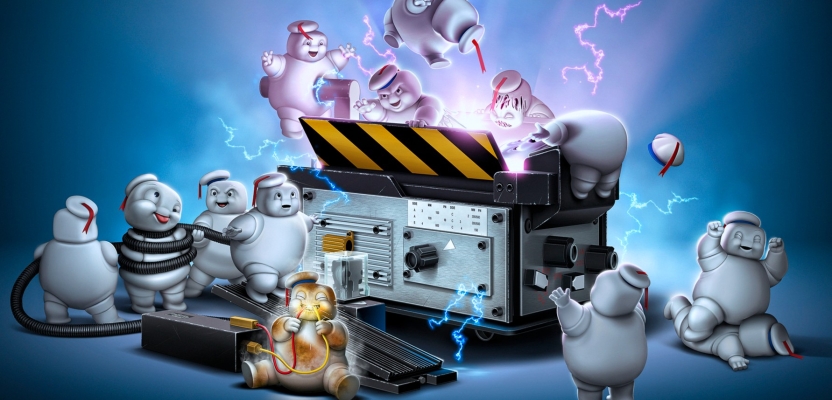
 I’m a child of the 1980s and completely fixated with that era of pop-culture. “Ghostbusters” is a movie I am obsessed with and I actually learned to draw by tracing the logo from the original 1984 soundtrack album. In an unbelievable twist of fate, I created the logo that appears at the end of the movie “Ghostbusters: Afterlife” in 2021 and have since worked with Ghost Corps on several projects. One moment that will stay with me forever was seeing the legendary Ivan Reitman, creator of Ghostbusters, wearing a T-shirt featuring my artwork. That genuinely brought a tear to my eye.
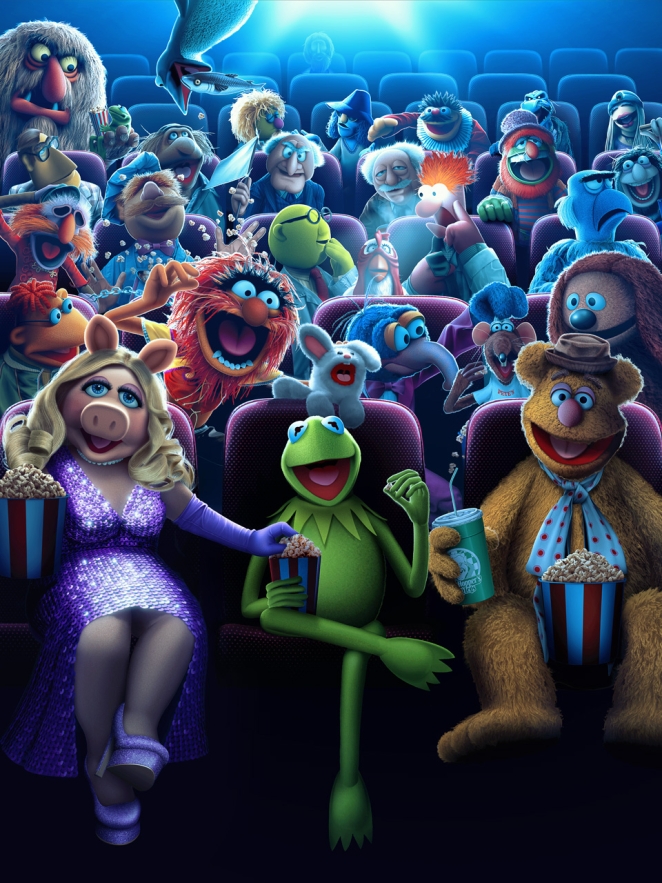
I’m also a lifelong admirer of Jim Henson, even naming my dog “Henson”. When I built my studio, it was filled with life-size recreations of Henson creations, made by original Henson puppet builders, and movie props from his films, as Jim’s imagination, craftsmanship and design had such a profound impact on me growing up. Another surreal moment came when I created artwork for a cast-and-crew gift, resulting in my work finding a permanent home within Muppet Studios in Hollywood.
What tips would you give to aspiring creatives looking for work?
The best advice I was ever given was: “No matter how good your work is, nobody will ever see it on your hard drive.” Get your work out into the world. Share it. Post it. Talk about it. Seek feedback. There have never been more opportunities for creatives to showcase what they do, so don’t wait until you think your work is perfect.
What tips would you give to other professionals to get more clients?
Relationships matter far more than many people realise. Most of the opportunities I’ve received have come from doing good work, being reliable and maintaining strong relationships over time. Talent might get you noticed, but being easy to work with is often what gets you hired again.
Can you share a memorable experience from your career journey that shaped your approach to creativity?
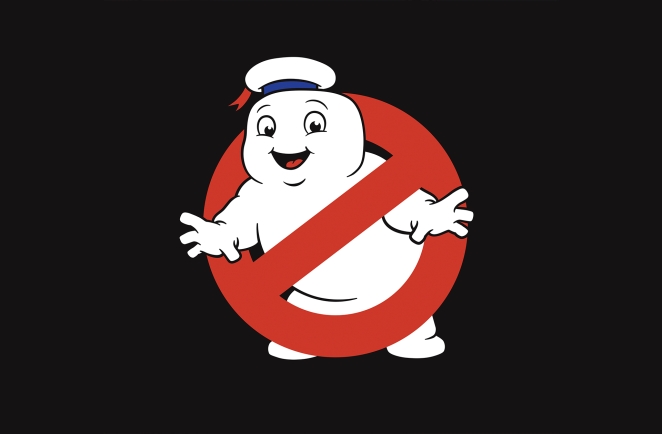 Working with Ghostbusters had a huge impact on me. It reinforced the idea that the things we obsess over as children can shape our futures in ways we never expect. It taught me the importance of pursuing projects that excite you. Passion has a way of finding its way into the final work, and audiences can usually tell when something has been created with genuine enthusiasm.
What kind of tools/kit/software could you not do without?
Like many creatives, I’m firmly in the Mac camp and spend most of my time working in Photoshop and Illustrator. The industry is currently experiencing significant technological change, particularly with AI becoming increasingly prevalent. While I have major concerns around copyright and creator consent, with governments seemingly turning their backs on creators, I ultimately believe technology works best when it enhances creativity rather than replacing it. That said, for me personally, I have little desire to become a “Prompt Artist”
What’s your secret to staying inspired and motivated?
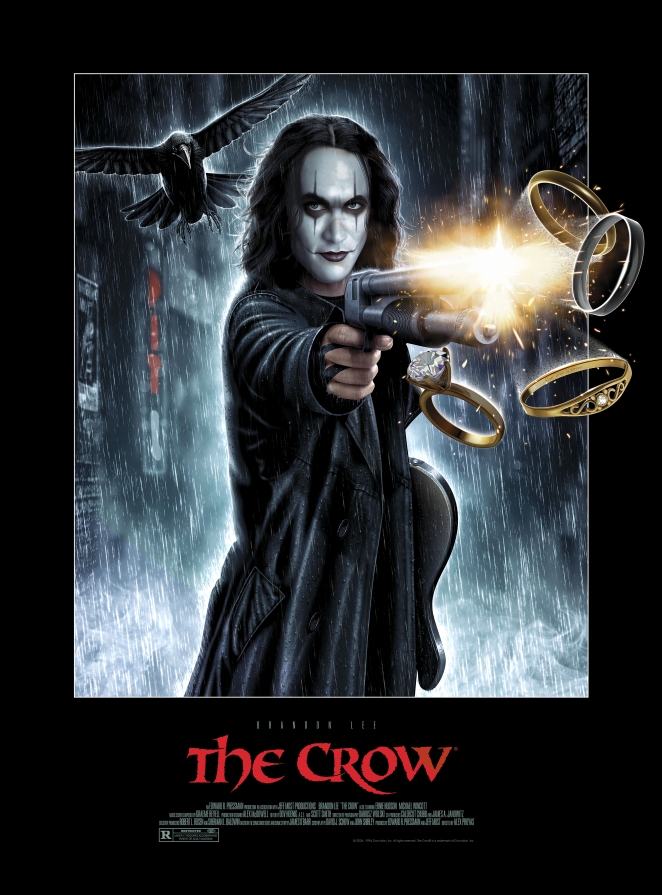
I try to focus on projects, brands and subjects that genuinely excite me. Over the last six years I’ve had the privilege of working on some incredible projects and very few of them have ever felt like work. Most recently I created an illustration for Printed In Blood’s The Crow publication. Projects like that continue to fuel my passion and hopefully open doors to even more opportunities within the world of pop-culture art.
What’s the work achievement you’re most proud of?
 Nothing has ever quite matched the Ghostbusters experience. Over the years my work has received awards and appeared in places I never imagined possible, but seeing the creator of my favourite film wearing a shirt featuring my artwork remains a defining moment in life, not just my career.
I’ve also been fortunate enough to produce work for the extraordinarily talented Director Jason Reitman and the wider Ghostbusters creative team on several projects and was even invited to visit the set of the most recent film, “Ghostbusters: Frozen Empire” during its UK production, where I was lucky enough to meet comedy royalty, Dan Aykroyd. Driving home afterwards, I sat in silence wondering how a childhood obsession had somehow become part of my professional life.
As someone with experience in the industry, what trends do you foresee shaping the future of creativity?
It’s impossible to ignore the impact of AI, both negative and (possibly) positive. Much like the impact CGI had on Photography and Practical Special Effects before it, I think we’re currently experiencing a period of disruption as creatives, clients and audiences work out where it best fits. There will be inevitable mistakes (*ahem* Coke Christmas Advert) but my hope is that we eventually reach a balance where technology serves(!) as a tool that supports creativity rather than replacing it. Human imagination, taste and storytelling remain the things that truly connect with people. Either that, or The Terminator will be proven right and AI robots destroy mankind. Time will tell.
What do you think sets apart truly exceptional creatives from the rest of the pack?
Curiosity. The most talented creatives I’ve encountered never stop learning, observing or collecting inspiration. Technical ability is definitely important, but curiosity is what keeps work evolving rather than becoming repetitive. That said, creativity is incredibly subjective. What one person considers exceptional may leave another completely cold. People even defend the Ferrari Luce.
How do you think technology has influenced the creative industries and how have you adapted to these changes?
 Technology has transformed every aspect of the creative industry, from how we create work to how we share it. Like many artists, I have huge concerns and reservations about the rise generative AI, particularly around copyright, creator rights, it’s impact on human art and the inevitable loss of jobs.
I also worry about the younger generation who may feel it has removed opportunities and career paths they have trained for. However, history shows that creative industries have always adapted to technological change. My hope is that legislation, ethics and technology eventually evolve together allowing AI, if people choose to use it, to become a useful tool without undermining the value of human creativity. Personally I’m out as I’d rather draw than type, but each to their own.
What is the one thing that you would change about the industry?
My only criticism is that the industry can occasionally be influenced by trends that place emphasis on factors beyond the work itself. I’ve personally experienced situations where it was suggested that hiring decisions were being shaped more by representation targets or demographic balance than by portfolio alone. I completely understand and support the importance of inclusion and broad representation in the creative industry, as it makes the work richer and more interesting.
My hope is simply that talent and ideas always remain the primary focus, because that is ultimately what the work stands on. I’d like to see the industry continue becoming more accessible and inclusive to everyone, ensuring great ideas are recognised regardless of background or connections.
Any websites, books or resources you would recommend?
At the time of writing, my iPhone contains 114,818 photos. Most are images taken from books, photos of nature, films, museums, architecture, toys or completely random things that caught my attention. I’m constantly collecting references and inspiration, often from places that have absolutely nothing to do with the project I’m working on. Sometimes the most useful inspiration comes from the smallest detail hidden within a much larger image.
Beyond that, I have an ever-growing collection of art books, particularly The Art of... publications, books on Hollywood poster artists, comic-book art, and behind-the-scenes books on practical movie effects and creature design. The work of the late, great Drew Struzan has been especially influential throughout my career, and I was incredibly fortunate to receive advice and encouragement from him during my education and later in my early years as an artist. To this day, those books remain among my most treasured sources of inspiration.