

For many creatives, the path to finding their true calling is anything but linear. For Dubai-based freelance graphic designer Lala Pashayeva, it began with an unexpected spark during her Interior Design studies. What started as a simple exposure to graphic design quickly grew into a passion that reshaped her career, taking her from academic foundations in Baku and Barcelona to building an independent practice in one of the world’s most dynamic cities.
Today, Lala thrives as a freelancer, creating strategic and adaptable design solutions for clients across industries. Her story is one of resilience, self-discovery, and embracing the freedom that comes with working independently, proving that sometimes the best opportunities come from following your instincts and carving your own path.
How did you first get into the industry?
I studied Interior Design for my Bachelor's degree, and part of the curriculum involved graphic design. I found myself completely immersed in that aspect of the course, it was love at first layout! That experience made me realise that graphic design was something I wanted to pursue further. So I enrolled in additional specialised courses for two years, where I focused on mastering the fundamentals. After that, I took things a step further and completed a Master's degree in Graphic Design at L'Idem Barcelona. That solidified not only my skills but also my commitment to the industry. It gave me the technical tools and creative confidence to start building a career I was truly passionate about.
Where are you based now and who do you work for?
I’m currently based in Dubai and work for myself as a freelance graphic designer. I was previously employed full-time at a Dubai-based electrolyte company. Our collaboration ended when they expressed concerns about me freelancing on the side. But honestly, freelancing was the reason I had so much real-world experience and diverse industry knowledge. It wasn’t just about the extra income; it gave me creative fulfilment and professional growth. When our paths parted, I saw it as the universe nudging me toward independence. I took that leap and decided to fully embrace freelancing. That shift allowed me to triple my income, expand my client base, and regain full creative freedom , and that decision turned out to be one of the best moves I’ve ever made.
What is your personal background and what role did it play in your career?
Since childhood, I’ve been naturally drawn to the arts - painting, crafting, sketching -always creating something. My mom noticed this early and signed me up for art classes, which helped me develop technical and conceptual skills from a young age. That early support gave me the confidence to continue exploring creativity as a career path. For me, design is more than just a job; it’s my flow state. When I’m in that zone, it feels like I can solve anything, think clearly, and push boundaries. That sense of flow and empowerment is a huge motivator, and it’s something I continuously seek in every project.
If you weren’t in your current industry, what would you be doing?
I think I’d pursue something equally expressive and connected to well-being — probably train to be a yoga teacher or a chef. I love the mindfulness and creativity that comes with both. Cooking, in particular, feels like designing — you're crafting an experience through ingredients.
Can you explain your creative process? What makes it unique?
My creative process always starts with connection. I begin with a discovery call with the client; this conversation is everything. It gives me insight into their goals, their struggles, and their vision for the future. That input is like a map for me.
Once I gather all that information, I pair it with my own research and analysis to develop a tailored brand strategy. Only then do I move into the visual part of the process — things like logos, colors, and packaging. This structured approach keeps the project grounded in strategy, not just aesthetics.
What makes my process unique is that I blend my intuition and creativity with a clear, step-by-step strategy. I’ve worked on projects before without a strategy, and while they may have looked good, they didn’t always land the way we hoped. Now, every design decision I make ties back to an objective or insight from that first conversation. That’s what leads to real results and happy clients.
How would you describe your style?
I’d describe my style as adaptable and strategic. I don’t box myself into one aesthetic because I believe each brand and industry has its own visual language. My goal is to create design solutions that speak directly to a brand’s audience, and that often requires flexibility. That said, my designs usually carry a strong sense of clarity, balance, and thoughtful use of typography.
Which individuals do you gain inspiration from? Do you have any heroes in the industry?
Chris Do is a big inspiration for me. What I admire most is how he bridges creativity with business and sales, something not all designers are comfortable with. Many creatives avoid the business side, but I believe that knowing how to sell your ideas, communicate your value, and present your work confidently is just as important as the creative process itself. His book, Pocket Full of Do, is one of my favourite resources. I keep it close and actually read from it regularly for a quick dose of insight and motivation.
What tips would you give to aspiring creatives looking for work?
Focus on getting really, really good at what you do. Try to specialise in two or three areas, not more. It’s tempting to say yes to everything, but clients are more confident hiring someone who’s clearly skilled in specific areas.
Once your portfolio is polished, start talking about your work. Cold outreach on LinkedIn, sharing your process online, asking for referrals, and just telling people what you do, all of that helps. Word of mouth is powerful, but you have to be your own loudspeaker at first. The more people know what you offer, the more they’ll think of you when an opportunity arises.
What tips would you give to other professionals to get more clients?
Be your own hype person. Seriously. Share your work, talk about it, and network like crazy. Word of mouth is still king, but it only works if people know what you do and how good you are. Ask every client for a review and use those testimonials on your site and socials. Build trust, show results, and talk about your process. That combination creates credibility and interest.
Can you share a memorable experience that shaped your creative approach?
Definitely. I’ve worked full-time in three very different companies — Poitonovi Montenegro (luxury real estate), Wimerson Health, and Humantra. Across all these roles, one lesson stood out: your creative ideas might not always align with your boss’s expectations. I’ve had ideas that I was passionate about be rejected simply because they didn’t fit the brand direction.
At first, it was frustrating — especially when I believed in the work. But over time, I learned that my boss was essentially my first client. I had to learn how to communicate my ideas clearly, defend my design choices, and understand what mattered most to different stakeholders.
That experience helped me become better at presenting, selling, and positioning creative ideas. It also taught me to channel my boldest ideas into freelance or personal passion projects, where there’s more freedom to experiment. So now, I embrace corporate jobs for the structure and discipline they teach, and use freelance for creative exploration. That balance shaped how I work today.
What tools/software could you not live without?
Adobe Creative Cloud is essential — especially Illustrator, Photoshop, and InDesign. I also use ChatGPT for brainstorming and refining concepts, and Midjourney for visual inspiration and concept development.
What’s your secret to staying inspired and motivated?
For me, it’s about growth, learning something new, seeing progress, and receiving trust from my clients. That moment when a client accepts your big proposal or trusts your creative direction? That lights a fire in me. I also stay inspired by reflecting on how far I’ve come and comparing myself only to the version of me from yesterday, not anyone else.
Freedom also fuels me. I wanted to be a full-time freelancer because I knew I could create more in my own time than in someone else’s 9–6. That vision kept me going when things were uncertain. Now, I wake up excited to build something of my own every day.
What’s the work achievement you’re most proud of?
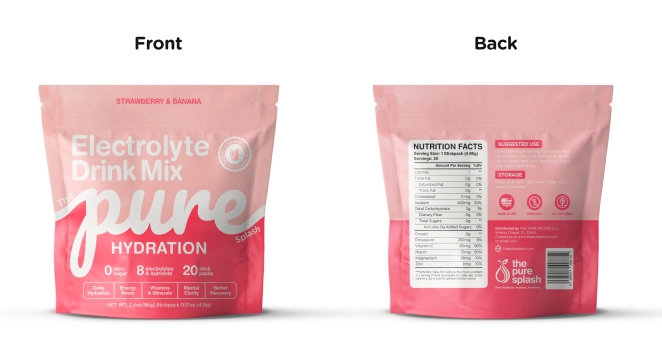
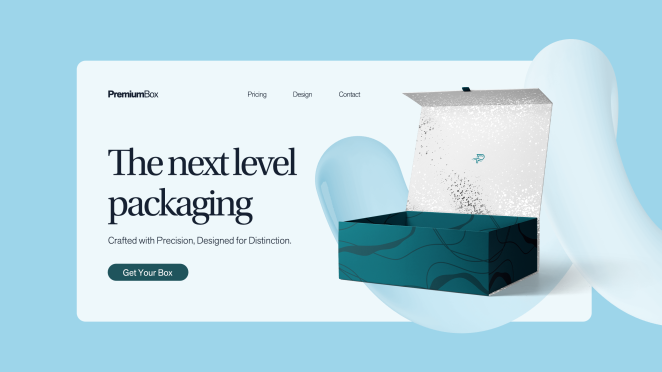
One of my proudest moments was rebranding the packaging line for a Dubai-based electrolyte company. They had hired a big agency that worked on the concept for three months, but couldn’t deliver something they liked. I stepped in and delivered a concept in just four days — and that’s the one they chose and launched. That packaging ended up in stores and booths across England and Ireland, and knowing I created something in days that beat a full agency’s months-long work? That gave me so much confidence.
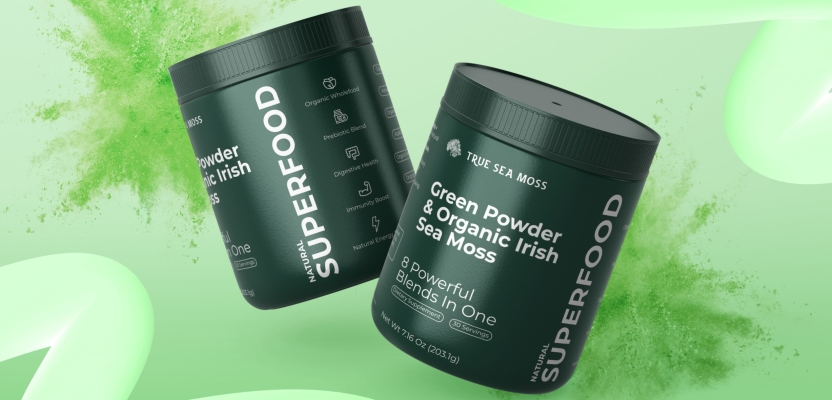
I’m also proud of my work with True Seamoss in the U.S. I designed their packaging from the very beginning, and even though they’ve since rebranded, I still see my designs out in the world — from Amazon listings to store shelves. That’s an amazing feeling.
What trends do you see shaping the future of creativity?
AI is everywhere right now — and while it's helpful, I believe people will eventually crave more authenticity. AI is amazing for ideation and mockups, but it lacks the emotional depth that real human connection brings to design.
I think the next wave will favor designers who bring both strategy and soul. People will look for creatives who can deeply understand a brand’s story and deliver thoughtful design rooted in that. So for me, it’s all about blending tech with empathy and personal insight.
What sets exceptional creatives apart from the rest?
Exceptional creatives have been in the same starting place as everyone else. The difference is they choose not to stay there. They put in the work, build experience, and take initiative. Whether that’s reaching out to clients directly, refining their process, or constantly evolving — they don’t wait for success to come to them.
Also, they’re not driven purely by money. Their motivation comes from impact, connection, and purpose. For me, it’s about creating meaningful work with people who trust me. When that connection happens, the work becomes something bigger.
How has technology influenced the creative industries and how have you adapted?
Technology has made creativity faster, more accessible, and more collaborative. Tools like Adobe Creative Cloud, Midjourney, and even Canva have transformed how we work. While Canva is great for quick presentations, I wouldn’t use it for serious branding work — it’s just not built for that depth.
I’ve adapted by being selective. I focus on mastering the tools that matter most for my work, and I use newer tools like AI as an assistant, not a replacement. Technology is amazing when paired with human insight, not when it replaces it.
What’s one thing you would change about the industry?
I’d love to see more transparency around pricing and value. A lot of amazing designers undervalue their work because they’re unsure how to price or sell it. I believe if we talked more openly about value, strategy, and pricing — we’d empower more creatives to earn what they truly deserve.
Any websites, books, or resources you’d recommend?
Identity Design by David Airey is a classic — it covers everything from branding basics to strategy. And of course, Pocket Full of Do by Chris Do is packed with insights for creative entrepreneurs.
Other than that, just stay curious. The internet is full of free knowledge. Dive deep, explore different styles, learn how others think — and never stop asking "why."