

From a childhood shaped by art, branding books and video game concepts sketched long before design software was mainstream, Bhekinkosi Ncube’s journey into the creative industry was both organic and intentional. Now based between Johannesburg, Bulawayo and Harare, he operates as a design consultant who builds long-term, in-house style relationships with agencies and brands across the globe — blending strategic thinking with distinctive visual execution.
With a background in law and a foundation in research-driven problem solving, Bhekinkosi approaches design as more than aesthetics. His work is rooted in logic, collaboration and what he calls “creative courage” — the ability to challenge conventions thoughtfully while still delivering commercially effective solutions. In this conversation, he shares insights on process, technology, industry value, and why human connection remains the defining edge in an AI-driven era.
How did you first get into the industry?
 I was always drawn to graphic art and branding by a natural affinity for art, and especially video games. When my older brother graduated and got access to design software such as Photoshop for his work, this ignited my interest even further, and I started teaching myself how to use the software properly.
Where are you based now and who do you work for?
I am based in Johannesburg, Bulawayo and Harare. I work as a design consultant for a number of agencies, individual brands and clients based all over the world. I don’t see myself as a freelancer, as much of my work is based on creating ongoing relationships that see me play the role of an “in-house” designer without being tied down to any one company.
What is your personal background and what role did it play in your career?
I come from a naturally creative family. My father was a talented painter and artist in general, and my mother was also creatively gifted in the culinary, fashion and visual design spaces. None of my immediate family was professionally engaged in the creative industries, but I have many aunts and uncles who were. I was always surrounded by creativity growing up, and was always encouraged to think outside the box. This gave me what I would call “creative courage” to try different media and ideas. From using computers to draw before Photoshop was a thing, to creating full-on design documents for video game ideas I had. My parents also had a lot of educational books about branding, marketing and more and even though I didn’t realise it at the time, that’s probably where I got my interest in logo design, brand identity and more from.
If you weren’t in your current industry, what would you be doing?
 I would very likely still be in the legal field. I actually studied and graduated with a Bachelor of Laws degree before ever exploring design in any meaningful way. I was working in the boutique legal advisory space - and it was something I was actually quite good at. I’m grateful for those years, because transitioning to working in design showed me that a lot of those skills and competencies I built during that time were actually going to be very useful for building a career in design.
Can you explain your creative process? What makes it unique?
A lot of my creative process is based on putting research, logic and problem-solving first, and then looking at how to marry that with an appealing visual style that actually works. I try to involve my client’s opinion in every step, but I also make sure that they know what the research and analysis says about whether what they want will work or not. Many clients believe a logo or a visual identity must be a certain way, or *must* explain a certain thing, but that isn’t the case. It’s about marrying your goals to the solution to whatever your current pain point is, then connecting that to what it is that’s worked for the people with whom you want to communicate. Within that synergy lies a visual identity that you can build your brand upon.
How would you describe your style?
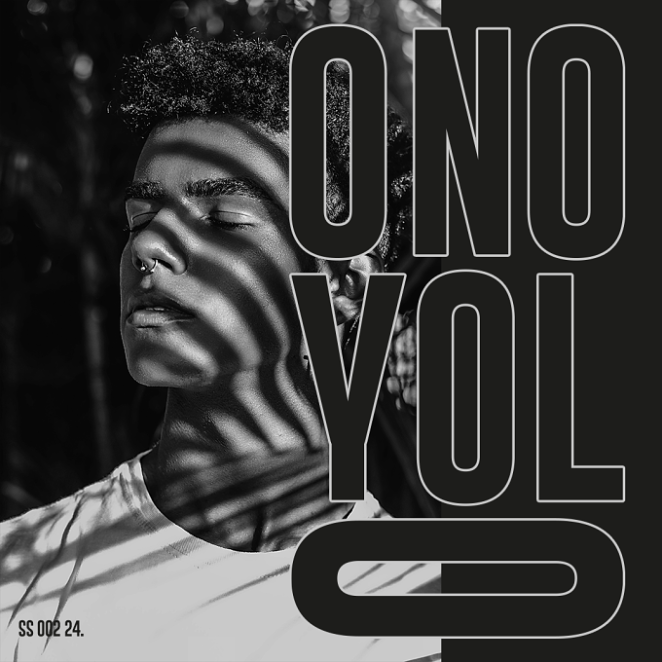
I’m a big fan of simplicity, but because of my love of video games, I also enjoy toying around with negative space and more for little easter eggs. They’re mostly for my own enjoyment, but I think they add a human cheekiness to the work I do. When it comes to more artistic composites, I love playing around with gothic and dark imagery in my pieces, as well as stark, simple, abstract illustrated pieces. I’m all over the place!
Which individuals do you gain inspiration from? Do you have any heroes in the industry?
 Sindiso Nyoni is a wonderful visual artist who is also a Zimbabwean like myself. His work is fantastic, and he’s carved out a style so uniquely his that you can’t mistake it, no matter the medium he uses. Besides him, I really enjoy the work done by many former The Futur employees, such as Matthew Encina. I find inspiration from everywhere, and from many sources, so the list is endless, really!
What tips would you give to aspiring creatives looking for work?
Find out what you’re good at by experimenting, but also don’t lock yourself down to that specific thing once you do. Experimentation and exploration shouldn’t stop once you’ve found your niche. You never know whether you’ve reached your final form. I would’ve never known I was capable of designing production artwork for huge corporate events if I had just told the people who asked me to work on their products that I only work on Brand and Visual Identity. Try things, fail at things - you’ll figure out the spaces in which you fit best as you go along!
What tips would you give to other professionals to get more clients?
I think that good work speaks for itself, sure, but being good to work with does a lot more for you than you might think. A lot of artistic people and creatives just want to put the work out and stay out of the way, or communicate as little as possible. They don’t want to involve their clients in the (understandably) very personal creative processes. I think this has created a snobbish image of people in the industry, and that doesn’t always fly. Be kind, be attentive, check in and try as much as possible to let your client see your thought process. It makes an impact, and is usually the reason that you’ll create word-of-mouth marketing. This is often way more effective and brings higher-value clients in than posting your work on Instagram (but you SHOULD post your work!)
Can you share a memorable experience from your career journey that shaped your approach to creativity?
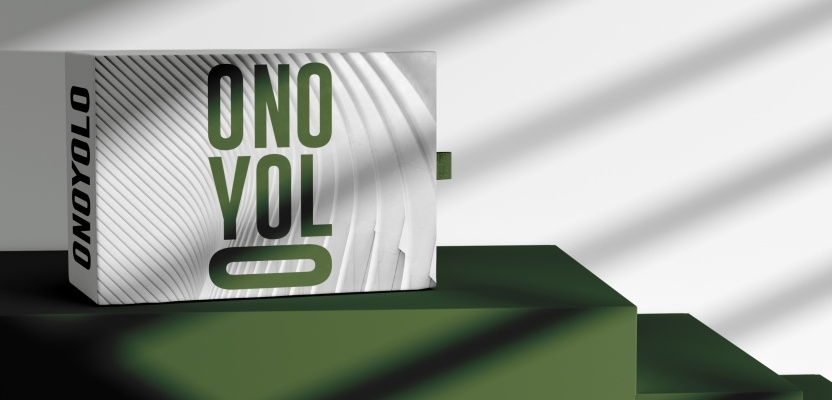
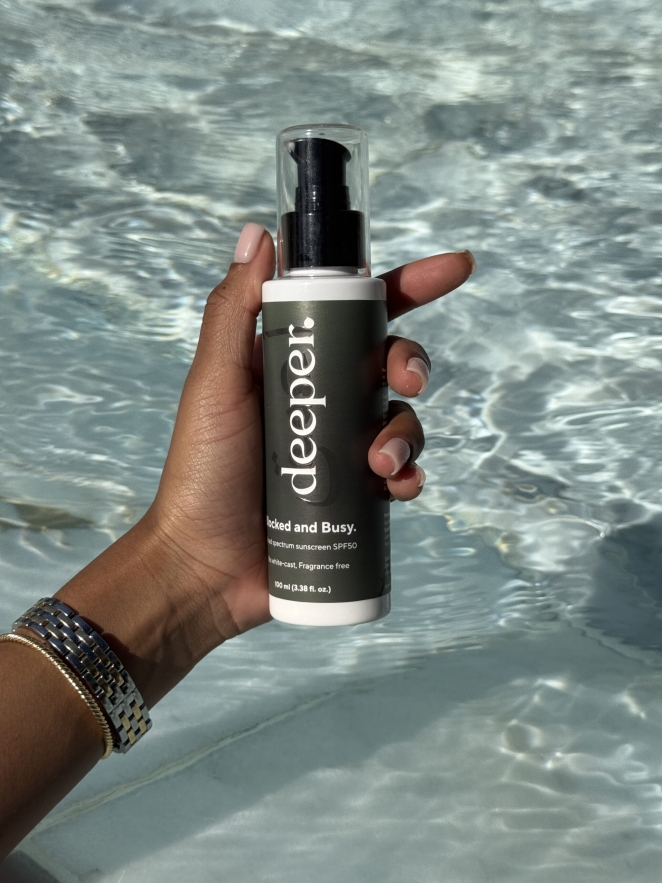
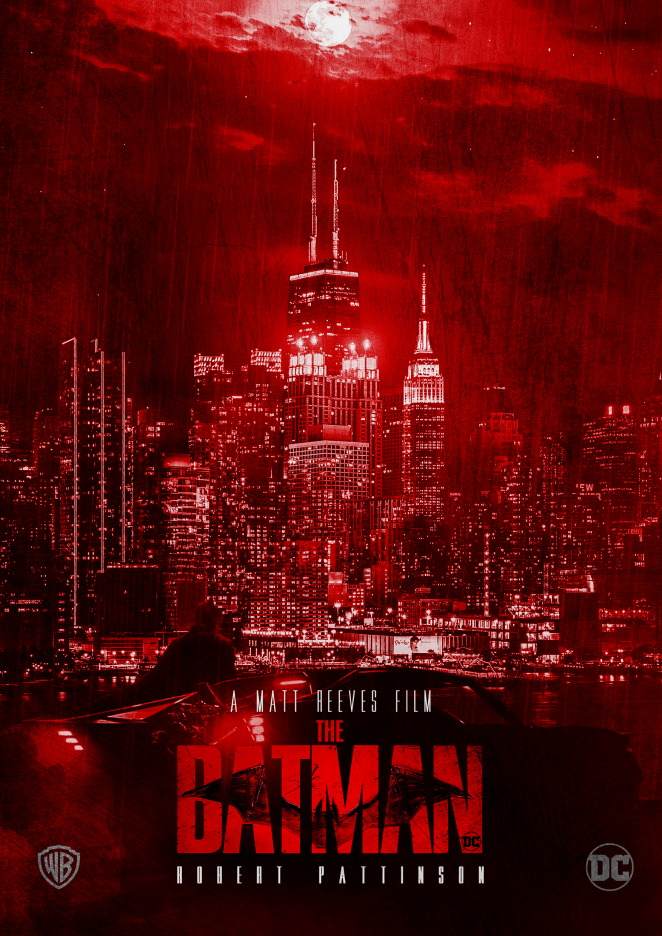 I would say the most memorable experience from my fairly young career so far is helping create brands that have actually gone on to be established, functional and successful. Just seeing the work I’ve done become the foundation of something someone has gone on to build is super satisfying for me. Whether that be a logo, a packaging design, a visual system through assets I’ve created or the production artwork I’ve done for an event. I appreciate all of it!
What kind of tools/kit/software could you not do without?
I couldn’t do without an internet browser. That’s probably the main thing. I try to be as adaptable as possible, so if I didn’t have access to the Adobe Creative Cloud tools I’m comfortable using right now, I would happily pivot to Affinity or some other tools. But the single most important tool I have is an internet browser!
What’s your secret to staying inspired and motivated?
Creativity comes in many forms. I mentioned how my family was creative in many different ways - well, as the youngest of four siblings, I think that variety trickled down to me. I see creativity and artistic beauty in many ways. In the food I cook, the various signage and design considerations that surround me as I take a walk, the music I listen to and its key art… I think just being observant is the key. Creativity and design are absolutely everywhere.
What’s the work achievement you’re most proud of?
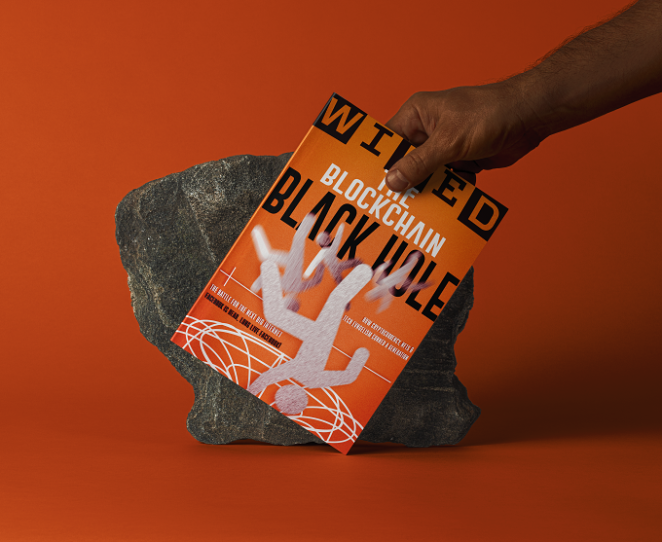 I worked on the G20 Summit held in South Africa last year, and a lot of my work went into a number of the events that took place as part of that. I think I’m most proud of it because it forced me to think about the work I do as a small part of a whole and I had to adapt to other creatives, stakeholders and agencies working alongside me. This ordinarily would’ve been chaotic and exhausting for me, but working on these projects was actually something I did rather seamlessly because of the great people I was able to collaborate with.
As someone with experience in the industry, what trends do you foresee shaping the future of creativity?
I think the impact of AI is something that’s been talked about to the nth degree, but actually, I can see it pushing people who go beyond just being technically good at what they do to the top. As I said, there is value in being human, approachable and collaborative. The more human touch to the work we do will be essential in defining value as time goes on. AI will also settle back into just being another tool that humans use, as opposed to being what tech bros hope it will be - a replacement for human talent and creativity.
What do you think sets apart truly exceptional creatives from the rest of the pack?
I think to be set apart, you just need to look at things differently from everyone else. There will always be design principles, the golden ratio, colour theory, et al. Being able to look at that and deciding to go against the grain in a thoughtful way, while still delivering on the needs of your clients, is what will set you apart. Creative bravery, if you will.
How do you think technology has influenced the creative industries and how have you adapted to these changes?
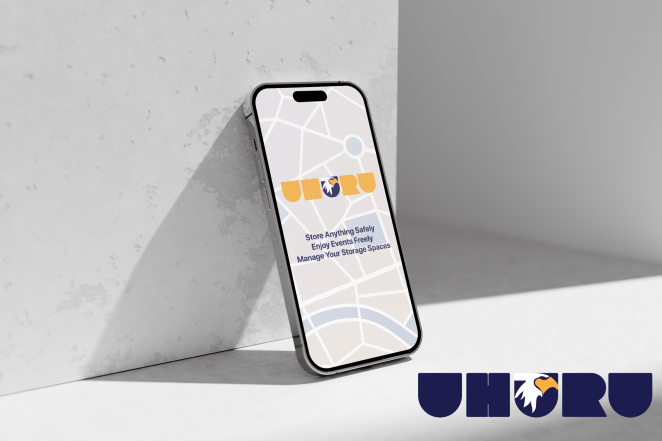 Technology and creativity go hand-in-hand. I wouldn’t be able to do what I do today without technology. I’m not a steady enough hand to design the logos and visual systems that I do by hand. Technology is, and will always be, a tool to me. I see Photoshop and Illustrator as tools, and in that same vein, I also see the likes of ChatGPT as tools. What I do not believe is that these tools can replace the need for human creativity in the use of those tools. An executive in an office somewhere can’t just wake up and create a great movie because Seedance exists. I have always embraced technology, but I have also always been intentional about my use of it. I enjoy the process of creation, so I still sketch on paper, still manually edit things in Photoshop, but when I have to, I’ll gladly remove the background of an image using AI and not the Pen Tool to get the job done.
What is the one thing that you would change about the industry?
The perception of what we do as being “easy” or “simple”. This is mostly a conversation about value - do we as creatives value the work we do enough? Many of us can push out 3 logo ideas in a single day, and I think because of that, many people think that it’s a simple process that doesn’t have the same value as drawing up a contract, or pushing out a sales report. Charging $20 for a logo devalues not only your own work, but everyone around you. That’s why so many designers have to go out of their way to show what actually goes into creating the things they create. We constantly have to “justify” our prices and value without explaining why we charge what we do, because there is always someone out there on Fiverr or Upwork who will claim they can do it for $5 in 3 hours. They probably can’t do that, but the perception remains, nonetheless. So I guess if I could change anything, I would say I would change how we, as creatives, value the work we do.
Any websites, books or resources you would recommend?
YouTube! YouTube taught me, and continues to teach me things about the industry every day. I would recommend Phlearn for beginners just getting into the industry. For those who lean towards graphic and digital art, Nemanja Sekulic taught me a lot of what I know about compositing. Unmesh Dinda, who runs the PixImperfect channel, is also a super great resource to keep up with the tools that Photoshop comes out with. James Martin is another resource who gives enjoyable, relatable tips on personal branding, brand and visual identity work and a lot more. Ultimately, I would recommend just observing the world around you. Ideas are everywhere; just listen to them.