

Creative director Cosmo Jameson has built a career around big ideas, collaborative thinking, and meticulous craft. From his early days studying at Falmouth University to spending eight years at renowned branding agency SomeOne, Cosmo developed a strong reputation for creating powerful brand identities and campaign-led creative work. His journey reflects the value of persistence, strong industry relationships, and a passion for pushing creative boundaries.
Now based in Hackney and running his own collaborative design practice, Creative Office, Cosmo continues to work with a diverse network of specialists to deliver impactful branding and campaigns for clients across industries. In this interview, he shares insights into his creative process, career journey, industry inspiration, and the lessons he’s learned while building meaningful brand experiences.
How did you first get into the industry?
 We’re going back a bit. Falmouth University, 2010. They had (and still do) great connections with industry and had a particularly tight thing with Brand Union (now Design Bridge) in the form of a bursary scheme. I’d always had my sights set on Brand Union because of their reputation for brand strategy and their scale. It’s on this two week internship that I clicked with a lot of peeps, Designers, Account directors, CDs (big up Mark) – I hounded Mark in third year and landed a job. That Summer, I was up for a D&AD New Blood award, at that show Simon from SomeOne spotted my work and dropped me an email. Things at BU weren’t as I’d hoped so I jumped ship about 9 months in, to SomeOne, where I stayed for the next 8 years.
Where are you based now and who do you work for?
I’m based in Hackney and work for myself. I left SomeOne in 2021 to set out on a new challenge — Creative Office, which I set up as a collaborative design practice, and turns 5 in March 2026 (WTF!) designing brand identities and campaigns for all kinds of clients. It’s me at the centre with collaborators and contractors changing project by project. It’s an approach I honed at SomeOne and grew to love — getting specialists in for specific tasks as much as possible for bigger, more surprising and more effective results.
What is your personal background and what role did it play in your career?
A sign writer Mum, a civil engineer dad and competitive creative siblings. Watching Mum paint Times New Roman lettering day after day while soaking up stories on architecture and design by evening — with weekends filled with music, family and skateboarding. The older I get the more I think skateboarding had a huge impact on a lot of my generation who pursued careers in the creative industries. Yes, the graphics and language of it all was inspiring, but the anti-convention attitude and out of box creativity of it more-so. Skills I’ve always used throughout my career and define my approach to design.
If you weren’t in your current industry, what would you be doing?
I try to do all the things. I’m also a music producer, occasional painter, advertising nerd, father — they all have their place and influence my design practice. But if I had to guess, maybe a beach bar owner, on a Balearic island.
Can you explain your creative process? What makes it unique?
Big ideas. Collaboration. Meticulous craft.
What makes the brand design process unique isn’t a fixed formula — it’s the thinking behind it. I have clear, structured processes for projects like brand identity, but no two briefs, brands, or clients are the same. I build in enough pragmatism and agility to respond to what each project actually needs. That means protecting the quality of the work while reducing unnecessary friction along the way. The goal is always the same: do the best work possible, in the smartest way possible.
For campaign projects, the difference lies in applying that same brand design rigour to communications. Strategic thinking, system logic, and craft aren’t reserved for identity — they’re carried through into campaign worlds, ensuring ideas are not just impactful, but coherent, ownable, and built to last.
How would you describe your style?
Joyful in approach. Campaign-led flexibility with brand design rigour.
Which individuals do you gain inspiration from? Do you have any heroes in the industry?
There’s a select bunch of studios who’ve pushed it the last ten years — everyone knows who they are — and it’s a joy to watch. All inspiring stuff. But I get really inspired by people who can properly handle clients and push work in the right way. My partner Lucy — incredible client services director. The partners at SomeOne — the best in the biz. It’s an artform and one I really find inspiring after having to do it myself over the last 5 years.
What tips would you give to aspiring creatives looking for work?
Find out who you’d like to work with, make sure your portfolio is aligned — talk to them and don’t stop. Persistence really is key. And spread bet — talk to lots of people. You might end up somewhere, doing something else that you hadn’t planned for.
What tips would you give to other professionals to get more clients?
 The power of reputation and word of mouth has been for me (and many alike) the most powerful new business tool we have. But to stoke that you need to put the energy in — catch up with old friends, colleagues, past clients. Be familiar to allow more things to happen. That being said — More clients are good but long term clients are better. Nurture relationships and make your clients look good to their seniors.
Can you share a memorable experience from your career journey that shaped your approach to creativity?
Massive one. Working on the new branding for Aston Villa Football Club while at SomeOne in 2016. I’m a Villa fan. Whole family support them (apart from the half who wear blue — we only talk to them if we have to). I really wanted this project to be a slammer. I poured everything into that project. It was the first project I’d led where the approach I use today formed. Ultra collaboration. A strong core brand idea that led onto collaborations in 3D, animation, embroidery, digital, experiential, mosaic(?!), stained glass, copy writing, and on. Something really clicked on that project.
Oh and the time we went back to Falmouth Uni to do a lecture and got on the Grandma’s Weapons Grade Ginger Beer the night before. Had to discover a new level of creativity the next morning.
What kind of tools/kit/software could you not do without?
There’s actually a lot of tools I use throughout the whole design process that are all over the place (colour accessibility checkers, conversions, text tools etc) so I’ve built something called ToolBlocks for those who share a similar frustration. BETA launching soon, check out toolblocks.design on insta for launch news!
What’s your secret to staying inspired and motivated?
It’s a toughy when running your own company of one. Checking in with old colleagues, mates, peers — always does the trick.
What’s the work achievement you’re most proud of?
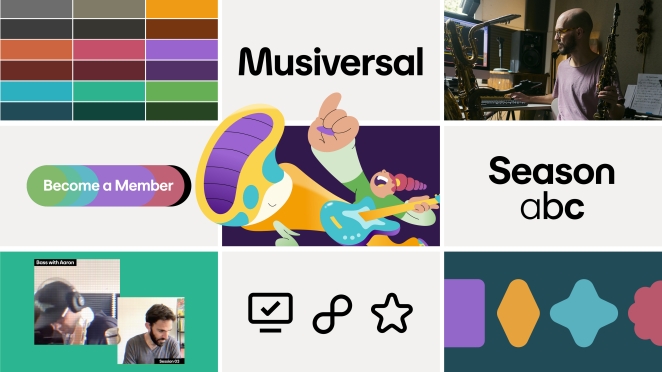
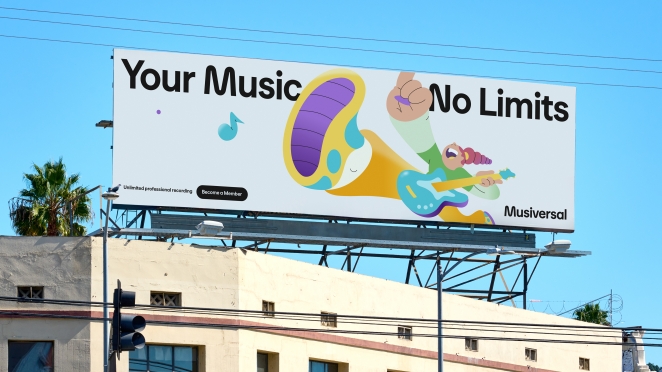
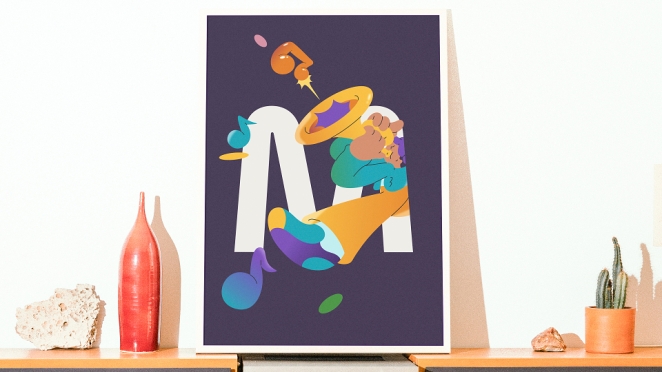
Last year I led the rebrand for Musiversal (a remote music recording and production platform). We pulled off a super collaborative and ambitious project with a host of great collaborators from illustrators to typographers, photographers, sound designers and musicians. It demanded a deep understanding of both music and design — so I was in my element. The response and results have been great. It feels like a great flagship case study for Creative Office, so definitely one I’m proud of.
As someone with experience in the industry, what trends do you foresee shaping the future of creativity?
More machines doing more things at a faster rate — which makes it super exciting for creativity — I think it’ll make creative people more creative and churners more churny which is fine by me.
What do you think sets apart truly exceptional creatives from the rest of the pack?
An unrelenting energy for doing better. We all start somewhere modest but those who dig deep and really want to get better each day end up doing great things eventually. I’m working on it myself, much easier said than done.
How do you think technology has influenced the creative industries and how have you adapted to these changes?
 Branding specifically? We were banging on about Brand Worlds yonks ago, but design for brand is now understood to be system based. Expansive, flexible and ever changing. More engaging, entertaining, customised. Faster. More collaborative. More immediate. It’s more demanding and forces a bigger thinking and turnaround adaption — which I’ve always enjoyed.
What is the one thing that you would change about the industry?
Bean bags. They still around?
Any websites, books or resources you would recommend?
toolblocks design - Your go-to design process tool in one place.
firstconcepts - A super useful tool for brief and early stage concept exploration.creativeoffice - Our own site (is that cheating?)