

For Ollie Hirst, illustration is more than just visuals; it’s a form of translation, illumination, and lived experience. A self-proclaimed “bionic man” and lifelong cardiac pacemaker patient, Ollie has turned his journey into a purposeful career, using bold conceptual thinking and hand-drawn craft to reframe complex ideas in science, health, and tech.
In this exclusive Member Spotlight, the Manchester-based illustrator shares how his condition shaped his voice, why he draws the line at AI, and how strategy, identity, and heart power every piece of work, from TED talks and The New York Times to projects with the British Heart Foundation.
How did you first get into the industry?
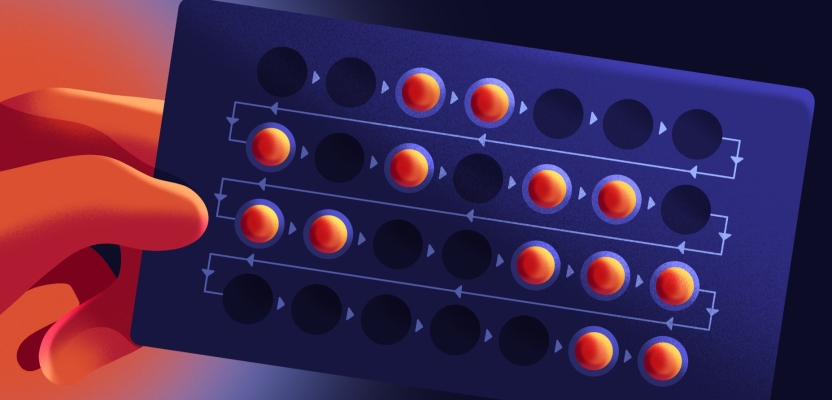
My journey into illustration began as a first-class BA Illustration grad at Norwich University of the Arts, where I began to explore illustration as a mediation tool, using my own congenital heart condition and pacemaker as the motive. Quite often, I can experience internal sensations which are hard to verbalise, and I began to illustrate my own experience as well as other patient stories as part of my degree show project called “Battery Operated”, as a way of communicating these alien sensations.
Post university, I worked at a large Health/Pharma ad agency in Manchester as an advertising creative, where I learned how the world of advertising works, how to pitch, art direction, design and I saw how illustrators are commissioned for projects. It was a bit of a look behind the curtain, which in healthcare, can be quite a closed curtain. Working on disease awareness campaigns and biotech brand identities made me realise just how powerful visual media can be when it’s used with purpose.
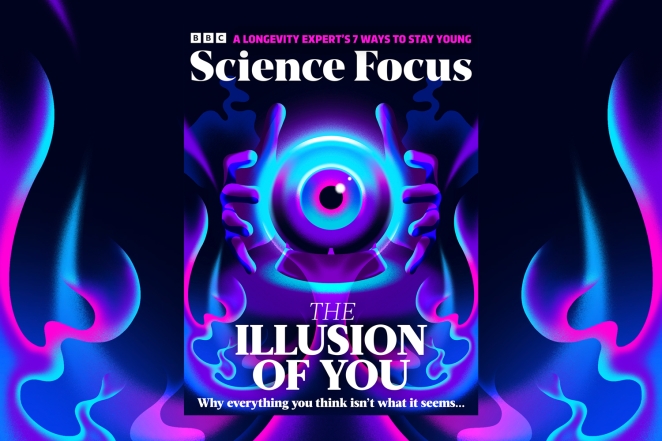
After a good few years working in health advertising, I decided to make the switch to full-time freelance, and I’ve been a full-time professional illustrator since Dec 2020. In the time since, I’ve had collaborations across editorial and commercial with AstraZeneca, BBC, Boehringer Ingelheim, The British Heart Foundation, Citroën, Genomics England, The Lancet, Nature, New Scientist, The New York Times, TED and more, plus my work has been recognised by The Association of Illustrators, The Directory of Illustration, Communication Arts, 3x3, The World Brand Design Society, The One Club for Creativity and D&AD. In 2024, I was named a candidate for Forbes 30 Under 30 Europe.
Where are you based now and who do you work for?
I’m an award-winning Conceptual Illustrator/Bionic Man, working and living in Manchester, UK. I am represented worldwide by Making Pictures in Soho, London.
What is your personal background and what role did it play in your career?
Illustration makes me tick. Though it’s not the only thing that does. I’m a lifelong cardiac pacemaker patient. So, whilst I put my heart into drawing, it gets help most of the time.
Science health and tech govern my life in a subconscious way. I’m a bionic man who has a relationship to these things that many others don’t. They’re notoriously tricky topics to communicate and my aim is to use my life experience to influence the way I approach these topics.
If you weren’t in your current industry, what would you be doing?
I think I’d probably be a translator or something involving foreign languages. I have an A Level in French and a GCSE in Spanish. I spent a lot of my young adult life speaking and writing in them and I also love the linguistics of language and how words originate. That in itself is quite creative.
Can you explain your creative process? What makes it unique?
My work is hand drawn on procreate on iPad. That’s certainly not unique but it has become a bit of a signature to my work. I do not and will not use Artificial Intelligence in my working process.
The word “illustration” comes from the latin “illustrare” meaning to illuminate. Something which I aim for all my work to embody and I think this quality is vital in my themes of science, health and tech where clients can often overly focus on accuracy and complexity.
How would you describe your style?
I describe my approach as “bright colour and brighter ideas”. As we are thrust towards this AI-powered society, I want peers and clients to know that commissioning me isn’t just for my visual aesthetic, but for my ideas and POV too. I believe illustration isn’t “art” as such and instead sits very firmly on the design spectrum as a problem-solving tool.
I made this series, “Human Intelligence”, as a way of showing how my voice adds value to a project and how my illustration is born from problem solving & concepts, through to client presentation & final illustrations. It’s a blueprint that’s all encompassing, fresh from the Ollie Occipital lobes.
Which individuals do you gain inspiration from? Do you have any heroes in the industry?
I try not to get fixated on fellow illustrators as inspiration as I think it’s only natural and very tempting to want to emulate those you admire in some way, sometimes without realising it. So to keep my work original and rooted in a strong personal identity, I find using my life experience is my biggest driving force.
I love the graphic simplicity of Eiko Ojala. I think the genius and wit of conceptual illustrator Jon Krause is unmatched. The fearless identity of Ari Liloan is super impressive and the visual synchronicity of my friend Chiara Vercesi’s extensive back catalogue is always inspiring.
What tips would you give to aspiring creatives looking for work?
Strategy! As an illustrator, you offer a service to clients. A service which solves a problem or a brief. You have to keep that in mind when building a portfolio and a great way to do it is Speculative Work. Take existing content like headlines, magazine covers or even a brand campaign and reinvent them using your voice. Context is key for commissioners to understand where your work sings.
What kind of tools/kit/software could you not do without?
I am Procreate’s biggest fan!
What’s the work achievement you’re most proud of?
I’ve had many successes in my career so far such as being recognised across multiple industry award shows, notably winning a World Illustration Award for my collaboration with The Lancet medical journal and being named as a candidate for Forbes 30U30 Europe in 2024.
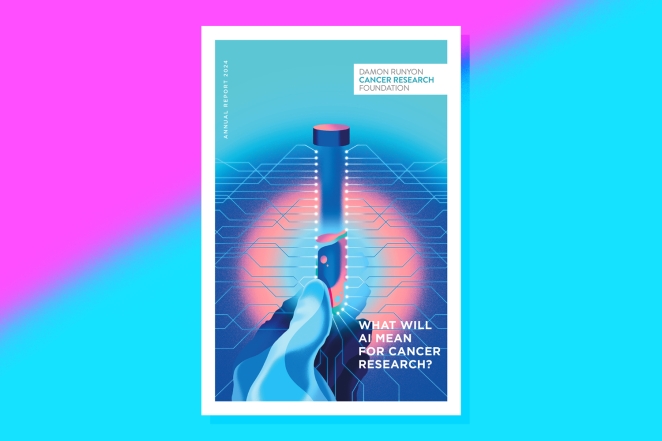
While those things are brilliant, for me, what I’m most proud of is getting my work into circles that mean a lot to me. Working with the British Heart Foundation several times has been a lovely opportunity to help communicate ground breaking research into heart disease and how to live a better life with it, as a lifelong CHD patient myself. Those are experiences that mainstream commercial brand work won’t give you.
What do you think sets apart truly exceptional creatives from the rest of the pack?
Identity. And in this age of AI, I believe it’s more important now than ever before.

What is the one thing that you would change about the industry?
This is a wonderful diverse industry with lots going on, but it often feels like its moving faster than the people working in it can catch up. Especially in illustration, editorial in particular is the most abundant type of work, yet it’s the areas where budgets are coming under fire all the time and timelines can be ridiculous quite frankly. If we want a culture of humanity and quality, we need to slow down a bit and take the time to appreciate the value illustration brings.
Also I’m very active in the emerging talent space. I’m a mentor with The Association of Illustrators, guiding underrepresented talent into the industry and I also work on other initiatives using my free time that generally just make myself available as a listening ear or a helping hand for anyone who might need it. I wish other professionals had this mentality.
There’s a significant problem with nepotism, class divides and gatekeeping which I’m on a mission to try and put a stop to, but I see so many successful professionals closed off to this idea. I urge you to consider mentoring younger talent. It not only revolutionised their careers after some pushes in the right directions, but almost definitely enriched mine too.