


In a world where AI is reshaping production, Ryan Stevenson (Creative Director) and Graeme van Rensburg (Lead Designer) set out to prove that technology and creativity can co-exist seamlessly for IOTI.MOBI, a leading IoT solutions company, created an AI-driven explainer video that transforms how audiences understand devices, sensors, and gateways in the logistics industry.
By merging AI-generated visuals with traditional production tools, the duo delivered a cost-effective, cinematic piece that not only differentiated the brand but also drove measurable business results. In this behind-the-scenes look, Ryan and Graeme share their process, challenges, and how human direction remains the key ingredient in any AI-powered creative project.
What was the brief?
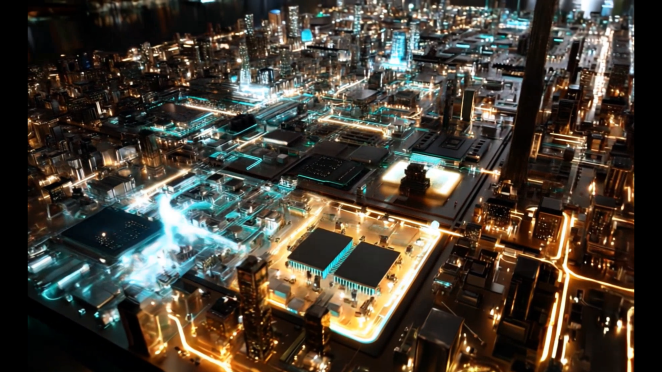
To create an AI-driven explainer video for IOTI.MOBI, a company specializing in IoT devices, sensors, and gateways. The goal was to help customers better visualize the products, their features, and the benefits they deliver in the logistics industry.
How did the initial pitch/brainstorming phase go?
We proposed a hybrid production—combining AI with real footage—to overcome the limitations of AI at the time while reducing costs typically associated with permits, road closures, drones, trucks, equipment, and large production crews. The client embraced the idea, as it was both cost-effective and future-facing.
What was the process behind ideating the concept?
We began by analyzing the competition to ensure the final work would stand apart in style, tone, and mood. We studied IOTI’s products in detail and worked in sprint-style workshops with the client to ensure alignment of ideas and vision throughout the process. From there, we developed AI-driven art concepts, generated test videos and voiceovers, and refined them until they matched the desired look, feel, messaging, and brand impact.
What was the production process like?
Intense and iterative. We combined multiple AI tools with platforms such as After Effects, DaVinci Resolve, Photoshop, and Lightroom. The project ran over three months, with weekly check-ins to review each scene. This approach allowed the client to request changes early and often, rather than waiting until the end.

What was the biggest challenge during production? How did you overcome it?
One of the toughest challenges was placing IoT devices accurately on the characters’ arms using a combination of Software and AI tools. Achieving the correct scale, perspective, and detail required countless iterations and careful refinements.
What kit/tools/software were used to create the project?
We prefer not to disclose all of our “secret sauce,” but the production combined multiple AI systems with industry-standard editing, grading, and design software.
What is one funny or notable thing that happened during production?
In one scene, the truck driver was supposed to check his phone—but the AI mistakenly animated him pulling the phone out of his head. It turned into a running joke on the team and reinforced the importance of regular sprint reviews.
What’s the main message of this project and why does it matter?
Message: Secure, track, and optimize your world with rugged, discrete IoT devices, sensors, and gateways.
Why it matters: With cybercrime on the rise and South Africa already dealing with high crime levels, companies need secure, scalable, and cost-effective solutions. IOTI provides businesses—large and small—with the tools to operate more efficiently in a sustainable and non-invasive way.
How long did it take from inception to delivery?
3 months.
Can you describe the creative spark or inspiration behind the initial concept? Was there a specific moment or insight that ignited the idea?
There wasn’t a single “lightbulb moment.” Instead, it was the continuation of a long-standing relationship with the client. We prefer to ideate collaboratively, in the moment, with clients. Much like AI, our ideas are only as strong as the questions we ask.

How did you ensure that the concept aligned with the brand's values, goals, and target audience?
We focused on asking the right questions—not only to identify the client’s immediate needs but also the needs behind the need. Speaking with IOTI’s Sales Manager gave us deeper insight into their customers and the varied profiles they target, ensuring the content resonated across audiences.
Were there any alternative concepts or ideas considered during the ideation phase? If so, what led to the selection of the final concept?
Yes. The initial idea was to shoot a full-scale live production. However, the hybrid AI-driven concept was chosen as the smarter, more cost-effective, and innovative route.
Can you discuss any collaborative or interdisciplinary aspects of the ideation process, such as working with other departments or external partners?
We worked directly with the CEO and Head of Sales & Marketing through weekly micro check-ins. Sometimes, when they were satisfied, meetings weren’t even necessary—we would simply upload updates to a shared file ahead of schedule. This streamlined collaboration ensured transparency and efficiency.
What role did consumer research or market analysis play in shaping the concept and its execution?
A major one. Research helped us carve out a distinct look, feel, and messaging that differentiated IOTI from competitors while resonating with their target audience.
Can you discuss any unique or unconventional production techniques or approaches used to bring the idea to life?
Some of our methods remain part of our “secret sauce,” but the project involved unconventional blends of AI art generation, human-directed refinement, and cinematic post-production techniques.
How did you ensure that the concept remained innovative and stood out in a crowded marketplace?
Through relentless research, iteration, and refinement. By combining innovation with storytelling, we ensured the brand’s message would stand out both visually and emotionally.
What do you hope it achieves for the brand?
It’s already generating results: more boardroom conversions, increased website traffic, and higher-quality leads, all within just six weeks of launch.
Credit list for the work?
Ryan Stevenson: Creative Director
Graeme van Rensburg: Lead Designer