

With nearly two decades of experience in Auckland’s creative scene, Ben Dean has built a career defined by precision, adaptability, and a deep love for the craft of visual storytelling. Starting out in publishing, scanning transparencies and retouching images, Ben discovered his passion for retouching almost by accident. That early spark has since evolved into a thriving freelance career, working with leading brands and agencies across diverse creative disciplines.
What sets Ben apart is his seamless ability to balance technical expertise with artistic intuition. Whether artworking to bring a designer’s vision to life or crafting photo-realistic retouches, he approaches every project with the same dedication to quality and collaboration. Grounded, observant, and always open to learning, Ben represents the kind of thoughtful creativity that continues to define the best of today’s design industry.
How did you first get into the industry?
After completing my studies in Graphic Design, I began my career at a publishing company in my hometown, where I scanned transparencies and retouched the digitised images. It was only supposed to be a foot in the door on my way to becoming a designer, however this is where my initial passion for retouching was sparked.
Where are you based now and who do you work for?
I have been based in Auckland for the last 18 years, and I'm currently working as a freelancer for some exceptional brands and agencies.
What is your personal background and what role did it play in your career?
I come from an ordinary working-class background where creativity was encouraged. My parents gave me the freedom to explore my own interests, which played a big role in shaping my path. From an early age, I was captivated by music—not just the sound, but also the art on the record sleeves. This fascination sparked a lasting interest in design and visual communication, ultimately leading me to pursue a career in the design industry.
If you weren’t in your current industry, what would you be doing?
I'm not sure to be honest, probably something to do with music as it is my other main passion.
Can you explain your creative process? What makes it unique?
From an artworking perspective, my process is always tailored to the specific needs of each project. Much of the time, creating artwork files is about bringing a designer’s vision to life, which requires flexibility and the ability to adapt to different workflows, personalities, and creative directions. There are also projects where the line between artworker and designer becomes blurred, and I get to wear my designer hat—something I enjoy. In those cases, I still don’t follow a rigid process, as I believe that being a successful freelancer means being able to integrate smoothly into a client’s existing systems, especially when working with agencies.
As a retoucher, I’ve developed personal workflows that work best for me, but I also adapt to meet the specific requirements of each client. One principle that remains constant, however, is the importance of referencing real-life objects to understand how light interacts with different shapes and textures. I’ve learned that what I think something looks like often isn’t quite the same as how it behaves in reality, so observation is key.
What tips would you give to aspiring creatives looking for work?
The market is highly competitive these days, with a lot of talented people vying for the same opportunities. As a freelancer, being easy to work with can make a real difference, it’s something I’ve personally valued more than experience when hiring in the past. For graduates or those new to the industry, my advice is not to be too selective early on. Even if your first role isn’t your dream job, you’ll gain valuable experience, develop your skills, and start building a network of contacts that can open doors down the line.
What tips would you give to other professionals to get more clients?
Stay connected with people, relationships matter. Most of my new clients come through recommendations from my existing network, and those opportunities are far less likely to arise if you’ve been out of touch for too long.
What kind of tools/kit/software could you not do without?
Beyond the obvious tools like Photoshop, Illustrator, InDesign, and a Wacom tablet, I rely on a large calibrated screen for accurate colour work, a good set of speakers to keep my ears entertained, and, of course, a good cup of tea.
What’s your secret to staying inspired and motivated?
There’s no secret, it’s simply what I love doing. I’m also fortunate to work with great clients who are doing exciting things, which makes the work even more enjoyable.
What’s the work achievement you’re most proud of?
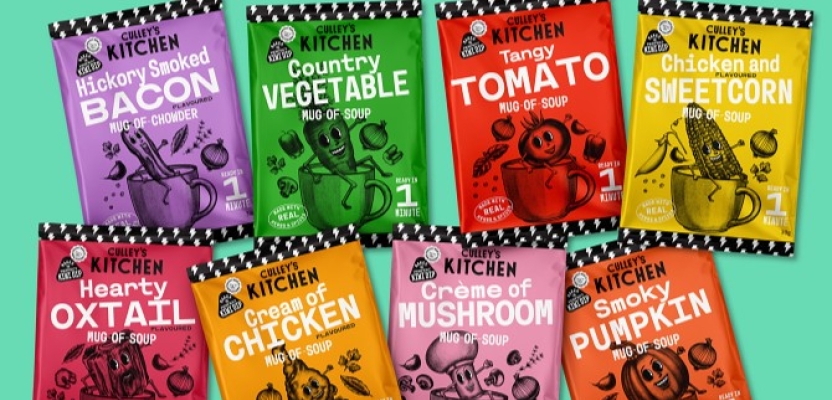
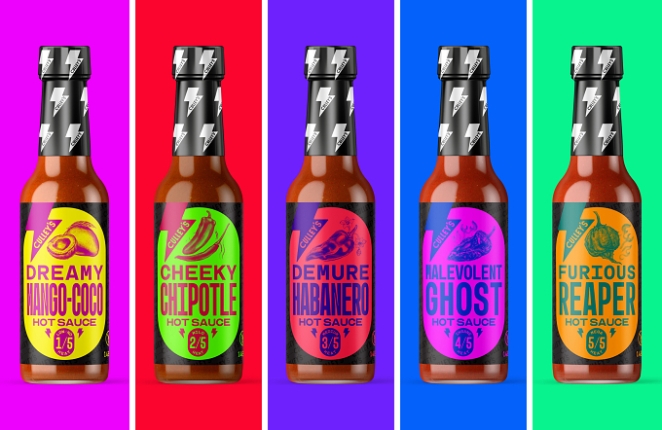
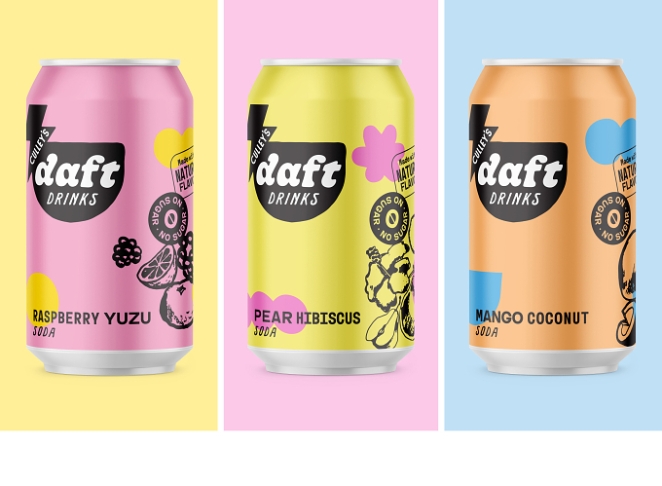
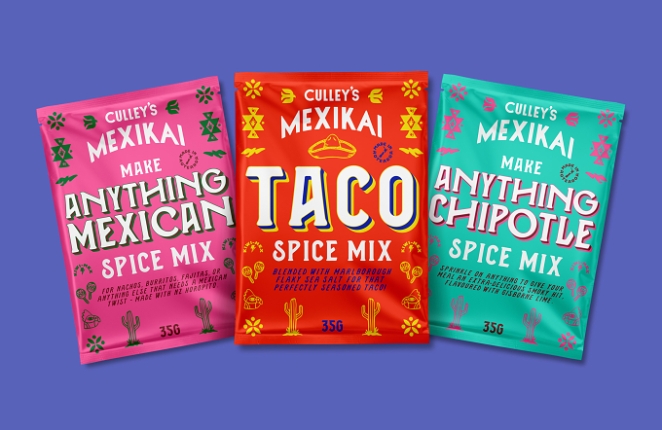
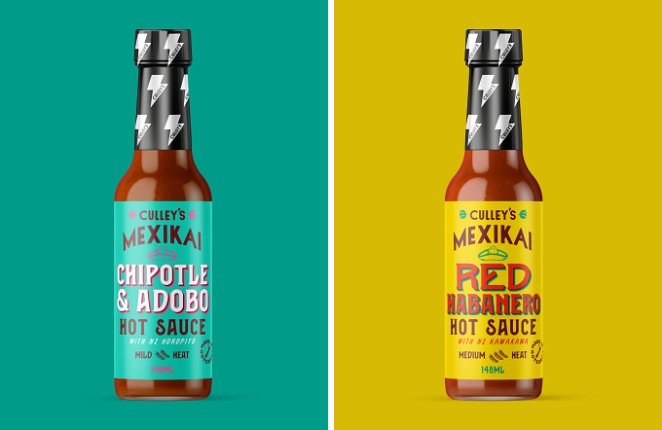
I wouldn’t single out one specific achievement, but seeing a product on a supermarket shelf, knowing I worked on the packaging, and watching it stand out from the rest of the category is always a proud moment.
As someone with experience in the industry, what trends do you foresee shaping the future of creativity?
With all the current hype surrounding AI, I think we’ll eventually see a pushback from a trend perspective. There’s likely to be a renewed appreciation for the physical, human-crafted element, much like the way handmade, boutique goods have earned respect as a counterpoint to mass manufacturing.
What do you think sets apart truly exceptional creatives from the rest of the pack?
Over the years, I’ve worked with a few individuals who have a rare ability to think and create outside the box without unsettling the client. They know how to strike that delicate balance where the avant-garde meets commercial viability.
How do you think technology has influenced the creative industries and how have you adapted to these changes?
Today, everything is much more accessible, which has opened the door for people who might not have had the opportunity to enter the industry in the past. The upside is greater diversity and fresh perspectives, but it also means there's a lot more competition, so staying sharp and continuously improving your skills is more important than ever.
What is the one thing that you would change about the industry?
One thing I’d change about the industry is the unrealistic expectation for creatives to wear every hat. It’s become common for companies to advertise for a "graphic designer" only to list responsibilities that also include animation, video editing, copywriting, and social media management, all often for underwhelming pay. It’s simply not realistic to expect one person to excel across so many disciplines. A more effective approach would be to engage specialists, whether part-time, contract, or freelance, who can bring real expertise to each area, leading to better results and a healthier, more sustainable creative workforce.