


Hiring the right Concept Artist is critical for any project in the creative and entertainment industries. Whether you're working in film, video games, or marketing, a skilled Concept Artist can bring your vision to life. However, finding and securing the right talent can be a challenge if you're unfamiliar with the process. In this guide, we'll break down how to hire a Concept Artist, what to look for in candidates, and why they are so essential to your creative team.
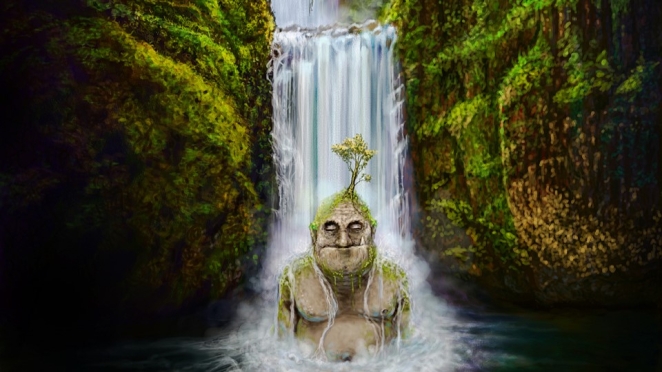
Image Credit - Joseph Wraith
What is a Concept Artist?
A Concept Artist is a professional who specializes in visualizing and creating ideas that lay the groundwork for a larger project. They produce detailed sketches, digital paintings, and illustrations that represent characters, environments, or props before these elements are built in 3D or brought to life on screen. This stage of production is foundational for various industries such as gaming, film, and advertising.
But, what does a Concept Artist do exactly? A Concept Artist works closely with directors, art leads, and other creative professionals to interpret ideas and turn abstract concepts into visual representations. These initial artworks are used to set the tone, establish style, and guide other departments, making the role of a Concept Artist crucial to any production.
Key Responsibilities of a Concept Artist
-
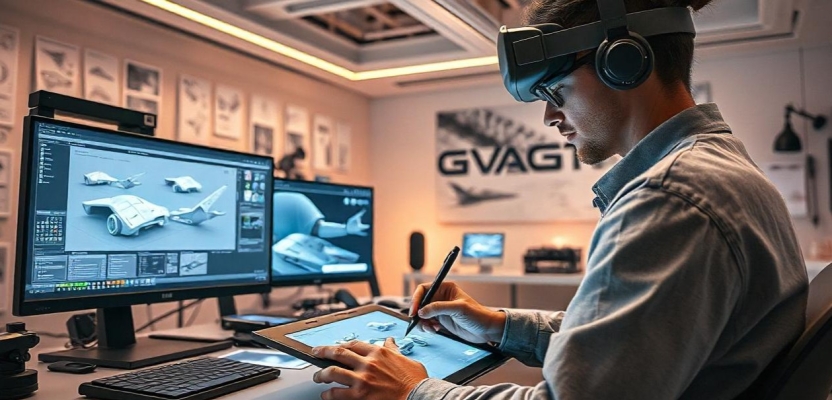
Prototyping in 3D: With more advanced software, many Concept Artists now create basic 3D prototypes in Blender, ZBrush, or VR sculpting tools. This allows them to quickly adjust concepts in real-time and collaborate more effectively with 3D modelers and animators.
-
Collaboration with AI Tools: AI-assisted design tools have become integral to concept art. Concept Artists now use AI to generate rough drafts or ideas, which they then refine. Their ability to balance creativity with technology is becoming more critical in 2025.
-
Immersive Media Design: As virtual reality (VR) and augmented reality (AR) gain traction, Concept Artists are tasked with designing assets for immersive environments. This requires a solid understanding of spatial design and how users interact with 3D space.
-
Cross-Platform Design: Projects today span multiple mediums—from film to games to interactive media. A skilled Concept Artist is not just designing for one platform but ensuring that their concepts are adaptable across various formats.
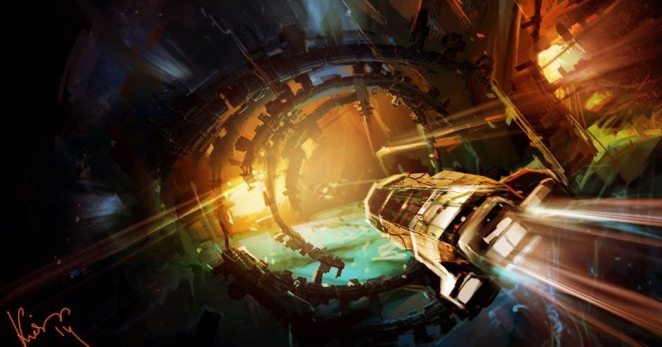
Image Credit - Kishore Ghosh
Why is Hiring a Concept Artist Important in 2025?
The landscape of entertainment and media is evolving quickly. In 2025, the demand for immersive and visually stunning content is at an all-time high. Audiences expect high-quality visual experiences, whether they're playing a AAA game, watching a movie, or scrolling through digital advertisements. This means that companies must employ creative professionals who can meet these heightened expectations.
Hiring a Concept Artist allows you to create compelling visuals from the get-go, ensuring your project has a strong foundation. Their work establishes the artistic direction, giving the entire team a clear idea of what the final product should look like. A skilled Concept Artist can save time and resources by preventing major design missteps early in the production pipeline.
Skills to Look for When Hiring a Concept Artist in 2025
When hiring a Concept Artist, it's essential to look beyond just their artistic ability. While the visual element is important, the best candidates also bring a range of other skills to the table. Here’s what to look for:
Mastery of Digital and 3D Tools
While traditional sketching is still important, proficiency with advanced digital tools like Photoshop, Blender, ZBrush, and Substance Painter is a must. Additionally, familiarity with AI-enhanced software like Artbreeder or MidJourney will allow them to iterate concepts faster and collaborate effectively with production teams. A Concept Artist who can switch between 2D and 3D design will be especially valuable in 2025.
Immersive Environment Design
The rise of virtual and augmented reality means that Concept Artists are increasingly required to think about how designs will function in an immersive, 3D world. Understanding how lighting, scale, and movement work in VR or AR environments is crucial. As more brands, games, and films incorporate these technologies, a Concept Artist who has experience designing for immersive platforms will be a significant asset.
Collaborative and AI-Driven Workflows
In 2025, it’s common for Concept Artists to work with AI-assisted tools to accelerate concept generation. An understanding of how to integrate these tools while maintaining creative control is key. Additionally, the ability to collaborate in a hybrid, remote, or global team environment—using platforms like Miro, Figma, or Frame.io—will ensure smooth production workflows.
Cross-Medium Design Experience
As projects often stretch across various platforms—such as video games, films, and marketing campaigns—a Concept Artist who understands the nuances of each medium is invaluable. For example, concept art for a cinematic movie scene will differ greatly from designs meant for a mobile game or interactive ad campaign. Adaptability in this area will help bring consistency across all formats.
Should You Hire a Freelance or In-House Concept Artist for Your Project?
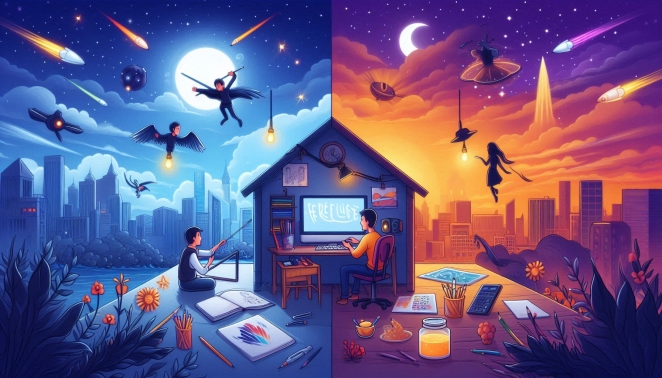
In 2025, one of the most critical decisions you'll make when hiring a Concept Artist is whether to bring someone on as a freelance contractor or to hire them as a permanent in-house team member. Both options have their pros and cons, and the right choice will depend on the specifics of your project, budget, and long-term goals. Below, we’ll break down the advantages and disadvantages of each to help you make the best decision.
Hiring a Freelance Concept Artist
Freelance Concept Artists have become a popular choice, especially in today’s flexible, remote-friendly work environment. As technology and communication tools have evolved, freelancing has become even more accessible, with talented Concept Artists from around the globe available to work on short-term or project-based contracts.
Pros of Hiring a Freelance Concept Artist:
-
Cost Efficiency: Freelancers can be more affordable in the short term, especially for projects with a fixed duration or limited budget. You only pay for the work you need without the overhead of benefits, office space, or long-term commitments.
-
Access to a Global Talent Pool: With the rise of remote work, you can hire a freelance Concept Artist from virtually anywhere in the world. This gives you access to a broader range of styles, skills, and cultural perspectives that can enhance the diversity and creativity of your project.
-
Flexibility: If your project has fluctuating artistic needs, hiring a freelancer allows you to scale up or down easily. Freelancers can be hired on an as-needed basis, making them a great option for short-term projects or projects that don’t require full-time support.
-
Specialization: Freelancers often have niche expertise or specific styles that may be exactly what your project needs. You can hire a Concept Artist whose portfolio aligns perfectly with the vision or theme of your project, whether it’s sci-fi, fantasy, or hyper-realism.
Cons of Hiring a Freelance Concept Artist:
-
Availability and Commitment: Freelancers typically juggle multiple clients, which means they may not always be available when you need them. If your project requires constant communication or quick turnaround times, a freelancer’s other commitments could lead to delays.
-
Limited Collaboration: Freelancers may not be as integrated into your creative process as an in-house team member. The physical and emotional distance can make collaboration slightly more challenging, especially if your project requires tight-knit teamwork and frequent feedback.
-
Long-Term Projects May Be Costlier: While freelancers can be more affordable in the short term, long-term or complex projects may actually be more cost-effective with an in-house Concept Artist. If you foresee needing a Concept Artist consistently for months or years, a freelance contract could become expensive.
Hiring an In-House Concept Artist
On the other hand, bringing on an in-house Concept Artist offers stability and deeper integration into your company’s culture and long-term vision. For projects that require continual creative development or large teams working closely together, an in-house artist may be the better option.
Pros of Hiring an In-House Concept Artist:
-
Consistency and Commitment: An in-house Concept Artist is fully dedicated to your project and company. This ensures more consistent output, quicker turnaround times, and easier access to revisions. They become more invested in the overall direction and success of your work.
-
Seamless Collaboration: In-house artists can work more closely with other departments—like 3D artists, directors, or animators—facilitating more fluid communication. This is particularly beneficial for projects that require constant iterations and a cohesive creative vision across multiple teams.
-
Deep Understanding of Your Brand/Project: Over time, an in-house Concept Artist will develop a deep understanding of your brand, style, and creative needs. This can be especially advantageous if your company is creating long-term content, like episodic games, a film series, or ongoing advertising campaigns.
-
Loyalty and Cultural Fit: An in-house artist is more likely to build loyalty toward the company and become an integral part of the team. They will be more invested in your brand’s long-term goals and adapt their designs to better reflect your company’s evolving artistic direction.
Cons of Hiring an In-House Concept Artist:
-
Higher Long-Term Costs: Hiring an in-house artist is a greater financial commitment. In addition to salary, you’ll need to cover benefits, equipment, and possibly relocation costs if they’re joining the team in person. If your project doesn’t need constant artistic development, these costs may not justify the expense.
-
Limited Flexibility: With an in-house Concept Artist, you’re locked into a longer-term commitment, which can be less flexible if your creative needs change or if the project timeline is uncertain. It’s harder to scale back once you’ve hired full-time staff.
-
Geographical Limitations: While remote work has expanded the in-house talent pool, many companies still prefer in-person collaboration. This limits your search to local or regional artists unless you are willing to invest in relocation or maintain a hybrid work structure.
Which Option is Right for You?
The decision between a freelance or in-house Concept Artist largely depends on the nature of your project and your long-term needs. Consider the following questions:
-
Project Length: If you need someone for a short-term project, a freelancer might be the best fit. However, if you foresee long-term or ongoing creative work, in-house could be more cost-effective in the long run.
-
Budget: Freelancers are often more affordable upfront, especially if your budget is limited. In-house artists require a higher investment but offer greater stability and integration into your team.
-
Collaboration Needs: If your project involves constant revisions, high-level teamwork, and daily collaboration, an in-house Concept Artist will be more integrated and accessible.
-
Specialized Talent: If your project has a unique artistic style or needs niche expertise, hiring a freelance Concept Artist can give you the flexibility to find someone perfectly suited to that vision.
Ultimately, both freelancers and in-house Concept Artists have unique advantages. Evaluating the specifics of your project, your team's dynamics and your long-term creative goals will help you make the best choice.

Image Credit - Phil Ellis
Using Creativepool
Looking to hire a Concept Artist? Creativepool has thousands of talented members waiting to make your project shine.
There are 3 ways for you to find a Concept Artist on Creativepool.
Search and Contact
Are you looking for more control over your collaborations and the selection process? Taking a proactive approach to talent scouting involves directly searching for talent and handpicking individuals you’d like to work with.
Here’s how it works: Simply search for a Concept Artist and explore the results. You’ll have the opportunity to review their projects, CVs, and resumes, allowing you to make an informed decision for your next hire.
At Creativepool, we utilize a set of indicators to rank our members based on their job titles. By exploring the top 25 ranked Concept Artists, you can efficiently discover the most talented individuals on our platform. However, don’t overlook the potential of finding untapped talent among our thousands of other skilled members.
Once you identify a professional whose style and experience align with your requirements, reach out to them directly by clicking on the message tab. If you have a specific vision for the type of creative professional you’d like to collaborate with, utilizing our search feature is the ideal approach.
Once you’ve discovered a professional whose style and experience resonate with your needs, reach out to them directly by clicking on the message tab. If you have a precise vision of the type of creative professional you’d like to collaborate with, searching is the ideal approach.
Post a studiogig
Looking for a part-time Concept Artist? The quickest way to find available talent is to advertise your brief. With us, briefs for individuals are called studiogigs.
Posting your role is a simple process. Once you submit it, we kick into action behind the scenes to find the perfect talent for your requirements. After advertising your brief, all you need to do is sit back and wait for direct applications from interested candidates
Post a job
If you are looking for a permanent Concept Artist, then advertising Concept Artist jobs are the best way to attract talent. The process is identical to posting a studiogig.
Once you post your role, we’ll carefully review the advertisement details. We’ll then send job alerts to our community members who closely match your criteria, and your role will be prominently featured on our jobs board. Interested StudioGigs applicants will apply directly to you.
Whether you’re posting a job or a StudioGig, or if you’re searching for talent, rest assured that you retain full control over whom you choose to hire. There’s no obligation to select any of the applicants, and you can negotiate rates directly with them.
If you need any help on your talent hunt. You can chat with us or send us a message. We'd be happy to help.
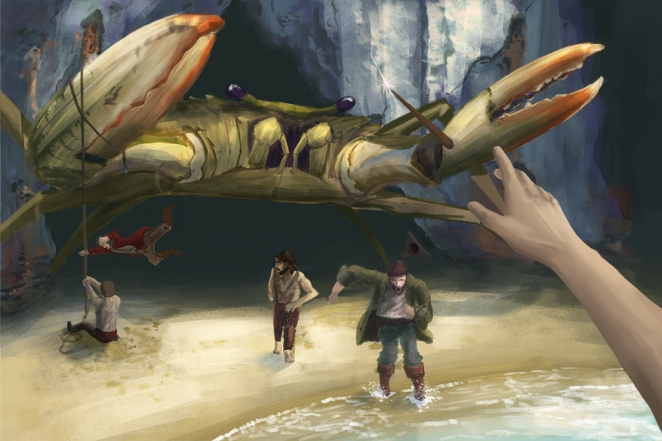
Image Credit - Brad Sutcliffe
Wrapping Up
Hiring a Concept Artist in 2025 is a strategic move that can make or break the visual direction of your project. By defining your needs, reviewing portfolios, and assessing both artistic and communication skills, you can ensure that you find the perfect candidate. Whether you’re working on a video game, movie, or marketing campaign, the right Concept Artist will bring your creative vision to life, helping your project stand out in a crowded market.
Understanding what a Concept Artist does and where to find the best talent will put you in a strong position to hire the right professional for the job. Whether you're posting Concept Artist jobs or reaching out to individual artists, following these steps will make the process smoother and more successful.