

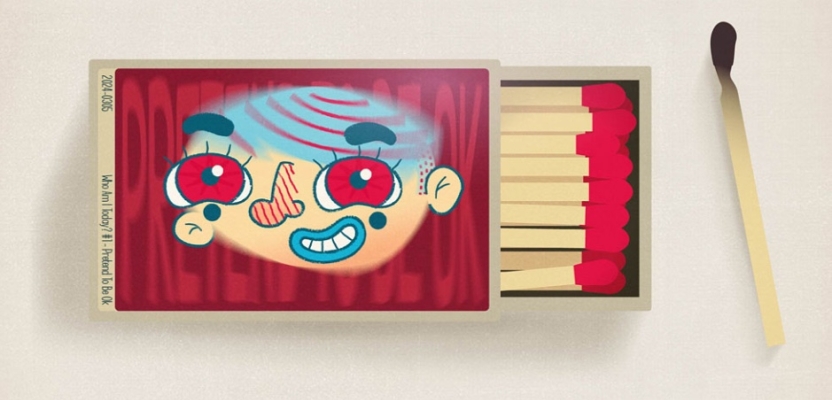

Is the creative world headed for a burnout crisis, or are we already living in one? It’s a question on the minds of many in our industry, from independent content creators to agency leaders. If you ask those on the front lines – the creators churning out content day in, day out – the answer seems alarmingly clear.
There’s a famous adage that “creativity is not a faucet; you can’t just turn it on and off.” However, the demands of the modern creator economy often expect exactly that, and it’s leaving many creatives drained, disillusioned, and ready to call it quits. Burnout, once whispered about in late-night editing sessions or joked away as “just part of the grind,” has become a very real and present danger.
So, are we on the road to a burnout crisis, or have we already arrived at the destination? Let’s dive into the evidence and experiences shaping this conversation.
Creators at the Breaking Point
New research from global creator-first agency Billion Dollar Boy paints a stark picture of creator burnout – and it’s not pretty. More than half (52%) of creators surveyed have experienced burnout directly because of their work, and nearly two in five (37%) have seriously considered leaving the profession as a result. These aren’t just small-time hobbyists feeling the heat; this survey covered 1,000 creators across the US and UK, alongside 1,000 senior marketers.
In other words, a huge chunk of the people fuelling the “creator economy” – the very folks making the videos, graphics, blogs, and campaigns that drive modern marketing – are hitting a wall. When half of your creative workforce is burned out enough to think about quitting, you have to wonder: is this still a warning sign, or is the crisis already here?
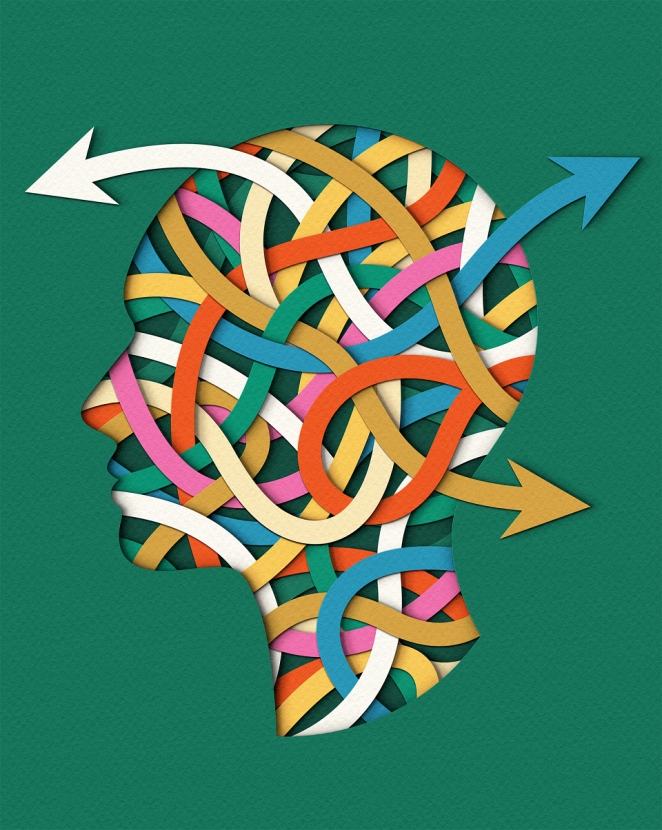
What’s behind this epidemic of creator exhaustion? According to the study, the causes of burnout are diverse, but a few big culprits stand out. “Creative fatigue” was the most frequently cited trigger (named by 40% of creators), followed by crushing workloads (31%) and the inescapable constant screen time (27%).
Zara Picken
If you’re a creator, this probably sounds familiar – the creative well runs dry, yet the deadlines keep coming, and you’re glued to your devices around the clock trying to keep up. Interestingly (and perhaps unsurprisingly), when those who suffered burnout ranked these factors by severity, financial instability actually took the top spot (55%).
It turns out the stress of not knowing if you can pay next month’s bills can outweigh even creative block and long hours. In the creator economy, passion and artistic drive are rubbing up against the harsh realities of gig-based finances.
It’s worth noting that creators in different markets feel different pressures. UK creators, for instance, report that excessive screen time is a bigger stressor for them, whereas US creators are more troubled by the relentless pressure to appease ever-changing platform algorithms. But whether it’s too much time staring at TikTok analytics or scrambling to please the mysterious whims of an algorithm, the end result seems to be the same: creators everywhere are feeling stretched thin.
The very platforms and technologies that enabled the creator boom are also contributing to an always-on culture that makes true rest feel impossible.
The Ripple Effect on Careers and Wellbeing
Burnout isn’t just an internal, personal struggle – it leaks into everything a creator does. Three in five creators (59%) in the Billion Dollar Boy survey said burnout is negatively impacting their careers, and a similar proportion (58%) said it’s taking a toll on their overall wellbeing. Think about that: most creators feel their work and health are suffering because of burnout.
We’re not just talking about feeling a bit tired or uninspired; we’re talking about people’s livelihoods and lives being measurably affected. In a profession that often blurs the line between personal life and work (after all, many creators are their brand), the fallout can be widespread. Quality of content drops, schedules slip, creative risks dwindle – all because the people behind the content are running on empty.
What’s more, this isn’t an isolated “creators-only” issue; it’s rippling across the wider creative industries. If you’re an agency lead or marketer working with influencers and creatives, their burnout will affect your campaigns and business outcomes. And indeed, many marketers recognize there’s a problem.
About two-thirds (66%) of senior marketers in the survey agreed that burnout is a widespread challenge among creators, and over half (56%) acknowledged that creator burnout can directly impact careers. In other words, the folks hiring and partnering with creators see the smoke. But do they see the fire the same way creators do?
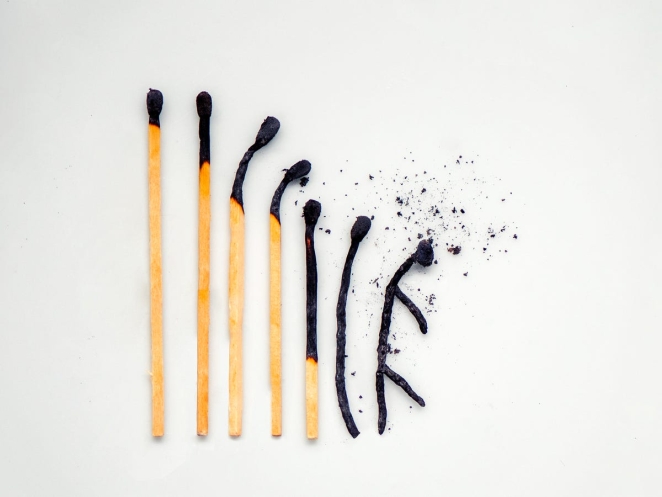
This is where a slight disconnect emerges. Marketers and creative leaders might intellectually get that burnout is an issue, but creators feel it viscerally every day. The research hints that while marketers see the trend, they may underestimate its severity or the urgency of addressing it.
That gap between perception and reality can lead to well-meaning LinkedIn posts about “mental health matters” on one side, while creators on the other side are quietly hitting breaking point without adequate support. To truly gauge where we stand on this crisis, we must listen to the people living it.
It’s also telling to compare these findings with the broader creative and media industry. Unfortunately, the creator burnout crisis is just one part of a larger mental health puzzle. Recent industry-wide surveys indicate that burnout is rampant among creative professionals in general – seven in ten professionals across media, marketing, and creative sectors reported experiencing burnout in just the past year.
That’s 70% of creatives feeling burnt out, a figure that suggests this is already a full-blown crisis, not a distant threat. In fact, burnout rates in creative fields are significantly higher than in the overall workforce (70% vs about 53% in one comparative study).
So, whether you’re a social content creator, a copywriter at an agency, or a design lead at a brand, the stressors may differ but the outcome is strikingly consistent. We have a systemic issue on our hands.
Shared Responsibility, Mixed Support
If burnout is so clearly a widespread problem, whose job is it to address it? Creators themselves acknowledge that they’re not going to solve this alone, and neither should they have to. In the Billion Dollar Boy research, an overwhelming majority of creators said that brands, platforms, and agencies all share responsibility for creator welfare.
About 71% of creators believe brands and the big social platforms should be looking out for creator wellbeing, and 68% say agencies (like the ones connecting creators with brand deals) have a duty of care too. Marketers actually agree, often even more strongly: roughly three-quarters of the surveyed marketing leaders said yes, brands and agencies must help prevent burnout (76% concurred), and platforms bear responsibility too (78% concurred).
This is a heartening point of consensus – in theory, everyone sees that keeping creators healthy and sane is a shared job.
Zara Picken
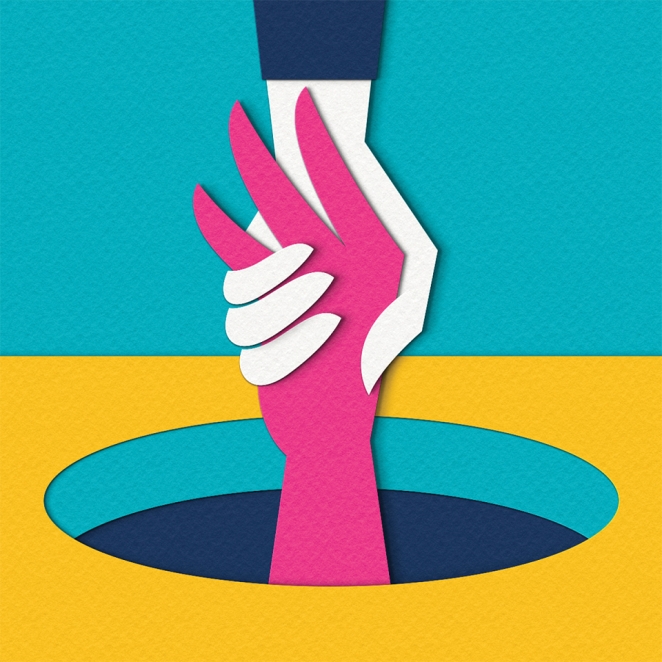
However, when it comes to the support creators actually feel, the picture is far more mixed. Only about half of creators feel they’re getting adequate support from any of these groups (just 48-49% feel supported by brands, agencies, or platforms). Meanwhile, a solid majority of marketers (around 60-63%) believe creators are getting enough support from those very groups.
This is a glaring perception gap – essentially, many of the people on the industry side think the support structures are in place, but a lot of creators would beg to differ. It’s a classic case of intention vs. impact. An agency might say “we offer mental health resources to the influencers we work with” or a platform might tout its creator support programs, but if those don’t actually address creators’ needs (or if creators aren’t aware of them, or don’t feel comfortable using them), then the job isn’t getting done.
For agency leaders and brand managers, this should be a wake-up call. It’s not enough to intend to support – you must ensure the support is reaching creators in a meaningful way. That could mean opening better lines of communication to get honest feedback, adjusting campaign timelines to be more realistic, or providing clearer guidelines and expectations so creators aren’t driving themselves crazy trying to guess what a client or algorithm wants.
The bottom line is, everyone has skin in this game: if creators burn out en masse, the whole creator-driven marketing model takes a hit. As creators struggle, the creative output suffers, campaigns underperform, and the audiences (who are the end consumers) start to feel the difference in content quality. Shared responsibility isn’t just a nice ideal – it’s a necessity for the sustainability of the industry.
From Burnout to Balance: Solutions and Next Steps
The good news is that solutions – or at least mitigation strategies – do exist. Creators themselves have a pretty clear idea of what would help them the most. When asked what helps prevent burnout, creators in the survey pointed to a few key steps:
- Setting work-life boundaries (38%) – giving themselves permission to clock out and not be “always on,” even in a digital world.
- Taking time off more regularly (34%) – actually unplugging and resting before reaching a breaking point.
- Using AI and scheduling tools to reduce workload (32%) – using technology to take some pressure off, whether that’s using AI for brainstorming and editing or scheduling posts to get a break from constant content churn.
Alongside these top tips, creators highlighted the need for better mental health resources, more honest communication with their audiences about their limits, and stronger peer support networks. In short, there’s no one-size-fits-all fix for burnout.
It’s going to take a mix of personal habit changes (like setting boundaries), cultural shifts (like normalizing breaks and saying “no” to projects), and operational tweaks (like smarter tools and workflows). The common thread is building a sustainable approach to creative work – one that values long-term wellbeing over short-term output.
However, putting these solutions into practice is easier said than done. This is where the industry at large must step up. It’s encouraging to see initiatives starting to emerge. For example, Billion Dollar Boy itself launched a platform called FiveTwoNine in 2024 – essentially a global online community to empower creators with business advice, networking, and educational content. In its first year, over 1,800 creators from 18 countries joined, seeking peer-to-peer support and resources to help manage the pressures of the job.
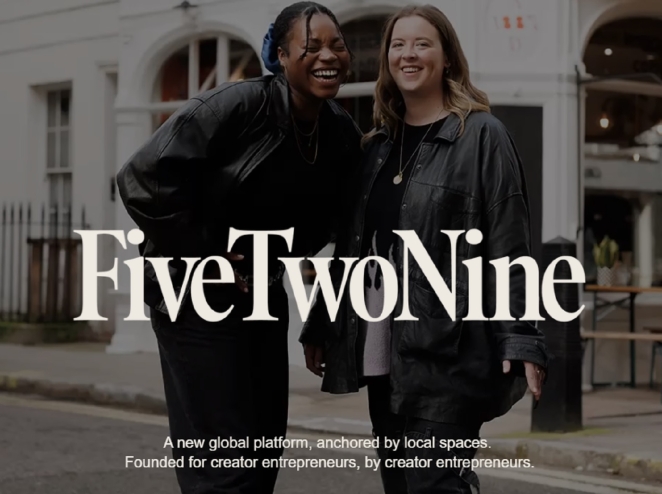
The idea is that by banding together and sharing knowledge (and frankly, solidarity), creators can better navigate the highs and lows of the creator career. Agencies and platforms can take a cue here: fostering community and open dialogue can alleviate the isolation that often exacerbates burnout.
Ultimately, solving burnout isn’t just about handing out a few extra days off or reminding people to meditate (though those can help). It requires a cultural shift in how we define success in the creative industries.
Becky Owen, CMO of Billion Dollar Boy and head of FiveTwoNine, has her finger on the pulse of this issue. “Our research shows the urgent need for co-ordinated action, with burnout now reaching a level where it’s actively shaping the decisions creators make about their careers and their content,” Owen says. In a young industry that’s been learning on the fly, support structures have been mostly reactive – coming after crises hit.
Owen suggests it’s time to be proactive and holistic about creator welfare. “As the creator economy matures, so too must our approach to creator welfare,” she adds, implying that what worked (or sort of worked) in the scrappy early days of influencer culture won’t suffice in 2025 and beyond.
So what does a matured approach look like? “That means valuing creative thinking over content volume, recognizing human limits, and investing in long-term creator wellbeing,” Owen explains. It’s a call to action that agency executives and brand managers should take to heart. Instead of pressuring creators (and creative employees, for that matter) to crank out ever more content, the focus should shift to quality, innovation, and sustainability.
Sometimes, less truly is more – a brilliantly creative campaign delivered by a healthy, supported creator beats a flurry of mediocre posts from someone running on fumes. And in the long run, treating creators as partners with mutual respect and care will “strengthen the whole ecosystem,” as Owen points out. After all, an ecosystem can’t thrive if half of its parts are wilting.
Are We There Yet? (Spoiler: Yes, Unless We Act Now)
Circling back to the big question: Are we heading for a burnout crisis, or are we already in one? Based on the evidence and the voices of creators themselves, it feels fair to say the crisis has arrived. When half of creators are burned out and the majority of creative professionals across the board report the same, the situation is beyond the hypothetical.
We are there. The real question now is how we respond. Do we continue business-as-usual until more talented individuals drop out of the industry, or do we collectively pump the brakes and rethink the way we work?
Acknowledging the problem is a crucial first step – and I’d argue we’ve done plenty of that lately. The conversation about mental health and burnout in the creative industries is louder than ever. But acknowledgment alone doesn’t fix anything unless it’s followed by action.
It’s time for those of us in positions of leadership (be it at agencies, brands, or platforms) to model a healthier approach: encourage reasonable workloads, set respectful deadlines, and respect the “off” hours. It’s also time for creators to feel empowered to set boundaries and for their partners to honour those boundaries.
If we get this right, we can transform what could be a burnout breakdown into a breakthrough. The creative industries have always been fuelled by passion and innovation – safeguarding the people behind that creativity is the only way to keep that flame burning bright.
We might already be in a burnout crisis, but with coordinated effort, empathy, and some hard changes, we don’t have to stay in one. In the end, supporting the wellbeing of creators isn’t just about being kind (though kindness matters); it’s about securing the future of the creative economy itself.
A healthier creative community means better ideas, more sustainable growth, and a vibrant industry that doesn’t chew up talent as fast as it produces it. And that’s a future worth fighting for – starting right now, before burnout claims any more of the brilliant minds we need the most right now.