

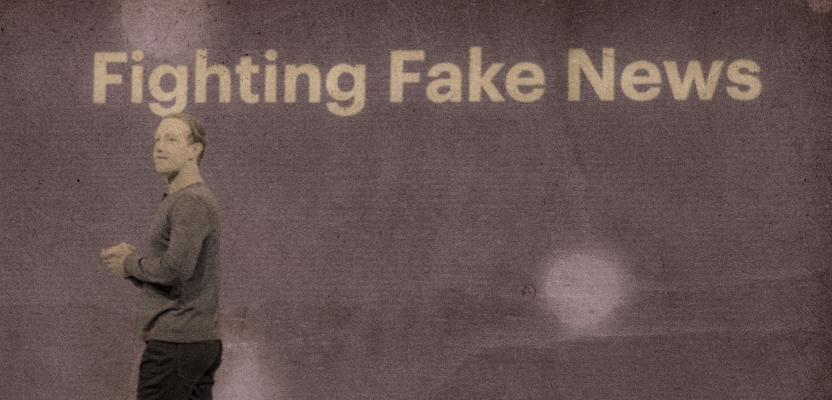

As creatives we tend to operate at the intersection of expression, influence, and cultural impact. We’re storytellers shaping narratives in a landscape where free speech can ignite inspiration or incite division. But, as the debate around social platforms intensifies, with Mark Zuckerberg and Meta’s fact-checking policies (or lack thereof) coming under fire, we find ourselves facing a broader question. One surrounding the fundamentals of democracy itself, particularly in the wake of an incoming second Trump presidency.
Today, I’ll be unpacking the question of whether creative professionals can balance the ideals of freedom of expression with the collective need for truth. I’d like to also Becky Owen, CMO of leading global influencer agency, Billion Dollar Boy and former Head of Creator Innovations at Meta, for her relevant and valuable insights.
The Tension Between Free Speech and Truth
The digital era has supercharged the spread of ideas—both credible and misleading. Historically, freedom of speech has been viewed as a democratic bedrock, yet left unchecked, it can sometimes seed spurious and damaging misinformation that eventually erodes public trust.
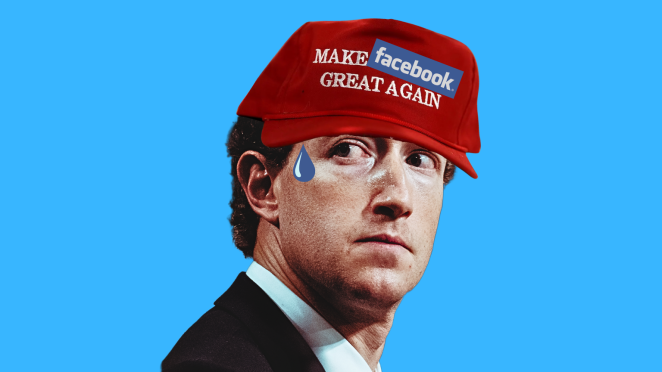
Across the industry, we’ve watched the debate on Meta’s fact-checking policies evolve in recent months, particularly now that Facebook have scaled back third-party fact checks in a big way, with many accusing Zuckerberg of simply toeing the MAGA party line. In times when “alternative facts” and echo chambers reign supreme, the role of creative professionals (who often shape the brand narratives consumed by millions) takes on renewed a significance.
Who Should Police Information?
In Becky Owen’s words, “The question of who should hold responsibility for policing information on social media platforms is an acute challenge of our generation; in particular as we enter a reality in which the majority of learning is now happening online, where anyone with access to a phone can break news and shape opinion.”
This quandary cuts to the core of the creative industries. We craft advertising campaigns and social content for platforms that simultaneously host cat videos, brand storytelling, and misinformation. As creatives, we must address how our outputs might contribute to—or combat—false narratives in the public sphere.
The Limits of Corporate Oversight
Increasingly, critics have asked whether for-profit tech giants—like Meta—can responsibly serve as referees of online truth. Owen notes, “It has never felt fully comfortable for a for-profit organisation to essentially be the arbiter of fact, but to totally absolve itself of any responsibility for information and misinformation, does not seem right either.”
This duality is particularly stark for creatives. Our compelling messaging can influence purchasing decisions and opinions at scale. Yet, relying on a single corporation’s policies to determine what content is “true” runs the risk of homogenizing the creative process and raises valid concerns about censorship—or the opposite: an unchecked torrent of disinformation.
If Fact-Checking Disappears
It was widely reported that Meta would reduce its reliance on third-party fact-checkers. Some argue this decision removes the restrictive gatekeepers and opens the door for unfettered creativity. But as Owen cautions, “While the end of independent fact checking on Meta platforms could, in theory, foster more free speech and potentially encourage greater freedom of expression and creativity, it does also pose risks. Bad actors will still have their voices heard with limited consequences besides community notes, while good actors who are experts in their field won’t receive special verification for sharing accurate information.”
In the creative industries, this means an environment where anyone can claim credibility, making it harder for genuine experts to stand out. For creative directors, the onus of credibility might shift onto us, our agencies, and our brand partners. The question becomes: can our messaging preserve integrity in a fact-checking vacuum?
Balancing Act in an Age of AI and Virtual Influencers
Technological leaps add another layer of complexity. AI-generated content and virtual influencers have skyrocketed. As Owen underscores, “The perfect balance is yet to be found – but it is imperative that measures are put in place – specifically in the age of Virtual Influencers and Artificial Intelligence, when anyone can pretend to be anyone and use social platforms for harm.”
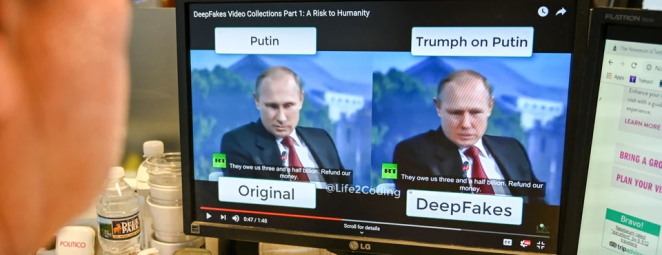
From deepfake-driven political ads to AI-designed brand ambassadors, creative professionals must stay vigilant. The lines between what’s real and fabricated blur, challenging our ethical commitments to authenticity and truth.
Creative Responsibility and Action
So, will free speech be the hill on which democracy dies? Potentially, if misinformation runs rampant. However, within the creative industries, we can influence the outcome by taking proactive steps:
- Champion Authentic Storytelling: Incorporate robust fact-checking in your creative process. Elevate real experts.
- Educate and Empower: Train teams to spot disinformation tactics. Awareness and upskilling can help keep brand storytelling honest.
- Collaborate with Platforms: Advocate for balanced, transparent policies from the social platforms your work depends on.
- Commit to Ethical Tech: Leverage AI and virtual influencers responsibly, ensuring trust and transparency remain top priorities.
In navigating this evolving environment, we, as creative professionals, must hold the line between free expression and factual accountability. It’s not just about setting the rules—it’s about harnessing our craft in service of honesty, equity, and a more resilient democracy. After all, the stories we tell today may well determine whether free speech stands as a vehicle for creative liberation—or the hill on which our democratic ideals falter.