

Here’s the good news up front: if you’re a person wondering whether there’ll still be space for you in 2026, the answer is most likely yes. In fact, the creative economy is only getting bigger, stranger and infinitely more essential as AI continues to reshape the ground beneath our feet.
UNESCO and UNCTAD estimate that cultural and creative industries already generate around US$2.3 trillion a year and account for over 6% of global employment. The UK government, meanwhile, has set out a plan to grow the creative industries by another £50 billion and create one million extra jobs by 2030. And if you zoom into the so-called “creator economy” (YouTubers, TikTokers, streamers, newsletter nerds and the rest), Goldman Sachs reckons that market alone could nearly double to $480 billion by 2027.
So no, you didn’t back the wrong horse by going into a creative career. You might need to consider a lane change though.
Which creative skills are most AI-proof in 2026?
Kenneth Shinabery
At the same time, the rules of the game are changing. According to the World Economic Forum’s latest Future of Jobs report, “creative thinking” sits alongside AI, big data and technological literacy as one of the skills employers expect to become even more important by 2030. In other words: the tools might be getting more robotic, but the work is getting more human.
As the editor here at the Creativepool Magazine, I spend a not insignificant proportion of my days in the digital trenches trawling portfolios, interviewing creative leaders, and watching new roles appear on the Creativepool jobs board that literally didn’t exist five years ago!
Below is a grounded, slightly over caffeinated (it’s January) look at what creative careers will be most needed in 2026, what skills will keep you “AI-proof”, and how you can use Creativepool to get a foot in the door.
AI hasn’t killed creative jobs but it has made them weirder.
Let’s deal with the anxiety first
Yes, AI can spit out 20 logo options in seconds, generate passable placeholder copy in minutes, or rough-cut a video while you make a cup of coffee. And yes, employers are paying attention and making notes, particularly when it comes to the savings. But if you actually read the data instead of doomscrolling the headlines, a different and less depressing picture emerges.
The WEF predicts that 39% of core job skills will change by 2030, but it also highlights that human-centric skills like creative thinking, resilience, curiosity and lifelong learning, which are all becoming increasingly important. AI and big data are on the list, of course, but they sit alongside creativity, originality, critical thinking and leadership.
In practical terms, what we’re seeing across Creativepool is this:
- Creative teams aren’t being replaced but they’re being re-tooled.
- AI is handling more of the dull stuff (resizing, first drafts, basic edits).
- The value has shifted to taste, judgement, concept and craft. Basically, all the human bits the machine still fumbles with.
If you’ve ever looked at an AI-generated “brand identity” and thought “that’s technically fine and emotionally dead,” you’ve already felt the gap. The roles growing fastest are the ones that sit in that gap: the people who know how to use the tools, but still know when to say, “No, that’s rubbish, here’s a better idea.”
The creative careers most in demand in 2026
Giovanna Conforti
The lines between “creative jobs”, “tech jobs” and “strategy jobs” are dissolving. The careers below don’t sit neatly in one box anymore and that’s exactly why they’re in such high demand. Indeed, these are all creative jobs that pay well, serious careers for creative people, and some of the most future-proof creative professions around.
1. UX/UI & Product Designers
Jonny Severn
Designing the way the world actually works
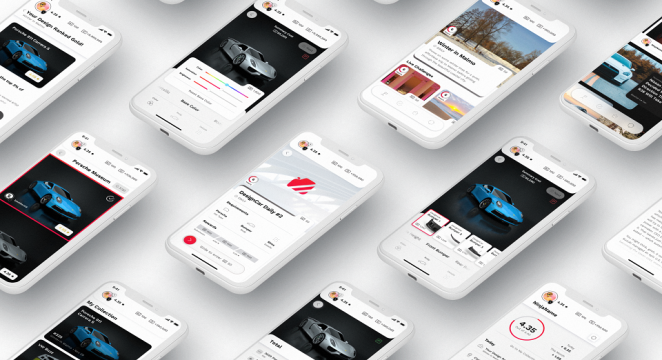
If the last decade was about making things look good, the next one is about making them feel inevitable. UX and product designers sit at the centre of that. They’re the people who turn messy human needs into clean flows, intuitive interfaces and quietly delightful micro-interactions.
Global hiring data shows UX and product design roles comfortably sitting among the highest-paying creative careers, especially in tech, finance, health and SaaS. These aren’t just “make the button blue” jobs. They require:
- Research and empathy
- Understanding how an experience fits together end-to-end
- Collaboration across product, dev, data and marketing
- A strong grasp of accessibility and inclusive design
On Creativepool, you’ll see this reflected in listings for Design jobs and hybrid “Product Designer / UX Lead” roles, often with six-figure salary bands and global flexibility. If you’re a visual designer feeling stuck, upskilling into UX (research, prototyping, product thinking) is one of the most reliable paths into a creative career with room to grow.
2. Content Strategists & Copywriters
Helen Hartley
The humans who give brands a voice (not just a word count)
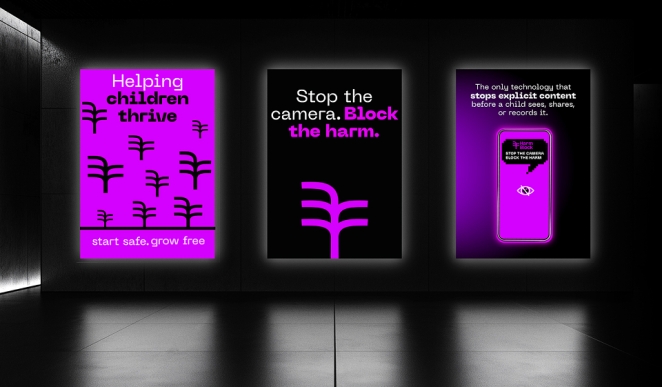
In a world where everyone can publish, the real differentiator is what you actually say. That’s where content strategists and copywriters come in.
These are not just “make the words nice” roles. The most in-demand content professionals:
- Shape brand narratives and tone of voice
- Plan multi-channel content ecosystems (email, social, product, web, events)
- Translate complex products into stories actual humans care about
- Use data and SEO intelligently without murdering the vibe
Reports on hiring trends consistently flag “Content Strategist” and “Copywriter” as growth roles within marketing and creative teams, especially in B2B, tech and in-house brand studios. On Creativepool, that looks like a steady stream of Copywriter jobs at agencies, in-house studios and startups, alongside hybrid “Brand & Content Lead” postings.
And yes, AI can spit out 1,000 words on “10 social media tips”. But it can’t sit in a room with a CMO, untangle their brief and say with a straight face, “You don’t need a campaign, you need a clearer story.”
3. Video Producers, Editors & Motion Designers
Jake Blackman
The engine room of the attention economy
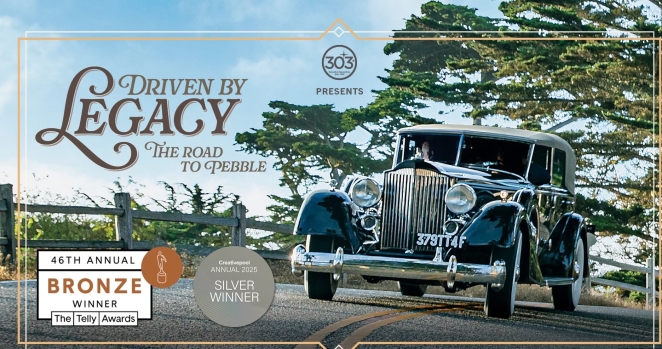
If you’ve opened literally any social platform in the last three years, you already know: video is the internet. Brands that once relied on print or static banners now need a constant stream of film, motion, Reels, TikToks, explainer videos, social edits and interactive experiences.
That’s why roles like “Video Editor”, “Motion Designer” and “Video Creative” consistently show up among the most in-demand creative jobs.
Employers are craving people who can:
- Plan and produce shoots (often scrappy, agile and social-first)
- Edit with pace, rhythm and a sense of platform culture
- Add motion design and typography that feels crafted, not templated
- Optimise for different channels without losing the soul of the idea
Scroll the Creative jobs or search for “editor”, “motion” or “videographer” on Search jobs & studiogigs and you’ll see exactly how many brands are chasing these skillsets right now.
4. AR/VR & Immersive Media Creators
Mag. Vladimir von Bergdorff, MA
From campaigns to worlds
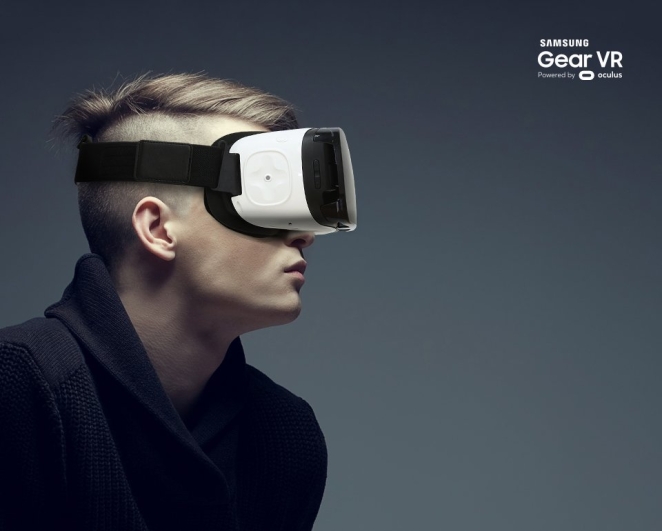
As AR, VR and mixed reality finally move beyond novelty filters, creative teams are being asked to design experiences you step into, not just watch. PwC and UNCTAD point to video games and immersive entertainment as some of the fastest-growing areas of media spend through 2027.
AR/VR designers and immersive media creators typically:
- Work in Unity or Unreal Engine, alongside 3D artists and engineers
- Design interactive environments for retail, cultural spaces, training or entertainment
- Think spatially – about journeys, pacing, interaction and emotion in 360°
You’ll increasingly see briefs on Creativepool for “Immersive Designer”, “XR Creative” or “Interactive Experience Lead” – often sitting inside agencies that previously “just” did film, OOH or digital.
5. Game & Interactive Entertainment Designers
Peter Lourenco
Where storytelling, systems and psychology meet
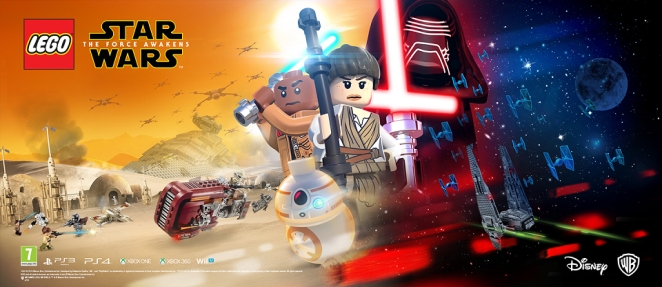
The games industry hasn’t stopped growing for about 30 years, and it’s not about to start now. UNCTAD’s 2024 outlook highlights video game advertising and interactive entertainment as a major driver of creative-economy growth towards 2027.
Game designers and interactive storytellers:
- Build worlds, characters and narratives
- Design core mechanics and reward loops
- Collaborate with writers, UI artists, sound designers and engineers
- Influence everything from commercial games to training sims and branded experiences
For creatives who enjoy systems, narrative and psychology as much as visuals, this is one of the most resilient jobs for creative people and one that increasingly overlaps with marketing, education and even healthcare.
6. Creative Directors & Brand Strategists

Charlie Sorrell
The bridge between messy humanity and sharp commercial outcomes
Some of the most AI-proof creative jobs that pay well sit at the top of the tree: Creative Directors, Heads of Design, Executive Creative Directors and Brand Strategists.
These roles are less about pushing pixels and more about:
- Setting a creative vision and protecting it through the chaos
- Translating business objectives into ideas that genuinely move people
- Building and mentoring teams, and creating the conditions for good work
- Making taste-based calls: “Is this good enough? Is it right for this brand?”
Research into the future of skills emphasises that leadership, social influence and creative thinking are rising in importance alongside technological literacy. That’s basically the job description of modern creative leadership.
On Creativepool you’ll see these roles listed everywhere from boutique studios to global networks. Try searching for Creative Director jobs or exploring our Leaders interviews on the Magazine for a flavour of what the job really looks like day-to-day.
7. Data Visualisation Designers & Hybrid Creators
Albert Botelho
Where numbers grow a personality
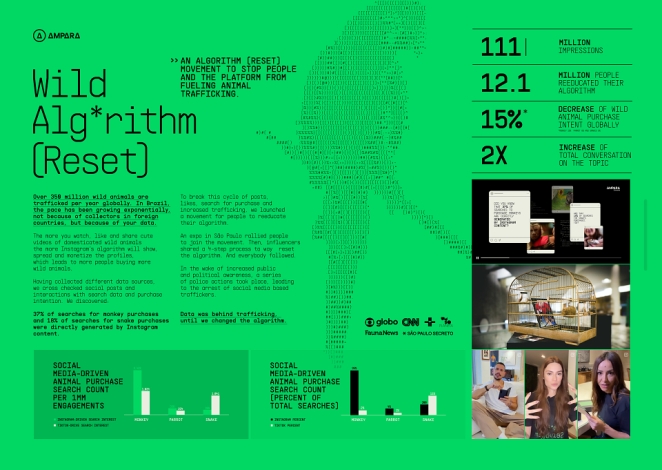
Every brand is swimming in data; very few know how to see it properly. That’s where data visualisation specialists and hybrid “creative-meets-analytics” people come in.
These roles might be called:
- Data Visualisation Designer
- Information Designer
- Creative Analyst
- Product Designer (Data experiences)
The work involves:
- Turning complex datasets into interactive dashboards, infographics or tools
- Working closely with analysts and engineers
- Balancing accuracy with clarity and emotional impact
Skills reports from Harvard highlight exactly this combination of analytical thinking, creativity, originality and initiative as a core “future of work” advantage. In 2026, the highest-earning creative professionals are likely to be those who can read a spreadsheet and design a story around it.
8. Creative Technologists & AI Experience Designers
Manuel Nilsson
The people who make all the weird new stuff actually work
This is one of the most rapidly emerging creative professions, and one we see popping up constantly on Creativepool: “Creative Technologist”, “Innovation Lead”, “AI Creative”, “Generative Designer” and so on.
These roles sit at the intersection of:
- Concepting – what’s the actual idea?
- Prototyping – can we build enough of it to show a client quickly?
- Technology – APIs, AI tools, code, hardware, sensors
- Experience – does this feel magical, or just gimmicky?
In many agencies, the creative technologist is the person who says, “Yes, we can do that and here’s a better, simpler way.” They’re also the ones making sure AI is used responsibly and effectively, not just bolted on as a buzzword.
9. Social, Community & Creator-Led Roles
Kate Prime
Turning audiences into collaborators
Brands are finally realising that community, not just content, is where the value lies. That’s driving demand for:
- Social Creative Leads
- Community Managers with strong editorial instincts
- Creator Partnership Managers and UGC strategists
These roles reward creatives who understand platform cultures deeply (from TikTok sounds to Discord etiquette) and can work with creators, not just pay them for a post. For many creatives, this is the most direct route into the booming “creator economy” without having to put your own face on camera every day.
10. Creative Operations & Design Ops
Nucco
The unsung heroes who actually make the work possible
As creative departments scale, the pain points usually aren’t “not enough ideas” – they’re process, communication, workflows, feedback loops, resourcing. That’s why Creative Ops and Design Ops roles have exploded inside agencies, in-house studios and production companies.
These jobs sit somewhere between project management, production and strategy:
- Designing better workflows and tools for creative teams
- Improving briefing, feedback and review processes
- Protecting creative time and reducing burnout
- Ensuring quality stays high as output scales
For organised, people-savvy creatives who love the industry but don’t necessarily want to art direct every ad, this is a quietly powerful career path that’s only going to grow.
The skills that will outlast any AI update
Wajeeha Abbasi
So, what actually makes these creative careers “AI-proof”? The tech will keep changing. The foundations won’t.
Across the WEF’s future-skills research and wider labour-market studies, a familiar pattern emerges. The skills that keep showing up are:
1. Craftsmanship & technique
AI can generate a thousand variations, but it still can’t refine in the way a skilled creative can. Whether it’s:
- The timing of a cut
- The rhythm of a line of copy
- The way a layout balances tension and clarity
…that last 10% of finesse is still incredibly hard to automate – and incredibly valuable.
2. Critical judgement & taste
Someone still has to decide which option is “good”, which is “on brand”, and which is quietly offensive in a way the model didn’t quite pick up. As AI creates more “okay” work, the premium goes to the people who can spot and shape the great work.
3. Collaboration, empathy & leadership
Creative projects are messy. They involve clients, stakeholders, budgets, egos, deadlines and late-night panic. The ability to:
- Read a room
- Give and receive feedback
- Sell ideas and protect them
- Lead teams through uncertainty
…is still one of the biggest differentiators between someone who has talent and someone who has a career.
4. Adaptability, curiosity & creative thinking
The WEF’s data is blunt: creative thinking, flexibility, curiosity and lifelong learning are among the fastest-rising skills employers value between now and 2030. If you’re the person who leans into new tools, new formats and new collaborations, you’ll always be ahead of the curve.
How to shift into these careers (with a little help from Creativepool)

Another Colour
Knowing which creative jobs are in demand is one thing. Getting them is another. A few practical steps, drawing on what we see work across the Creativepool community:
1. Audit your current skills
Map yourself against the roles above. Are you a graphic designer with a good eye and zero UX process? A social creative who secretly loves data? A copywriter fascinated by product? Your next move is probably at the intersection of what you already do and what the market now needs.
2. Shape your portfolio around outcomes, not just aesthetics
Especially for UX, product, strategy and leadership roles, employers want to see impact: “What changed?” Case-study your work like the campaigns we feature in Creativepool’s Inspiration section.
3. Up-skill with intention
You don’t need ten new tools; you need the right two. That might mean:
- Prototyping tools for UX
- An analytics or data-viz course for hybrid roles
- Generative AI tools for ideation and image/video exploration
4. Get visible where the work actually is
- Build or polish your Creativepool profile
- Browse creative jobs and design roles and set alerts for your target titles
- Use Search jobs & studiogigs to find shorter briefs or side projects that help you pivot into new disciplines.
5. Think career, not just job title
Many of the most interesting careers for creative people in 2026 will be nonlinear. A motion designer becomes an immersive director. A copywriter becomes a creative strategist. A product designer drifts into design ops. Don’t just cling to the job title you know – follow the skills and the work that energise you.
So… what creative careers will be most needed in 2026?
i2i Art Inc.
If you strip all the noise away, the answer is surprisingly simple:
- The most needed creative jobs will be the ones that sit between disciplines – between art and technology, between story and data, between craft and leadership.
- The most resilient creative careers will belong to people who treat AI as a collaborator, not a competitor.
- The best-paid creative jobs for creative people will go to those who fuse craftsmanship, human insight and strategic thinking into something machines still can’t touch.
Whether you see yourself designing interfaces, building virtual worlds, leading brands, crafting narratives or orchestrating the chaos behind the scenes, there has never been a better time to build a creative profession that actually fits you.
And if you’re ready to make that move?
You know where to start: polish that portfolio, head to the Creativepool jobs board, and take the next step towards the creative career 2026 is already asking for.