

Say what you like about TikTok as a covert weapon to drain our attention spans while simultaneously mining our data but it’s undeniably a platform that’s important to a lot of (mostly young) people. It’s also a platform that many creatives have built their careers around in recent years, so it makes sense that the recent upheavals around TikTok’s legal status in the United States has thrust many creators and brands into a state of uncertainty.
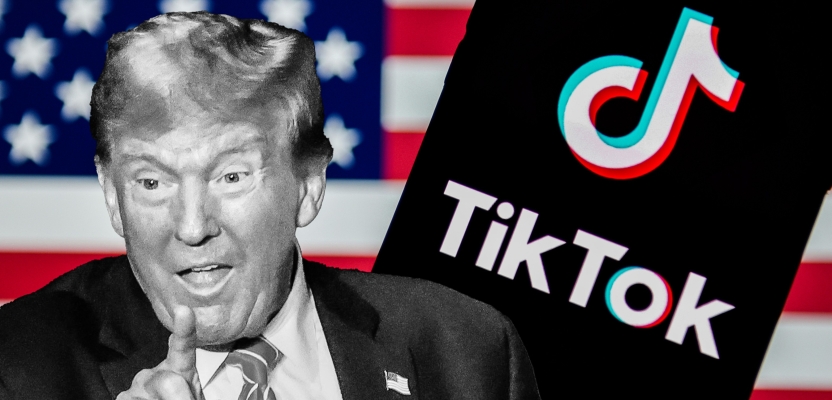
Although the Supreme Court upheld a law banning TikTok on national security grounds (prompting the platform to VERY briefly shut off service for its 170 million US users), freshly minted President Donald Trump 2.0 has pledged to grant the app a reprieve via executive order. As of now, TikTok is officially back online in the US, but legal questions linger, and the longer-term impact on the creator economy remains unclear, not only in the states but the rest of the western world too.
By all accounts, it’s effectively a temporary reprieve, so against this unpredictable backdrop, I spoke with two industry experts—Thomas Walters, Europe CEO and co-founder of global creator agency Billion Dollar Boy, and Emily Green, Content and Culture Strategist at Buttermilk—to explore what a TikTok ban could mean for creators and brands on both sides of the Atlantic.
The Immediate Impact on the US Market
Despite the sudden restoration of TikTok’s service, Thomas Walters underscores that even the threat of a ban carries significant weight:
“The US TikTok ban represents a significant loss for American consumers, and the creators, and small businesses who thrive on it. TikTok has been an essential platform for community-building, cultural influence, and the discovery of information, entertainment, and shopping.”
Many brands, influencers, and their audiences rely heavily on TikTok’s short-form content format. Even if new executive orders or legal challenges keep TikTok intermittently available, the volatility could impact creators’ trust in the platform and prompt them to diversify across other channels.
The Supreme Court Decision and Trump’s Reprieve
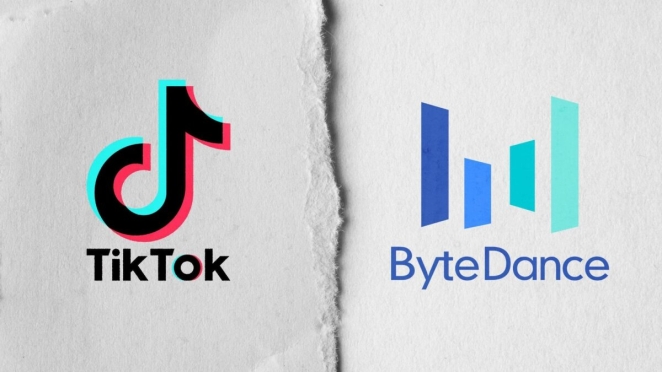
The Supreme Court’s upholding of the law (requiring ByteDance to sell its US operations or face a ban) sent shockwaves through the creator community when it took effect. TikTok briefly went dark on Saturday, removing itself from app stores and web-hosting services. But by Sunday, the company restored service after Trump announced plans to delay the ban, opening a window for further negotiations.
However, legal experts point out that the president’s authority to override an already-enforced law remains in question. Multiple states have also filed lawsuits against TikTok, opening the door for potential patchwork bans even if Trump’s federal executive order momentarily eases tensions. All this contributes to a climate of uncertainty: though the app is running again, no one can be absolutely sure how long TikTok will remain accessible in the US.
Lessons From Previous Bans: Adaptation and Migration
The creator economy is no stranger to seismic shifts. Walters references the 2020 TikTok ban in India as evidence that creators and platforms can evolve rapidly:
“When TikTok was banned in India, platforms like YouTube and Instagram responded swiftly by enhancing their short-form video formats, and consumers quickly embraced these alternatives. We expect a similar evolution in the US, with platforms like Instagram Reels, YouTube Shorts, and Snap Spotlight (and even emerging competitors such as China’s Red) filling the gap.”
Much like in India, US TikTok creators are likely to pivot quickly. This means we can expect a surge of content and viewers migrating to alternative platforms. For marketers, it underscores the importance of hedging bets by engaging audiences across multiple social channels.
Ripple Effects in the UK and Beyond
Although the ban currently (and temporarily) does not affect users in the UK, it illustrates how fragile platform dominance can be—and how creators worldwide may still see an impact.
“In the UK, this shift will also have ripple effects on content creation and audience behaviour. We encourage UK creators and brands to maintain activity on TikTok as it remains fully operational here and effective for reaching UK audiences, while at the same time growing their presence on other platforms to continue reaching diverse audiences and protecting revenue streams,” Walters explains.
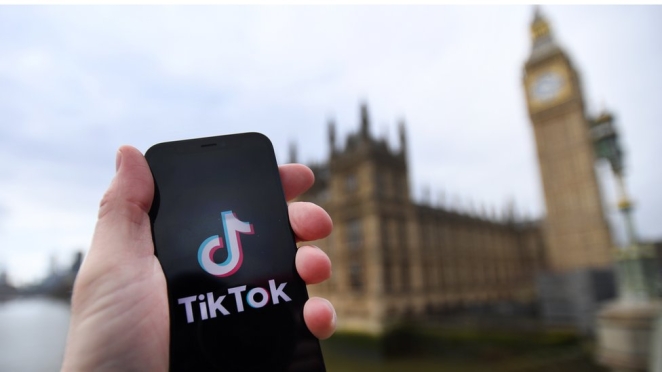
Those UK-based creators who have built substantial American followings may suffer lost viewership if a ban is ultimately enforced in the US But those focused on UK-specific content or partnerships could see increased visibility among domestic users—especially if overall competition on the platform decreases.
“As competition for attention intensifies on Meta, YouTube, and Snap, we’ll need to monitor and adapt to how audiences migrate and disperse between the platforms. What we do know for sure, is that UK creators with large US followings will see a decline in viewership. However, UK creators and brands running UK-centric content partnerships may potentially benefit from greater visibility with domestic consumers and see strong engagement rates on TikTok as a result.”
The Creator Economy’s Resilience
Despite the headwinds, Walters emphasizes the creative sector’s inherent durability:
“While the full impact remains to be seen, the creator economy’s resilience ensures it will continue to thrive through this transition.”
His words echo the lessons learned from past platform disruptions—whether through algorithm changes, mergers, or shutdowns. The creator economy’s ability to innovate, pivot, and harness new audiences is what has propelled influencer marketing and branded content to become multi-billion-dollar industries worldwide.
A Wake-Up Call for Long-Term Brand-Influencer Partnerships
Emily Green, Content and Culture Strategist at Buttermilk, sees the TikTok debacle as a chance for businesses to reassess their broader strategies. Having worked with brands such as Nike, GAP, Prada, and L’Oréal, she emphasizes how this moment can spark more meaningful collaborations across multiple platforms:
“The TikTok ban is an opportunity—a wake-up call for businesses to invest in creators for the long haul. Smart businesses will use this moment to rethink engagement strategies, embrace value-driven storytelling, and explore new, meaningful ways to connect with their audiences.”
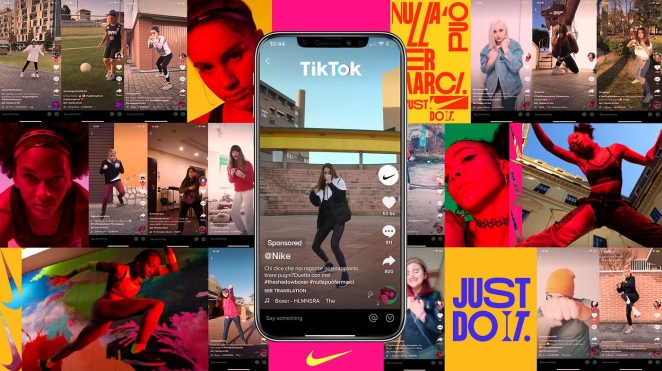
According to Green, 49% of creators favour long-term campaigns as their preferred mode of collaboration with businesses.
“The ban presents an opportunity to build genuine, cross-platform relationships that go beyond one-off campaigns, as well a chance to support and reassure creators and their communities when they most need it—in the midst of uncertainty.”
For marketers, the lesson is clear: diversified strategies that focus on building robust, supportive relationships with influencers are more likely to weather sudden policy changes than campaigns overly reliant on a single platform.
Looking Ahead: Embracing (and Surviving) Volatility
It remains to be seen how effectively Trump’s executive order will hold off enforcement of the TikTok ban in the long run—or what new moves Congress or state governments may make. Even if the platform survives in the US under a new ownership structure, recent events highlight the precarious nature of digital platforms subject to geopolitical tensions.
For creators in both the US and the UK (and everywhere TikTok is active), the near-term strategy involves staying agile:
- Maintain a presence on TikTok (if it remains accessible) to capitalize on its unique reach, especially among younger audiences.
- Diversify through platforms like Instagram Reels, YouTube Shorts, and Snap Spotlight, ensuring continuity and avoiding overdependence on one channel.
- Forge long-term partnerships with brands and creators built on shared values, trust, and consistent communication—rather than short bursts of engagement.
As Walters concludes, challenges like these have always been catalysts in the creator economy:
“The creator economy has consistently shown its ability to adapt and innovate in adversity. This moment will be no different.”
Whether or not TikTok remains a mainstay in the US (and by extension, for global creators) hinges on legal, political, and corporate manoeuvring in the coming weeks. Yet the guiding principle stands firm: creators who adapt (expanding their online presence and forging meaningful brand partnerships) will continue to flourish, no matter which platforms rise or fall.
Second Opinion
Joe Moring, Social Director at SHARE Creative
"The uncertainty of TikTok’s future in the U.S. is a watershed moment in the volatile world of social media. But its ripple effects in the U.K. might be less dramatic. TikTok thrives on its passive, dopamine-driven engagement—users don’t visit for a specific purpose; they scroll, they consume, they repeat. That’s still going to happen even without U.S. creators on the platform. The algorithm will continue to serve content, and while organic reach may dip, it will remain a useful part of the marketing mix.
For brands, there is a lesson here: diversify. Don’t pin your social strategy on a single platform, especially as geopolitical tensions threaten to reshape the digital landscape. And for brands targeting U.S. audiences? Sit tight for now. The algorithm can wait; let’s see how this unfolds."