

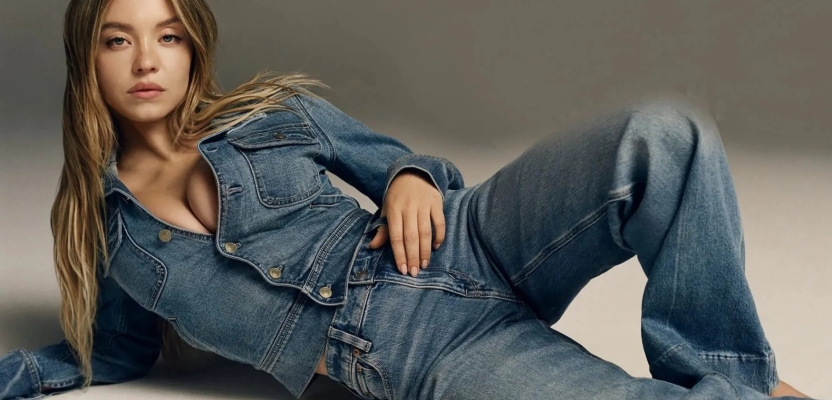

Even the mightiest brands can face-plant when a “brilliant” idea spectacularly misreads the room. In 2025, we saw a parade of high-profile marketing mistakes – from denim puns that sparked outrage to AI stunts that creeped out their own target audience. The common thread? Creative teams flying too close to the sun on wings of hubris (and perhaps a bit of AI wax), only to plummet into the sea of public backlash.
Below, we present the ten biggest failed marketing campaigns of 2025 – a cautionary tour through marketing’s hall of shame. Enjoy the schadenfreude but take notes: this could be your brand if you’re not careful!
5. L’Oréal’s OnlyFans Faux Pas (Urban Decay’s “Raw” Ambition)
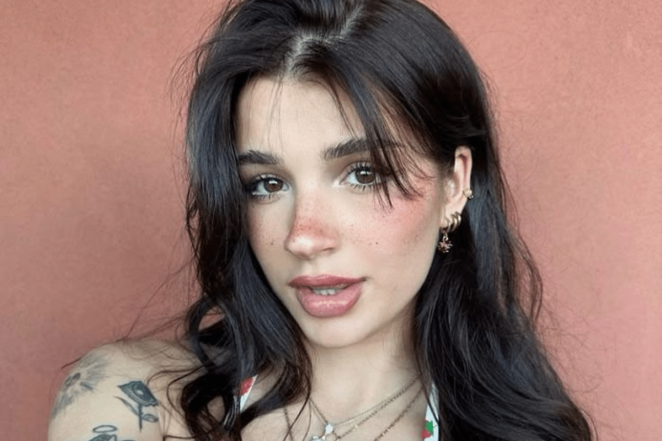
When it comes to bold marketing, cosmetics brands often push the envelope – sultry ads, edgy taglines, empowerment themes, you name it. But in 2025, L’Oréal’s Urban Decay brand shoved the envelope right off the table and into an OnlyFans photoshoot. In a move that left many doing a double-take, L’Oréal hired a famous OnlyFans adult content creator, Ari Kytsya, as a brand ambassador for Urban Decay – a makeup line popular among teens.
The campaign, splashed across TikTok and social media, touted the slogan “UD likes it raw” (yes, really), complete with pixellated naughty images and the influencer talking about censorship and “uncensored makeup.”
To put it mildly, this was a risque creative swing. The goal was to position Urban Decay as an unfiltered, rebellious brand that embraces sexuality and transparency. What it achieved was widespread concern that a major beauty brand was glamorizing porn to minors. The clash between the brand’s traditionally young audience and the adult nature of its new spokesperson set off alarm bells among parents, campaigners, and even some of L’Oréal’s own stakeholders.
Creative Concept & Execution
Urban Decay’s creative team has never been one to play it safe – the brand’s very name alludes to gritty, edgy aesthetics. The concept here was to celebrate being real and “uncensored.” Ari Kytsya, who has a dual persona as a beauty vlogger and an adult content creator, was brought on as the face of this message.
The execution was pure provocateur: a TikTok ad where Kytsya decries how “censorship is out of control,” calling for makeup that performs “on stage, on camera and yes, on mattresses”. All this under a big tagline “UD Likes It Raw,” wink wink. The visuals showed Kytsya in various states of pixelation, clearly referencing her explicit content, with Urban Decay products intertwined.
It was tongue-in-cheek, brazen, and certainly on-brand for shock value. However, a crucial execution fail was not considering L’Oréal’s own influencer guidelines – which explicitly state that partners shouldn’t have a history of posting pornography or content contrary to the company’s values. In essence, Urban Decay’s campaign openly violated the parent company’s rules. It’s like the creative team said “this idea is so crazy it just might work!” without pausing to ask “…or get us in trouble?” Spoiler: it was the latter.
Why It Flopped
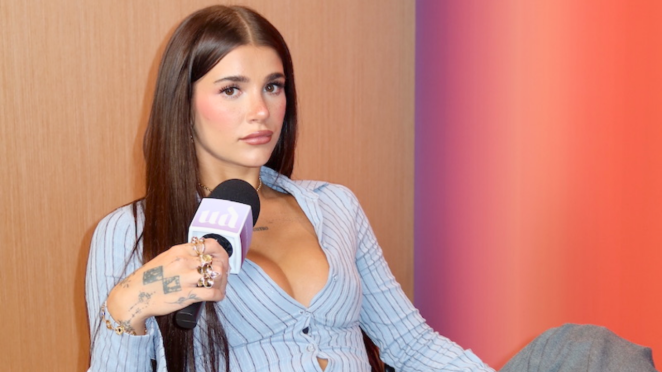
In theory, you could argue there’s no such thing as bad publicity – but L’Oréal might beg to differ after this. The campaign flopped because it misread the difference between edgy and irresponsible. Urban Decay targeted Gen Z and young millennials, many of whom are under 18, with this campaign.
By putting an adult entertainer front-and-center, the brand blurred lines between empowerment and pornography in a way that made even liberal audiences uncomfortable. Campaigners and women’s rights groups immediately warned that this collaboration “broke a new threshold” in mainstreaming explicit content to impressionable young consumers.
It didn’t help that Kytsya herself refers to being an OnlyFans model as a “mattress actress” – cheeky, but not exactly the aspirational image parents want for their teens. The creative misstep here was overestimating how far the brand’s “be bold, be yourself” ethos could stretch. Urban Decay has always been a bit cheeky (shade names like “Perversion” mascara, etc.), but partnering with a porn star was a leap from innuendo to essentially endorsing the adult industry as cool and on-brand.
The message clashed with societal concerns: at a time when many worry about young people seeing OnlyFans as an easy ticket to fame, this campaign looked like an outright recruitment poster. In short, L’Oréal traded short-term buzz for long-term unease, making even some die-hard Urban Decay fans say, “too far, guys, too far.”
Public & Industry Reaction
The backlash was swift and loud. Traditional media like The Guardian published headlines about L’Oréal hiring an “OnlyFans star to market makeup popular with teenagers,” capturing the inherent conflict. Women’s rights organizations and parenting groups expressed “legitimate concern” that normalizing porn stars in teen marketing could glamorize the pornography industry to minors.
The Fawcett Society, a prominent UK gender equality charity, publicly questioned if L’Oréal had lost its plot, pointing out how this might entice “very young women” to join OnlyFans chasing a mirage of fame and fortune. On social media, the discourse was split: some edgy consumers applauded Urban Decay for “embracing 2025 and not shaming sex work,” but a larger contingent (including many actual customers) felt this was a new low for a big brand. Inside L’Oréal HQ, there was likely some corporate head-shaking.
After all, L’Oréal had that influencer Value Charter document for a reason – to avoid exactly this kind of reputational risk. The fact that Urban Decay’s maverick move openly flouted it would have been a topic of some heated internal meetings. Rival beauty brands seized the opportunity to differentiate: a few made subtle digs by emphasizing their “family-friendly” marketing or highlighting campaigns with activists, doctors, anyone but adult entertainers. The contrast was clear – Urban Decay stood alone on Pornhub Island, waving a flag, while competitors watched from the mainland saying “good luck with that.”
Unintended Consequences & Lessons
L’Oréal initially defended the collab, praising Kytsya’s openness about “the joys, challenges, and risks of the industry she works in”. But corporate PR spin did little to quell the discontent. We can infer that L’Oréal will think ten times before approving such a controversial partnership again. They likely revisited their vetting processes – perhaps tightening that Value Charter enforcement and ensuring global campaigns align with the company’s core values (or at least don’t openly conflict with them). T
he broader lesson for creatives: know your audience, and know where the line is drawn for them. Edgy marketing is one thing; courting full-blown controversy that drags your brand’s ethics into question is another. It’s a fine line between bold and reckless. If a campaign concept makes you ask, “Are we misreading this? Could this blow up in our face?” – pay attention to that gut feeling (or do some focus groups at least!). Urban Decay’s fiasco shows that while breaking taboos can get you talked about, not all press is good press when you alienate a chunk of your consumer base and alarm society at large.
For a creative industry audience, there’s also a meta-lesson: alignment is key. A subsidiary brand went rogue and the parent brand took a hit too. Keeping maverick creative ideas in check with overarching brand values isn’t just corporate conservatism – it can be the difference between a campaign that’s daring versus one that’s self-immolating.
L’Oréal learned this the hard way: if your campaign strategy is going to effectively say “sex work is cool and makeup is part of it,” you better be prepared for the fallout. Spoiler: they weren’t, and thus this juicy debacle lands comfortably among 2025’s top flops.
4. Swatch’s Racist “Slant-Eye” Ad
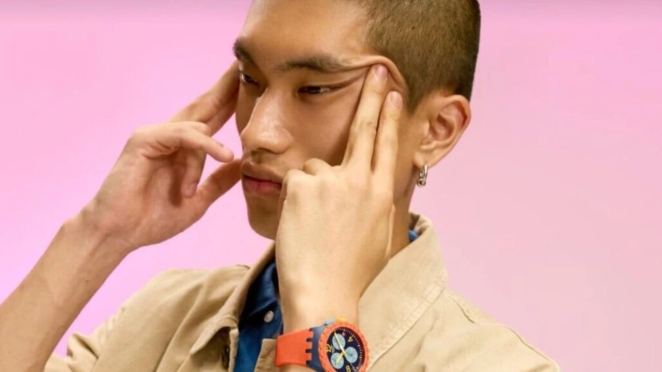
Swiss watchmaker Swatch found itself in hot water in 2025 with an ad that can only be described as a jaw-dropper for all the wrong reasons. Swatch has a reputation for being youthful, irreverent, and artful in its marketing – usually a fun formula. But in trying to be edgy and attention-grabbing this time, they veered straight into racist territory.
The offending ad featured an Asian male model pulling back the corners of his eyes to make a “slanted eye” face. Yes, that gesture – the one universally known as a racist mockery of Asians. It’s hard to fathom how this cleared anyone’s approval process in 2025, but it did.
The campaign’s supposed aim was to promote a new watch line by being cheekily provocative. Instead, Swatch had to issue apologies faster than a second hand ticks, as the image incited backlash across continents. In an era of “hyper-vigilant online audiences,” Swatch’s norm-breaking ad broke the one norm you really shouldn’t: basic respect.
Creative Concept & Execution
The concept, as gleaned from insider talk and the nature of the campaign, was to be deliberately transgressive. With corporate diversity initiatives being rolled back in some places (the ad launched against a backdrop of political attacks on “wokeness”), it seems Swatch’s young marketing team wanted to say, “We’re fearless; we’ll do something wild to grab attention.”
The execution certainly grabbed attention, but not in the way intended. The ad was photographed and distributed online and possibly in select markets. It shows the model distorting his eyes accompanied by some tagline that presumably tied into a watch feature or slogan (the specifics of the copy have been overshadowed by the image itself). Internally, someone likely thought referencing an outdated stereotype could be reclaimed or twisted into a bold statement – a very, very risky creative gamble.
More likely, as Swatch later claimed, it was simply a faux pas by an uninformed team who didn’t grasp “the extent of the gestures” and their offensive nature. In other words, the execution failed because of cultural ignorance and the lack of a diverse perspective in the room. It’s the classic scenario: if there had been even one person of Asian descent with decision-making power on that team, they’d have red-flagged this instantly. But apparently not, and so a racially insensitive pose made it out into the world under Swatch’s banner.
Why It Flopped
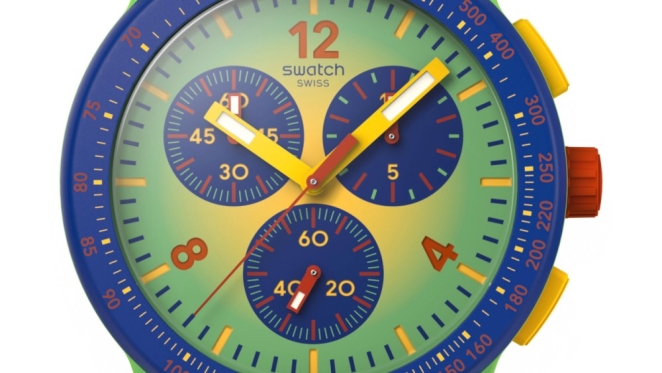
Swatch’s campaign flopped because it was immediately branded as racist – and rightly so. The so-called edgy ad was basically an invitation for collective outrage. In a year when brands should know better (we’ve had decades of discussions about representation and stereotyping), Swatch’s misstep felt especially egregious.
The intended shock value boomeranged: instead of making Swatch look cool and daring, it made the brand look either woefully out-of-touch or irresponsibly provocative. The company had to very quickly do damage control, stating that offending anyone “was not the intention”. But at a certain point, intent matters little; impact is everything.
The creative misstep here is glaring – equating controversy with positive buzz without understanding the difference between playful provocation and plain offensiveness. Swatch ads often push boundaries in art and design, but this was pushing into racial insult. And it wasn’t subtle or ambiguous; it was a textbook racist gesture.
In an attempt to “stand out in a competitive market” amid diversity rollbacks, Swatch essentially decided to play with fire and got burnt. They seemed to be chasing the viral notoriety some edgy fashion brands have courted (“no publicity is bad publicity” mindset), forgetting that alienating a large and growing consumer base (non-white shoppers) is very much bad publicity. It was a self-inflicted wound that was entirely foreseeable, which makes it all the more a flop.
Public & Industry Reaction
The backlash was swift and global. On Asian social media (from Weibo in China to Twitter in Western countries), people shared the ad with captions like “Really, Swatch? 2025 and this is your marketing?” Outrage came not just from Asian communities but from just about everyone with a pulse for decency.
Hashtags calling for boycotts popped up. Swatch’s apology – where they blamed a “young, motivated team” and pleaded naivety – did little to stem criticism. In fact, some responses to the apology were along the lines of: “If your team is that young and naive, maybe supervision is in order.” Branding experts quoted by Reuters noted that such “risky ads” might grab short-term attention but risk long-term brand harm.
Indeed, trust and inclusivity drive loyalty, and Swatch managed to ding both in one go. The timing compounded it: as Reuters highlighted, this came amid a rollback of diversity programs in the U.S. and elsewhere. So, many saw Swatch’s ad not in a vacuum but as part of a worrying trend of companies feeling emboldened to drop the inclusivity ball. Industry peers quietly (and sometimes not so quietly) distanced themselves.
We can imagine internal memos at other fashion and lifestyle brands: “Make sure nothing in our pipeline could be interpreted as racist – we don’t want a Swatch situation.” Swatch’s misfire became a cautionary tale on LinkedIn think-pieces and marketing panels. The damage to Swatch’s image in Asia might be significant – these markets are huge for Swiss watches, and those consumers have plenty of other choices.
Unintended Consequences & Lessons
Swatch quickly pulled the ad and removed the image from circulation, but the internet never forgets. They will have to work to rebuild trust, perhaps by engaging in some sincere outreach or internal diversity training (if they’re smart, both). This flop underscores a broader lesson: diversity in your marketing team isn’t just PC – it’s protection. If your creative squad isn’t diverse, at least run your edgy ideas by a diverse focus group or consultant.
What seems like a bit of “harmlessly naughty” fun to a homogeneous team can actually be an obvious red flag. The Swatch case also shows how a local mistake becomes a global scandal in seconds. It might have been one regional team that greenlit the image (the photo was taken in Beijing, after all, but the fallout was worldwide. So, even if you think, “Oh, this edgy thing might play in one market,” remember that in the digital age, every campaign is effectively global.
From a creative strategy standpoint, yes, taking risks is part of making memorable ads. But the line between risk and recklessness is drawn at disrespect. Punching up = maybe okay; punching down = never okay. Swatch punched down at a racial group, intentionally or not, and paid the price. The irreverent brand vibe they wanted to project got buried under accusations of racism.
The big takeaway for creative pros: shock value is a tool, not a strategy, and it should never come at the expense of core human respect. Because the biggest shock at the end of the day might be how fast your campaign gets yanked and your brand gets burned if you don’t heed that rule.
3. Sanex’s “White Skin Superior?” Shower Gel Ad

In mid-2025, personal care brand Sanex (owned by Colgate-Palmolive) managed to get itself banned from UK airwaves with a commercial so tone-deaf, it united people in a universal “What were they thinking?!” moment. The TV ad for Sanex Skin Therapy shower gel presented a before-and-after scenario for dry, itchy skin – nothing unusual there – except the “before” featured Black women with dry, cracked skin visuals, and the “after” featured a white woman with smooth, hydrated skin.
To an average viewer, the implication was as subtle as a sledgehammer: dark skin = problematic, white skin = ideal. The UK’s Advertising Standards Authority (ASA) received complaints and promptly banned the ad for reinforcing negative racial stereotypes. Sanex’s attempt at a universal skin-healing message turned into a glaring example of how not to handle representation in advertising.
Creative Concept & Execution
The intended concept (we can glean from the narration and visuals) was to show that the product could relieve extreme dry skin issues. The voiceover in the ad went along the lines of, “To those who scratch day and night, to those whose skin feels dried out even by water – relief could be as simple as a shower with Sanex.”
The execution showed dramatic visuals: first, a Black woman with red scratch marks and another with her dark skin appearing ashy and cracked like a desert floor. Then, the scene cuts to a white woman blissfully showering with Sanex, her skin looking model-perfect, followed by the claim of “24-hour hydration” and the tagline. In their mind, the creative team probably thought they were just demonstrating “extremely dry skin” with a high-contrast visual (cracked clay on skin) and then a happy customer post-use.
However, by choosing models of different races for the before and after, they inadvertently (or cluelessly) created a racial contrast. It essentially looked like they were saying: if you have Black skin, it’s a problem; use Sanex and voilà, enjoy the beautiful (white) skin you always wanted. This execution oversight is so obvious that one wonders how on earth it wasn’t caught.
Sanex and the ad clearance body Clearcast tried to defend it by saying they intended to show diversity and that the model’s skin tone “was not a focal point”. But context is king: the structure of the ad undeniably set up a negative vs positive comparison tied to skin color, whether they meant it or not. Lack of diverse perspective in the creative review likely played a role, as did maybe a dash of complacency – assuming an old-school before/after would be fine without analyzing the racial optics.
Why It Flopped

This ad flopped because it came across as textbook racism in advertising, even if borne from negligence rather than malice. The ASA explicitly concluded that the ad “reinforced the offensive stereotype that black skin was problematic and white skin was superior.” That’s about as damning a verdict as you can get from an ad regulator.
The misstep was an almost baffling failure to apply a basic cultural sensitivity filter to the creative. Sanex is a global brand; Colgate-Palmolive is not new to marketing. How no one raised a hand to say “Uh, guys, are we implying a race thing here?” is astounding. It’s another case of advertising “missing the inclusion memo” – ironically, possibly trying to be inclusive by featuring a Black model, but negating it by the comparative setup.
The creative team likely was focused on the skin condition narrative: “dry, itchy skin is a problem, our product solves it.” However, by not using the same person for before and after, or at least the same skin tone, they introduced a variable (race) that overpowered the intended message.
Thus, the ad’s takeaway became not “Sanex heals” but “White is right (with Sanex).” In the current social climate, where diversity in ads is scrutinized more than ever, this was a catastrophic creative oversight. It’s exactly the kind of content brands have been warned for years to avoid. Sanex walked right into the trap and got slammed for it.
Public & Industry Reaction
Once the ad aired (it ran in June 2025 in the UK), it only took two official complaints to get the ASA to investigate – and you can bet there was a lot more chatter off-record. News of the ban hit major outlets like The Guardian, Euronews, Sky News, etc., amplifying the embarrassment globally. Public reaction on social media was scathing. Viewers expressed shock that in “this day and age” a company could be so clueless.
Many Black consumers spoke up about how tired they are of seeing their skin depicted as something to “fix” in beauty advertising. Others sarcastically commented, “Maybe the next ad will show a short person using a product and turning tall, who knows?” – pointing out how absurd the implied transformation was. The phrase “tone-deaf” got a lot of mileage, no pun intended. Industry professionals, especially those in advertising and PR, used the Sanex case as a talking point: diversity consultants (the ones companies bring in to avoid precisely this scenario) basically said, “See why you need us?”
Even Colgate-Palmolive’s competitors weighed in indirectly – for instance, Dove (known for its inclusive “Real Beauty” campaigns after learning from its own past missteps) could subtly reinforce how their messaging celebrates all skin tones as they are. The ASA’s ban itself is significant, because it’s relatively rare. It meant Sanex had to pull the ad off air completely and was a formal censure that goes on record. The brand got the worst of both worlds: an incomplete media run (wasted spend) and a PR fiasco.
Unintended Consequences & Lessons
Sanex, and by extension Colgate-Palmolive, likely went into damage-control mode. Apologies were issued, explanations given (“We only meant to show a diverse range of users, honest!”), but the damage to perception was done. Internally, it almost certainly prompted a review of their ad approval processes.
Perhaps new checks like “review with multicultural team” or “run by an external diversity board” will be instituted. The creative agency that made the ad probably had some explaining to do as well – it’s a stain (pun intended) on their portfolio.
The big lesson for everyone else? Representation matters – not just whether you include it, but how you include it. Sanex’s intention to include different skin tones backfired because they inadvertently othered the darker skin as the “before” condition. This highlights that inclusivity in marketing isn’t just ticking boxes (“we put a Black person in our ad!”); it’s about context and portrayal. If your ad concept even remotely suggests one group is “less than,” scrap it or redo it entirely.
Another clear lesson: test your ads with actual people from the demographics depicted before release. A quick round of feedback from a diverse consumer panel would have lit up red alerts on the Sanex ad instantly. It’s a lot cheaper to reshoot or re-edit after a focus group than to suffer a nationwide ban and reputational hit.
Lastly, this flop reiterates a golden rule of creative advertising: if there’s any way your message can be misinterpreted in a harmful way, assume it will be – and mitigate that risk. The Sanex team probably didn’t set out to be racist, but intent didn’t matter because the execution allowed that interpretation. The ASA even acknowledged the negative message “may pass unnoticed by some viewers,” but for those who did notice (and many did), it was hurtful.
In marketing you can’t afford that kind of hurt. If your clever idea can accidentally echo a centuries-old racist trope, it’s not the audience who needs to be less sensitive – it’s you who need to be more sensible. Sanex learned that in the hardest way possible, and hopefully, others take heed so they don’t have to learn it firsthand as well.
2. E.l.f. Cosmetics’ Matt Rife Misfire
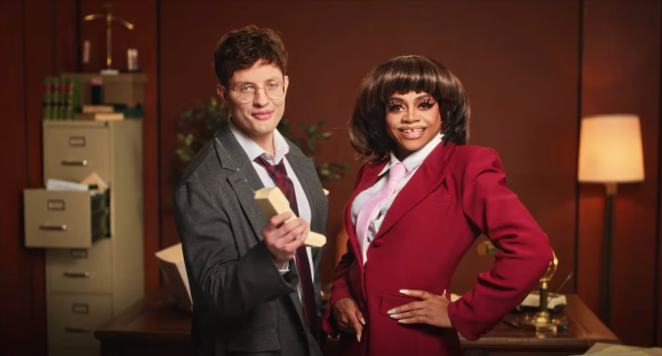
E.l.f. Cosmetics (short for Eyes.Lips.Face) has been one of the trendiest, savviest beauty brands in recent years, known for tapping into pop culture and social media buzz. But in 2025, they landed in a mess of their own making by partnering with comedian Matt Rife for a big campaign – only to discover (too late) that their chosen funny man had a very unfunny skeleton in his closet.
The campaign was a courtroom-themed spoof commercial, pairing Rife with drag queen and RuPaul’s Drag Race alum Heidi N’ Closet in a playful trial scene to promote E.l.f.’s makeup primers. It had all the makings of a viral hit – until the internet dug up Rife’s past material, including a 2023 stand-up joke making light of domestic violence, and a subsequent half-baked “apology” he had delivered that same year.
Fans and observers pointed out the stark contradiction: E.l.f. is celebrated for inclusive, empowering marketing (they’ve embraced makeup for all genders, etc.), yet here they were giving a platform to a guy who joked about hitting his girlfriend. The backlash was swift, turning what E.l.f. hoped would be a witty win into a lesson on vetting your talent.
Creative Concept & Execution
The creative concept was actually pretty clever on paper. It was titled “Makeup Court” or something to that effect – a short video ad where Heidi N’ Closet played a fabulous judge and Matt Rife was a sort of tongue-in-cheek defense attorney, “charged” with proving E.l.f.’s new primer could last all day or something along those lines.
The execution ticked many boxes: comedic tone, the popular courtroom parody format (think SNL skits), a beloved drag queen to appeal to E.l.f.’s LGBTQ+ friendly audience, and a rising-star comedian to bring mainstream appeal. The brand likely banked on Rife’s growing fame; by 2025 he had a large following from TikTok and comedy tours. They splashed this campaign all over social media and probably paid good money for it.
Where it all went wrong was the due diligence on Rife’s brand fit. Either E.l.f.’s team didn’t know about the problematic joke (bad research), or they underestimated how much it would matter (bad judgment), or – worst – they knew and thought people wouldn’t find out or care (terrible judgment). Rife’s domestic violence joke from a 2023 Netflix special had actually been public controversy before – it wasn’t secret.
So the execution failure was in not thoroughly vetting the talent’s past content against E.l.f.’s brand values. The moment E.l.f. put Rife in the spotlight, it took mere days for social media to churn out clips of his offensive joke and call out the brand.
Why It Flopped
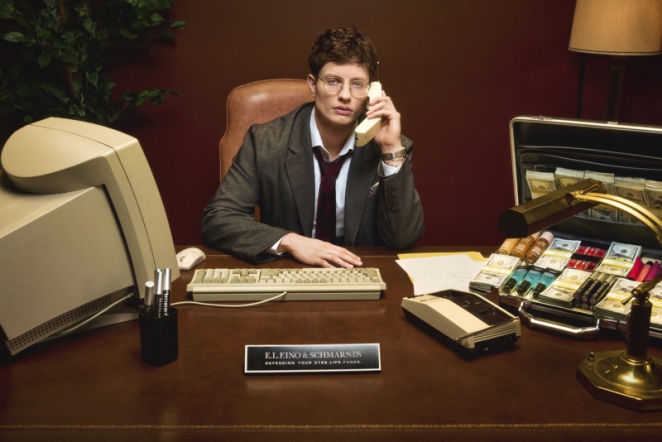
E.l.f.’s campaign flopped because it created a glaring values mismatch and fans felt betrayed. Here’s a brand that proudly sponsors things like beauty for all, has done collabs with Chipotle and “Eyes.Lips.Fierce” type messaging, jumping into bed with a comedian who had made a flippant crack about domestic abuse. The creative idea itself wasn’t the problem – by most accounts, the ad was entertaining. But context is king, and Rife’s past made him a terrible messenger for an inclusive, empowerment-driven company.
The internet was quick to point out the irony: E.l.f. featuring a drag queen (signaling support for LGBTQ+ and progressive values) alongside someone who had demonstrated a pretty backward attitude toward a serious issue affecting women (domestic violence isn’t exactly makeup humor). It was a “did no one Google this guy?” situation. What went wrong creatively was the casting – pure and simple. The brand was seduced by Rife’s current popularity and didn’t account for his incompatibility with E.l.f.’s image.
In an age where cancel culture and accountability are high, it was more than a slip; it was a predictable own-goal. As one marketing exec quipped, it was an “unforced error” by a brand knowingly stepping into controversy with someone who doesn’t align with its values. Indeed, unlike some fiascos where brands claim ignorance, in this case it was hard to believe E.l.f. hadn’t heard the rumblings about Rife – they just gambled that his fanbase would outweigh any detractors. They gambled wrong.
Public & Industry Reaction
Once the campaign dropped, the backlash was swift. Social media filled with posts saying things like, “Love you E.l.f., but why are you promoting this guy?” Users resurfaced the exact clip of Matt Rife’s domestic violence joke – wherein he essentially said if a woman can’t take a joke maybe he’d “just hit her” to give her a real reason to be upset (a cringeworthy bit in hindsight and foresight) – and that clip went viral with people tagging E.l.f. asking for answers.
The brand initially tried to stand by the campaign, but within a short time, the noise grew loud enough that E.l.f.’s CMO was doing PR damage control, admitting the team “missed the mark” on this one. In terms of industry reaction, this became a talking point in every ad agency and marketing department: a prime example of failed influencer alignment. The Business of Fashion and other outlets ran pieces analyzing how E.l.f.’s inclusive branding got undermined by a poor choice of collaborator.
Executives and consultants likely pointed to this case to stress the importance of comprehensive background checks on brand ambassadors. Even Matt Rife’s camp issued a tepid statement, but the comedian himself mostly joked about it (as comedians do), further underlining to E.l.f.’s core audience that he didn’t take the issue seriously. E.l.f. customers, especially younger women, were vocal – some threatened boycotts, others expressed just disappointment, saying they expected better from a usually savvy brand.
Interestingly, the stock or sales impact might not have been immediate, but this kind of reputational ding can have a slow burn. Rival cosmetics companies probably breathed a sigh of relief and maybe even quietly reached out to any disaffected E.l.f. customers on forums with “hey try our product!” vouchers. The drag community and LGBTQ+ fans also were in a weird spot: they love Heidi N’ Closet, but now her involvement was overshadowed. So E.l.f. managed to inadvertently drag (no pun intended) a beloved drag queen into the controversy, which was collateral damage.
Unintended Consequences & Lessons
E.l.f. quickly learned its lesson. In the aftermath, it wouldn’t be surprising if they instituted a policy of doing a “controversy background check” on any talent – going through past tweets, videos, public statements, etc., with a fine-tooth comb (something many brands already do). This incident highlighted that in 2025, with social media archival sleuths everywhere, nothing stays hidden. If your spokesperson said or did something problematic, assume it will surface – usually right after you launch your expensive campaign.
The internal lesson for E.l.f. was likely about reinforcing brand values at every decision level. If even one person in the room had raised the issue beforehand (“Isn’t Matt Rife that guy who had the DV joke controversy?”), they might have saved themselves the headache by choosing someone else or demanding a real apology and restitution from Rife as a condition (though even that might not have saved it). As Reuters reported in context, this was about a talent history clashing with brand positioning – a clear caution to not ignore red flags just because a star is trending.
For the industry at large, the tale of E.l.f. and Matt Rife is now a go-to example when talking about influencer marketing pitfalls. It underscores that “edgy” comedians aren’t always the best fit for mainstream brand campaigns, especially if the brand is not inherently edgy itself. Comedy is subjective and often pushes boundaries; what kills in a Netflix special might kill a brand’s vibe when taken out of that context.
All in all, E.l.f.’s misfire teaches a simple, almost old-fashioned lesson: know who you’re associating with. A brand’s reputation is hard-earned and easily lost by association. One minute you’re the cool, inclusive makeup brand beloved on TikTok; the next, you’re fielding angry DMs and press inquiries about why you teamed up with Mr. Off-Color Joke. E.l.f. will recover – their apology and transparency will help, and they’ll likely move on with more carefully chosen campaigns – but they’ll remember this for a long time. And so will the rest of us in the creative community, as a stark reminder that the court of public opinion is always in session, and brand choices are always on trial.
1. American Eagle’s “Great Jeans” Eugenics Echo
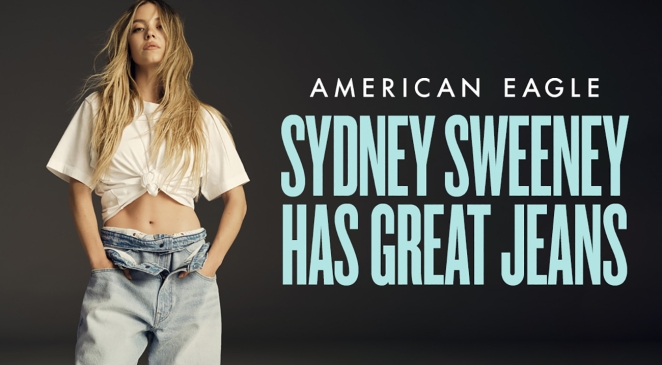
The dubious crown for 2025’s biggest campaign flop goes to American Eagle Outfitters (AEO) for its disastrously punny “Great Jeans” campaign. On paper, it sounded fun: feature rising star actress Sydney Sweeney in cheeky ads with the line “She’s got great jeans” – a play on words between denim jeans and genetic genes. In practice, the campaign detonated like a social media atom bomb.
The tagline immediately drew fire for sounding like it celebrated “good genes,” which veers uncomfortably close to eugenics and racial purity tropes. Given Sweeney is a white actress and the broader cultural context of 2025 (where representation and diversity are hot-button issues), people read into it that American Eagle was praising her genetics as superior – an interpretation made worse by the choice of wording and timing.
What was meant to be a playful nod to both her denim and DNA turned into an accusation that the brand was promoting a kind of Aryan aesthetic. The backlash was immediate, with accusations of insensitivity, even whispers of white supremacy undertones. In short, American Eagle’s attempt at being clever missed the mark by a country mile and ended up at the top of the 2025 flop list.
Creative Concept & Execution
The concept: capitalizing on Sydney Sweeney’s popularity (she’s beloved by Gen Z for her roles in Euphoria and The White Lotus) and a bit of wordplay to make a memorable campaign. The execution involved images and short videos of Sweeney looking fabulous in American Eagle jeans, accompanied by that fateful slogan “Great Jeans” splashed across the screen or caption.
The double entendre was absolutely intentional – American Eagle’s VP of marketing even recounted how they asked Sweeney “How far do you want to push it?” and Sweeney replied “Let’s push it. I’m game,” basically green-lighting the edginess. So they went for it, likely thinking it was a harmless pun that would make people smirk and say “Haha, I see what you did there.”
They failed to anticipate that different audiences would “see” very different things. Crucially, no alternative meanings or potential misreads seem to have been tested. It’s as if the creative team got tunnel vision on the jeans/genes joke and forgot to run it through the common sense filter of 2025’s social climate. The rollout was big: July 2025, all over TikTok, Instagram, in-store displays, you name it. And the reaction they drummed up was definitely not the one they expected.
Why It Flopped
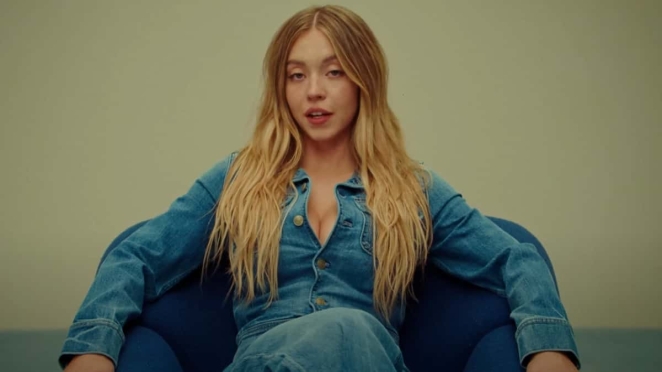
American Eagle’s campaign flopped primarily because its edgy wordplay backfired spectacularly. The phrase “great genes” in context of a white actress with a certain body type made a lot of people immediately uncomfortable. Commentators and TikTok users pointed out the not-so-distant history of eugenics – essentially the idea of “great genes” improving humanity – and how the ad, surely unintentionally, tapped into that ugly well.
Some asked, does “great jeans” imply only certain people with the right “genes” (read: thin, white, blonde like Sweeney) look good in them? It didn’t help that this launched amid, as one article noted, “broader cultural debates on representation” and even a climate of “diversity rollbacks” politically. Timing couldn’t have been worse: the U.S. Supreme Court had just struck down affirmative action in education, and discussions about race and privilege were all over the news.
So a campaign that even vaguely smelled of a master-race vibe was bound to raise hackles. The misstep here was a failure of perspective. The creative team clearly saw only the positive interpretation (“Sydney Sweeney! Denim pun! So fun!”) and did not at all register the negative reading (“blonde girl has superior genes, says clothing brand!”). It’s a classic case of skipping the sensitivity check. A quick survey of a diverse group might have caught that issue immediately. Instead, AEO learned about it the hard way, from the avalanche of public outrage after the fact.
Public & Industry Reaction
Public backlash was intense and swift. On TikTok (the very platform American Eagle hoped to win over), creators dissected the campaign’s implications in viral videos. People noted that “Great Jeans” blurred too easily into “Great Genes” and called it out as an exclusionary concept. There were jokes (“Who knew American Eagle was into eugenics now?”) and genuine criticisms (“This tagline sends a harmful message about body ideals and race”).
Some social media users, perhaps primed by the season’s political discourse, went so far as to label it white supremacist-adjacent. The fact that even former President Donald Trump weighed in, praising the ad as the ‘HOTTEST’ and saying ‘Being WOKE is for losers’ shows how politicized the conversation got – he effectively endorsed the ad because it riled up “woke” critics. That is not the kind of endorsement most brands want. On the industry side, this campaign became the cautionary tale of the year.
Marketing classes and LinkedIn think-pieces dissected how something as seemingly trivial as a pun can turn into a brand crisis if not carefully vetted. Retail analysts noted that, while the controversy gave AEO a lot of buzz (some even noted a temporary stock surge due to all the chatter), it failed to boost actual sales – American Eagle’s market share remained flat in the aftermath. That indicates that the eyeballs they got weren’t translating into eager shoppers; many were probably just hate-watching the campaign play out.
Inside American Eagle, higher-ups initially stood by it – one exec bragged on LinkedIn about pushing boundaries with Sweeney – but as the noise grew, there must have been some regret. Eventually, they dialed back the tagline’s prominence and focused on other aspects of the campaign. The CMO, in press follow-ups, basically admitted the team “missed the mark,” which in corporate-speak is as close to an apology as you get.
Unintended Consequences & Lessons
One unintended result was American Eagle becoming a case study in potentially AI-amplified outrage. A research firm (Cyabra) found evidence that some of the TikTok backlash was fueled by fake profiles, suggesting maybe some astroturfing of the controversy. This raised an interesting question: Was the outrage entirely organic or partially orchestrated? If the latter, brands now have to fear not just genuine mistakes but possibly targeted amplification of their missteps.
Either way, the lesson remains: don’t hand people a loaded gun. If American Eagle hadn’t given critics (real or bot) such a juicy target, there’d be nothing to amplify. The brand likely learned to triple-test their creative ideas through multiple lenses. They might also involve cultural consultants in future campaigns, especially if trying to be witty or edgy.
A little focus group across different demographics could have told them in five minutes that “Great Jeans” was dangerously ambiguous. Going forward, you can bet their marketing teams will ask, “How could this be misinterpreted or backfire?” for each slogan – a simple question that can save millions in PR damage.
For the rest of us, the American Eagle debacle underscores a few key takeaways. First, context is everything. A joke that might have flown in 2015 can sink you in 2025 if the social context has shifted. Staying attuned to societal currents isn’t “being paranoid” – it’s being prepared. Second, representation in brainstorming matters. If you only have like-minded folks in the room, you get groupthink and miss obvious issues.
Diversity isn’t just a nice-to-have; it can stop you from accidentally implying eugenics in your ad campaign. Third, if you do screw up, how you react matters. American Eagle’s initial doubling down (even somewhat gloating about pushing it) didn’t help; a quicker acknowledgment (“We see how this tagline could be problematic, that wasn’t our intent and we’re adjusting”) might have softened the backlash. Instead, they let it ride, and a federal politician (Trump) even jumped in the fray, elevating it further.
American Eagle’s “Great Jeans” campaign will live on infamously in marketing lore. It’s a story of how a seemingly small creative decision – two words meant to be a pun – can cascade into a full-blown PR crisis if those words touch a cultural nerve. The irreverent tone they aimed for got drowned by the analytical dissection of audiences who found it more irredeemable than irreverent.
It serves as a dramatic capstone to 2025’s flops, hammering home that cleverness must never outpace common sense. In advertising, you want people talking about your campaign – but not like this, and not at this cost.
Teachable Moments
MullenLowe London
From airlines breaking promises to fashion brands breaking trust, 2025 showed that even the savviest marketers and biggest agencies can spectacularly misread the room. These are the marketing mistakes brands make when they take their eyes off the ball.
The common threads in these flops are painfully clear. Overreliance on edginess or tech gimmicks without a “gut check” leads to public rejection (looking at you, Meta and American Eagle). Ignoring cultural nuances or historical baggage turns creative shortcuts into long roads to apology (Coke’s slang snafu and Swatch’s ignorance of racist imagery).
Failing to align brand values with execution – whether it’s talent choices (E.l.f.’s comedian calamity) or messaging (Unilever’s greenwashing) – breeds cynicism and backlash. And of course, not listening to your own legacy (Southwest’s broken vow) or your audience’s basic expectations (Sanex’s representation blunder) is like lighting the fuse on your brand equity.
The good news? Each of these fiascos is a teachable moment. They remind us that marketing isn’t created in a vacuum – it lives in the real world, where people have memories, opinions, and increasingly, the platforms to voice them at high volume. In this hyper-connected era, empathy and foresight are as important as creativity. The best campaigns may surprise and delight, but never at the cost of dignity or trust.
For the creative industry, these flops are a challenge to do better. Test the joke before you tell it. Stress-test the tech before you launch it. Consider the optics before you publish. In short, be witty but also be wise.
The line between a bold idea and a bad idea is often just a little more thought and a few more perspectives away. Let’s learn from these missteps so that next year, we’re celebrating the campaigns that nailed it and not roasting those that crashed and burned.


Philip Cliffe December 22nd, 2025, in the small hours
What about Jaguar ?