

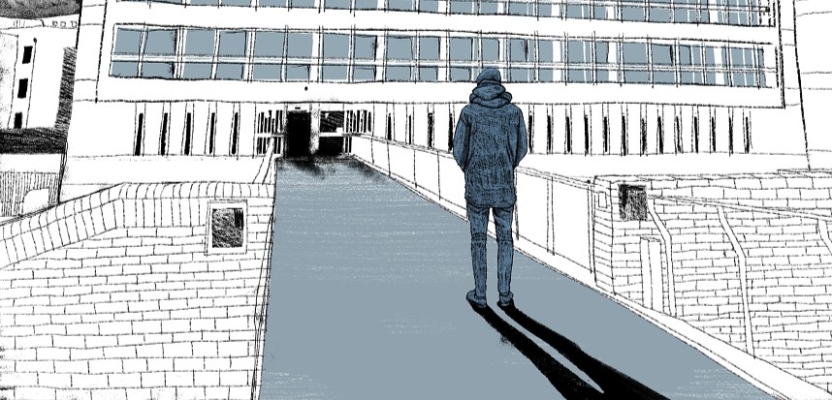

The freelance lifestyle has long been synonymous with freedom – the freedom to choose your clients, set your hours, and work wherever and whenever you want. It’s why I’ve been a happy freelancer for more than a decade now and it’s why so many jobs are shifting into the freelance space.
With roughly 32% of all creative jobs now self-employed in the UK (more than half the national average) it’s clear that we’re a breed that work better with fewer constraints and so, for many creatives, it’s the ultimate dream, offering flexibility and autonomy that traditional office jobs can rarely match.
32% of all creative jobs are now self-employed in the UK
Alongside this freedom, however, comes a less glamorous reality: isolation, uncertainty, and a unique set of mental health challenges pushing back against the lie-ins and the Nespresso breaks.
As freelancing continues to grow in popularity, understanding its impact on mental health is becoming increasingly important. In this article, I’ll explore both sides of the freelancing coin—the joys of freedom and the hidden burdens that can accompany it.
As somebody that’s been working freelance for more than half his working life, I’ll also be offering up some practical tips I’ve picked up along the way on maintaining mental health and making the most of all that flexibility.
Freedom: The Dream that Fuels Freelancing
Yes, the lack of the commute is a godsend and there’s the inherent thrill of the “new” because you’re not clocking into the same gig every day but at the heart of the freelance appeal is simply the promise of freedom.

Anton Seleznov
The ability to design your work life in a way that aligns with your personal goals and lifestyle is an incredibly powerful incentive. Freelancers can choose projects that align with their passions and ideals, set their own schedules, and escape the suffocatingly hierarchical structure of traditional corporate environments.
Creative Control
Freelancers get to choose the projects they work on, allowing them to steer their career in the direction they want. If you’re a freelance designer, illustrator, writer, or photographer, this control means more opportunities to work on projects that resonate with your artistic vision. There’s no need to compromise on the type of work you want to do, as you might in a traditional role. For many creatives, this sense of ownership over their craft is invaluable.
Flexible Hours
Want to work late at night? Or maybe take a break during the day to go to a yoga class? Freelancing provides the flexibility to structure your day as you see fit. This kind of autonomy is a major draw for people looking to balance work with family, personal projects, or other life commitments.
Location Independence
Many freelancers enjoy the luxury of being able to work from anywhere. Whether it’s a coffee shop, co-working space, or the comfort of your own home, location independence gives creatives the ability to avoid commutes and the conventional office environment. For digital nomads, the freelance lifestyle offers the chance to travel the world while maintaining a steady income. For example, you could rent an RV in Orlando and explore the scenic routes of Florida while catching up on your projects!
Variety and Stimulation
Working on different projects with different clients keeps things fresh. Freelancers often thrive on variety, tackling a range of creative challenges that keep their skills sharp and their minds engaged. The constant shift in tasks can help fend off boredom and prevent the creative stagnation that sometimes occurs in full-time jobs.
The Hidden Burden: Isolation and Mental Health Challenges
For all the freedoms freelancing provides, however, there is a hidden cost – one I didn’t even start experiencing fully until the initial buzz wore off. Unlike traditional office jobs where there’s a built-in support system, freelancers often work alone.

Smaranda Lula
The creative freedom and flexible schedule that make freelancing appealing can also lead to isolation, burnout, and anxiety.
Loneliness and Isolation
Without coworkers to chat with or the social dynamics of an office environment, many freelancers spend long hours working alone. While this solitude can be conducive to creativity, it can also lead to feelings of isolation over time.
Research has shown that social isolation can negatively impact mental health, leading to symptoms of depression and anxiety. For freelancers who rely heavily on solitary work, finding ways to combat loneliness is crucial for their well-being.
Uncertainty and Financial Instability
Freelancers don’t have the security of a steady pay, benefits, or paid time off. While some months may bring in more income than expected, others can be incredibly tight. This feast-or-famine cycle can lead to significant stress and constant worry.
Financial uncertainty can contribute to anxiety, making it difficult for freelancers to fully relax even during periods of success. The constant pressure to secure new clients or meet tight deadlines can quickly become overwhelming. Many freelancers (myself included) will talk about “peaks and troughs” when it comes to their workload and this imbalance is almost antithetical to any kind of lasting financial stability.
Blurring of Work-Life Boundaries
For freelancers, the line between work and personal life often becomes blurred. With the freedom to work from home or outside traditional business hours, it’s easy to find yourself working late into the night or checking emails on weekends. Over time, this can lead to burnout, as there’s no clear separation between work and rest, a situation made even worse by our constant attachments to our smartphones.
For freelancers the work/life line often becomes blurred
Unlike traditional office workers who leave their work behind at the end of the day, freelancers may struggle to “switch off,” which can affect their ability to recharge and enjoy personal time.
Pressure to Always Be “On”
In the competitive world of freelancing, there’s often an unspoken pressure to always be available. Freelancers may feel compelled to accept every job that comes their way, fearing that turning down a project could lead to lost opportunities or a reputation for being unreliable.
This pressure can lead to overwork and, eventually, burnout. The constant hustle of finding clients, meeting deadlines, and delivering high-quality work can take a serious toll on a freelancer’s mental health. Unlike salaried employees who can rely on a steady stream of work, freelancers are always working to secure their next gig, which can be exhausting.
Finding Balance: Practical Tips for Maintaining Mental Health
Freelancing doesn’t have to be a choice between freedom and well-being.

Bathsheba Acres
By implementing strategies to manage the unique challenges of freelancing, creatives can protect their mental health while continuing to enjoy the benefits of an independent career.
Establish a Routine
One of the best ways to combat the blurring of work-life boundaries is to establish a routine. Set designated work hours, even if they vary day to day, and stick to them. Having a consistent schedule can help you stay productive while also making time for personal activities and self-care.
Create a Dedicated Workspace
If you’re working from home, create a dedicated workspace that’s separate from your living space. This separation can help signal the beginning and end of the workday, making it easier to mentally “switch off” when it’s time to relax.
Prioritize Social Interaction
To combat loneliness, make an effort to build social interaction into your routine. This could mean working from a co-working space, scheduling regular check-ins with friends or colleagues, or joining a freelance community online. Networking events, workshops, and collaborative projects are also great ways to connect with others in your field.
Set Boundaries with Clients
It’s easy to fall into the trap of always being available for your clients, but setting boundaries is essential for your well-being. Be clear about your working hours and availability, and don’t be afraid to say no to projects that aren’t the right fit. Protecting your time will help prevent burnout in the long run.
Practice Self-Care
Freelancers need to prioritize self-care just as much as anyone else. Make time for exercise, relaxation, hobbies, and anything else that helps you unwind. Taking care of your physical and mental health will ultimately make you a more effective and creative worker.
Seek Professional Support
If you’re struggling with anxiety, depression, or other mental health challenges, don’t hesitate to seek professional help. Therapy, counselling, or mental health coaching can provide valuable support. Even hiring a travel occupational therapist to visit you at home can help you develop coping strategies tailored to your freelance lifestyle.
Final Thoughts
Ultimately, freelancing doesn’t have to be an all-or-nothing proposition. With the right mindset, it’s possible to enjoy creative freedom without spiralling into anxiety. Half the battle is honestly being aware and open to the fact that it’s not always going to be easy and there are always going to be “good and bad days.”
If you can't handle bad months, maybe it’s not the lifestyle for you
I’ll be honest here; I’ve had bad months and even bad years. If that’s something you’re going to be able to handle, maybe it’s not the lifestyle for you. It is, however, something I implore all creatives to try at least once. Because, if the shoe fits, you’ll probably struggle to wear anything else comfortably again.
GM Design Build January 21st, 2025, in the evening
A good succinct overview, Benjamin, well written and good advice to any prospective or established Freelancer.Certainly resonates with me, I know the scene all to well. And agreed, tricky to find anything else fitting comfortably, thereafter....