



Hard as it might be to wrap our heads around it, the pandemic is now 4 years behind us. The ripple of the pandemic, however, is only just starting to break.
Remote and hybrid working models, which were seen as something of an enigma in the “days before” are now increasingly becoming the norm. For many of us (me included), it’s an overwhelmingly positive thing. Speaking personally, as somebody that’s been remote working for the best part of a decade now, the stigma has finally been removed from the idea of working from home (Indeed, it’s been months now since anyone even mentioned that Mitchell and Webb sketch to me).
That being said, one undeniable drawback of working from home is the lack of human contact. People need people, and sometimes a Zoom call isn’t quite enough. For creatives, who have spent most of their working lives bouncing ideas off each other, it can lead to significant mental health challenges.
In this article, I’ll be exploring the future of remote work in the creative industries, its impact on mental health, and the strategies agencies and freelancers alike are using to create a sustainable working environment.
The Shift to Hybrid and Remote Work in Creative Industries
The pandemic effectively made what was once a niche option the default for many creative businesses. A recent survey highlighted in Prolific North found that 71% of creative professionals now prefer hybrid working models, and only 13% want to return to the office full-time. This shift represents a significant change in the structure of work, particularly in industries like advertising, marketing, design, and media, where in-person collaboration was previously considered essential.
71% of creative professionals now prefer hybrid working models
However, the flexibility afforded by remote work comes with its own challenges. For many employees, the blurring of boundaries between work and personal life can lead to burnout. According to a 2023 study by Mental Health America, 76% of remote workers reported feeling isolated at least some of the time. In the creative sector, where ideas often flourish in collaborative environments, this isolation can be detrimental not just to productivity, but also to mental health.
The Impact of Remote Work on Mental Health
While the creative industry thrives on innovation and flexibility, the shift to remote work has sparked debates about its long-term effects on mental health. For many, working from home has brought new stressors—ranging from a lack of routine to increased feelings of isolation. Without the daily interactions of office life, many remote workers have struggled with the absence of community and camaraderie that used to be the cornerstone of their work experience.
A 2023 survey of UK workers conducted by the mental health charity Mind found that 57% of employees reported higher levels of stress and anxiety since the shift to remote work. The demands of being "always on," compounded by virtual meetings and a lack of clear boundaries between work and home life, are significant contributors to this stress.
57% of employees reported higher levels of stress and anxiety since the shift to remote work
For creative professionals, the pressure to be constantly available can stifle the flow of ideas, especially when they are working in isolation. Studies suggest that creativity often thrives in environments where ideas can be easily shared and discussed, making remote work a potential barrier to inspiration.
Fostering Connection and Well-Being: The Traditional Approach
Many creative agencies are responding to these mental health challenges by adopting strategies that foster connection and well-being among their remote staff. Virtual social events, mental health days, and access to wellness resources have become more common across the industry. Agencies are also experimenting with new tools and workflows to encourage collaboration, despite the physical distance between teams.
To address these challenges, particularly in the context of mental health, implementing video call for mental health support can be highly beneficial. These sessions provide a space for creative professionals to discuss their concerns and receive support in real-time, maintaining a sense of connection despite physical distances. This blend of technology and tailored support can help mitigate the feelings of isolation and burnout among remote workers.
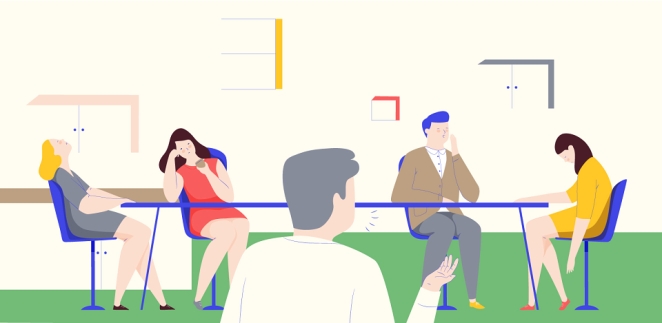
To address the issue of isolation, some companies are increasing their use of communication platforms like Slack, Zoom, and Microsoft Teams, along with attendance tracking, creating virtual spaces where employees can engage with one another informally. Others are implementing mental health initiatives, offering professional counselling services, and promoting a culture of openness when it comes to discussing mental health challenges.
Agencies are also embracing hybrid models, which offer employees the best of both worlds—allowing them to work remotely while still coming together in person for meetings, creative brainstorming sessions, or team-building activities. This balance helps maintain a sense of community, which is crucial for both productivity and mental well-being.
IMP’s Contrarian View: Emphasizing Autonomy Over Constant Connectivity
While many agencies focus on fostering workplace camaraderie to support remote employees, IMP, a creative agency founded in 2015, takes a different approach. According to Andy Johnson, Creative Director at IMP, the agency has embraced a fully remote model from the start, prioritizing autonomy and flexibility over rigid office hours or constant presence.
"We believe that mental health is best supported by empowering employees to build their personal community connections outside of the workplace," Johnson explains. "Our communication tools, such as Slack and Zoom, are there to maintain a strong professional community, but we trust our team to balance their personal and work lives in a way that sustains their well-being."
Mental health is best supported by empowering employees to build their personal community connections outside of the workplace
For IMP, the key to supporting mental health isn’t creating a digital version of the office, but rather encouraging employees to find fulfillment through their personal relationships and communities outside of work. Johnson argues that this autonomy is more sustainable for long-term well-being than relying solely on workplace camaraderie.
This approach, while contrarian, highlights an important consideration in the remote work debate: different teams and individuals may require different support systems to thrive. What works for one agency or one employee might not work for another, and the future of remote work will likely include a mix of these strategies.
Balancing Flexibility with Mental Health Support
The future of remote work in the creative industries will likely hinge on finding a balance between flexibility and support. Creative professionals, like many others, crave autonomy in their work, but they also need a sense of connection and community to thrive. The statistics seem to suggest that while the demand for remote and hybrid work remains strong, agencies must be mindful of the mental health risks that can accompany this new way of working.
To navigate this new terrain, agencies need to develop tailored strategies that address both the professional and personal needs of their employees. Whether this means adopting IMP’s model of flexibility and autonomy or creating a hybrid environment with intentional opportunities for connection, the most successful agencies will be those that prioritize mental health and well-being as much as they prioritize creative output.
Final Thoughts
As the creative industries continue to adapt to the realities of remote and hybrid work, the conversation around mental health will remain critical. While tools and technology make it easier to stay connected professionally, agencies will need to explore deeper ways of fostering human connection, reducing isolation, and supporting their teams’ mental health.
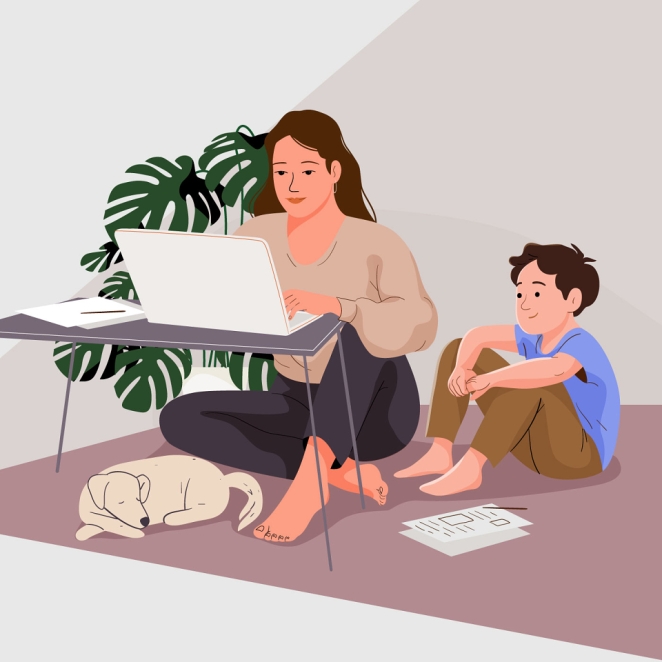
With approaches like IMP’s, which prioritize personal autonomy, alongside more traditional models focused on virtual camaraderie, the future of remote work offers the potential for greater flexibility and innovation—if it’s done with mindfulness and care.
The creative sector, with its emphasis on pushing boundaries and reinventing norms, is in a unique position to lead the charge in designing work environments that support both creativity and well-being. The future of remote work will be shaped not just by where we work, but by how we take care of ourselves and each other while we do it.