

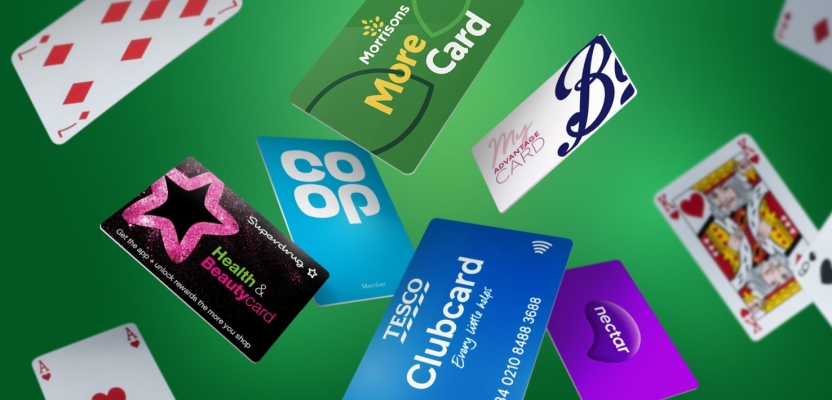

Loyalty programs are as prevalent as ever. Indeed, the average consumer is enrolled in nearly 18 different schemes. However, their expectations have evolved dramatically.
In 2025, customers are no longer impressed by generic points and discounts alone; loyalty now hinges on personalized experiences and emotional connections. More than half of consumers say they only shop with brands that align with their personal values, and programs that cannot achieve true personalization risk becoming “second tier”. In this context, brands must rethink loyalty schemes not just as point-collecting gimmicks, but as an extension of the overall brand experience.
That shift also demands a harder look at technology .The best loyalty program software platforms now support real-time personalization, gamification mechanics, and omnichannel member tracking out of the box.
To explore why loyalty schemes remain an important tool – and how they can be executed meaningfully – I turned to a panel of experts in a roundtable-style discussion. Al Mackie (Chief Creative Officer, RAPP UK), Harry Wright (Strategy Director, Imagination), and Gonzalo Brujo (Global CEO, Interbrand) each share their insights on building loyalty in 2025.
Their perspectives, presented below, reveal a common theme: successful loyalty programs go far beyond transactional rewards to create genuine, lasting connections with customers.
Al Mackie, Chief Creative Officer at RAPP UK
Al Mackie argues that many brands have been following a “tired rule-book” for loyalty – one that equates sign-ups with loyalty and discounts with love. He notes that consumers are bombarded with discount pop-ups pressuring them to join programs just to get fair prices, which is hardly a healthy start to a relationship. Instead, Mackie advocates for using data and creativity to move beyond transactions and craft millions of little moments that matter. In his words:
Al Mackie: “In the current rush for data I can understand why brands are attracted to the idea of loyalty schemes. But many are following the same tired rule-book — one that mistakes sign-ups for loyalty and discounts for love. You can barely move from website to website without grappling with endless discount popups in exchange for your valuable details, and in fact Which? found that 34% of consumers feel pressured into loyalty schemes just to get a fair price. That is not a healthy way to start a long lasting, mutually beneficial relationship.
Instead, the successful loyalty programs will be those that move beyond the transactional to create moments of genuine connection. They'll use data not just to track purchases, but to understand and enhance the customer experience in meaningful ways. The winners will be the brands that stop thinking about points and start thinking about people – meeting them in millions of little moments that matter, each one crafted with creativity and purpose. And undoubtedly personalisation is key.
For retailers this might look like personalised private shopping evenings or exclusive line drops based on preferences. For supermarkets this could look like tailored recipe ideas or restaurant partnership offers. And for airlines this could look like virtual travel agents that help you make the most of better availability and pricing.”
Mackie’s perspective underlines a critical shift: loyalty is no longer earned by “points for purchases” alone, but by personalized moments of value. His examples paint a picture of loyalty initiatives that feel less like marketing and more like bespoke services – from invite-only shopping events to travel perks that “meet [customers] in the little moments that matter.” This human-centric approach transforms loyalty programs into something that customers want to join, rather than feel pressured into. It’s a call for brands to stop obsessing over sign-up metrics and start designing loyalty experiences that genuinely enrich the customer’s life.
Harry Wright, Strategy Director at Imagination

Harry Wright takes the idea of meaningful loyalty a step further into the realm of experiences. He suggests that while one-off rewards or events can boost short-term engagement, truly effective loyalty is built by tapping into customers’ passions and aspirations. By giving people access to experiences they can’t get elsewhere – and even helping them achieve personal goals – brands demonstrate they “give a s**t” about their customers, fostering loyalty that lasts. Wright emphasizes that authenticity is key: brands must do their homework and meet audiences on their own turf to create experiences that resonate. Here’s how he puts it:
Harry Wright: “While experiences and events are a great way to reward and incentivise consumers for their brand loyalty in the short term, this is only half the story. Experiences provide brands with an opportunity to nurture long-lasting brand loyalty by demonstrating that they truly understand their customers’ passions, pain points and aspirations in ways that are both emotive and memorable.
There are a couple of ways brands can do this. The first is to provide consumers with exclusive access to hyper-relevant talent, destinations and experiences that they wouldn’t be able to get from any other brand. In doing so, you’re proving you understand their lifestyles and wider interests while also creating an unmissable and repeatable platform that your customers will want to come back to time and time again.
The second is to create transformative experiences that enable attendees to get closer to achieving their goals and ambitions. By creating experiences that provide consumers with the tools, guidance and advice they need to get closer to their goals, you’ll automatically incentivise repeat attendance and loyalty because they’ll want to keep growing and keep coming back to get an even bigger return on their investment of time and wallet.
However, in order to execute either of these approaches effectively, as a brand, you have to do the due diligence of getting out from behind the desk and going out into the world to meet your target audiences where they are already. In doing so, you’ll not only ensure that your experiences are authentic, but you’ll build brand loyalty by demonstrating that you actually give a s**t.”
Wright’s insight highlights loyalty programs as platforms for exclusive and transformative experiences. Whether it’s a members-only event featuring a beloved artist or a workshop that helps customers improve a skill, these initiatives serve a dual purpose: rewarding customers and reinforcing the brand’s relevance in their lives. In a world where consumers juggle dozens of loyalty memberships, such memorable experiences can set a brand’s program apart from the rest. But as Wright cautions, authenticity is non-negotiable – brands need to actively engage with their communities to understand what really resonates. Done right, these experiences become “unmissable and repeatable” events that keep customers coming back, not merely for points, but for personal enrichment.
Gonzalo Brujo, Global CEO at Interbrand

Gonzalo Brujo frames loyalty schemes as an integral part of the brand experience rather than just a marketing tactic. He notes that in today’s saturated market, simply offering points or miles isn’t enough – brands must inspire desire, aspiration, and emotional loyalty. By making customers feel “seen, valued and part of something bigger,” loyalty programs can drive true differentiation and engagement. Brujo shares the example of Global Hotel Alliance’s revamped program to illustrate how breaking free from the old model can pay off. In his words:
Gonzalo Brujo: “Loyalty programs should be thought of as an extension of the brand experience, not just a pricing lever. If implemented correctly, they can become a powerful asset that drives differentiation and customer engagement. But in today’s saturated market, ‘points for purchases’ are no longer enough on their own. To lead the way through a differentiated offering, brands should go beyond simply the transactional element of rewards and pursue desire, aspiration and emotional loyalty. Combining these elements enables customers to feel seen, valued and part of something bigger.
Global Hotel Alliance (GHA) broke free from the traditional hotel loyalty programme of miles and points after finding that these often confuse customers and offer zero benefit most of the year, when they’re not travelling. To create an offering that would benefit customers, it introduced a new iteration of its loyalty programme GHA Discovery, which now engages with members 365 days a year with exclusive privileges when they’re home, or special rates when they’re planning a trip away – a clear, fair and transparent offering which has become a key part of its brand.”
Brujo’s perspective reinforces the idea that loyalty schemes, when done right, are far more than promotional tools – they are brand builders. His example of GHA Discovery shows a loyalty program reimagined to stay relevant year-round: offering value 365 days a year both at home and away. By focusing on transparency and continuous engagement, GHA shifted loyalty from a sometimes confusing points system to a living, breathing part of its brand experience. This approach fulfills the higher-level needs Brujo mentions – making customers feel part of a community and inspiring them with aspirational benefits. It’s a blueprint for how brands in any industry can rethink loyalty to deliver ongoing, emotionally rich engagement rather than occasional discounts.
Loyalty as a Creative Connection
The consensus among our experts is clear: loyalty schemes remain a crucial tool for brands in 2025 if they evolve beyond their old, transactional playbook. In fact, industry data backs this up – loyalty program participation has been rising (up 28% in 2024) as consumers flock to programs that offer meaningful rewards, and a well-structured loyalty program can drive repeat purchases in 83% of consumers. But with consumers increasingly discerning about where they invest their loyalty, brands must work harder (and smarter) to earn it.
What does “working smarter” look like? It looks like using data not just to push promotions, but to personalize experiences at every turn – exactly as Al Mackie suggests with “millions of little moments that matter.” It means treating loyalty members as insiders who get exclusive access to events, content or services that enrich their lives, echoing Harry Wright’s advice to tap into passions and goals. And it requires positioning the loyalty program as part of the brand’s identity and values, fulfilling the emotional needs that Gonzalo Brujo describes, so customers feel proud and excited to be part of it.
Ultimately, loyalty schemes in 2025 are a canvas for creativity. They challenge brands to go beyond “sign-ups and discounts” and craft engagements that surprise and delight. For creative industry leaders and freelancers alike, this is an opportunity to flex those creative muscles – designing loyalty initiatives that are as innovative and inspiring as any ad campaign or product launch. When a loyalty program makes customers feel truly understood and valued, it stops being a scheme and becomes a genuine relationship. And as long as brands nurture those relationships with authenticity and imagination, loyalty programs will continue to be an indispensable tool for driving customer love and business growth well into the future.