

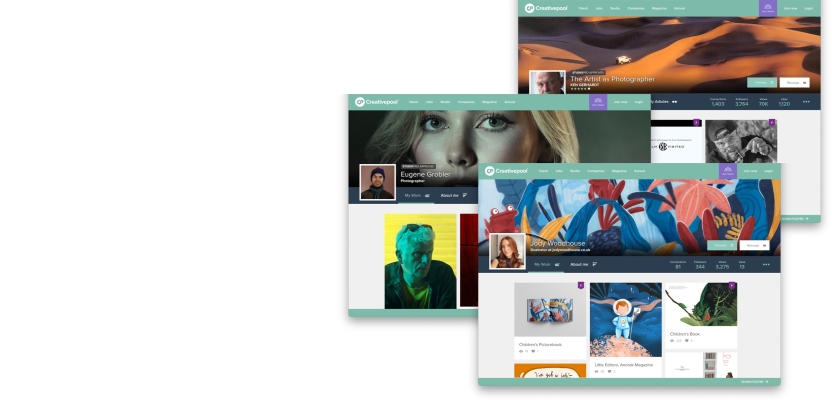

In the creative industries, your portfolio is your passport. But scroll through any job listing (or sit down with a recruiter) and you’ll still be asked for a CV. So, how important is each, and where should freelancers be focusing their energy in 2025?
The Portfolio: Your True Calling Card
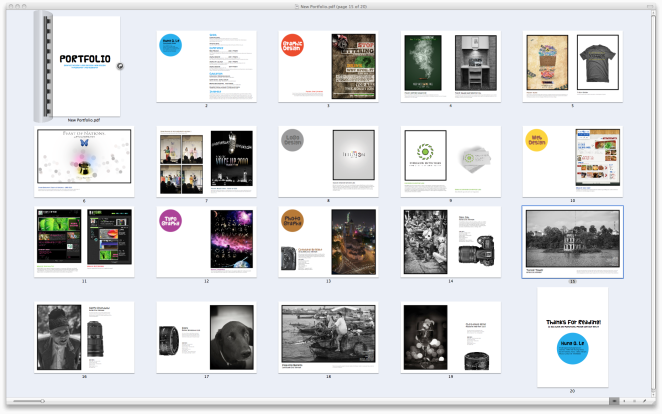
If there’s one universal truth in creative hiring, it’s this: your work speaks louder than words on a page. As many of our Creativepool members have pointed out, clients and agencies don’t hire portfolios full of clever bullet points; they hire proof of craft.
- Evidence over promises. Your portfolio shows not just what you can do, but how you think. Employers want to see the process: the brief, your role, the challenges, and the results.
- Format flexibility. Portfolios today aren’t static PDFs. Creativepool itself functions as a dynamic showcase complete with motion reels, interactive case studies, and campaign breakdowns. This flexibility is why many members treat their Creativepool profile as their “living CV.”
- Immediate credibility. A polished portfolio can bypass scepticism. As one design director told the magazine: “I don’t care how you describe yourself. If I see the work and it resonates, you’re in the room.”
The CV: Still the First Filter
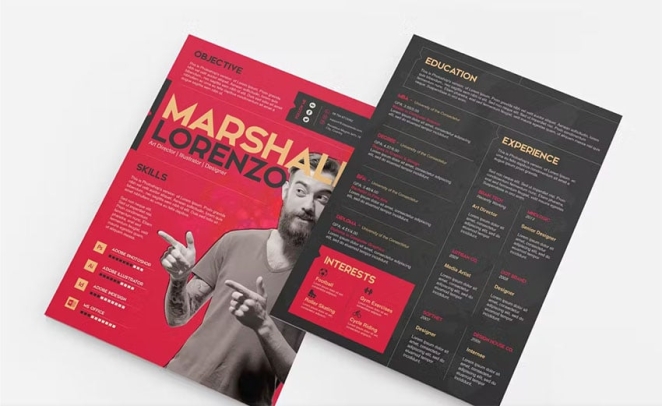
That said, dismissing the CV entirely would be a mistake. While portfolios spark interest, CVs provide context.
- The gatekeeper effect. Particularly with larger agencies and brands, HR teams and recruiters often use CVs as the first filter before work is ever reviewed.
- Structure and story. Your CV frames your portfolio, showing the arc of your career such as the clients you’ve worked with, roles you’ve held, industries you’ve touched. This can be especially persuasive if you’ve collaborated with high-profile brands or agencies.
- Keywords and compliance. Increasingly, CVs are scanned by applicant tracking systems (ATS). Having a CV that mirrors the language of a job description can ensure you’re not ruled out before your portfolio gets a look.
For Freelancers: Balance Is Key
Freelancers often live and die by their portfolios. A strong Creativepool page or personal site is usually enough to win smaller projects. But for longer contracts or retainer roles, the CV can tip the balance.
When the portfolio wins:
- Pitching for visual-heavy roles (design, motion, illustration, VFX).
- Approaching clients directly, without intermediaries.
- Responding to calls where turnaround is fast and results matter more than pedigree.
When the CV still matters:
- Applying via recruiters or formal portals.
- Seeking senior creative or strategic roles where leadership experience needs to be spelled out.
- Crossing into new industries where employers want reassurance of transferable skills.
Building a Hybrid Approach
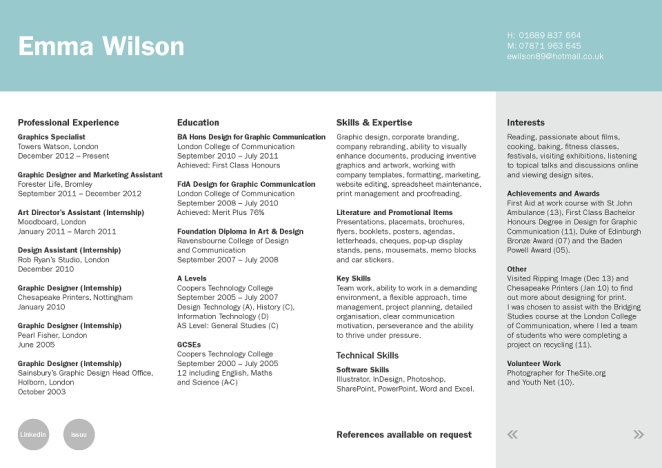
Smart freelancers in 2025 are blurring the line between CV and portfolio:
- Portfolio-driven CVs. Short, one-page CVs with embedded links or QR codes to fuller Creativepool profiles.
- Narrative portfolios. Case studies that read like mini-CVs, weaving in not just visuals but role, team size, budgets, and measurable outcomes.
- Social proof. Testimonials from clients, agency credits, and award recognition act as CV line-items inside the portfolio itself.
Voices from the Creativepool Community
Many members echo the idea that the portfolio wins the first impression, but the CV sustains the conversation. One Creativepool member put it succinctly: “The CV gets you into the inbox. The portfolio gets you the job.”
Another freelancer added: “I treat my CV like scaffolding, it holds my story together. But my portfolio is the building people come to see.”
Final Thought
So, portfolio vs. CV: which matters most? For freelancers, it’s not an either/or. The portfolio is your showpiece, the living proof of your creativity. But the CV is your translator, providing context and credibility that helps decision-makers understand where you fit.
In the end, think of them as a duo: the CV opens the door, but the portfolio is what convinces clients to invite you in.