



"Pitching is like running a marathon every week—except you're never sure if there's a finish line"
In the fast-paced world of creative agencies, the pitch process is a high-stakes game. Teams often devote countless hours to preparing pitches, competing fiercely for client approval. While pitching has long been a core part of agency culture, the increasing frequency and intensity of these competitions have sparked concerns about the mental health of those involved. A recent study by MediaSense found that over half of agency staffers feel their mental health is negatively impacted by constant pitching.
The Impact of Constant Pitching
Pitching requires agencies to display their best work under immense pressure. Tight deadlines, overnight work sessions, and demanding briefs are the norm. While the competitive nature of the creative industry has always been challenging, the demands of modern pitching—like 24-hour planning briefs and inadequate transparency from clients—have exacerbated the stress.

"We had 50 people working over the weekend to respond to a 24-hour brief... most wouldn’t even work on the account if we won it," one respondent from the MediaSense study lamented. This scenario highlights the disconnect between the effort required to win a pitch and the actual long-term impact on team members.
Frequent pitch cycles lead to fatigue, both mental and physical. Creative professionals face burnout when their passion-driven work becomes an exhausting race to meet impossible client demands. Ryan Kangisser of MediaSense notes that while pitching remains essential, there is a growing need for reform—one that makes the process more sustainable for the people involved.
The Mental Health Toll: Signs and Symptoms
The relentless pace of pitching can lead to a range of mental health challenges. For many agency professionals, it isn't just the frequency of pitches, but the emotional investment required. A failed pitch can feel like a personal failure, adding to the stress and pressure. Some key mental health symptoms resulting from constant pitching include:
- Chronic Stress: Continuous tight deadlines and the fear of failure can lead to overwhelming stress, affecting both mental clarity and decision-making.
- Physical Exhaustion: Late nights, weekend work, and constant preparation take a toll on physical health, often resulting in fatigue, insomnia, and burnout.
- Emotional Detachment: After repeated unsuccessful pitches, creatives may become emotionally detached from their work, seeing it as a job rather than a passion.
- Anxiety and Depression: The high stakes associated with winning or losing pitches can lead to severe anxiety or depression, particularly when job security feels threatened.
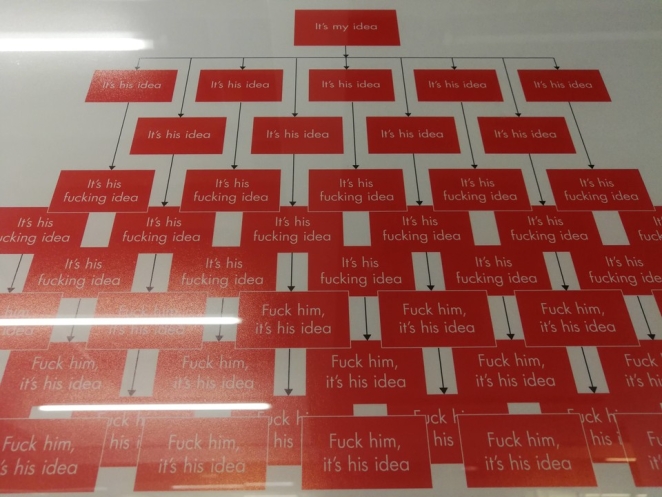
Strategies for Managing the Stress of Pitching
While the nature of the creative industry requires agencies to participate in pitches, there are strategies to better manage the emotional and mental toll.
- Set Boundaries on Pitching Workload: Agencies should limit the number of pitches they take on simultaneously. Deciding which pitches are worth pursuing based on alignment with agency goals and available resources can help prevent overburdening staff.
- Create Realistic Timeframes: The unrealistic 24-hour turnaround times currently common in the industry should be reconsidered. Agencies and clients alike should push for more transparent, achievable deadlines that allow for thoughtful, quality work without compromising well-being.
- Prioritize Mental Health Resources: Encouraging access to mental health support—whether through counselling services or peer support groups—should be normalized in the creative industry. The Pitch Positive Pledge, a collective effort aimed at improving the pitch process for both agencies and clients, emphasizes the importance of mental well-being.
- Foster a Supportive Agency Culture: Encouraging open communication about mental health within agencies can reduce the stigma around discussing stress or burnout. Leaders can foster a supportive work environment by acknowledging the emotional toll of pitching and offering flexible working arrangements.
- Streamline the Process: Simplifying the pitch process itself can go a long way in reducing stress. Clients should be more transparent about their selection criteria, and agencies should focus on aligning their pitches with the client’s true needs rather than trying to outdo competitors on every front.
Adding "Up Pitching" to the Equation
"Up pitching" refers to agencies and brands working collaboratively to reduce the inefficiencies of traditional pitching by streamlining the process and fostering deeper partnerships from the outset. As industry leaders like Julian Douglas of VCCP highlight, too many pitches are now unnecessary, especially for smaller projects. This wastes resources and can contribute to mental fatigue among creative teams. To counter this, some agencies are advocating for shorter, more purposeful pitch processes—such as rapid-response pitches or partnership-based workshops.
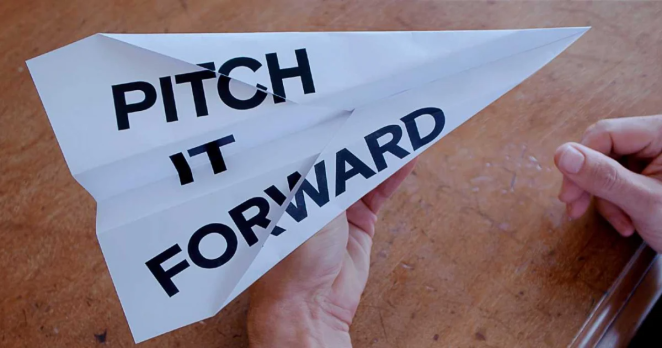
This evolving mindset, exemplified by initiatives like Mother’s "Pitch It Forward", encourages a shift away from labour-intensive pitches for every project, and towards a more collaborative, selective, and sustainable approach. This not only reduces the workload for agencies but also enhances the quality of client-agency partnerships.
Such reforms align with broader industry initiatives like the Pitch Positive Pledge, which aims to promote mental well-being by making the pitching process more humane and sustainable. For agencies, this means embracing smarter pitching practices, prioritizing projects that truly align with their strengths, and advocating for more thoughtful selection criteria from clients.
Rethinking Pitching in the Future
The mental health toll of constant pitching has become impossible to ignore. Indeed, nearly 90% of agency workers believe that the pitch process needs serious reform. While competition is inevitable in creative work, it doesn’t have to come at the expense of employees' well-being.
Agencies and clients must collaborate to create a healthier pitching culture. The current model, which often values speed over substance and commercial criteria over genuine talent, leads to exhaustion. By shifting to a more intentional and transparent pitch process and embracing approaches like "up pitching" that challenge the status quo of client competitions, both agencies and clients can benefit from better work without sacrificing mental health.
"Pitching doesn’t have to be a zero-sum game"
Moving towards a more sustainable, mindful process will not only improve the quality of creative work but also support the long-term health of the talented individuals behind it.